Quick answer
Rinse every sippy cup, teether, and bath toy in warm water right after use, wash daily with mild dish soap and a bottle brush, then sanitize once a week by boiling silicone items for 5 minutes or running dishwasher-safe pieces on a heated dry cycle. Squeeze or shake out trapped water and air-dry everything fully open before storing, because trapped moisture is what grows mold.
Baby gear gets a workout: sippy cups go from high chair to diaper bag to floor, teethers live in a mouth for hours, and bath toys sit in warm water until they squeak. All that handling means you need a cleaning routine that is fast enough to actually keep up with, not a deep-clean project you dread.
The good news is that most of this gear needs the same three things: warm soapy water, a weekly sanitizing step, and thorough drying. Below is the exact order to do it in, plus the mistakes that cause cloudy cups, sticky teethers, and the black specks parents find inside rubber bath toys.
Start with a quick rinse, not a soak
The moment a feeding or bath ends, rinse each item under warm running water. This removes milk, formula, puree, and soap film before it dries into a sticky layer that is much harder to scrub off later. For sippy cups, separate the cup, lid, spout, and any valve or handle so water reaches every crevice.
A common mistake is tossing everything into a sink full of dirty dishwater to soak overnight. That gives residue time to settle into seams and valves, and it leaves items sitting in water that can harbor bacteria. A 10-second rinse now saves several minutes of scrubbing tomorrow.
- Keep a small dedicated basin or colander near the sink so small valves and spouts do not disappear down the drain.
- Rinse bath toys by squeezing them underwater a few times so fresh water flushes through the holes.
Wash daily with mild soap and the right brush
Once a day, wash everything in warm water with a small amount of mild dish soap. Use a bottle brush for cups and a smaller detail brush for spout openings, valve slits, and the textured surfaces on teethers. Silicone teether cleaning is mostly about reaching the grooves, because that is where saliva and lint collect.
Pay attention to the parts you cannot see. Sippy cup valves and the inside of squeeze toys are the two spots where residue builds quietly. If a part has a slit, opening, or seam, work the brush into it rather than just wiping the outside.
- Do not use abrasive sponges or scouring powder on silicone; they scratch the surface and create places for residue to cling.
- Skip antibacterial or fragranced soaps unless your pediatrician says otherwise, and rinse thoroughly so no soap film remains.
Sanitize weekly, and know what your items can handle
Once a week, sanitize the items that go in your baby's mouth. Silicone teethers and silicone cup parts can usually be boiled for about 5 minutes in a clean pot, or run through the dishwasher on a hot cycle. Check each product's care instructions first, because wooden toys, rattles, and toys with batteries or fabric should never be submerged or boiled.
If you are unsure whether something is dishwasher safe, hand washing with hot soapy water followed by a full air-dry is the safer default. When in doubt, treat the item as hand-wash only rather than risk warping a lid or ruining a wooden frame.
- Boil silicone pieces in a pot used only for baby gear, and use tongs to remove them so you do not burn your hands.
- Never microwave items to sanitize them unless the manufacturer explicitly says the item is microwave safe.
Dry fully, then store open
Drying is the step most parents rush, and it is the one that matters most for mold prevention. Shake water out of valves and spouts, then stand every piece upright on a drying rack with openings facing down or fully exposed to air. Do not stack cups while damp or snap lids onto wet bases.
For bath toys, squeeze as much water out as you can, then let them dry somewhere with airflow rather than leaving them in the tub or a closed bin. If a toy still feels heavy or sloshes after a day of drying, water is trapped inside and it needs more time or a different storage approach.
- Store sippy cups and teethers unassembled so air can circulate through every part.
- Rotate bath toys instead of keeping the whole collection in the tub at once, so each set gets a full dry day.
Deal with mold in bath toys before it spreads
If you see dark specks inside a squeeze toy, that is mold growing in trapped water, and it is very difficult to remove completely once it is established. For low-cost rubber toys, replacing them is usually the more reliable choice. For toys you want to keep, check the manufacturer's guidance before trying any cleaning method, since harsh treatments can damage the material.
The better long-term fix is prevention: buy bath toys with fewer holes or sealed designs, squeeze and drain them after every bath, and never store them in a closed, damp container. Cleaning bath toys mold-free is mostly a drying habit, not a cleaning product.
- If a toy smells musty even after washing, retire it rather than risk your baby chewing on it.
- Keep a small mesh drain bag for bath toys so water escapes instead of pooling.
Match the routine to the material
Different materials tolerate different care. Soft silicone handles boiling, dishwasher cycles, and repeated washing well, which is why it is common in teethers and cup spouts. Solid wood should be wiped with a damp cloth and dried immediately, never soaked. Fabric and plush parts usually need surface cleaning or a gentle machine wash according to the care tag.
Knowing what a product is made of tells you which cleaning method is safe. If a product's care instructions are not clear, choose the gentlest option: warm soapy water, a soft brush, and thorough air-drying.
- Keep a written note on your phone of which items are dishwasher safe so anyone helping with dishes gets it right.
- Replace silicone items that become cloudy, tacky, or torn, since damaged surfaces are harder to clean.
Your daily and weekly cleaning steps
- Step 1: Rinse immediately after every use: Hold each sippy cup, teether, and bath toy under warm running water as soon as the feeding or bath is over. Take cups apart first so water reaches the valve and spout. Checkpoint: if residue feels slippery, it has already started to set and needs a full wash, not just a rinse.
- Step 2: Wash daily with mild soap and a brush: Use warm water, a drop of mild dish soap, and a bottle brush plus a small detail brush. Scrub spout slits, valve openings, and the textured surfaces of teethers. Mistake to avoid: wiping only the outside of a valve or squeeze toy and assuming it is clean.
- Step 3: Sanitize once a week: Boil silicone teethers and silicone cup parts for about 5 minutes, or run dishwasher-safe items on a hot cycle. Never boil wood, fabric, or anything with batteries. Checkpoint: confirm the item is silicone and dishwasher or boil safe before it goes in the pot.
- Step 4: Shake out and air-dry fully open: Shake water from valves and spouts, then stand all pieces on a rack with openings exposed. Squeeze bath toys and let them dry where air can move around them. Mistake to avoid: snapping lids onto damp cups or dropping toys back into a closed tub.
- Step 5: Inspect and replace when needed: Look for black specks inside squeeze toys, cloudy or tacky silicone, and torn spouts. Replace items that stay musty or damaged after cleaning. Next step: build a small rotation so each set gets a full dry day before it goes back into use.
Products that fit this routine
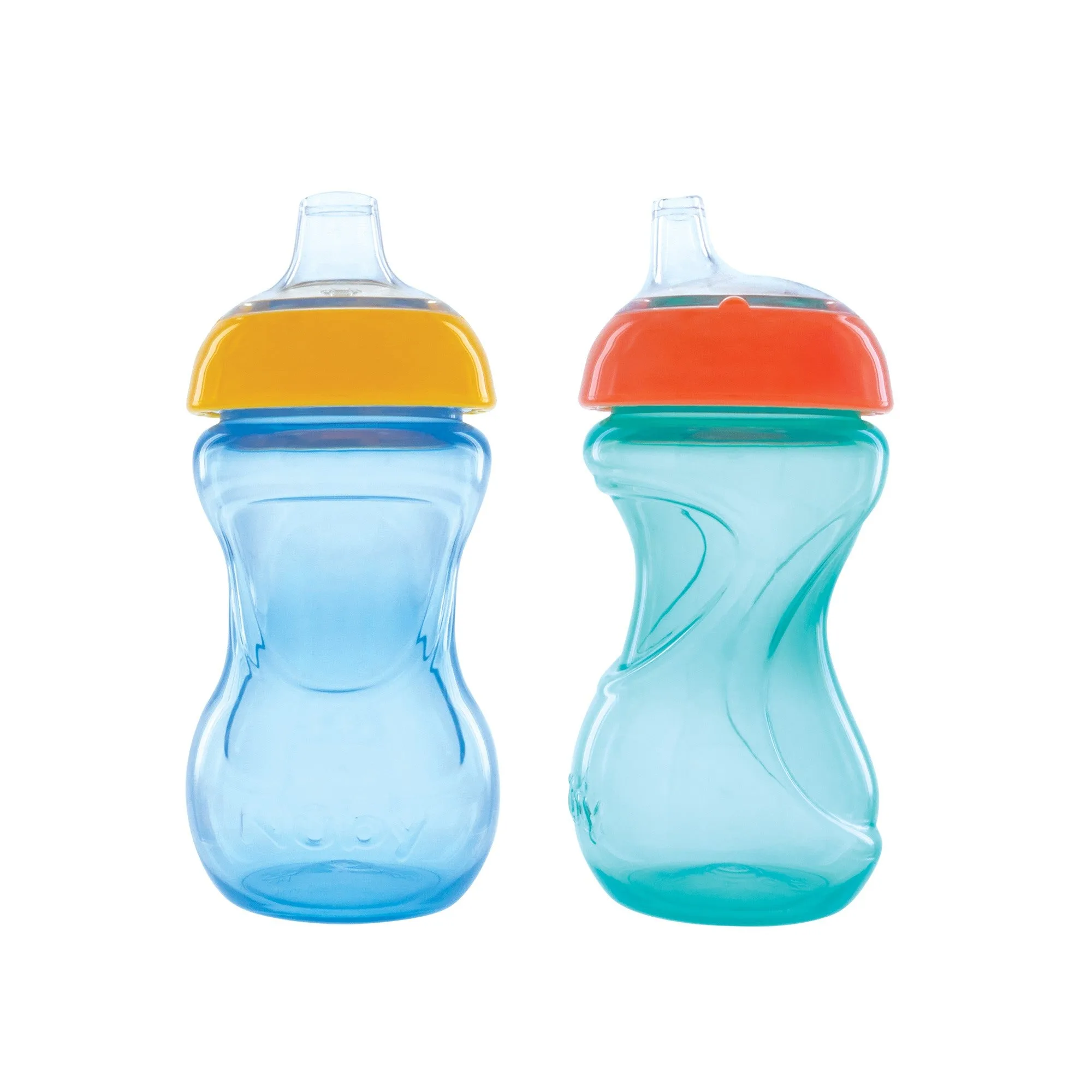
- Mini Gripper Soft Spout Sippy Cup (2 Pack): Each cup has a soft silicone spout designed to help prevent drips and spills, and the mini ergonomic shape is sized for small hands. The silicone spout and small separate parts are exactly the pieces that need daily brushing and weekly sanitizing, and the mini size makes them easy to take apart and dry fully.
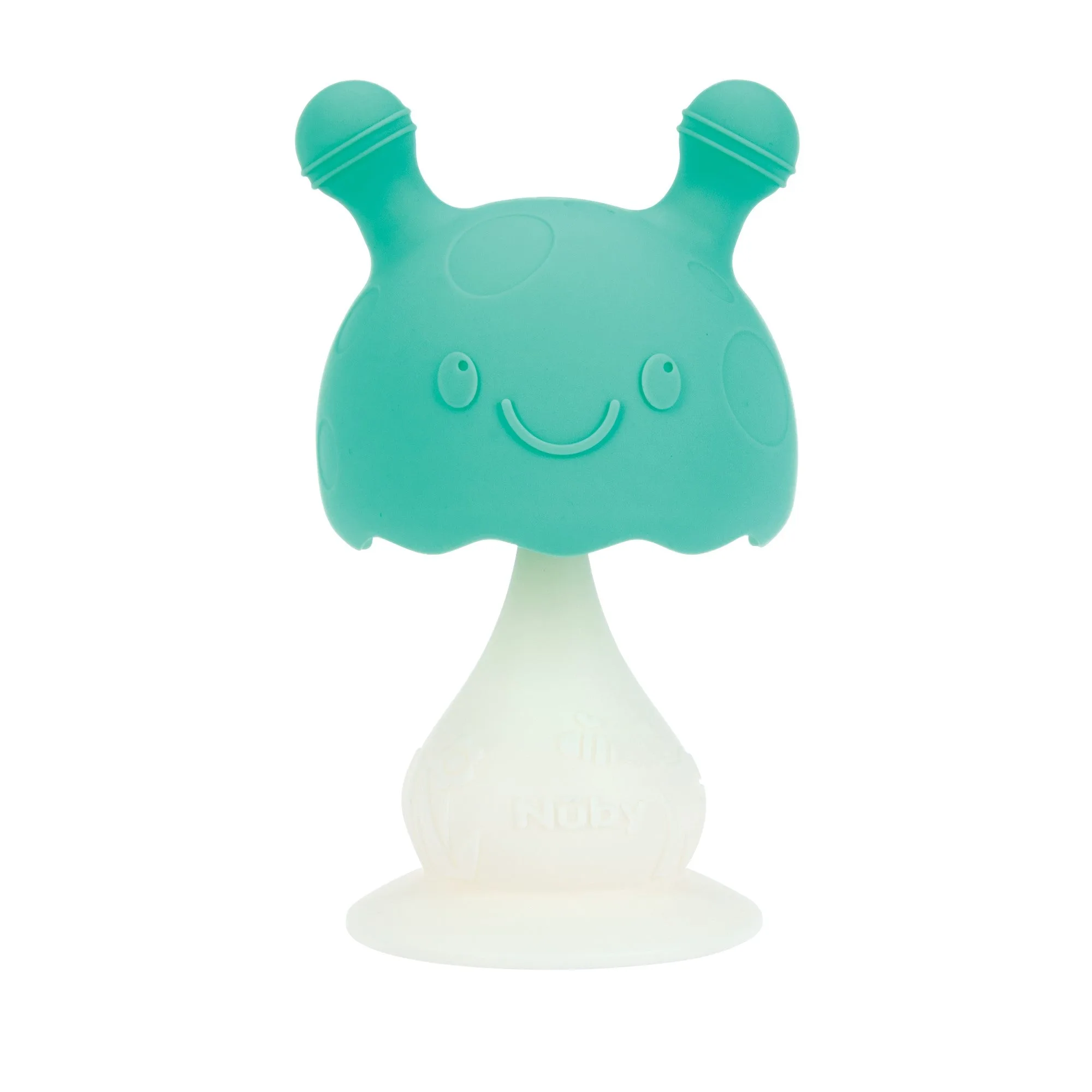
- Mushroom Bobble Head Teether Toy: Made of super soft silicone that is gentle on sensitive gums, with a suction base that sticks to most surfaces. Silicone is one of the easiest teether materials to wash and sanitize, and the suction base means you can stick it to a high chair tray or tub wall so it stays out of dirty floors between uses.
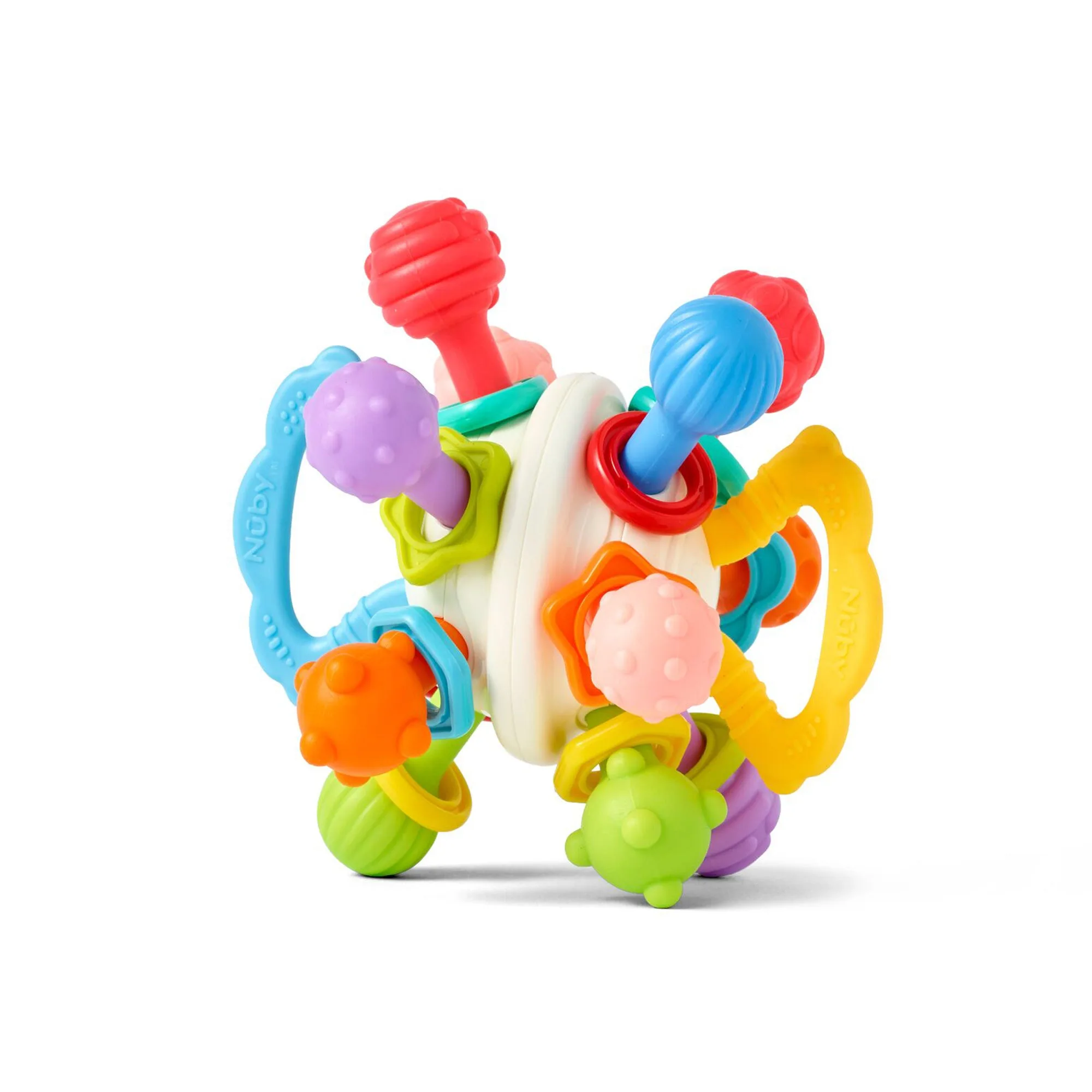
- Twist Ball Teether: Features textured surfaces for teething relief and is easy for baby to grasp, with bright colors and fun sounds. Textured surfaces collect saliva and lint in the grooves, so this is a good reminder to use a detail brush rather than a quick rinse.
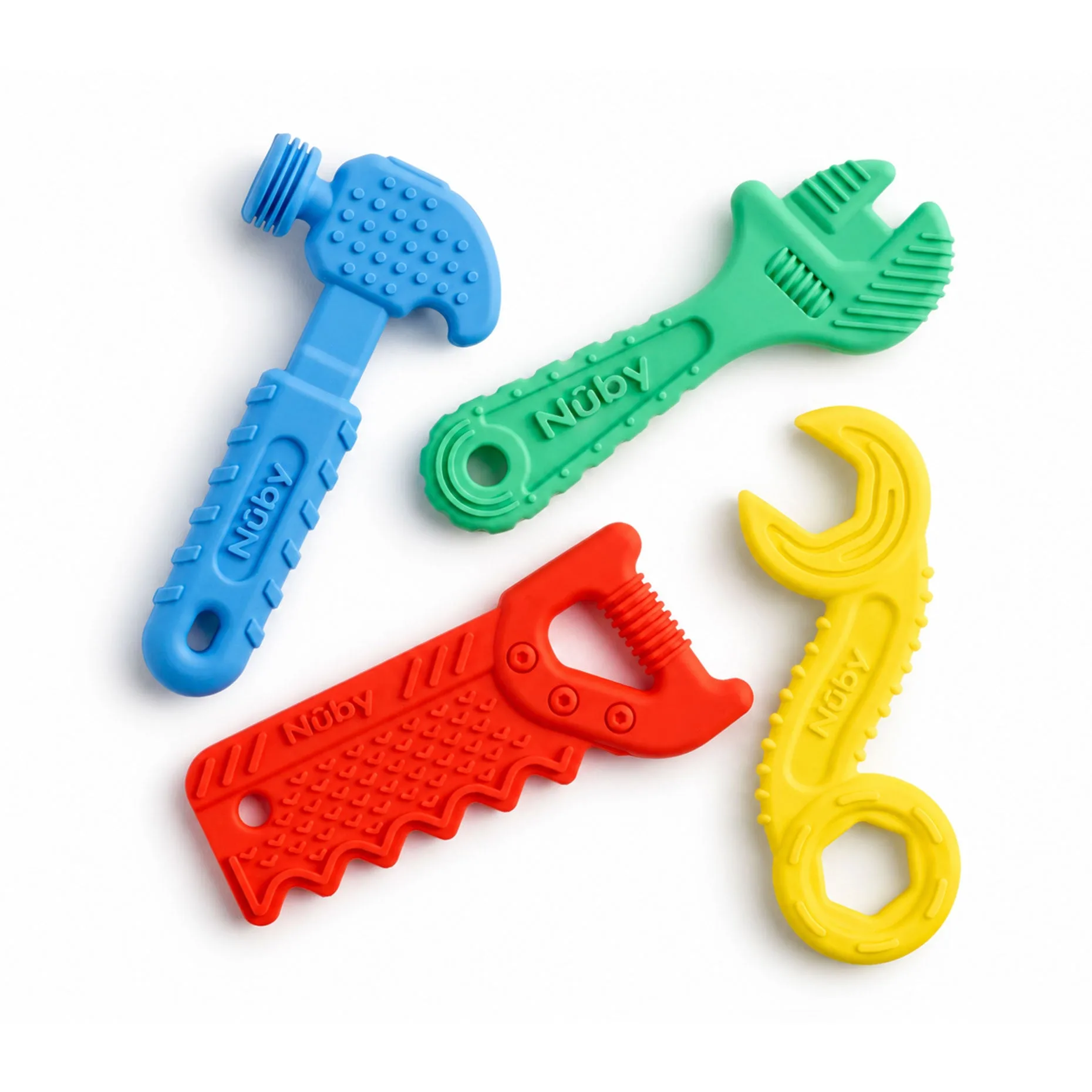
- Tool Teethers (4 Pack): Made from soft, easy-to-clean silicone with multiple textured surfaces, sized for grasping and chewing. A four-pack means several teethers are in rotation, so you can wash one set while another is in use and give each one a full dry cycle.
A five-minute daily wash and a weekly sanitize are enough to keep sippy cups, teethers, and bath toys clean and safe, as long as you dry everything completely before it goes back into rotation. When a product's care instructions are unclear, choose warm soapy water, a soft brush, and full air-drying, and replace anything that stays musty or damaged.