Quick answer
Wash your down comforter only when it is visibly soiled or starts to smell, using a front-loading machine on a gentle cycle with a small amount of down-safe detergent. Dry it thoroughly on low heat with dryer balls until it is completely lofted, then store it loosely in the included Tote 50 or a breathable cotton bag, never compressed in a stuff sack.
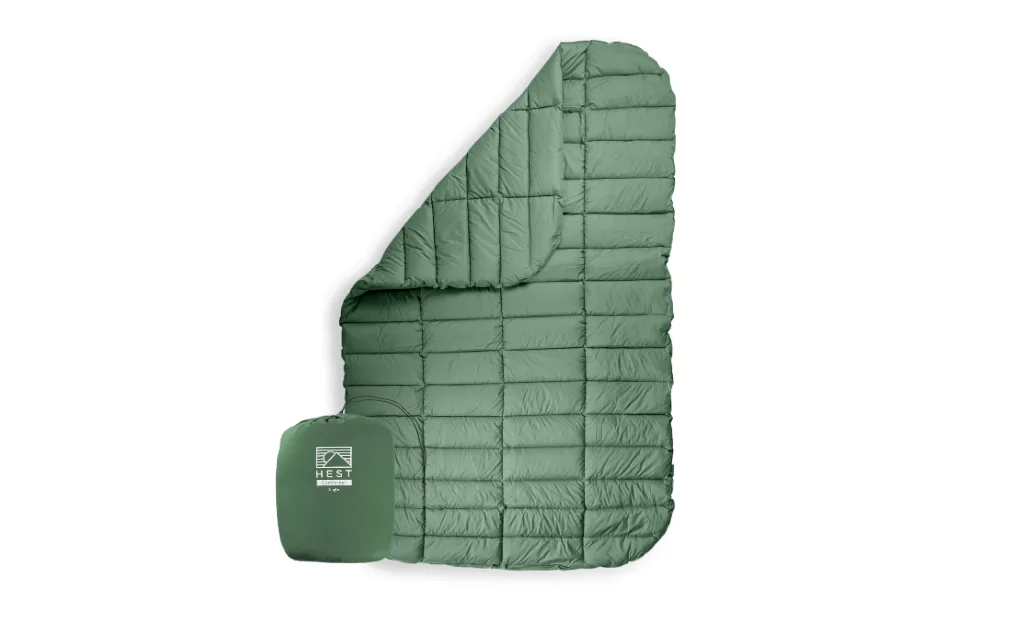
comforter
Why down comforters need a different routine
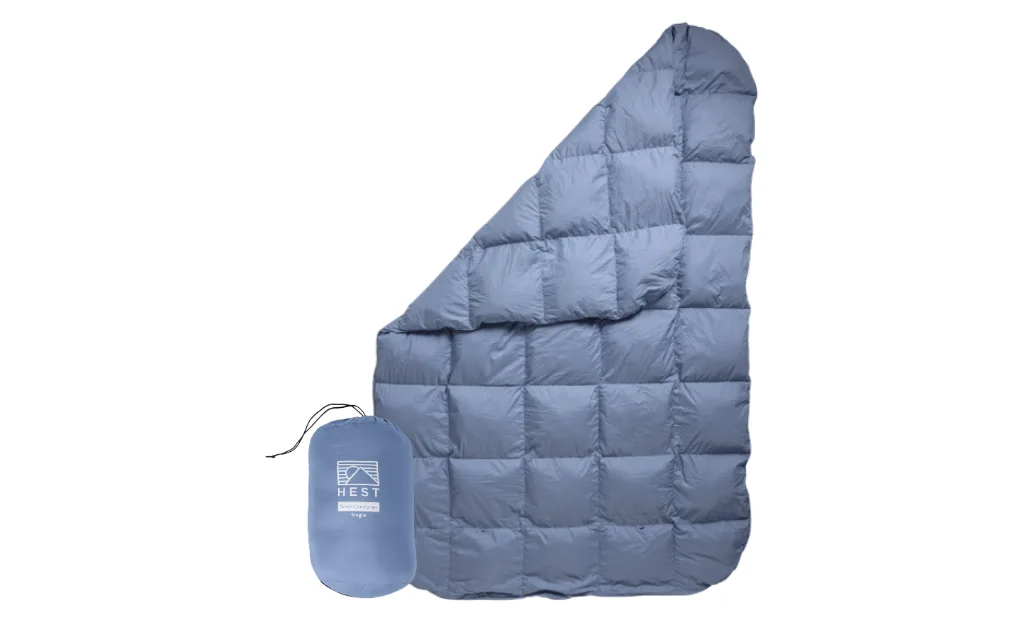
Down loses its loft when it stays damp or gets crushed for long periods, and that loft is what traps warmth. A camping comforter like the HEST Down Comforter is built to pack down small for travel, but it should not live in that compressed state between trips. The included Tote 50 is for carrying and storing, not for long-term compression.
You also do not need to wash a down comforter after every trip. Spot-clean small marks and air the comforter out instead. Save the full wash for end-of-season cleaning or when it is genuinely dirty.
What you need before you start
Gather a front-loading washing machine, a down-safe or mild liquid detergent, a few wool dryer balls or clean tennis balls, and a breathable storage bag. Avoid top-loading machines with a center agitator, which can tear baffles and bunch the down.
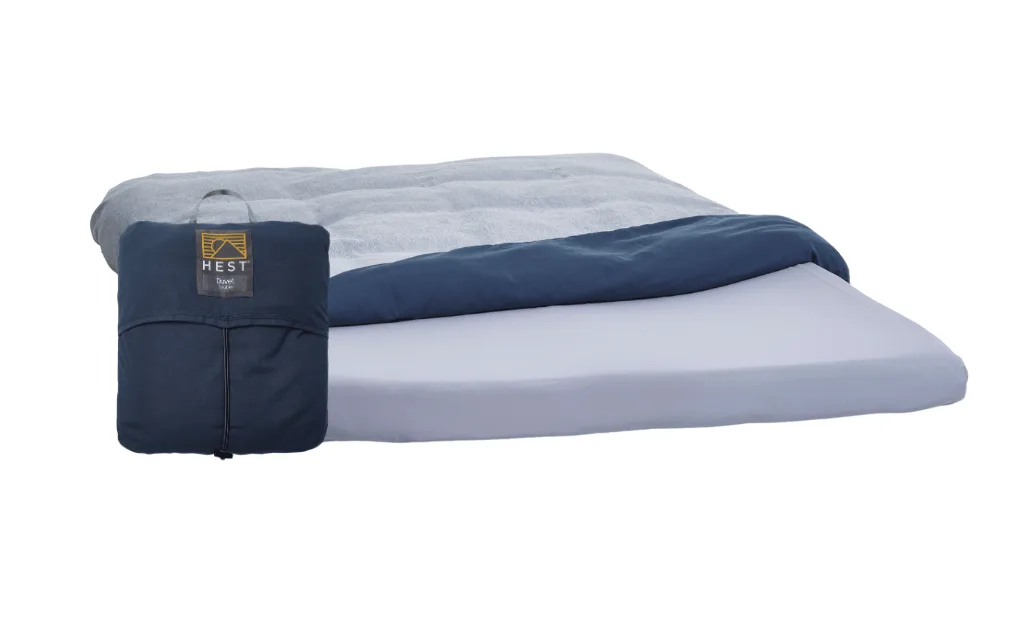
If your comforter has a removable duvet cover, like the HEST Duvet, wash the cover separately and leave the comforter itself for less frequent cleaning. The Fleece Duvet is insulated and adds warmth, while the Standard Duvet is non-insulated and adds no extra warmth, so check which one you have before washing.
Step-by-step: wash, dry, and store your down comforter
- 1. Spot-clean and air first: Treat small marks with a damp cloth and mild soap, then hang the comforter in a shaded, breezy spot for a few hours. Common mistake: reaching for the washing machine for every little smudge. Checkpoint: if the comforter smells fresh and looks clean, stop here.
- 2. Wash on a gentle cycle: Use a front-loading machine on a gentle or down cycle with a small amount of down-safe detergent. Do not use fabric softener or bleach. Common mistake: overloading the drum, which prevents proper rinsing. Checkpoint: run an extra rinse if you see suds remaining.
- 3. Dry low and slow with dryer balls: Tumble dry on low heat with two or three wool dryer balls, stopping every 20 minutes to shake the comforter and break up clumps. Common mistake: using high heat, which can damage the shell and down. Checkpoint: the comforter is fully dry when it feels light, lofty, and has no cold or damp spots.
- 4. Store loose in a breathable bag: Let the comforter cool completely, then place it loosely in the included Tote 50 or a cotton storage bag. Keep it in a dry, dark spot. Common mistake: leaving it compressed in a stuff sack for months. Checkpoint: the comforter should look puffy, not flat, when you take it out for the next trip.
Products that make care easier
- Down Comforter: The HEST Down Comforter is offered in single and double sizes and includes a Tote 50 for storage and travel. The included tote gives you a dedicated place to keep the comforter loosely packed, so you are less likely to stuff it into a tight sack.
- Duvet: The HEST Duvet is washable and designed to pair with the HEST Comforter; the Standard Duvet is non-insulated, while the Fleece Duvet is insulated and adds warmth. A removable duvet cover means you can wash the layer that touches your skin more often and wash the down comforter itself less often.
- Winter Bedding Pack: The Winter Bedding Pack bundles a Down Comforter, a Fleece Duvet, a Top Sheet, and a Tote, with bundle savings up to $97. If you own the pack, you can rotate the fleece duvet and top sheet through the wash while the comforter airs, keeping the whole system fresh without over-washing the down.