Quick Answer
Rinse your sunglasses under lukewarm water to remove dust and grit, then apply a small drop of mild dish soap to each lens. Gently rub with your fingertips, rinse again, and dry with a clean microfiber cloth. Never wipe dry lenses or use paper towels, clothing, or harsh chemicals.
Why Sunglasses Scratch So Easily
Lens scratches are almost always caused by wiping dry lenses that have tiny abrasive particles on the surface. Dust, sand, and even dried sweat can act like sandpaper when you rub them across a lens. That's why the most important rule of sunglass maintenance is to always wet-clean first before any wiping motion.
What You'll Need
For safe, scratch-free cleaning you only need three things: lukewarm running water, a drop of mild dish soap (no lotions or citrus additives), and a clean microfiber cloth. Avoid using your shirt, paper towels, tissues, or napkins — these fabrics are abrasive enough to leave micro-scratches over time. A dedicated lens cleaning spray can be convenient, but it's not a substitute for rinsing off grit first.
When to Clean and When Not To
Clean your sunglasses whenever they look smudged or feel greasy, but avoid the urge to polish them multiple times a day. Each cleaning cycle, even when done correctly, introduces some wear. If you only have a few specks of dust, use a lens blower or gently rinse with water instead of a full wash. For stubborn oil or sunscreen residue, the full wet-clean method below is your best bet.
Step-by-Step Scratch-Free Cleaning Process
- Rinse with Lukewarm Water: Hold your sunglasses under a gentle stream of lukewarm water. This removes loose dust, sand, and debris that could scratch the lenses during cleaning. Do not use hot water — it can damage lens coatings. Checkpoint: If water beads up and doesn't sheet off, the lenses may have an oily residue that needs soap.
- Apply a Drop of Mild Dish Soap: Put one small drop of mild dish soap on each lens. Avoid soaps with moisturizers, citrus oils, or abrasives. Gently rub the soap over the lenses and frames using your fingertips in a circular motion for about 10 seconds. Common mistake: Using hand soap or window cleaner — these can strip anti-reflective or mirror coatings.
- Rinse Thoroughly Again: Rinse both lenses and frames under lukewarm water until all soap is gone. Any soap residue left to dry can leave streaks or a hazy film that attracts more dirt. Checkpoint: Tilt the lenses under the stream to see if water runs off evenly — if not, repeat the soap step.
- Dry with a Clean Microfiber Cloth: Gently shake off excess water, then use a clean, dry microfiber cloth to blot and wipe the lenses. Use a light touch and avoid pressing hard. Do not use paper towels, tissues, or your shirt — these materials are abrasive enough to cause micro-scratches over time. Common mistake: Using a dirty microfiber cloth. Wash your cloth regularly with mild soap and air dry it to keep it effective.
Sunglasses That Deserve Proper Care
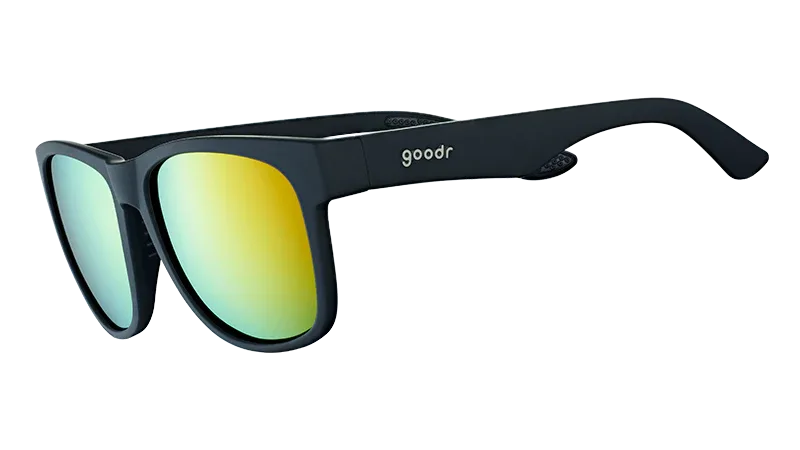
- Professor 00G: These black frames with black non-reflective lenses and a distinguished double-nose bridge were made for international people of mystery. Won't slip or bounce as you zipline down the Swiss Alps. Non-reflective lenses reduce glare and are easier to keep clean because you can see smudges clearly. The secure fit means less readjustment, which reduces the chance of touching the lenses with dirty fingers.
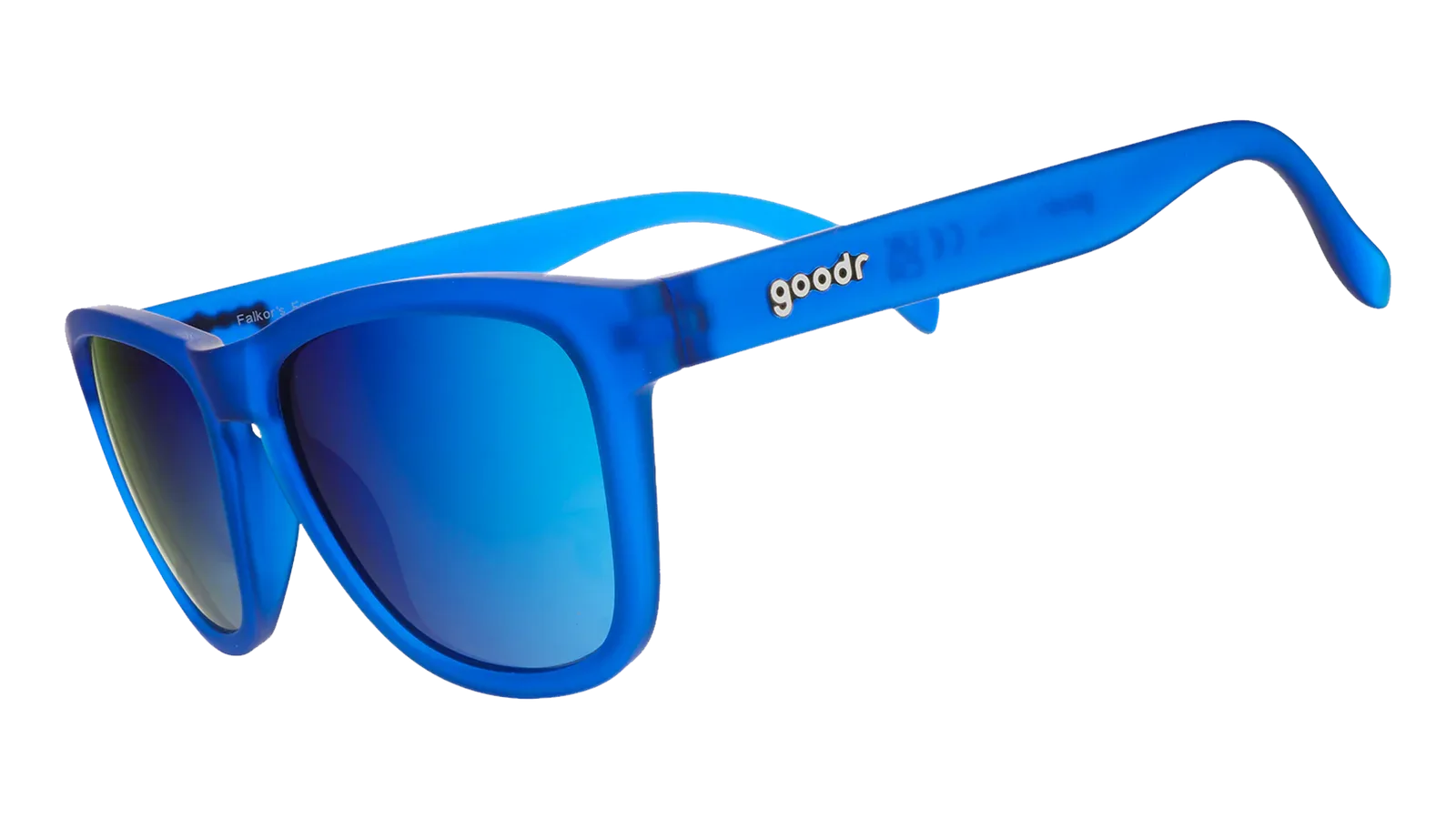
- Full Sail Frenzy: Set sail for low-key luxury with these decadent navy and chrome Full Sail Frenzy Avant Gs. These stylish blue half-rim frames and chrome reflective lenses are always ready for an impromptu getaway. Half-rim frames expose more lens surface, so keeping them scratch-free is extra important for clear vision. Reflective coatings benefit from gentle cleaning to maintain their mirror finish.