Keeping your breast pump clean is not just about hygiene—it's about protecting your baby's health and ensuring your pump works efficiently. For owners of the Willow 360® wearable pump, proper cleaning is especially important because the pump's design includes intricate parts and reusable milk bags that require careful attention. In this guide, we'll walk you through the recommended steps to clean and sterilize your Willow 360® pump and milk bags, so you can pump with confidence.
Whether you're a new mom or a seasoned pro, understanding the correct cleaning routine can make a world of difference. Not only does it prevent bacterial growth, but it also helps maintain the integrity of the pump's components, ensuring they last longer. Let's dive into the best practices for keeping your Willow 360® spotless.
Why Proper Cleaning Matters for Your Willow 360®
Breast milk is highly nutritious, but it can also harbor bacteria if not handled correctly. The Willow 360® pump comes into direct contact with your milk, and any residue left in the tubes, flanges, or milk bags can become a breeding ground for germs. Regular and thorough cleaning is essential to prevent contamination and keep your baby safe.
Moreover, milk fat can build up over time, affecting the pump's suction and performance. By cleaning your pump after every use, you ensure it operates at its best, giving you maximum milk output and a comfortable pumping experience.
- Always wash your hands before handling pump parts.
- Clean your pump immediately after use to prevent milk from drying.
- Use a dedicated brush for small parts like valves and membranes.
Step-by-Step Cleaning Guide for the Willow 360® Pump
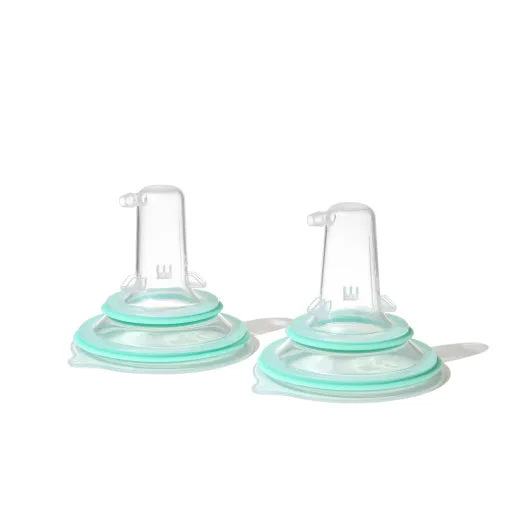
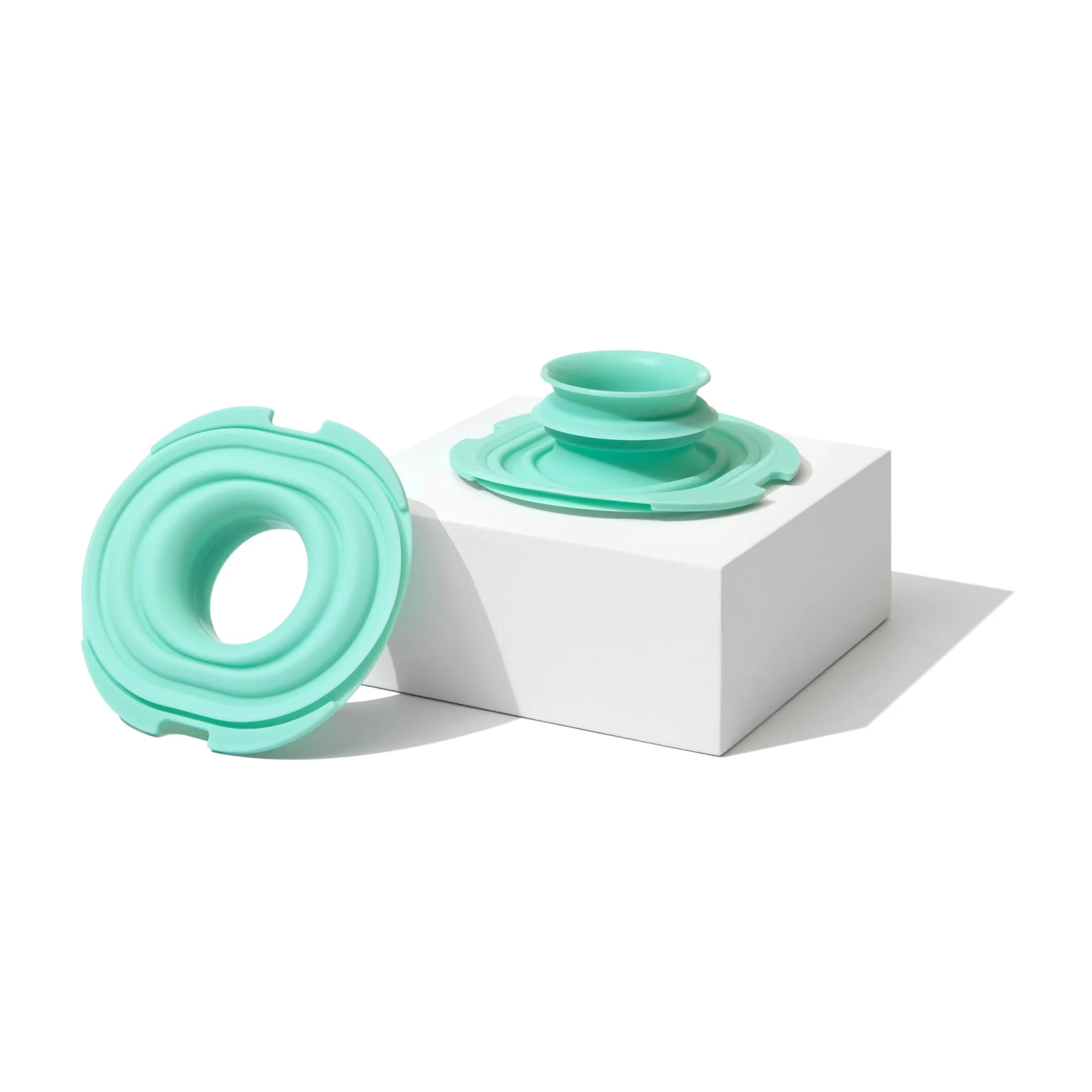
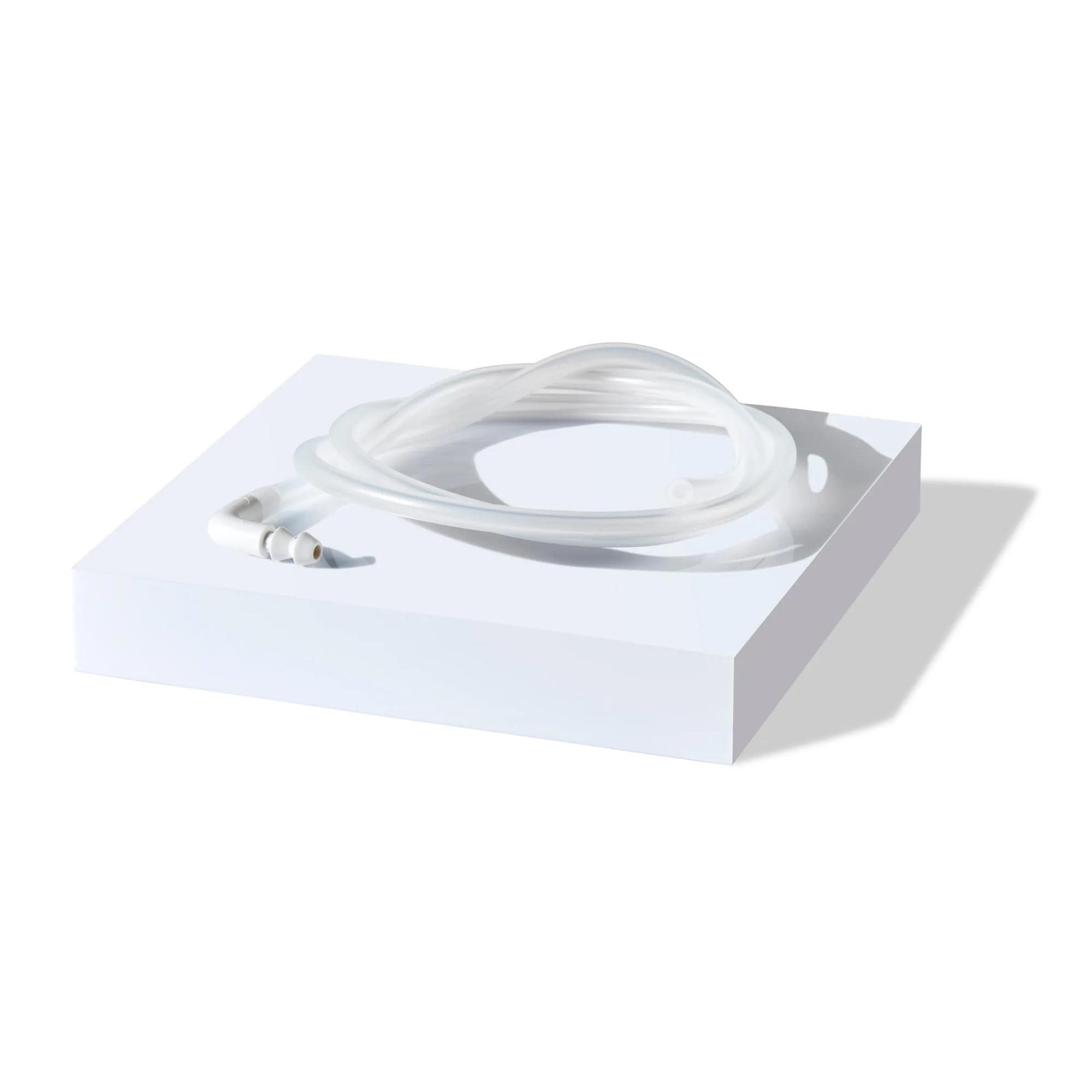
To clean your Willow 360® pump, start by disassembling all parts that come into contact with milk. This includes the flanges, collection cups, and any tubing. Rinse each part under cool running water to remove milk residue. Then, wash them in warm, soapy water using a mild dish soap. Use a soft brush to gently scrub away any stubborn spots, paying special attention to crevices where milk can hide.
After washing, rinse all parts thoroughly with clean water to remove any soap residue. Place them on a clean, dry towel or drying rack and allow them to air dry completely. Avoid using a dish towel to dry, as it can transfer bacteria. Ensure all parts are completely dry before reassembling your pump.
- Do not use harsh chemicals or abrasive scrubbers that can damage the parts.
- Some parts are dishwasher safe—check your manual for specific instructions.
- If you're using a sanitizing solution, follow the manufacturer's guidelines.
How to Clean and Sterilize Willow 360® Milk Bags
The Willow 360® milk bags are designed for single use, but many moms wonder if they can be reused. While the manufacturer recommends single use to ensure hygiene and safety, you can extend their life by following careful cleaning steps if you choose to reuse them. However, always inspect bags for any signs of wear or damage before reuse.
To clean a milk bag, rinse it immediately after use with cool water, then wash it in warm, soapy water. Use a bottle brush to reach the inside. Rinse thoroughly and hang to dry. For sterilization, you can boil the bags for a few minutes, but this may affect their integrity. Alternatively, use a steam sterilizer designed for baby products. Remember, reusing bags is at your own risk, and it's safer to use a fresh bag for each pumping session.
- Always check for holes or weakened seals before reusing.
- Never use the microwave to sterilize milk bags unless specified.
- If in doubt, use a new bag to ensure safety.
Daily and Deep Cleaning Routines
For daily cleaning, follow the steps above after every use. This includes rinsing and washing all milk-contact parts. If you're pumping multiple times a day, you can store cleaned parts in the refrigerator in a sealed bag to avoid repeated washing, but be sure to wash them thoroughly at least once a day.
A deep cleaning should be done weekly. This involves sterilizing all parts, including the milk bags, using either boiling water or a steam sterilizer. You can also use a food-grade sanitizing solution. Deep cleaning helps eliminate any lingering bacteria and ensures your pump remains in top condition.
- Set a reminder to deep clean your pump every Sunday.
- Keep a separate brush for deep cleaning to avoid cross-contamination.
- Replace parts like valves and membranes regularly to maintain performance.
Recommended Products for Pump Hygiene
To make cleaning easier, consider investing in products designed for pump hygiene. For instance, the CoBoo Natural Pumping Spray is a gentle, plant-based spray that helps remove milk residue and keep parts fresh between washes. It's a convenient option for on-the-go cleaning.
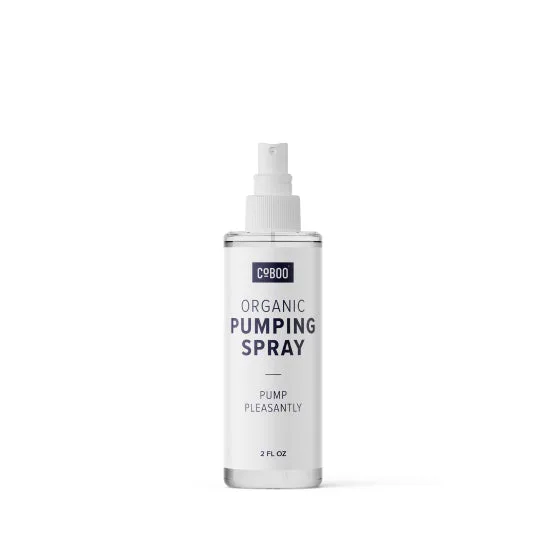
CoBoo Natural Pumping Spray
Additionally, the Breastfeeding Care Kit includes essential items like nipple balm and cooling gel pads, which can help soothe sore nipples—a common side effect of frequent pumping. While not directly related to cleaning, maintaining your skin health is part of overall pumping hygiene.
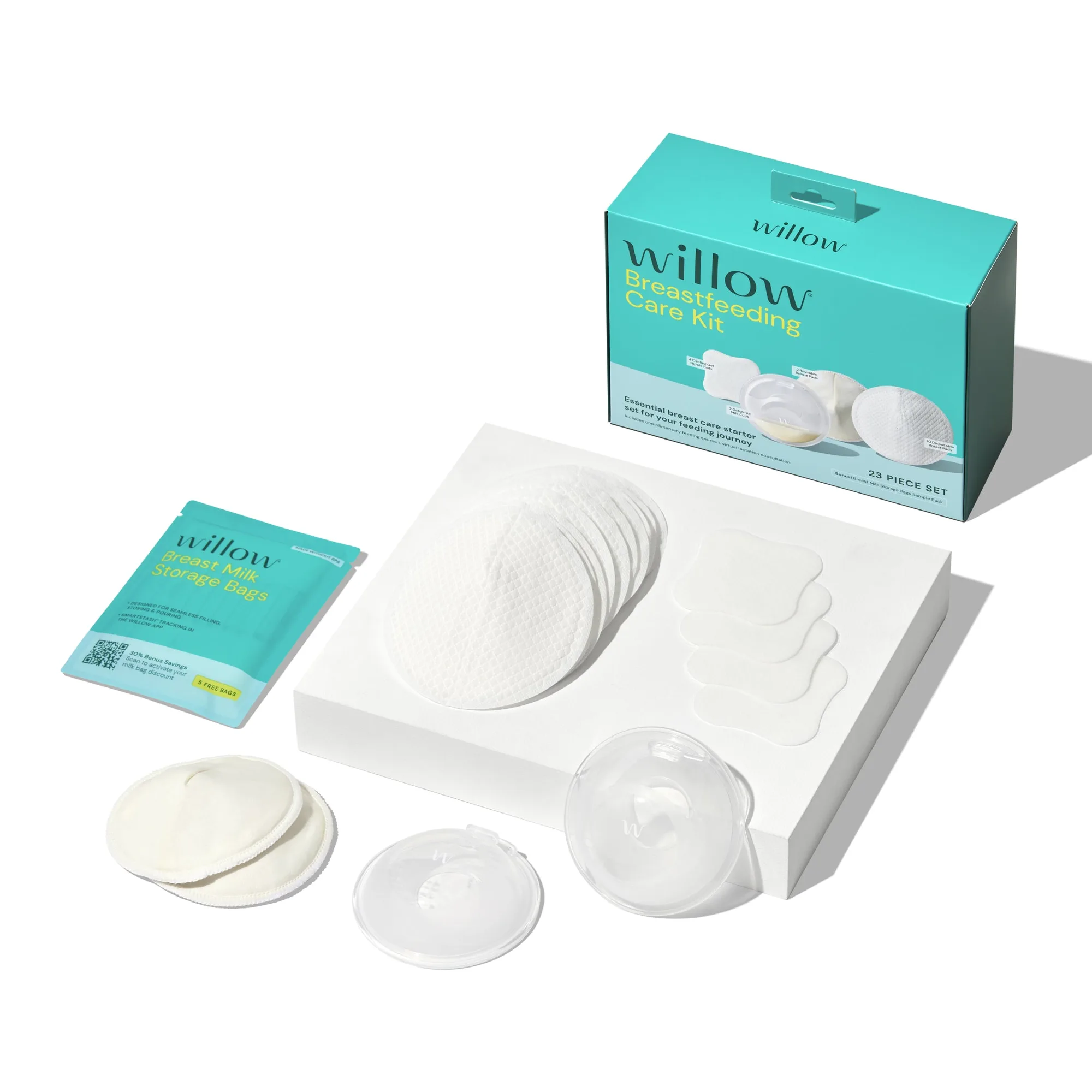
Breastfeeding Care Kit
Storing Your Clean Pump and Milk Bags
Once your pump parts are clean and dry, store them in a clean, dry place. Avoid storing them in airtight containers if they are not completely dry, as moisture can promote mold growth. The Pump Anywhere Bag is perfect for keeping your pump and accessories organized and protected when you're on the move. It has dedicated compartments for all your parts, making it easy to keep everything together and hygienic.
For milk bags, store them in a cool, dry place away from direct sunlight. If you're using the Willow 360® spill-proof bags, ensure they are sealed properly before storing. Never store milk bags in the freezer if they are not designed for freezing—check the instructions.
Common Mistakes to Avoid When Cleaning Your Willow 360®
One common mistake is using boiling water on all parts. While some parts are heat-resistant, others may warp. Always check your user manual for temperature limits. Another mistake is using soap with strong fragrances or dyes, which can leave residues that irritate your baby. Stick to mild, unscented dish soap.
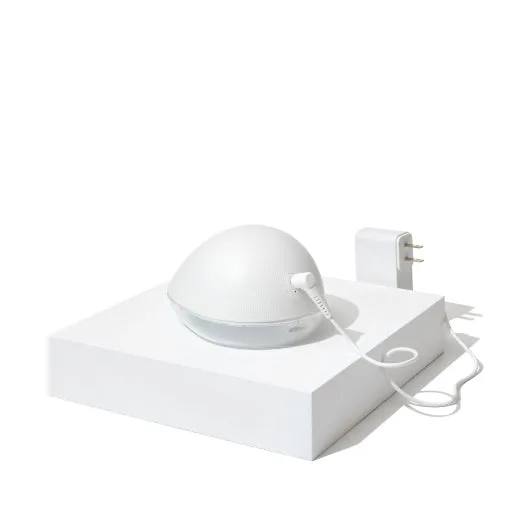
Avoid using a dishwasher for parts that are not marked dishwasher safe. The high heat and detergents can damage the plastic. Also, never put the pump motor in water—only the parts that come into contact with milk should be washed. Finally, ensure you rinse thoroughly to remove all soap, as leftover soap can affect the taste of milk.
Cleaning your Willow 360® pump and milk bags doesn't have to be a chore. With the right routine and tools, you can ensure a safe and effective pumping experience. Remember to always follow the manufacturer's guidelines and prioritize hygiene for your baby's health. For more convenience, consider the Willow Go® Pump and Anywhere Case to keep your pump protected and clean on the go. Happy pumping!