Quick answer
Clean wooden Montessori toys with a damp cloth and mild soap, then dry immediately with a clean cloth. Avoid soaking, dishwashers, and harsh chemicals. For sanitizing, use a diluted vinegar solution or a dedicated toy cleaner, and always spot-test first. This keeps the wood smooth and the paint intact.
Montessori
Wooden Montessori toys are built to be handled, dropped, and loved—so they will get dirty. The good news is that cleaning them is simple if you follow a few rules. Unlike plastic, wood is porous and can swell, crack, or lose its finish if it stays wet. That means your usual “rinse under the tap” approach won’t work here.
This guide walks you through a safe, repeatable routine for cleaning wooden toys, from a quick daily wipe to a deeper sanitizing session. You’ll also learn which products to avoid and how to care for specific items like the Montessori Wooden Camera and Montessori Carrot Wheels.
Why wood needs a different cleaning approach
Wood is a natural material that responds to moisture. When water sits on the surface, it can seep into the grain, causing the wood to swell, warp, or crack over time. Paint and finishes can also lift or fade with repeated exposure to liquids or harsh cleaners. That’s why most wooden toy makers recommend a damp-cloth clean rather than a full wash.
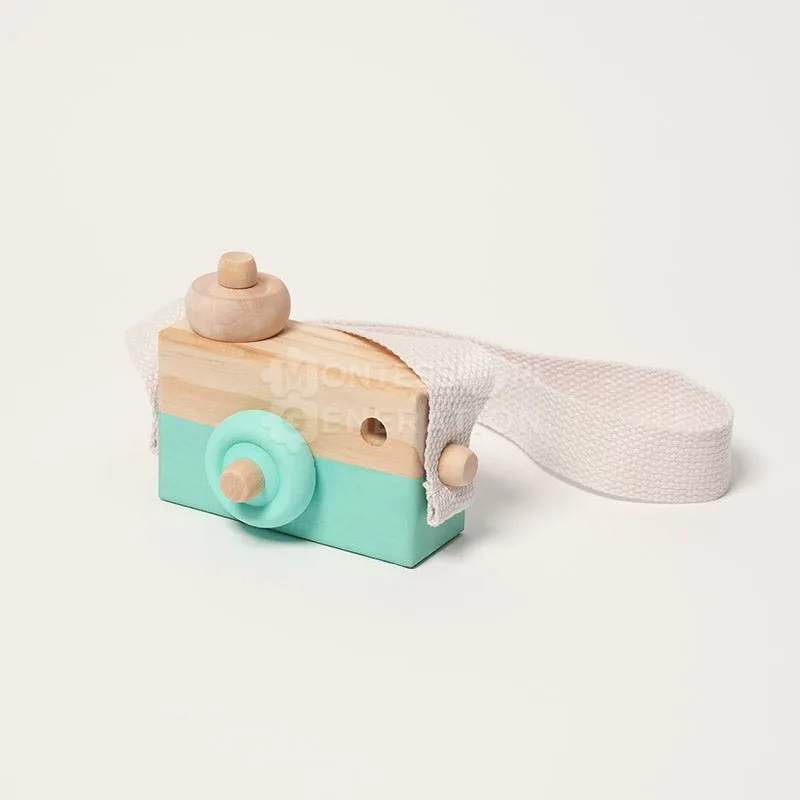
The Montessori Wooden Camera, for example, is made from high-quality eco-friendly wood with non-toxic paint. Its care instructions say to clean with a damp cloth and mild soap, then dry immediately with a clean damp cloth. That’s a good rule of thumb for almost any wooden toy: minimal moisture, quick drying, and no soaking.
- Never submerge wooden toys in water.
- Avoid abrasive sponges or scrubbing pads.
- Skip bleach, ammonia, and alcohol-based cleaners unless the manufacturer explicitly allows them.
Gather the right supplies
Before you start, collect a few soft, clean cloths (microfiber works well), a mild liquid soap (like castile soap or a gentle dish soap without harsh additives), and a small bowl of lukewarm water. You may also want a soft-bristled toothbrush for crevices and a dry towel for immediate drying.
For sanitizing, you have two safe options: a diluted white vinegar solution (1 part vinegar to 3 parts water) or a toy-safe sanitizing spray. Always check the toy’s care instructions first. The Montessori Carrot Wheels, for instance, contains soft felt pieces that should not get soaked—so you’d clean the wooden parts with a damp cloth and spot-clean the felt with a barely damp cloth.
- Use two cloths: one for washing, one for drying.
- Keep a dedicated toy-cleaning cloth separate from kitchen rags.
- If you use vinegar, test it on a hidden spot first to ensure it doesn’t dull the finish.
Step-by-step: how to clean wooden Montessori toys
Start by removing loose dirt. Wipe the toy with a dry cloth or soft brush to get rid of crumbs, dust, or dried playdough. Next, dip your washing cloth in the soapy water and wring it out thoroughly—it should be barely damp, not dripping. Wipe all surfaces, including edges and crevices. For stubborn spots, use a soft toothbrush dipped in the soapy water and scrub gently.
Immediately dry the toy with a clean, dry cloth. Don’t let it air-dry, as moisture can linger in joints and cracks. If the toy has moving parts or magnets, like the Montessori Carrot Wheels, be extra careful around those areas and dry them thoroughly. Once dry, you can buff the wood with a soft cloth to restore shine.
- Work in small sections so the wood never stays wet for long.
- Pay attention to seams and holes where water can collect.
- If the toy is heavily soiled, repeat the wipe-and-dry process rather than soaking.
How to sanitize wooden toys safely
Sanitizing is important during cold and flu season or after a toy has been in a child’s mouth. For wooden toys, avoid harsh chemicals. Instead, lightly mist a cloth with your diluted vinegar solution or toy-safe sanitizer and wipe the surface. Do not spray directly onto the toy, as liquid can pool in crevices. Let it sit for 30 seconds, then wipe with a clean damp cloth and dry immediately.
If you’re dealing with a stomach bug or a serious illness, check the toy’s care instructions. Some wooden toys with painted finishes can tolerate a gentle vinegar wipe, but others may need to be set aside for a few days. Viruses don’t survive long on porous surfaces, so time alone can be an effective sanitizer.
- Never use bleach or alcohol on painted wood unless the manufacturer says it’s safe.
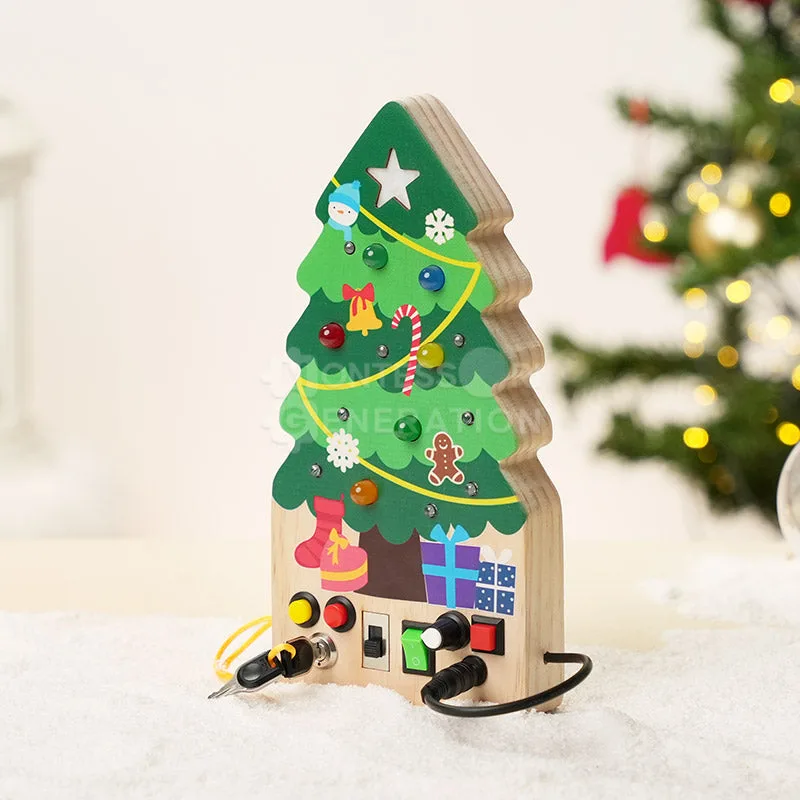
- For battery-operated toys like the Montessori Christmas Switch Board, avoid liquids entirely—clean with a dry cloth only.
- Always dry thoroughly after any sanitizing wipe.
Special care for different wooden toys
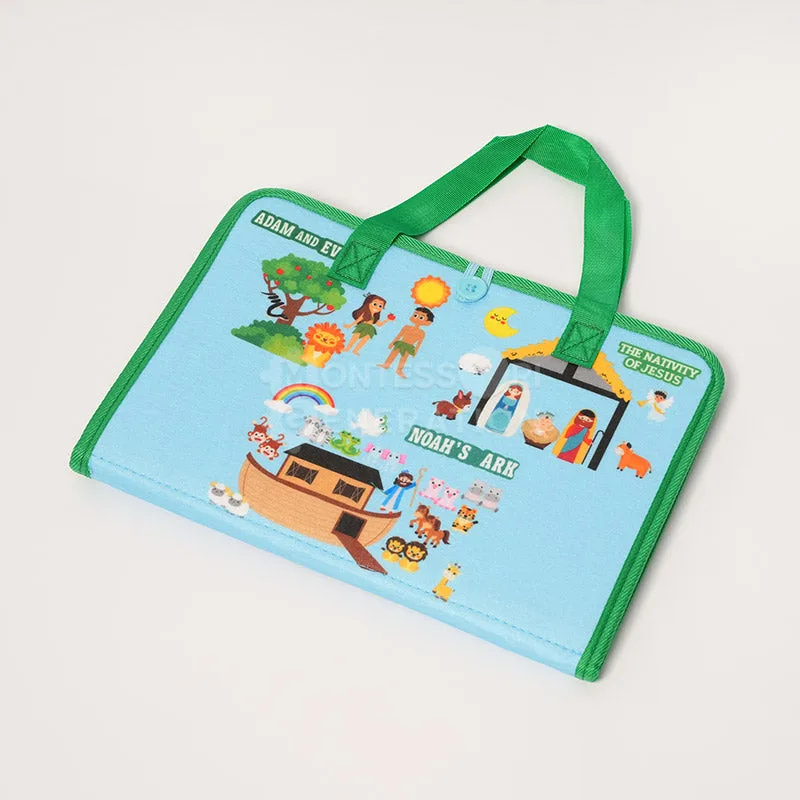
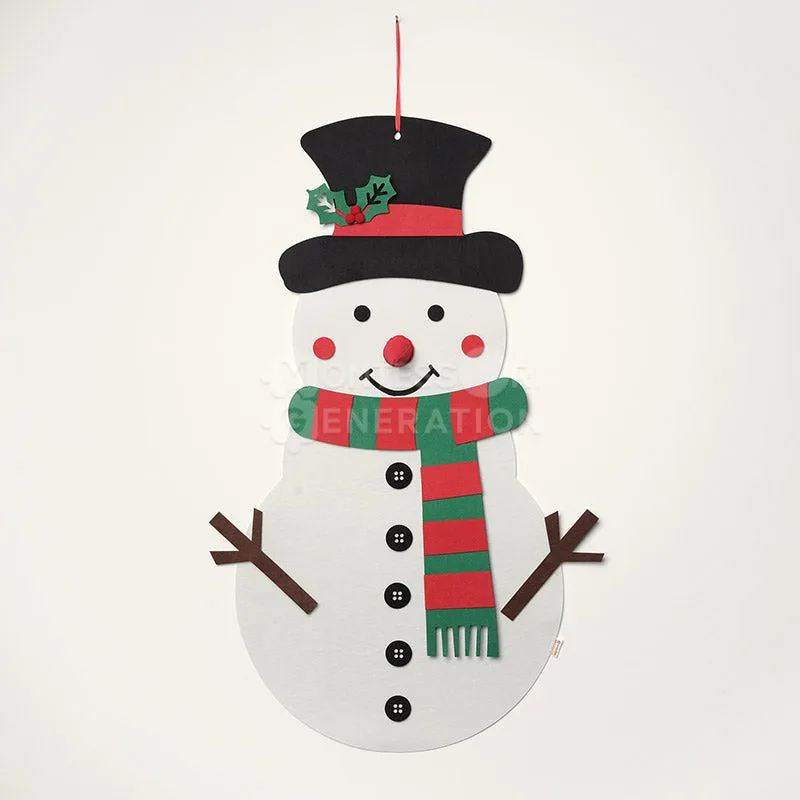
Not all wooden toys are the same. The Montessori Bible Storyboard is made from felt materials and should be spot-cleaned only—avoid liquids. The Montessori Christmas Tree is also felt and should be spot-cleaned. For wooden toys with magnets or moving parts, like the Montessori Carrot Wheels, keep water away from the magnetic components and dry everything carefully.
The Montessori Bow and Arrow Set is made of eco-friendly wood and can be cleaned with a damp cloth and mild soap, then dried immediately. The Montessori Wooden Camera has a similar care routine. Always read the specific care instructions that come with your toy—they’re your best guide.
- Felt toys: spot clean only, never soak.
- Wooden toys with paint: avoid scrubbing; wipe gently.
- Toys with batteries: remove batteries before cleaning if possible, and keep liquids away.
Common mistakes to avoid
The biggest mistake is treating wooden toys like plastic ones. Soaking them, putting them in the dishwasher, or leaving them wet will damage the wood and paint. Another common error is using too much soap—residue can attract dirt and may irritate sensitive skin. Always wring out your cloth well and rinse with a clean damp cloth if needed.
Also, don’t use hot water. Lukewarm or cool water is safer for wood finishes. And never use abrasive cleaners or scouring pads, which can scratch the surface and remove paint. Finally, don’t store toys while they’re still damp; make sure they’re completely dry before putting them away.
- No dishwashers, no soaking, no hot water.
- Avoid all-purpose sprays with harsh chemicals.
- Dry immediately—don’t let toys air-dry.
Your 5-step wooden toy cleaning routine
- 1. Remove loose dirt: Wipe the toy with a dry, soft cloth or brush to remove crumbs, dust, and debris. This prevents grinding dirt into the surface when you wipe with a damp cloth. Checkpoint: The toy should be free of visible particles before you introduce any moisture.
- 2. Wipe with a barely damp soapy cloth: Dip a cloth in lukewarm water with a drop of mild soap, wring it out thoroughly, and wipe all surfaces. The cloth should feel damp, not wet. For crevices, use a soft toothbrush. Mistake to avoid: A dripping cloth can leave puddles that seep into wood grain.
- 3. Dry immediately: Use a clean, dry cloth to wipe the toy dry right after cleaning. Don’t let it air-dry. Pay special attention to joints, holes, and moving parts. Checkpoint: The surface should feel completely dry to the touch before you set it down.
- 4. Sanitize only when needed: For extra hygiene, lightly mist a cloth with diluted vinegar (1:3) or a toy-safe sanitizer and wipe the surface. Let it sit for 30 seconds, then wipe with a clean damp cloth and dry immediately. Mistake to avoid: Spraying liquid directly onto the toy, which can pool in crevices and damage the finish.
- 5. Store dry and inspect regularly: Once the toy is completely dry, store it in a dry place. Check wooden toys monthly for cracks, loose paint, or splinters. Address small issues with gentle sanding or touch-up if needed. Next step: Set a monthly reminder to inspect and clean your wooden toys so they stay safe and beautiful.
Product care facts from our catalog
- Montessori Wooden Camera: Material: high-quality eco-friendly wood, non-toxic paint. Care: Clean with a damp cloth and mild soap. Then dry with a clean damp cloth immediately. Avoid prolonged contact with liquids. This is a classic example of a wooden toy that needs a quick wipe-and-dry routine. Following these instructions keeps the paint vibrant and the wood smooth.
- Montessori Carrot Wheels: Contains soft felt pieces and magnetic worms. Care: Clean with a damp cloth and mild soap. Then dry with a clean damp cloth immediately. Avoid prolonged contact with liquids. The felt and magnetic parts require extra care. Keep water away from magnets and spot-clean felt to prevent matting or rust.
- Montessori Christmas Switch Board: Material: high-quality eco-friendly wood, some non-toxic plastic and metal parts. Care: Avoid contact with liquids. Clean with a dry cloth. Keep batteries (not included) screwed under the lid. Because it has electrical components, this toy should never be wiped with a damp cloth. A dry cloth is all you need to keep it clean and safe.
Cleaning wooden Montessori toys doesn’t have to be a chore. With a damp cloth, mild soap, and immediate drying, you can keep them hygienic and preserve their natural beauty for years of play. When in doubt, follow the manufacturer’s care instructions—they know the specific materials best. A little consistent care goes a long way.