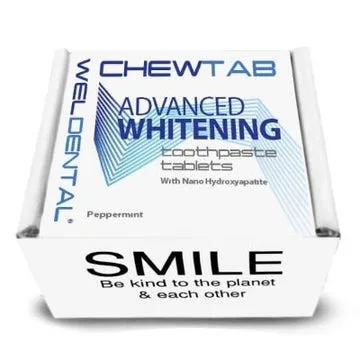
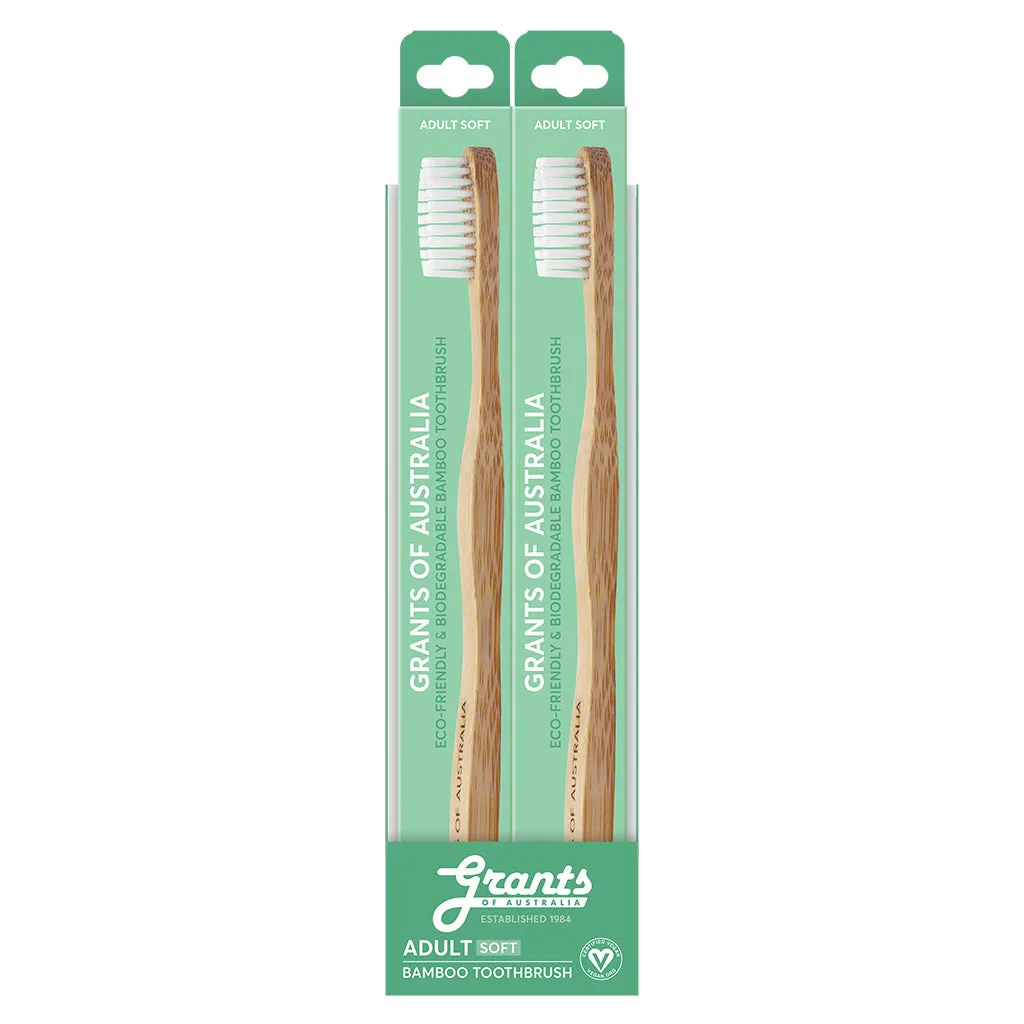
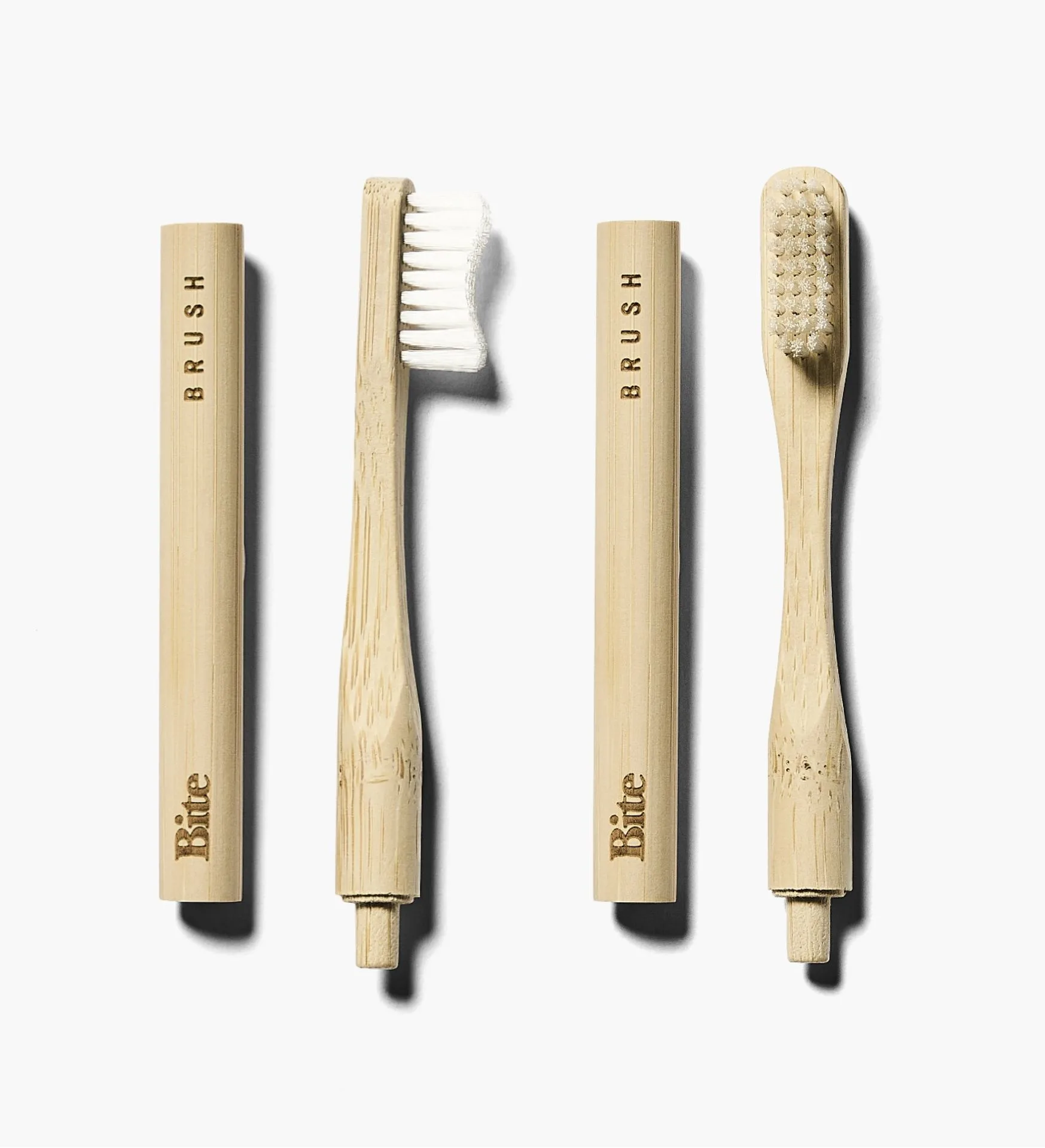
Switching to a bamboo toothbrush is a fantastic step toward a more sustainable oral care routine. But to get the most out of your eco-friendly brush—and to keep your mouth healthy—proper cleaning is essential. Bamboo is a natural material, which means it requires a bit more care than plastic to prevent bacteria buildup and maintain its integrity.
In this guide, we'll walk you through the best practices for cleaning, sanitizing, and storing your bamboo toothbrush. Whether you're using a classic bamboo handle or one with charcoal-infused bristles, these tips will help you extend its life and keep your smile fresh.
Why Proper Bamboo Toothbrush Hygiene Matters
Your toothbrush comes into contact with bacteria, food particles, and plaque every time you brush. Over time, these can accumulate on the bristles and handle, potentially leading to oral health issues. While bamboo naturally has antimicrobial properties, it's not immune to contamination. Regular cleaning ensures that your brush remains a tool for good oral hygiene, not a breeding ground for germs.
Additionally, bamboo is a porous material, which means it can absorb moisture and harbor bacteria if not dried properly. By following a few simple steps, you can keep your bamboo toothbrush clean, dry, and ready for use.
- Rinse your toothbrush thoroughly after each use to remove toothpaste and debris.
- Store it upright in a well-ventilated area to allow air drying.
- Avoid keeping it in a closed container, as this encourages moisture buildup.
Daily Cleaning Routine for Your Bamboo Toothbrush
The simplest and most effective way to clean your bamboo toothbrush is to rinse it with hot water before and after brushing. Hot water helps to loosen and wash away bacteria. After rinsing, shake off excess water and tap the bristles against your hand to remove any trapped particles.
For a deeper clean, you can occasionally soak the bristles in antibacterial mouthwash or a solution of water and baking soda. However, avoid soaking the bamboo handle for extended periods, as this can cause the wood to swell and crack. Instead, wipe the handle with a damp cloth and dry it immediately.
- Use a toothbrush cover with ventilation holes for travel, but ensure it's dry before storing.
- Never share your toothbrush with others, even family members.
How to Sterilize Your Bamboo Toothbrush
Sterilizing your bamboo toothbrush once a week can help eliminate stubborn bacteria and keep it fresh. One effective method is to soak the bristles in a 3% hydrogen peroxide solution for a few minutes, then rinse thoroughly. Alternatively, you can use boiling water—but be cautious: boiling can damage the bamboo handle. Instead, pour boiling water over the bristles only, or dip the bristles in hot water for a few seconds.
Another popular method is to use a UV sanitizer designed for toothbrushes. These devices kill bacteria without damaging the bamboo. If you don't have a sanitizer, a simple vinegar soak (one part vinegar to three parts water) for 30 minutes can also work. Rinse well afterward to avoid any lingering taste.
- Never put your bamboo toothbrush in the dishwasher or microwave.
- Replace your toothbrush every 3 months, or sooner if the bristles fray.
Storing Your Bamboo Toothbrush Correctly
Proper storage is key to keeping your bamboo toothbrush clean and durable. Always store it upright in a cup or holder that allows air circulation. Avoid leaving it on a damp countertop or in a closed drawer. If you travel, use a breathable travel case that lets moisture escape.
Bamboo is sensitive to extreme temperatures and humidity, so keep your toothbrush away from direct sunlight and steamy bathrooms. A well-ventilated area, like a bathroom cabinet with the door slightly open, is ideal.
- Consider having two toothbrushes and alternating them to allow complete drying.
- If you notice any mold or discoloration on the handle, it's time for a new brush.
Extending the Life of Your Bamboo Toothbrush
With proper care, a bamboo toothbrush can last as long as a plastic one. In addition to regular cleaning, handle your brush gently. Avoid bending the bristles or using excessive pressure while brushing. After each use, shake off excess water and store it correctly.
If you're using a charcoal-infused bamboo toothbrush, like the Adult Bamboo Toothbrush - Ultra Soft Charcoal, you might notice the charcoal bristles gradually lighten over time—this is normal and doesn't affect cleaning ability. Just remember to replace it every three months or when bristles start to splay.
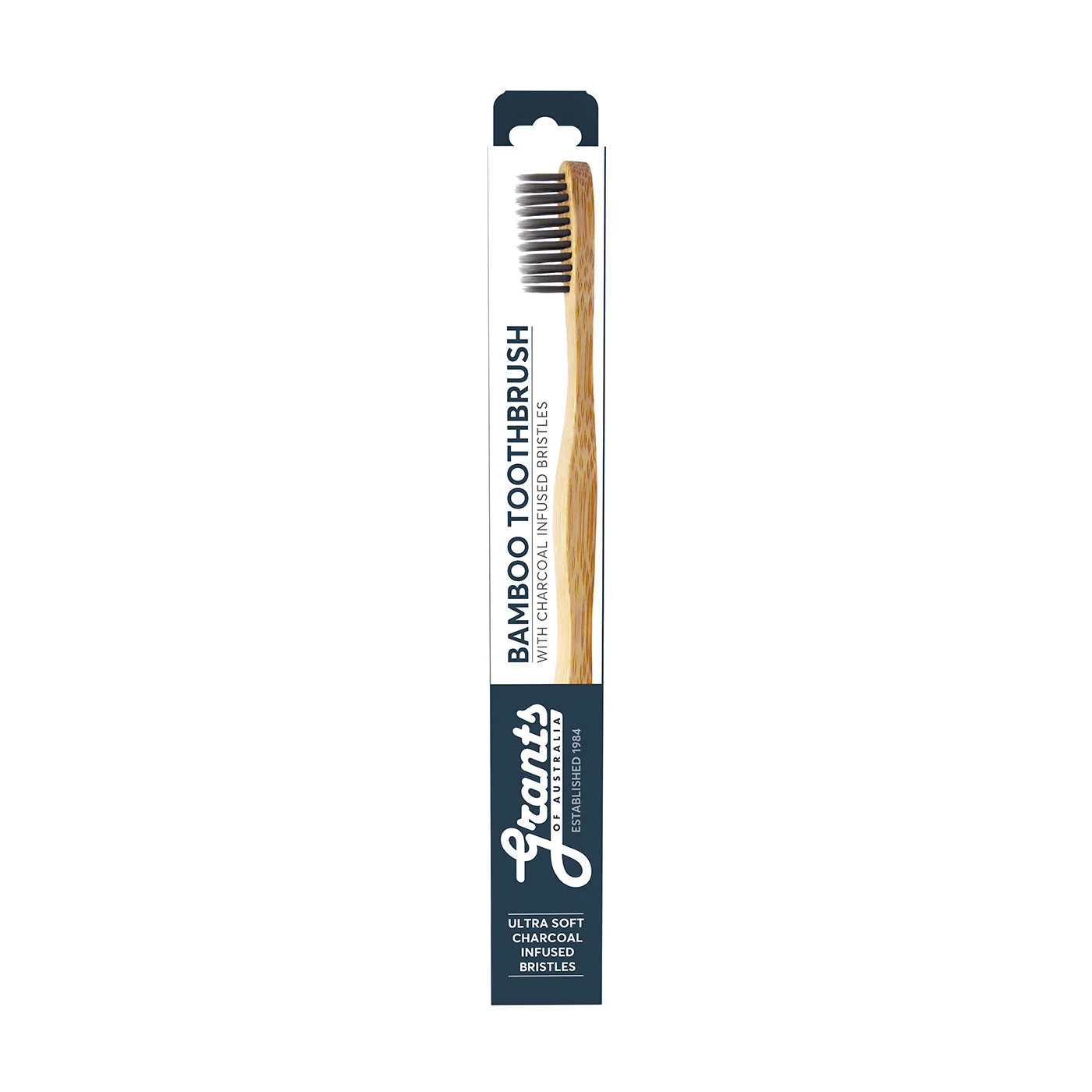
Adult Bamboo Toothbrush - Ultra Soft Charcoal
- Use a soft-bristled brush to protect your gums and enamel.
- Pair your bamboo toothbrush with a natural toothpaste for a complete eco-friendly routine.
Eco-Friendly Disposal of Your Bamboo Toothbrush
One of the biggest advantages of bamboo toothbrushes is their biodegradability. When it's time to replace your brush, you can compost the handle after removing the bristles. Most bamboo toothbrush bristles are made from nylon, which is not compostable, so remove them with pliers and dispose of them properly. The bamboo handle will break down naturally in a compost pile.
If you're not a composter, you can repurpose the handle for crafts or plant markers. This way, you're truly minimizing waste.
- Check if your local recycling program accepts nylon bristles.
- Some brands offer take-back programs for used brushes.
Cleaning your bamboo toothbrush properly is simple and ensures both oral hygiene and product longevity. By incorporating these habits into your daily routine, you'll enjoy a fresh, eco-friendly brushing experience. Ready to upgrade your oral care? Explore our range of natural toothbrushes and toothpastes to find your perfect match.