Your tactical backpack is more than just a bag; it's a critical piece of gear that carries your mission-essential equipment. Whether you're on a weekend hike or a demanding operation, your backpack endures dirt, sweat, rain, and rough handling. Over time, this accumulation of grime can degrade materials, compromise zippers, and even harbor bacteria. Proper cleaning not only extends the life of your pack but also ensures it performs when you need it most.
In this guide, we'll walk you through the best practices for cleaning your tactical backpack, from pre-cleaning preparation to drying and storage. We'll also cover specific care tips for different materials and features, so you can keep your gear in top condition. Whether you own a simple daypack or a feature-rich model like the Agilite Trucker Hat (though that's a hat, not a backpack), the principles remain the same.
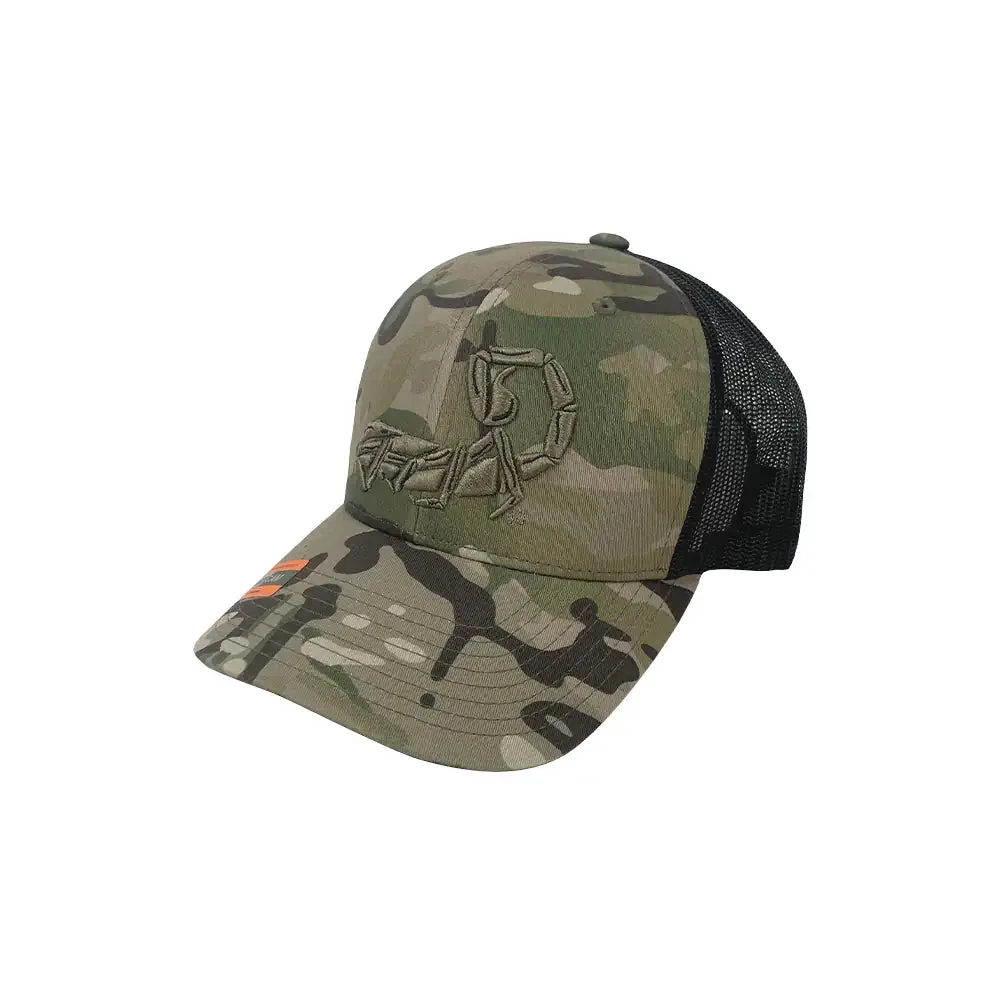
Agilite Trucker Hat
Why Cleaning Your Tactical Backpack Matters
Tactical backpacks are built to withstand harsh conditions, but they are not immune to wear and tear. Dirt and grit can act as abrasives, wearing down fabric and stitching over time. Moisture from sweat or rain can lead to mold and mildew, which not only smells but can also weaken materials. Additionally, accumulated salts and oils from your skin can corrode metal components like zippers and buckles.
Regular cleaning removes these contaminants, preserving the integrity of your gear. It also allows you to inspect your backpack for any damage, such as loose seams or worn straps, so you can address issues before they become critical. A clean backpack is also more comfortable to wear and less likely to cause skin irritation.
- Prevents fabric abrasion and extends lifespan
- Avoids mold and mildew growth
- Ensures zippers and buckles function smoothly
- Allows for early detection of damage
Before You Start: Pre-Cleaning Preparation
Before you begin washing, empty your backpack completely. Check every pocket and compartment, including hidden ones, to remove all items. Use a soft brush or a vacuum cleaner with a brush attachment to remove loose dirt and debris from the exterior and interior. Pay special attention to seams and corners where dirt tends to accumulate.
If your backpack has a removable frame or internal stiffeners, take them out if possible. For packs with a hydration reservoir, remove it and clean it separately according to the manufacturer's instructions. Also, close all zippers and fasten any buckles to prevent them from snagging during washing.
- Empty all pockets and compartments
- Remove loose dirt with a brush or vacuum
- Detach any removable parts like frames or hydration bladders
- Close zippers and fasten buckles
Hand Washing vs. Machine Washing: Pros and Cons
When it comes to cleaning your tactical backpack, you have two main options: hand washing or machine washing. Hand washing is the gentlest method and is recommended for high-quality packs with delicate materials or complex features. It gives you full control over the process and reduces the risk of damage.
Machine washing is convenient but can be harsh on your gear. The agitation and spinning can stress seams, bend frames, and damage coatings. If you choose to machine wash, use a front-loading machine without a center agitator, place the backpack in a mesh laundry bag, and use a gentle cycle with cold water. However, for most tactical backpacks, hand washing is the safer choice to ensure longevity.
- Hand washing is gentle and recommended for delicate gear
- Machine washing is faster but riskier
- If machine washing, use a mesh bag and gentle cycle
Step-by-Step Hand Washing Instructions
Fill a bathtub or large basin with lukewarm water and add a mild detergent. Choose a detergent that is free of harsh chemicals, bleach, and fabric softeners, as these can damage the fabric and water-repellent coatings. Submerge the backpack and gently scrub it with a soft brush or cloth, focusing on heavily soiled areas.
Pay extra attention to the bottom of the pack, the shoulder straps, and the back panel, as these areas come into contact with your body and the ground. Use a gentle circular motion to lift dirt without rubbing too hard. After scrubbing, rinse thoroughly with clean water until all soap residue is gone. Residual detergent can attract dirt and cause skin irritation.
- Use lukewarm water and a mild detergent
- Scrub gently with a soft brush
- Rinse thoroughly to remove all soap
Drying and Storing Your Tactical Backpack
Proper drying is crucial to prevent mold and mildew. After rinsing, gently squeeze out excess water without wringing or twisting the fabric. Hang the backpack in a well-ventilated area away from direct sunlight, as UV rays can fade and weaken materials. Do not use a dryer, as the heat can damage the fabric and any coatings.
Once completely dry, store your backpack in a cool, dry place. Avoid compressing it for long periods, as this can deform the padding and reduce its protective qualities. If your backpack has a rain cover, store it separately to allow air circulation. Regular cleaning and proper storage will keep your backpack ready for action.
- Air dry in a shaded, ventilated area
- Never use a dryer or direct heat
- Store uncompressed in a cool, dry place
Caring for Specific Materials and Features
Tactical backpacks often feature specialized materials like Cordura nylon, which is durable but can be sensitive to harsh cleaning agents. Always check the manufacturer's care label for specific instructions. For water-repellent coatings, you may need to reapply a DWR (durable water repellent) treatment after cleaning to restore performance.
If your backpack has metal hardware, such as buckles and zippers, avoid soaking them for extended periods. After washing, dry them thoroughly and apply a small amount of lubricant to zippers to keep them moving smoothly. For packs with MOLLE webbing, use a stiff brush to remove dirt from the webbing without damaging it.
- Check care labels for specific instructions
- Reapply DWR treatment if needed
- Lubricate zippers after drying
Common Mistakes to Avoid
One of the most common mistakes is using bleach or strong detergents, which can strip protective coatings and weaken fabrics. Another is machine drying, which can shrink or melt synthetic materials. Avoid scrubbing too aggressively, as this can damage the fabric's surface. Also, don't neglect to clean the inside of your backpack; odors and bacteria can accumulate there.
Finally, don't wait too long between cleanings. Regular maintenance is easier than deep cleaning after months of neglect. A quick wipe-down after each use can go a long way in keeping your backpack in pristine condition.
- Avoid bleach and strong detergents
- Never machine dry
- Don't scrub too hard
- Clean the interior regularly
Cleaning your tactical backpack doesn't have to be a chore. With the right techniques and a little regular maintenance, you can keep your gear in top condition for years. Remember to always check the manufacturer's instructions and use gentle methods. For more tips on caring for your tactical gear, explore our range of products like the Agilite Beanie and other accessories designed to complement your setup.

Agilite Beanie