Quick answer
Use 1 gram of green tea blend per 100 ml of cold filtered water, refrigerate for 8–12 hours, then strain the leaves out. Cold water extracts flavor slowly and leaves most bitter compounds behind, so you get a smooth, bitterness-free green tea without any special equipment. Floral blends like jasmine or lemongrass work especially well because their aromatics hold up in cold water.
Why cold water changes the cup
Hot water pulls out catechins and caffeine quickly, and if you overshoot the time or temperature, those same compounds turn sharp and astringent. Cold water extracts them far more slowly, so the resulting liquor tastes rounder and sweeter even if you forget about it for a few extra hours. This is why cold brew green tea is the easiest route to bitterness-free green tea for anyone who has ever scorched a hot brew.
The tradeoff is time and a slightly softer aroma. You will not get the same immediate, high-pitched floral lift you get from a 2-minute hot steep, but you gain a clean, refreshing base that works over ice or straight from the fridge.
Pick a blend that cold brews well
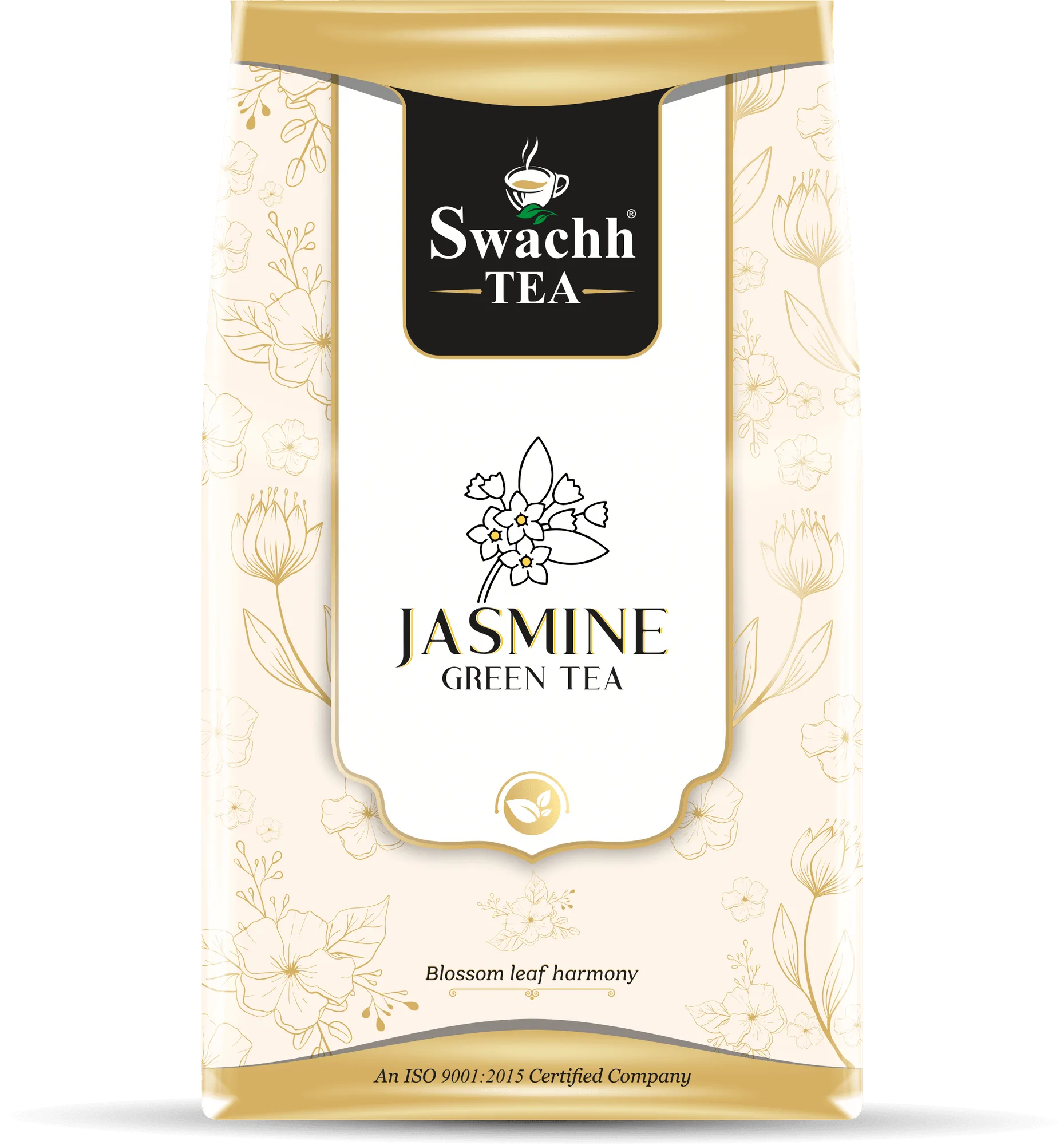
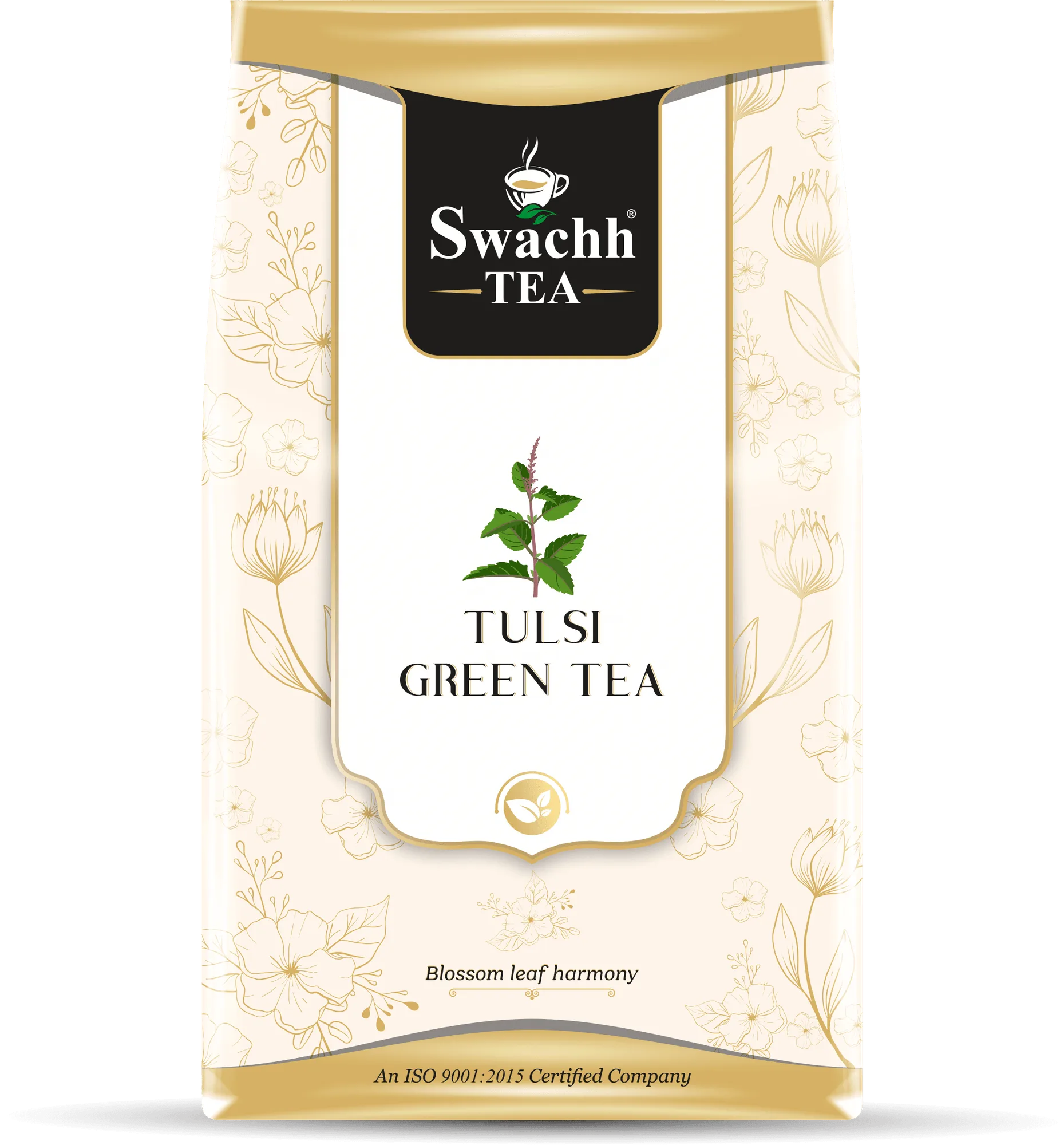
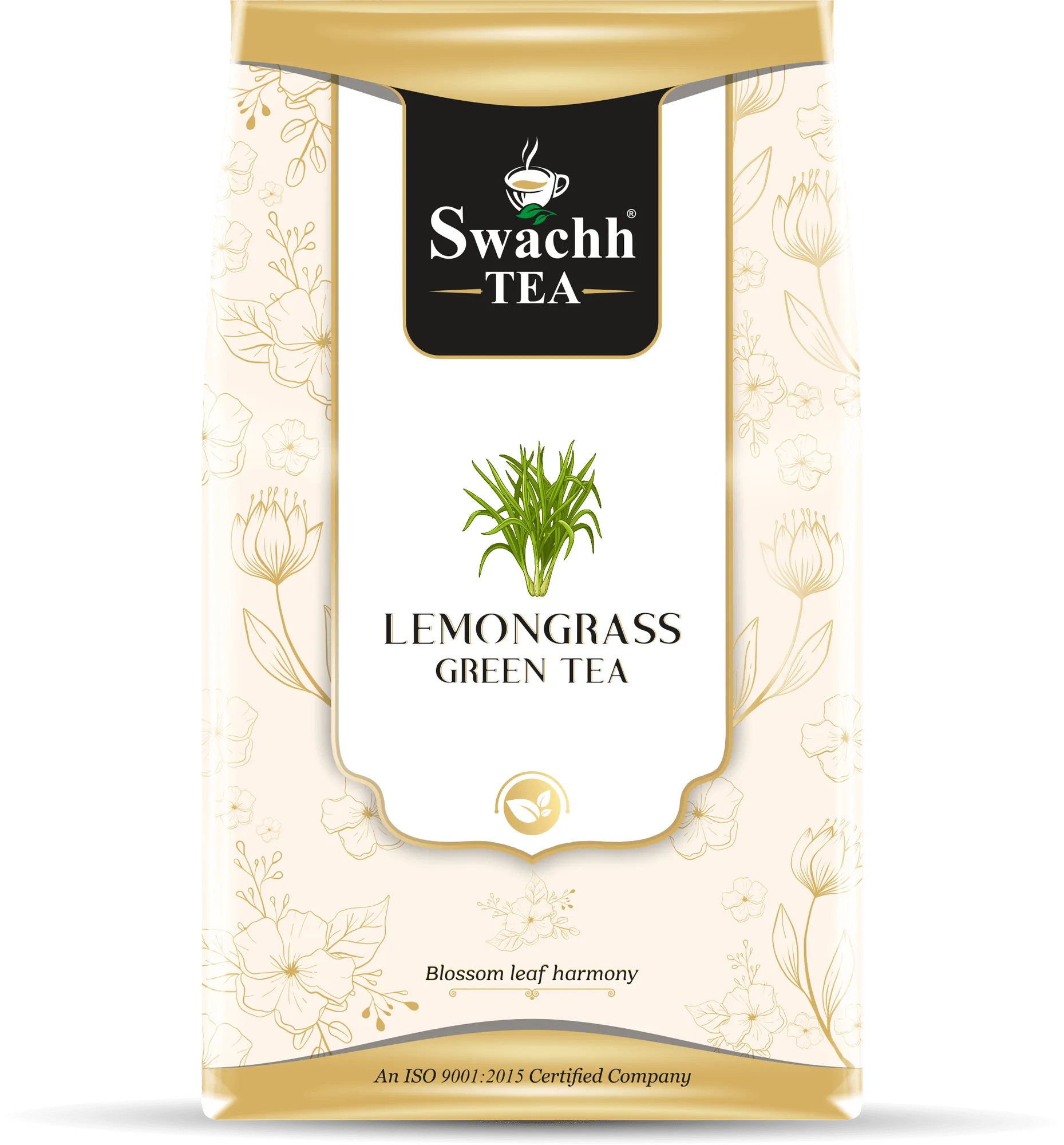
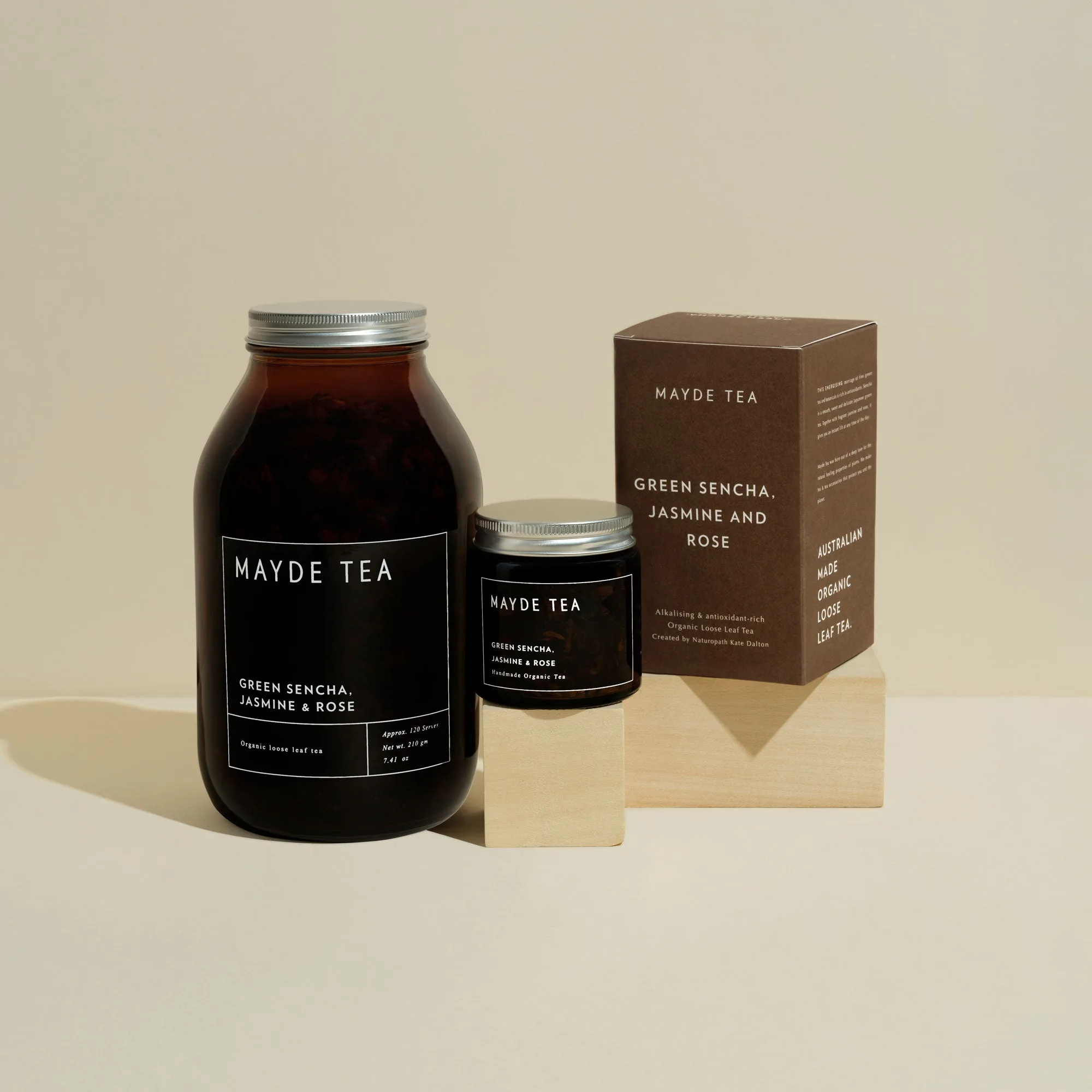
Not every green tea blend is built for cold water. Blends with added floral or citrus elements tend to shine because their aromatics are water-soluble even at low temperatures. Jasmine Green Tea, for example, pairs premium green tea leaves with jasmine flowers, and that floral note comes through clearly in a cold brew. Lemongrass Green Tea brings bright citrusy notes that stay lively over ice. Tulsi Green Tea leans earthy and herbal, which cold brewing softens into something almost savory.
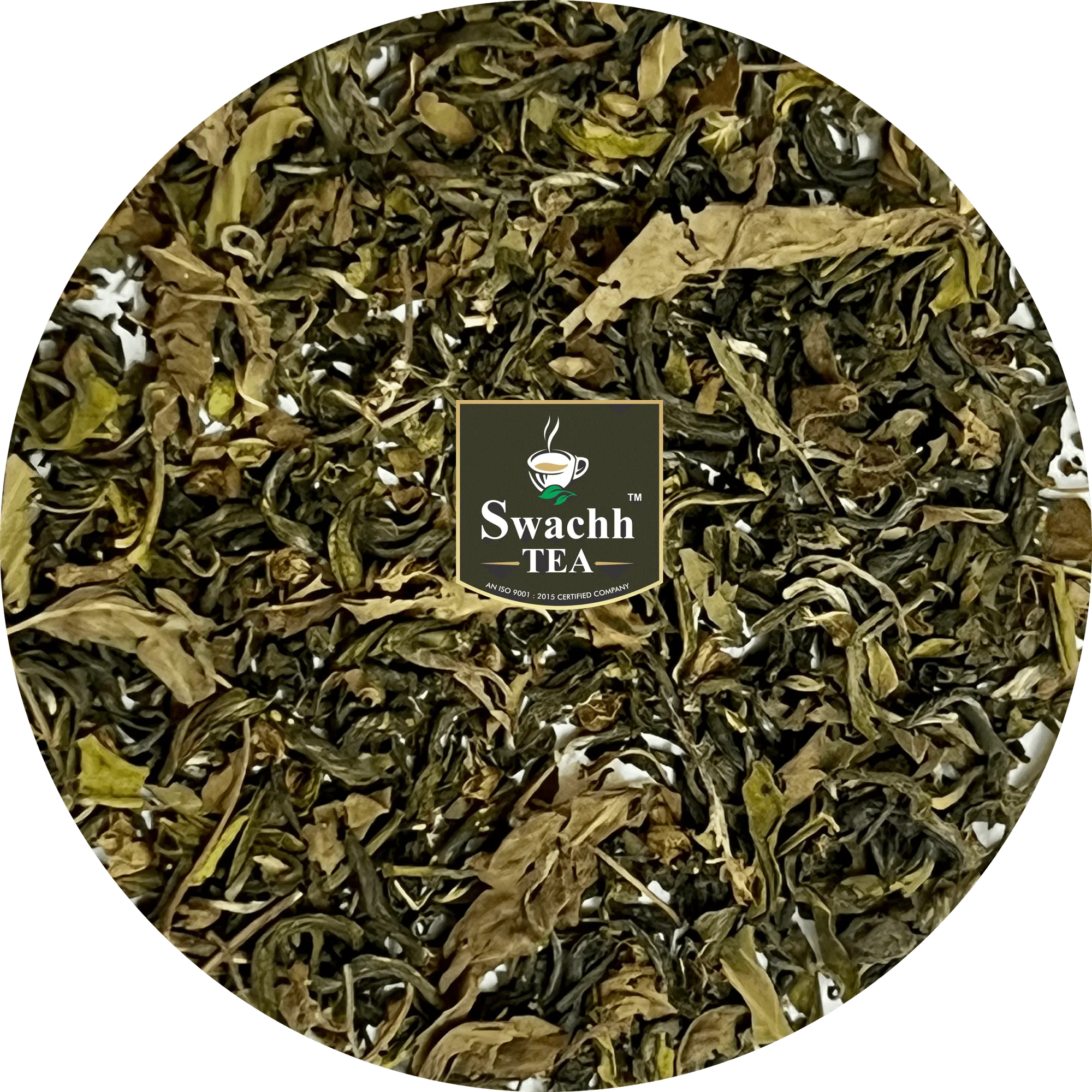
Tulsi Green Tea
If your blend has large dried petals or whole leaf pieces, expect a slightly longer steep. If it is finely cut, check it earlier so it does not over-extract.
The ratio that keeps it smooth
A reliable starting point is 1 gram of tea per 100 ml of water, which is roughly 1 teaspoon of most loose blends per 250 ml (about 1 cup). If you want a stronger concentrate for pouring over ice, double the tea but keep the water the same, then dilute to taste. Always start with cold, filtered water. Tap water with heavy minerals or chlorine can flatten the floral notes you are trying to preserve.
Weigh the tea if you can. Volume measurements vary a lot depending on how fluffy the blend is, and a scale removes the guesswork from batch two onward.
Straining and storing the brew
After 8–12 hours, pour the brew through a fine-mesh strainer or a paper filter. Do not squeeze the leaves; pressing them releases the bitter compounds you just spent hours avoiding. Store the strained tea in a sealed jar in the fridge and drink it within 3–4 days. It will not spoil quickly, but the aroma fades after the first couple of days.
If you brewed a concentrate, label the jar so no one mistakes it for ready-to-drink tea and pours a full glass.
Cold brew steps at a glance
- 1. Measure tea and cold water: Use 1 g of green tea blend per 100 ml of cold filtered water. For a 1-liter batch, that is 10 g of tea. A kitchen scale gives the most consistent results. Mistake to avoid: guessing with a tablespoon. Fluffy blends vary too much in density.
- 2. Combine in a clean jar: Add the tea to the water, stir once, and cover. Glass or food-grade plastic both work; avoid reactive metal containers that can affect flavor over long steeps. Checkpoint: the leaves should be fully submerged, not floating in a dry clump.
- 3. Refrigerate 8–12 hours: Set a timer. Floral blends like jasmine are usually ready near the 8-hour mark; earthier blends like tulsi can go closer to 12. Taste at 8 hours and decide. Mistake to avoid: leaving it on the counter. Room-temperature cold brew can turn sour or ferment.
- 4. Strain without pressing: Pour through a fine-mesh strainer or paper filter into a clean jar. Let gravity do the work and resist pressing the leaves. Checkpoint: the liquid should be clear, not cloudy with fine particles.
- 5. Chill and drink within 3–4 days: Keep the strained tea sealed in the fridge. Serve over ice or dilute a concentrate to taste. Add citrus or mint only at serving time to keep the base fresh. Next step: adjust the ratio on your next batch—more tea for a bolder cup, less for a lighter one.
Blends that work well for cold brewing
- Jasmine Green Tea: Jasmine Green Tea blends premium green tea leaves with jasmine flowers for a floral infusion that supports a soothing, revitalizing cup. The floral aromatics survive cold extraction, so you get a fragrant iced green tea blend without adding sweetener.
- Lemongrass Green Tea: Lemongrass Green Tea combines premium green tea leaves with bright, citrusy lemongrass for an invigorating, soothing infusion. Citrus notes stay crisp over ice, making this a strong choice for lemongrass green tea iced preparations.
- Tulsi Green Tea: Tulsi Green Tea pairs premium green tea leaves with sacred tulsi (holy basil) leaves for a soothing, revitalizing blend that promotes overall well-being. The earthy, herbal character softens in cold water and works well if you prefer a less floral cold brew.