Quick answer
Cook brown rice pasta in plenty of boiling water, stir it for the first minute, and start tasting 2 minutes before the package time. Drain it immediately and rinse only if you are using it cold. The mush usually comes from too little water, a rolling boil that never stops, or leaving it sitting in hot water after it is done.
Why brown rice pasta turns mushy when wheat pasta does not
Brown rice pasta has no gluten, so it holds its shape differently. It releases more surface starch and softens from the outside in, which means the window between al dente and mushy is narrow. A large pot with a steady boil keeps the strands or elbows moving so they cook evenly instead of clumping and steaming.
The package time is a starting point, not a guarantee. Your stove, pot width, and altitude all change how fast the pasta hydrates. Treat the first batch as a calibration run and note the exact minute it hits the texture you like.
The water ratio and salt that protect the texture
Use at least 4 quarts of water for every 12 ounces of brown rice pasta. Less water means the starch concentration climbs fast, the water gets gluey, and the pasta sticks together. A wide pot gives the pieces room to swim, which is the simplest way to avoid a gummy exterior.
Salt the water after it reaches a rolling boil, about 1 tablespoon per 4 quarts. Salt added at the start slows the boil and does not meaningfully season the pasta. Do not add oil to the water. Oil floats, does nothing for sticking, and can make the finished pasta slippery so sauce slides off.
Stir, taste early, and drain before you think you should
Stir the pasta for the first 60 seconds so pieces do not settle and fuse. After that, stir every couple of minutes. Set a timer for 2 minutes less than the package directions and taste a piece straight from the pot. If it is still chalky in the center, give it 30 seconds and taste again.
The moment the center is tender with a slight bite, pour it into a colander. Do not leave it in the hot pot with the burner off, because residual heat keeps cooking it. If you are serving it hot with sauce, skip the rinse. If you are making pasta salad or storing it for later, rinse briefly under cool water to stop the cooking, then toss with a little olive oil.
Sauce and shape choices that hide nothing
Brown rice pasta has a slightly nutty flavor and a softer bite than wheat pasta, so pair it with sauces that cling rather than pool. Chunky tomato sauce, pesto, and bean-based sauces work well because they fill the gaps in elbows and penne. Thin, watery sauces drain to the bottom of the bowl and leave the pasta tasting plain.
If you are cooking for someone who is new to gluten free pasta, start with a shape that traps sauce. Elbows and penne both hold chunky mixtures better than long strands, and they are easier to taste for doneness because you can bite through the center cleanly.
Step-by-step: cooking brown rice pasta without the mush
- Boil more water than you think you need: Bring at least 4 quarts of water to a rolling boil in a wide pot for every 12 ounces of pasta. Add 1 tablespoon of salt once it is boiling. Checkpoint: the water should be moving freely, not crowded. If the pasta cannot move, use a bigger pot or cook in two batches.
- Add the pasta and stir for the first minute: Pour the pasta in and stir immediately, then keep stirring for 60 seconds so nothing settles on the bottom and sticks together. Common mistake: walking away right after adding the pasta. That first minute decides whether the pieces fuse.
- Taste 2 minutes before the package time: Set a timer for 2 minutes less than the package directions, pull one piece out, and bite the center. If it is chalky, cook 30 seconds more and taste again. Checkpoint: you want a tender center with a slight bite, not a soft center that gives no resistance.
- Drain immediately and skip the rinse for hot dishes: Pour the pasta into a colander as soon as it is al dente. Do not leave it in the hot pot. For hot pasta, do not rinse. For pasta salad or make-ahead meals, rinse briefly under cool water and toss with a little olive oil. Common mistake: rinsing hot pasta meant for sauce. Rinsing cools it and washes off the surface starch that helps sauce cling.
- Sauce it while it is hot: Return the drained pasta to the warm pot or a serving bowl and add sauce right away. Toss so the sauce reaches the hollow centers of elbows or penne. Next step: if the pasta sits before serving, keep it covered and reheat gently with a splash of sauce, not water.
Products that fit this method
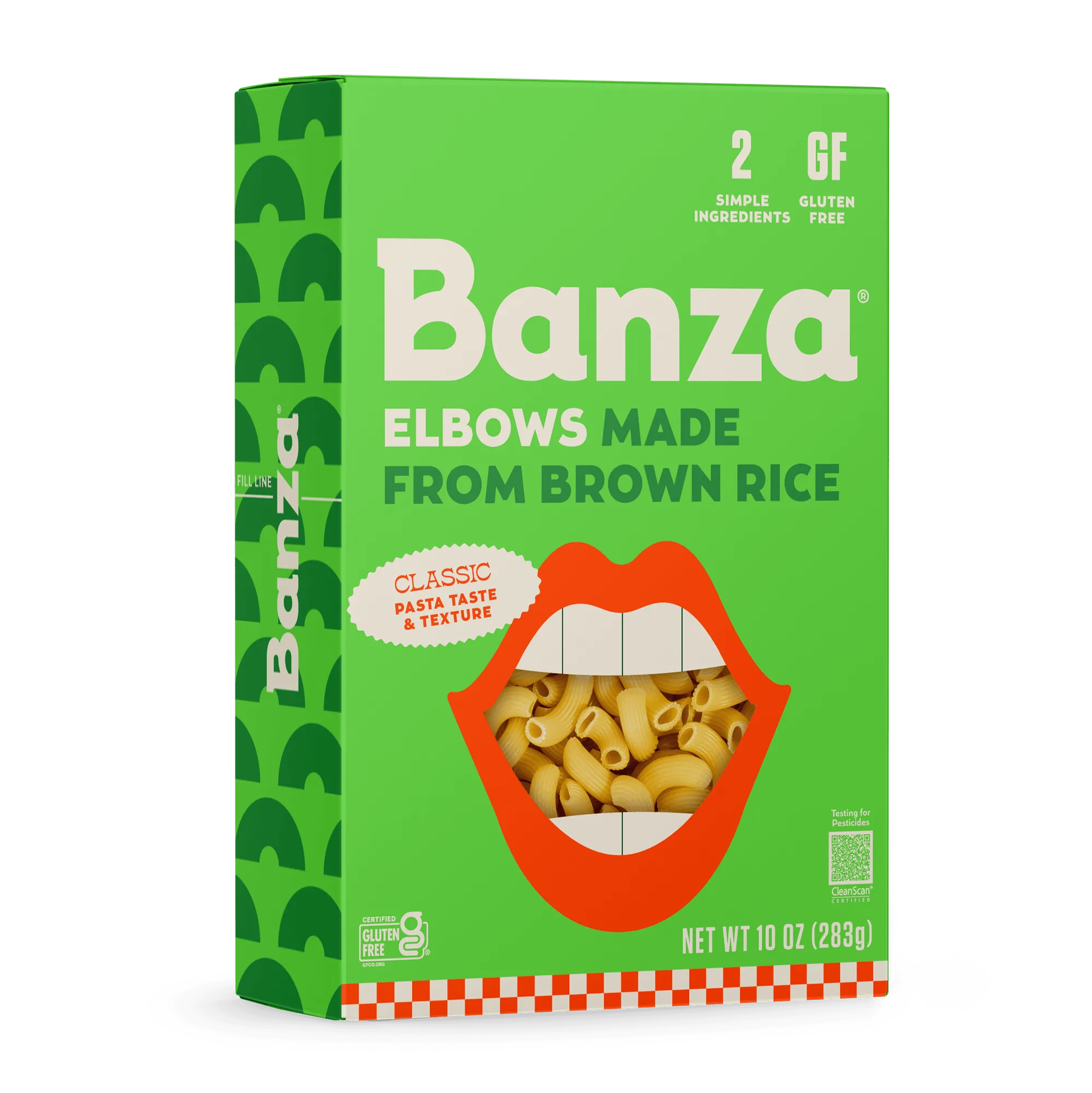
- Brown Rice Elbows: Brown Rice Elbows are made from brown rice and crafted for a classic pasta taste and texture with none of the gluten. The elbow shape traps chunky sauce and lets you check doneness at the center, which makes it a forgiving choice for a first batch.
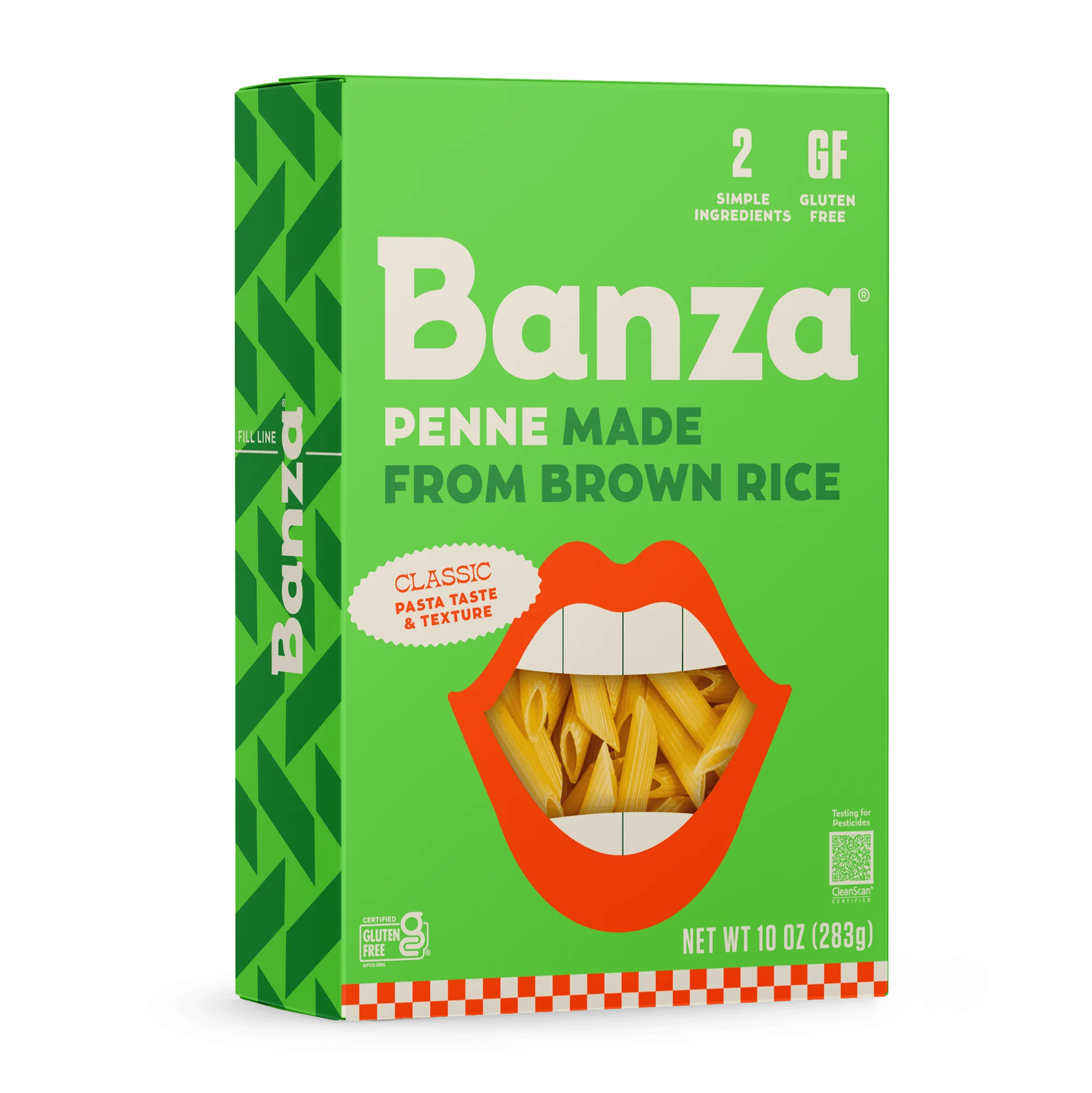
- Brown Rice Penne: Brown Rice Penne is made from brown rice and pairs well with protein like beans. Penne's ridges and hollow center hold bean-based sauces, so the pasta stays flavorful even if your sauce is on the thin side.
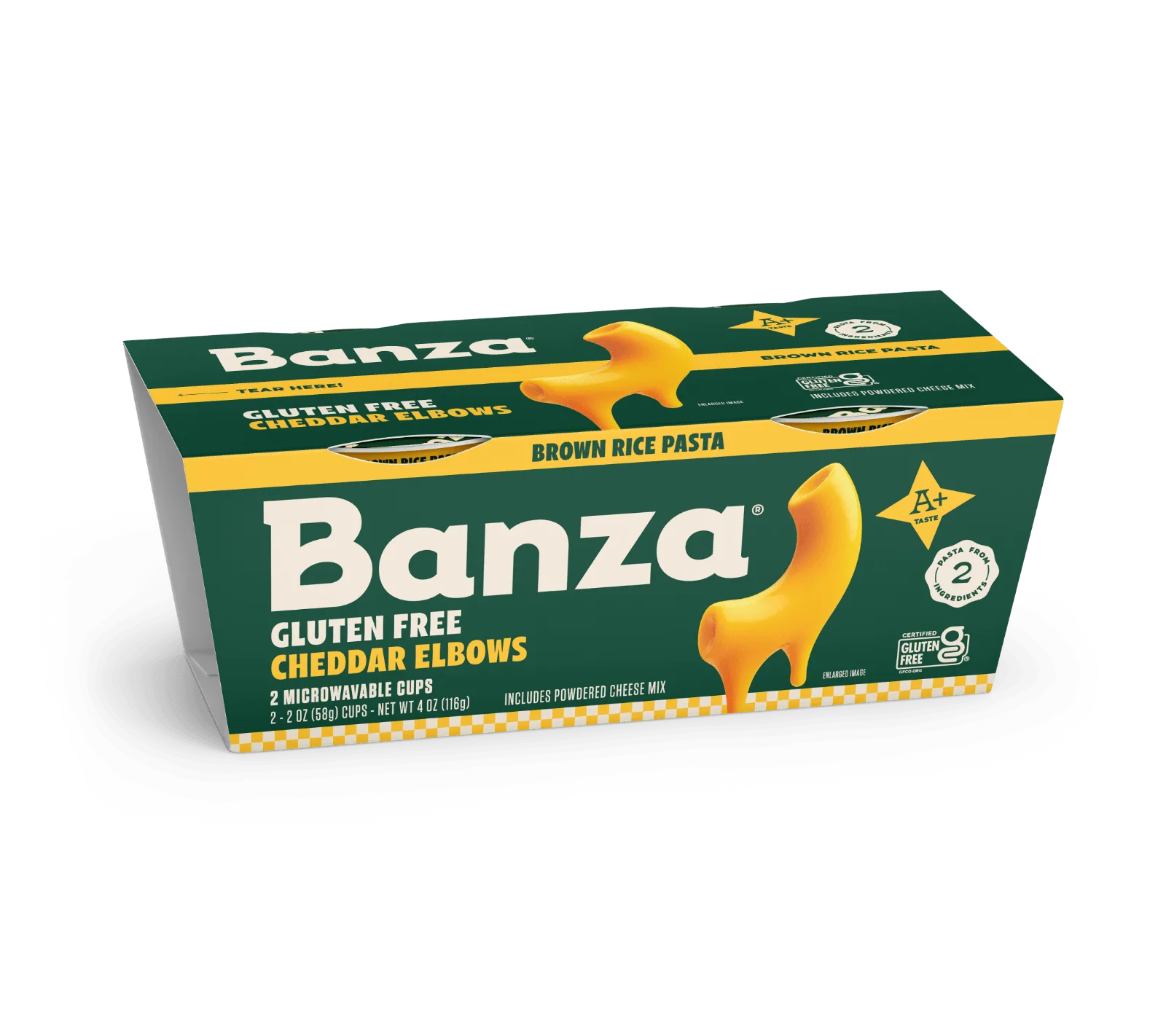
- Brown Rice Microwavable Cheddar Elbows: Brown Rice Microwavable Cheddar Elbows are a creamy mac and cheese made with brown rice pasta and crafted for classic pasta texture with none of the gluten. If you want the same brown rice texture without boiling and draining, this is the shortcut for nights when you are not watching a pot.