Quick Answer
To crack a bullwhip, start with a relaxed grip and a proper stance, then practice the basic forward crack: raise the whip overhead and snap it forward with a flick of the wrist. Begin with a longer, heavier whip like a nylon bullwhip to make the motion easier to learn.
Cracking a bullwhip is a skill that combines timing, technique, and practice. Whether you're inspired by Indiana Jones or interested in performance art, mastering the basic crack is the first step. This guide breaks down the process into simple steps, helping you build confidence and avoid common mistakes.
Before you start, choose a whip that suits your skill level. For beginners, a nylon bullwhip is often recommended because it's durable and forgiving. The Indiana Jones Style Whip with 16 strands of paracord offers a good balance of weight and flexibility, making it easier to learn the proper motion.
Choosing Your First Bullwhip
The right whip makes a significant difference when you're learning. Nylon whips are generally more affordable and require less maintenance than leather, making them ideal for beginners who are still practicing and may make mistakes. The Indiana Jones Style Whip with 16 strands of paracord is a popular choice because it's durable and has a good weight for learning.
If you prefer a more traditional feel, a kangaroo hide whip like the Indiana Jones Bull Whip offers superior performance but requires more careful handling. For practice, a longer whip (8 to 10 feet) is often easier to control because the motion is slower and more forgiving. Avoid very short whips initially, as they require faster wrist action.
- Start with a nylon whip if you're on a budget or want low maintenance.
- Choose a length between 6 and 10 feet for easier learning.
Safety First: Preparing Your Practice Area
Before you attempt your first crack, ensure you have a safe, open space. You need at least a 10-foot radius clear of people, animals, and fragile objects. Indoors is not recommended unless you have a dedicated space with high ceilings and no breakables.
Wear safety glasses to protect your eyes from accidental whip strikes, and consider gloves to prevent blisters. Always check your whip for any damage before each session, especially the fall and cracker at the end, as a worn cracker can affect performance and safety.
- Practice outdoors in a large, open area.
- Never aim the whip at yourself or others.
Understanding the Grip and Stance
Hold the whip handle with a relaxed but firm grip, similar to holding a tennis racket. Your dominant hand should be near the end of the handle, with your thumb pointing toward the thong. Keep your wrist flexible, not locked, to allow for a smooth snapping motion.
Stand with your feet shoulder-width apart, facing your target direction. Your body should be relaxed, with your knees slightly bent. This stance provides balance and allows you to rotate your hips and shoulders to generate power without straining your arm.
- Practice gripping the whip without tension in your arm.
- Your stance should feel natural and balanced.
Step-by-Step: The Basic Forward Crack
- Step 1: Position the whip: Hold the whip in your dominant hand, letting the thong trail behind you. Raise your arm so the whip is roughly at a 45-degree angle above your head, with the whip curving behind you. Checkpoint: The whip should not touch the ground or any object behind you.
- Step 2: Snap forward: In one smooth motion, bring your arm forward and downward, as if throwing a ball. At the last moment, flick your wrist sharply to accelerate the whip's tip. The crack occurs when the tip breaks the sound barrier. Common mistake: Using too much arm strength. The crack comes from wrist flick, not arm power.
- Step 3: Follow through: Let your arm continue its motion until it points toward the ground in front of you. Do not stop abruptly, as this can cause the whip to tangle. After the crack, allow the whip to settle before your next attempt. Checkpoint: If you feel a sharp sting on your back or arm, you're stopping the motion too early.
Bullwhips That Help Beginners Learn
- Indiana Jones Style Whip 6, 8, 10, 12, 14 & 16 Feet 16 Strands Bullwhip Para Cord Nylon Bull Whip with Leather Plaited Bellies: Material: Strongest Paracord/Nylon for Overlay. Cowhide Leather Plaited Bellies. Inside Construction of Whip: The thong made with Leather 'Core' (innermost layer). Two Cowhide Leather Bolsters. Two Cowhide Leather Braided Bellies of 4 Strands each. Paracord / Nylon 16 Plaits Braided Overlay. Handle is 09 inches long with Steel Rod inside. The combination of a steel rod handle and leather bellies gives this whip a balanced weight and durability, making it forgiving for beginners as they learn the cracking motion.
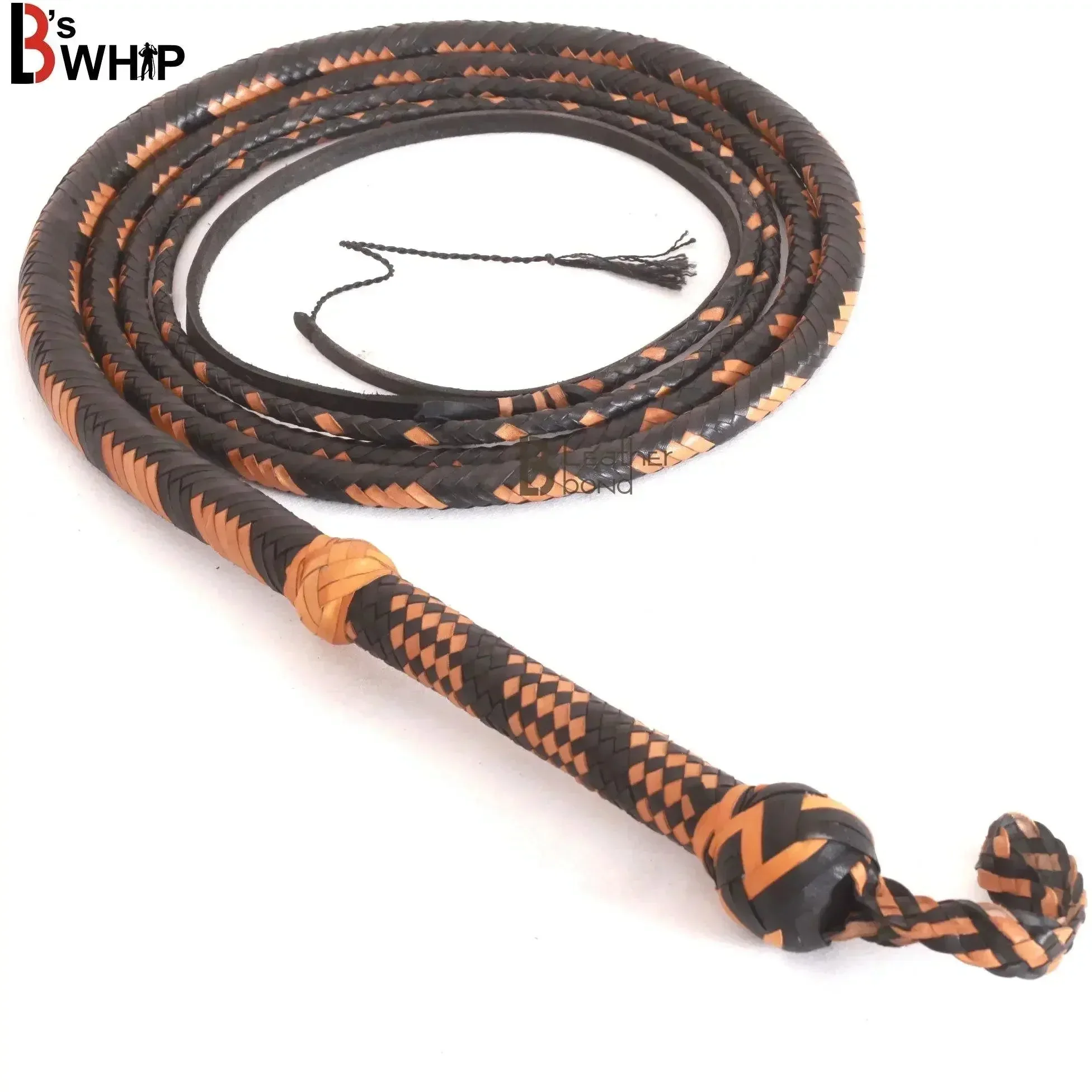
- Indiana Jones Bull Whip | Tan and Black Kangaroo Hide | 6 to 16 Feet | 16 Strands | Leather Belly and Bolster – Leather Bond: Two tones. One legendary crack. Zero compromise. Leather Bond presents the most visually striking bull whip in our entire handcrafted collection the Indiana Jones-inspired tan and black kangaroo hide masterpiece that turns heads before it ever leaves your hand. This is the premium leather bull whip that collectors obsess over and performers trust completely. Every great whip begins with what's inside and... Kangaroo hide is known for its strength and snap, offering a more traditional feel for those who want to progress to a premium leather whip after mastering the basics.
Learning to crack a bullwhip takes patience and practice, but with the right technique and a suitable whip, you'll soon achieve that satisfying snap. Start with the basic forward crack, practice consistently, and always prioritize safety. As you progress, you can explore more advanced patterns and techniques.