Quick Answer
Start by defining your space and play habits, then set a budget and choose games that fill specific roles. Organize by frequency of play, maintain your components, and regularly review your collection to keep it fresh and functional.
Building a board game library is more than just buying games you like. It's about curating a collection that suits your space, budget, and the people you play with. Whether you're a solo gamer or host regular game nights, a thoughtful approach helps you avoid clutter and buyer's remorse.
This guide walks you through a step-by-step process to create a board game library that you'll actually use and enjoy. You'll learn how to assess your needs, choose games with purpose, organize your shelves, and maintain your collection over time.
Assess Your Space and Play Habits
Before buying games, look at your available shelf space and storage. Measure the depth and height of your shelves to know what box sizes fit. Also, consider your typical group size and how often you play. If you mostly play solo, focus on solo-friendly games; if you host families, include party games.
Common mistake: buying games that don't fit your shelf or play style, leading to unused boxes. Checkpoint: list your top three play scenarios and the space you can dedicate. This guides every future purchase.
Define Your Collection's Purpose and Budget
Decide what your library should achieve: variety for game nights, deep strategy for a regular group, or compact games for travel. Set a monthly or yearly budget to avoid impulse buys. Quality over quantity is key—a few versatile games beat a shelf of dust collectors.
Tradeoff: You might want every new release, but a focused budget ensures you invest in games that get played. Checkpoint: write a one-sentence mission for your library, like 'a mix of light and medium games for 2-5 players.'
Choose Games with Roles in Mind
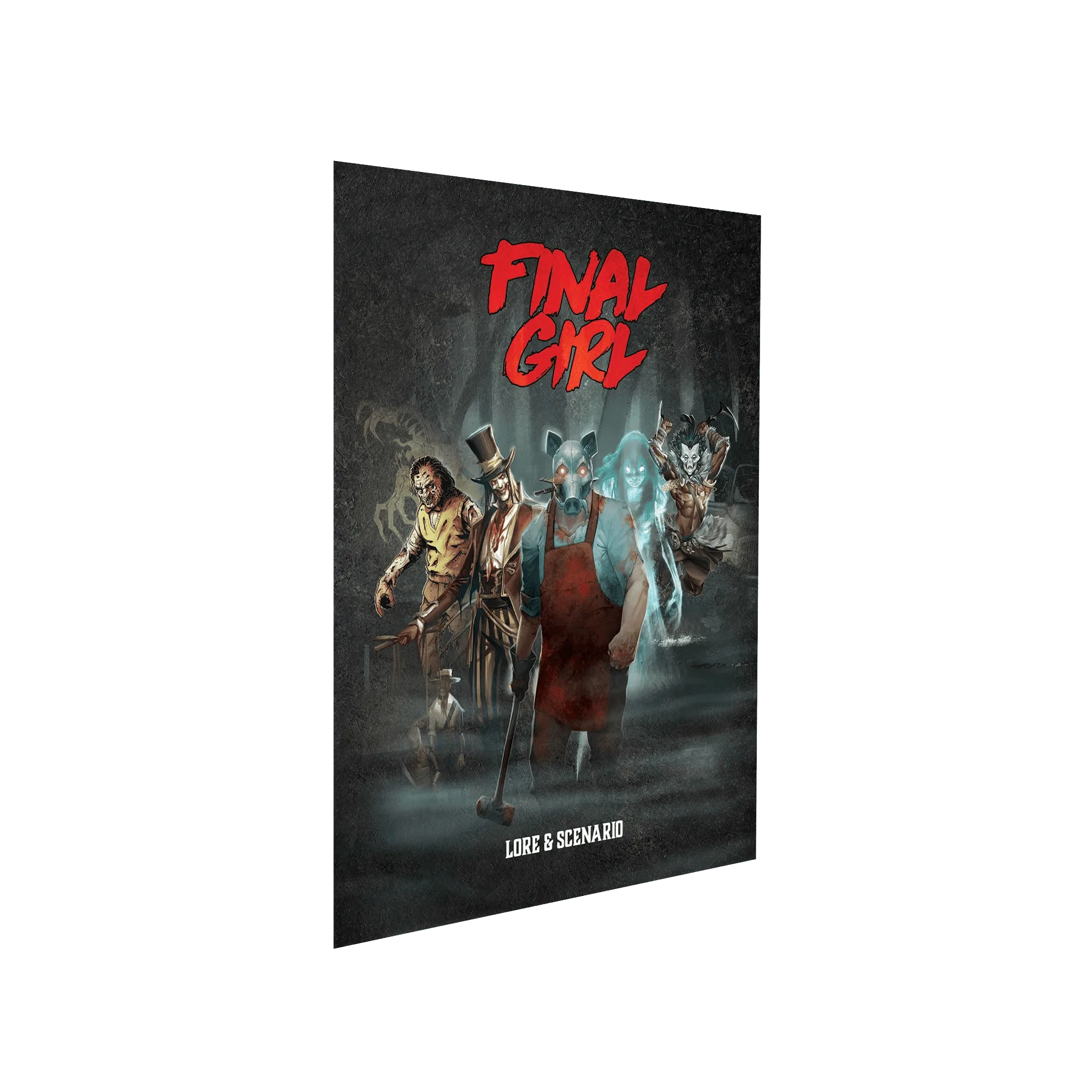
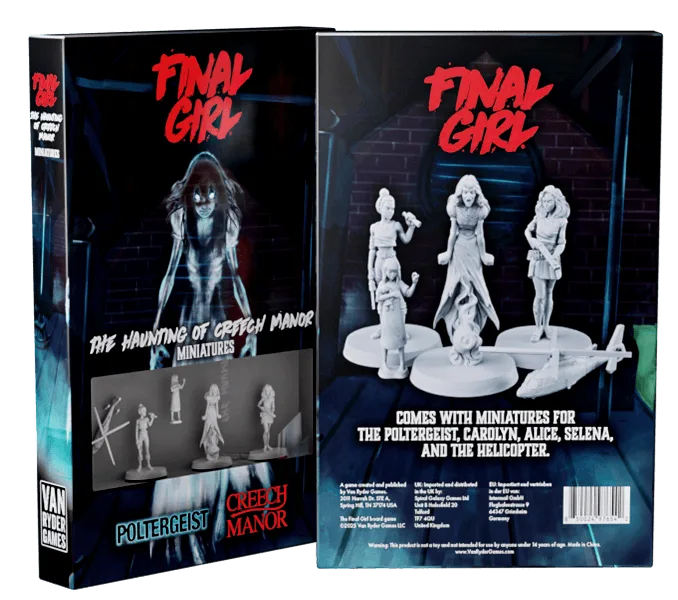
Curate a balanced collection by assigning each game a role: filler, gateway, strategy, party, solo, or thematic. For example, a quick filler like 'Moments' works for warm-ups, while a deeper solo game like 'Final Girl' offers immersive challenges. This prevents overlap and ensures you have something for every mood.
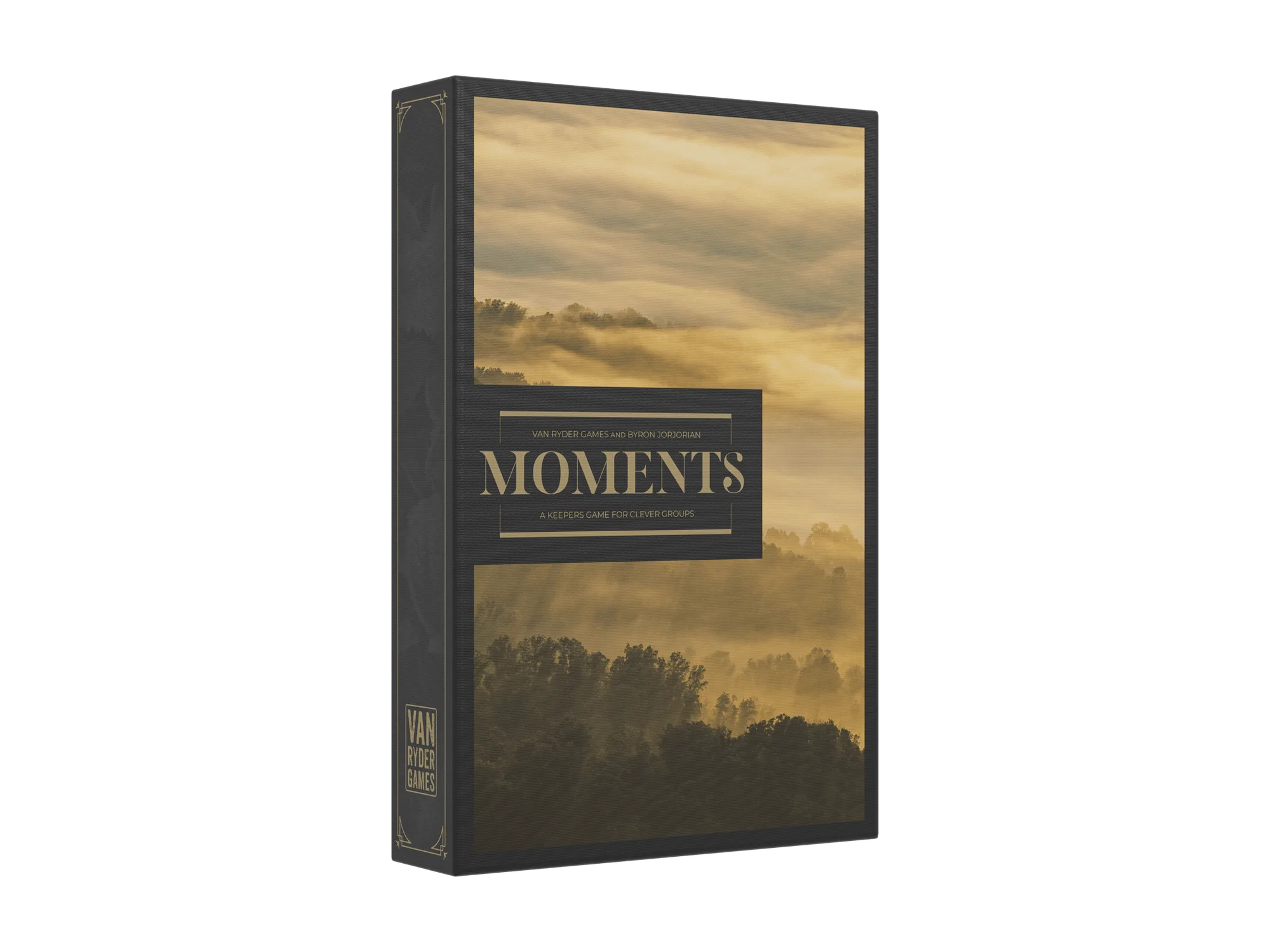
Moments
Common mistake: buying multiple games that fill the same niche, leading to redundancy. Checkpoint: before buying, ask 'What role does this fill that I don't already have?'
Organize Your Shelves for Easy Access
Organize by frequency of play or game weight, not just alphabetically. Keep favorites at eye level, and group expansions with their base games. Use shelf dividers or clear bins for small components. For a tidy look, store boxes vertically to avoid lid damage.
Board game shelf ideas: sort by player count or play time to quickly find a game. Checkpoint: your shelf should let you grab a game in under a minute without digging.
Maintain and Protect Your Collection
Protect cards with sleeves, especially for games you play often. Check for missing pieces after each session and store components in labeled bags. Keep boxes away from sunlight and humidity to prevent warping. For games with narrative content, like 'Final Girl: S1 Gruesome Death Books', handle them carefully to preserve the experience.
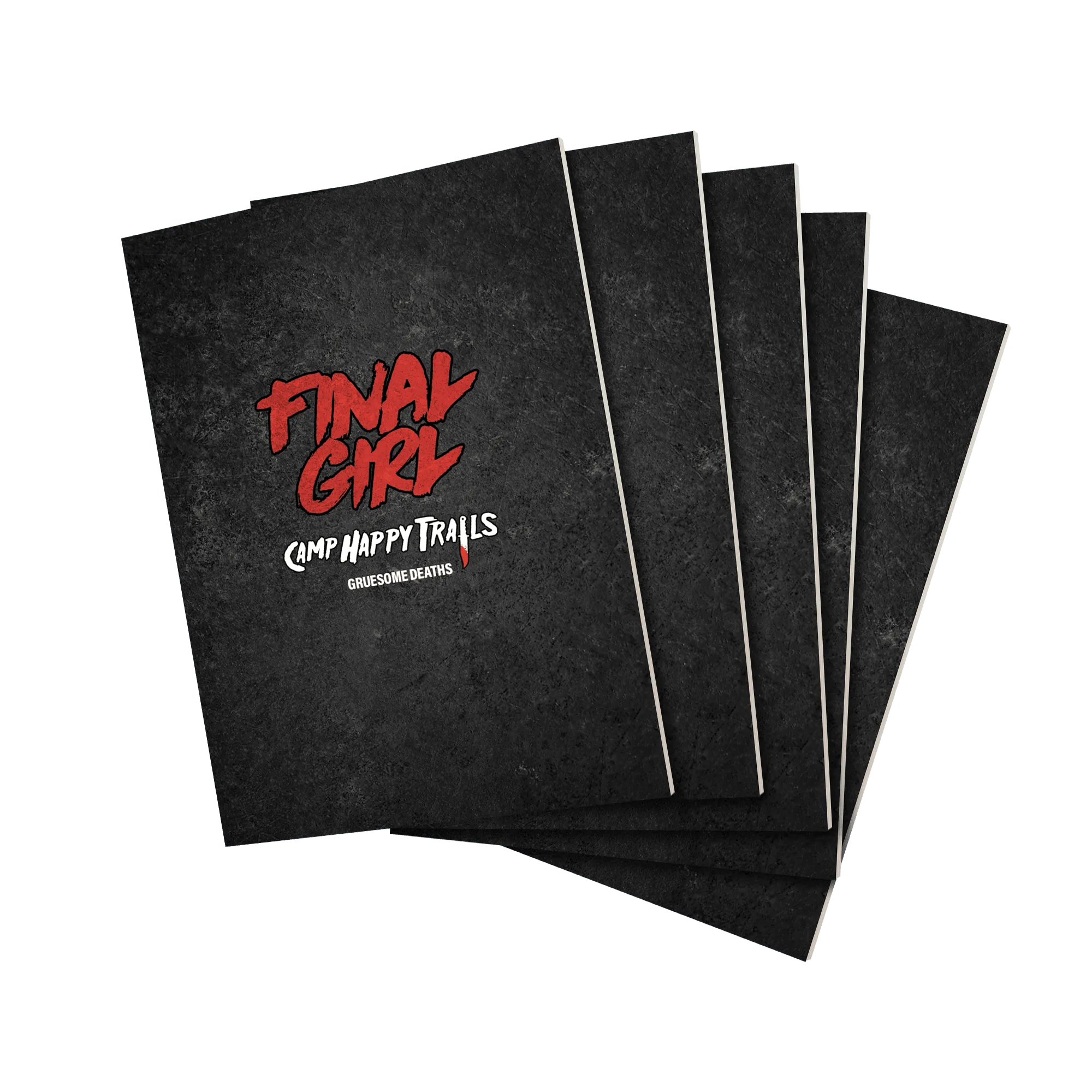
Final Girl: S1 Gruesome Death Books
Common mistake: neglecting wear and tear, leading to damaged games. Checkpoint: schedule a monthly 'game check' to clean and inventory your collection.
Regularly Review and Refresh Your Library
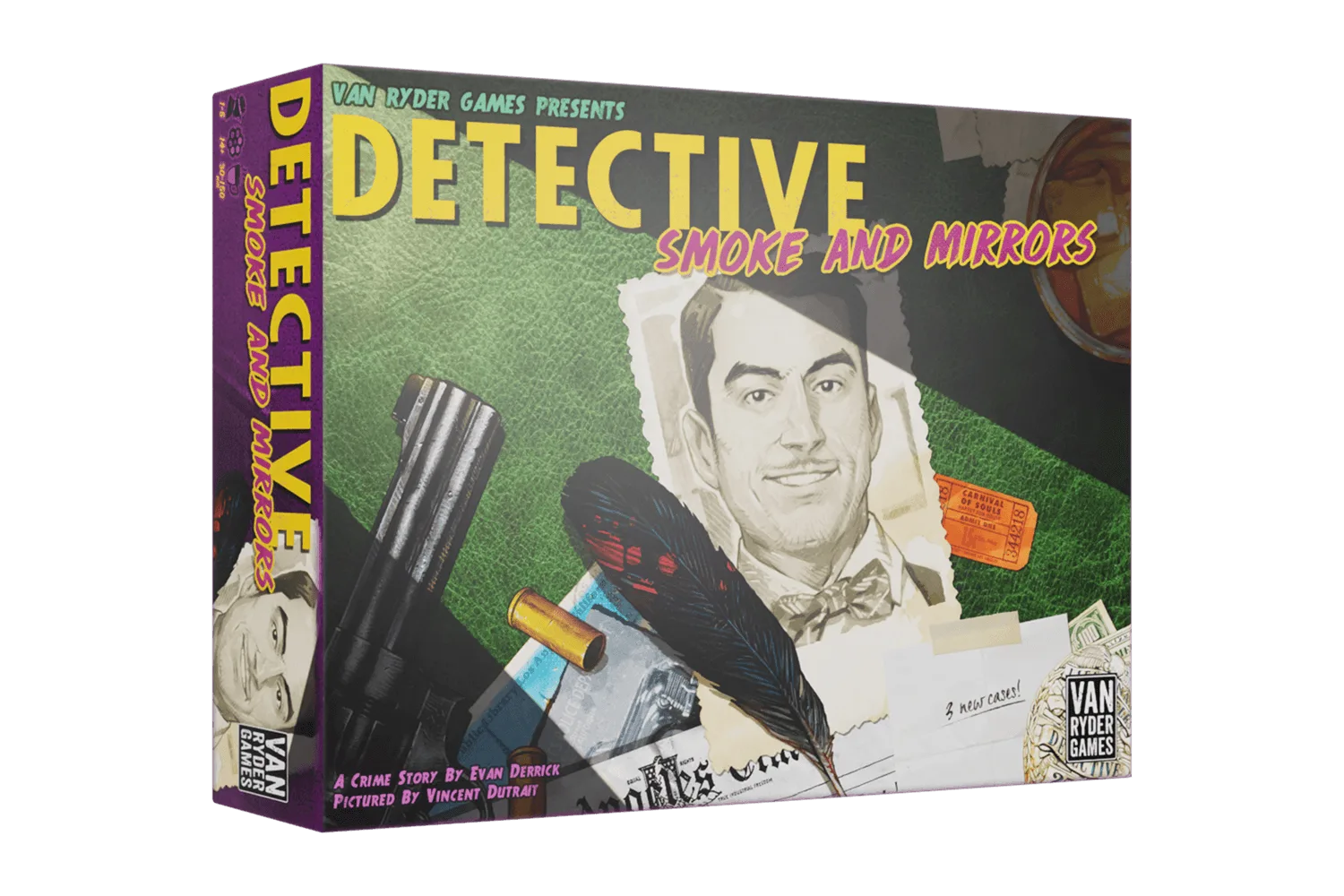
Every few months, evaluate which games get played and which don't. Sell or trade games that no longer fit your group. Watch for new expansions or promos that enhance your favorites, like 'Detective City of Angels: Gen Con Promos' to add variety. This keeps your library dynamic and exciting.
Tradeoff: Letting go of a game can be hard, but it frees space and budget for better fits. Checkpoint: if a game hasn't been played in a year, consider rehoming it.
Step-by-Step to a Curated Board Game Library
- Measure your space and list play scenarios: Check shelf dimensions and note your typical group size and play frequency. Decide if you need solo, party, or strategy games. Checkpoint: Your space and play habits are the foundation of every purchase.
- Set a budget and collection mission: Define how much you'll spend and what your library should achieve. Write a one-sentence mission to guide choices. Checkpoint: A clear mission prevents impulse buys.
- Assign roles to each game: Pick games that fill different niches: filler, gateway, strategy, party, solo. Avoid duplicate roles. Checkpoint: Each game should have a unique purpose.
- Organize your shelves logically: Sort by play frequency or weight, keep favorites accessible, and group expansions with base games. Checkpoint: You should find any game in under a minute.
- Maintain components regularly: Sleeve cards, bag small pieces, and do a monthly inventory to catch missing items early. Checkpoint: Regular care extends the life of your games.
- Review and refresh periodically: Every few months, evaluate which games get played. Sell or trade unused ones and watch for expansions that enhance favorites. Checkpoint: A dynamic library stays exciting and functional.
Products That Can Enhance Your Library
- Moments: In Moments, players will work together. Some players will be giving clues to describe their cards which will then be mixed with random cards from the deck. The other players will be working together to identify the chosen cards. If the players are able to identify all the cards correctly, the group will score a point for the round. Can your group get a perfect score? Moments is a stand alone expansion features 120... A cooperative clue-giving game that works great as a filler or icebreaker, perfect for rounding out a library with a light, social option.
- Final Girl: Once Upon a Full Moon: ***IMPORTANT!*** This Feature Film box is not playable by itself and requires you to also own the Core Box. Not every story ends happily ever after. This isn’t the Big, Bad, Wolf you imagined as a child. It’s bigger and badder than you could imagine. Can you slow the wolf down before it becomes fast enough to move anywhere on the board in a single turn? Featuring “hunt” and “slay” modes, the killer will take... If you're into solo gaming, this expansion adds a new killer and mechanics, but remember you need the core box—a key consideration when planning your budget.
Creating a board game library is an ongoing process that rewards intentionality. By assessing your space, setting a budget, choosing games with purpose, and maintaining your collection, you'll build a library that brings joy for years. Start small, curate with care, and let your collection grow with your play style.