Your insulated water bottle is your daily companion, keeping your drinks cold or hot for hours. But over time, even the best bottles can harbor bacteria, mold, and unpleasant odors if not cleaned properly. A quick rinse is not enough—deep cleaning is essential to maintain both hygiene and performance. In this guide, we'll show you how to deep clean your insulated water bottle effectively, using simple household items like baking soda and vinegar, and share tips to keep it fresh between deep cleans.
Whether you use a stainless steel bottle, a plastic kids' bottle, or a tumbler, the same principles apply. Regular deep cleaning not only extends the life of your bottle but also ensures every sip tastes clean and fresh. Let's dive into the best practices for a spotless, odor-free bottle.
Why Deep Cleaning Your Insulated Water Bottle Matters
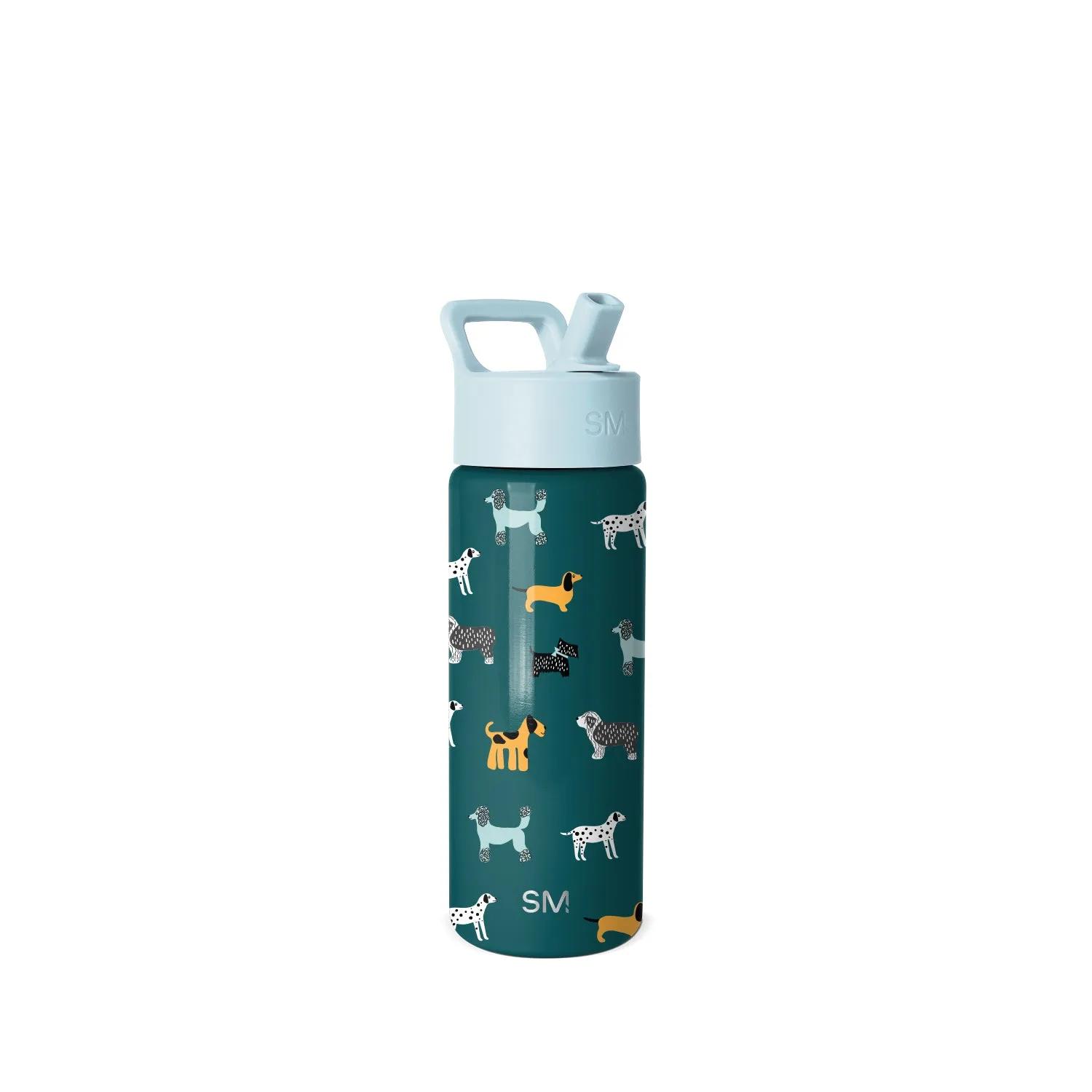
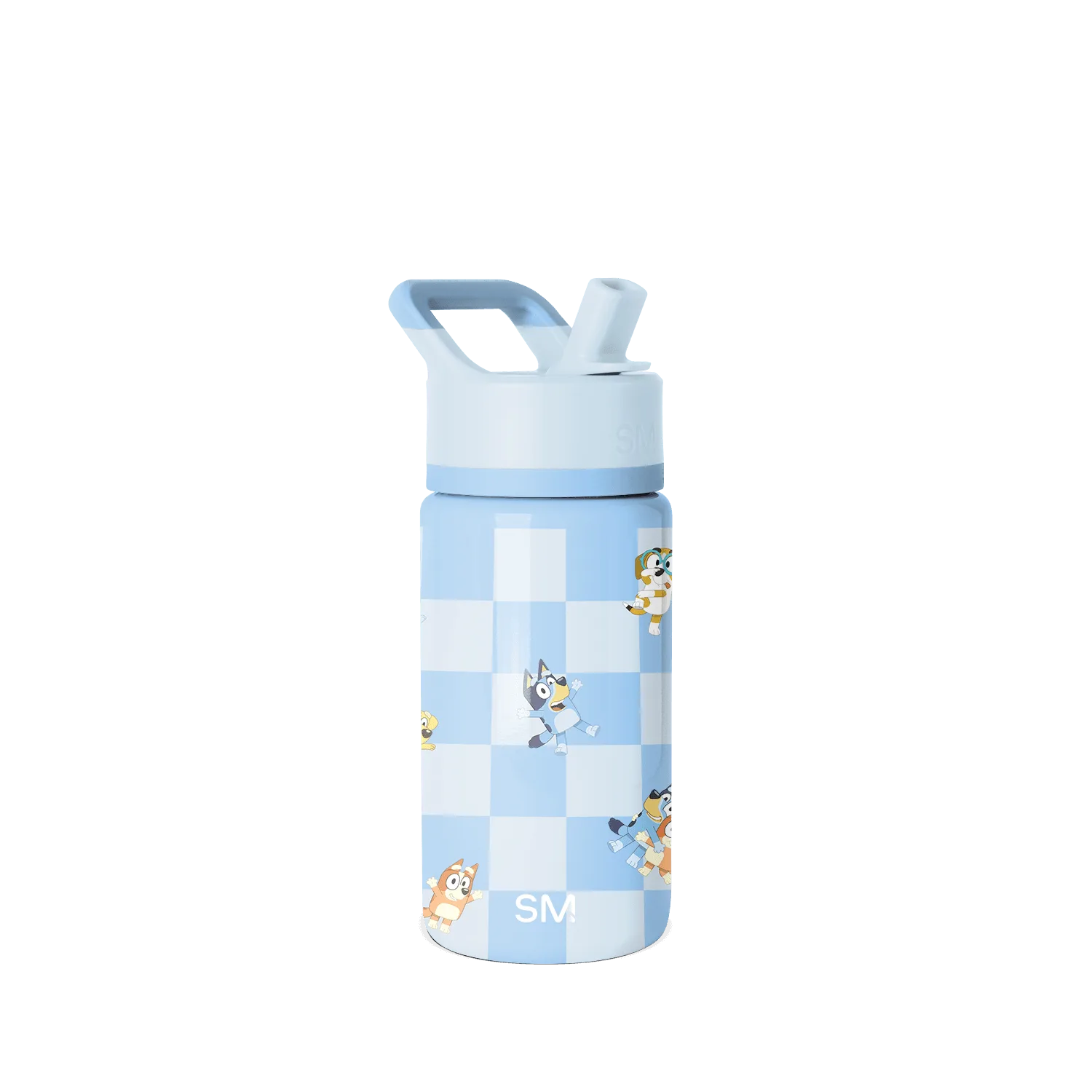
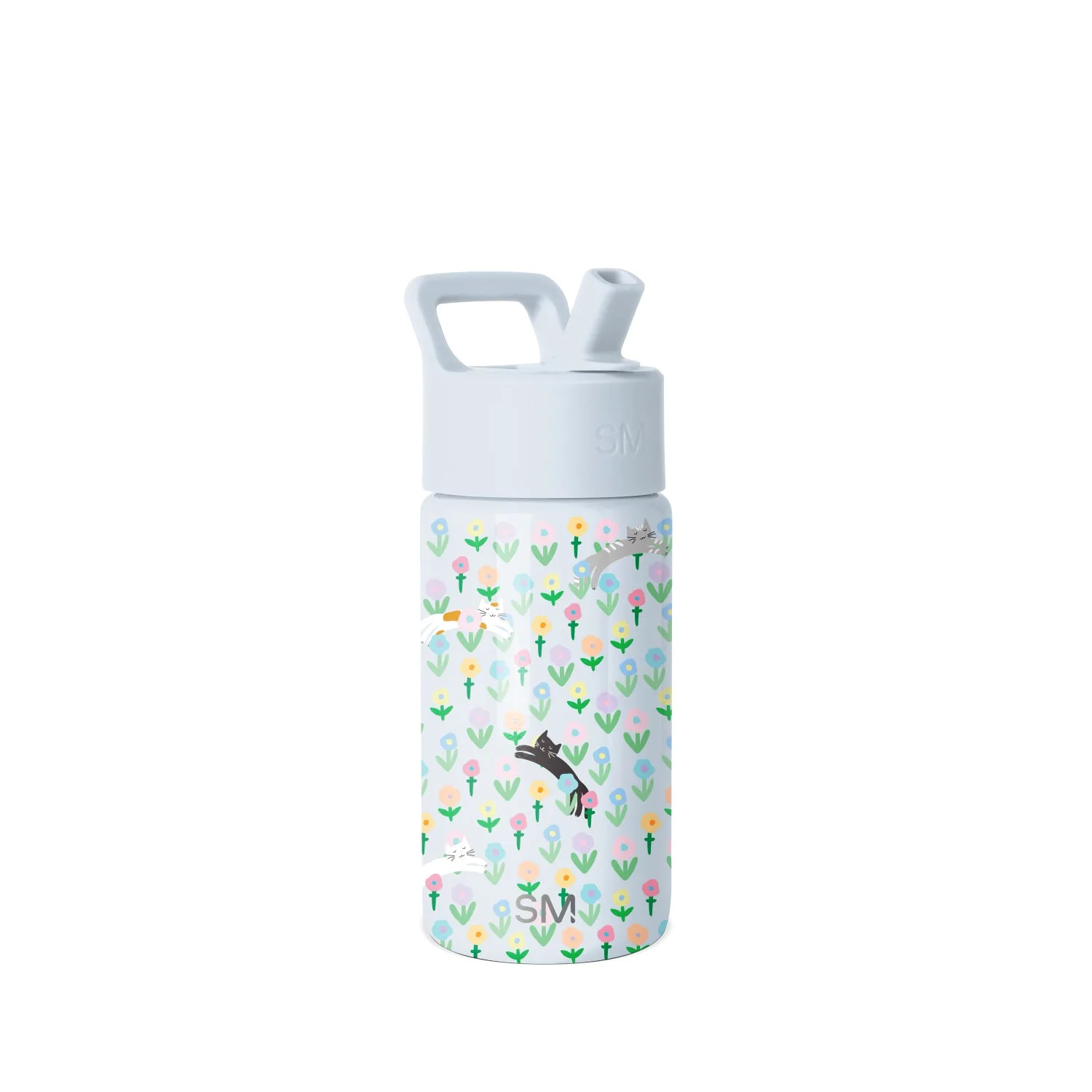
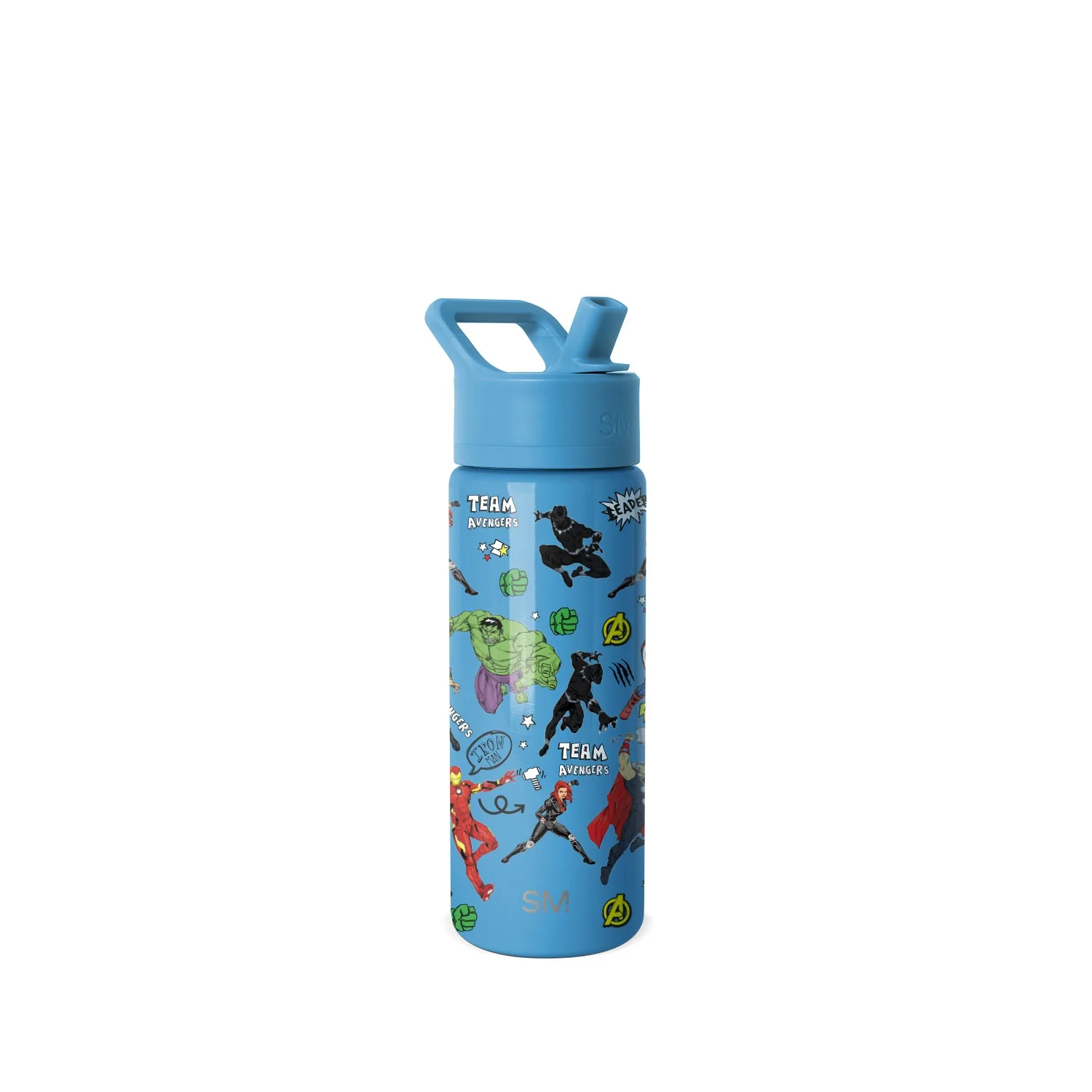
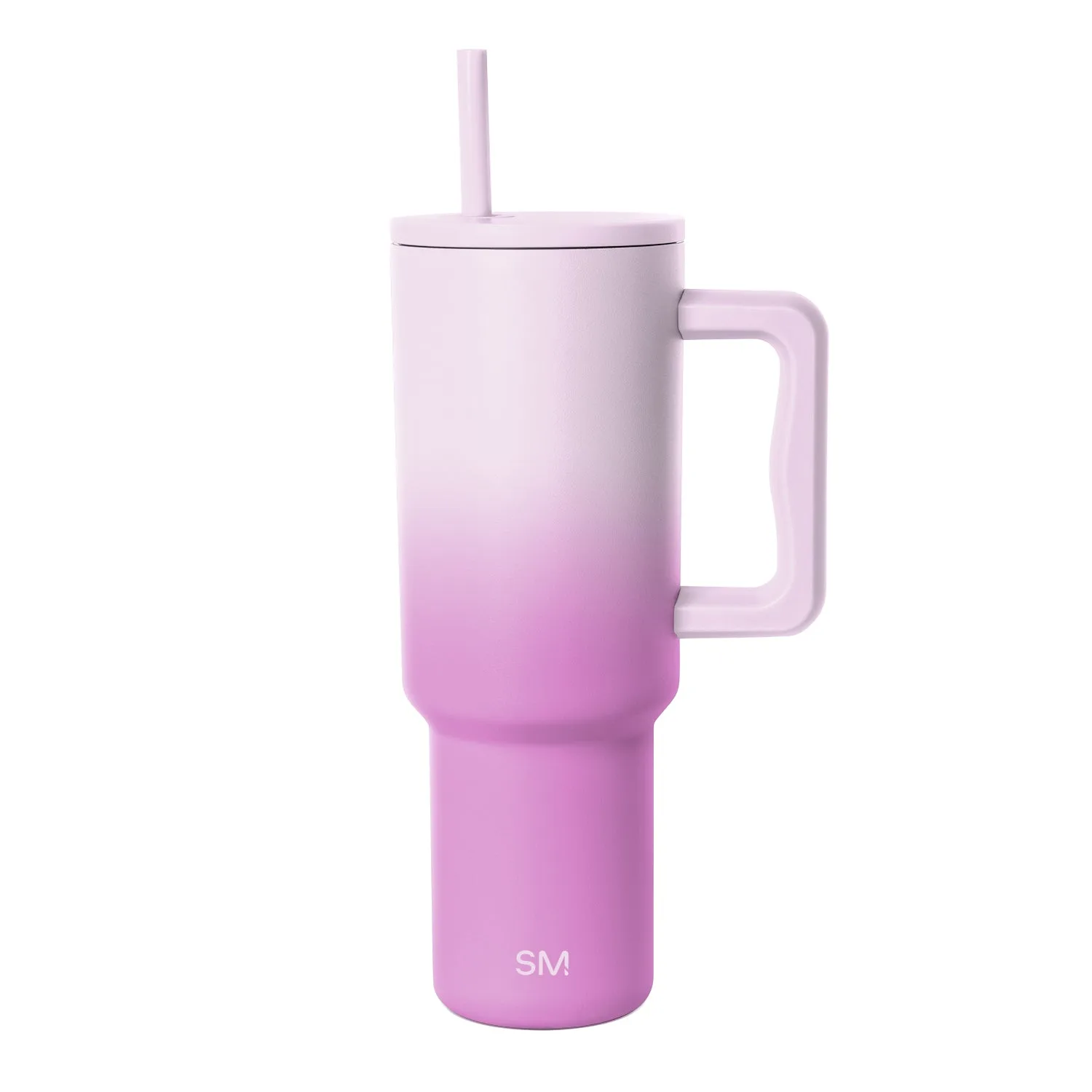
Insulated bottles have double-wall construction that keeps your drinks at the perfect temperature, but this design also creates hidden spaces where bacteria and mold can thrive. The narrow openings and complex lids of bottles like the https://simplemodernhd.com/products/summit-kids-water-bottle-with-straw-lid-330391https://simplemodernhd.com/products/summit-kids-water-bottle-with-straw-lid-330401https://simplemodernhd.com/products/summit-kids-water-bottle-with-straw-lid-330621https://simplemodernhd.com/products/summit-kids-water-bottle-with-straw-lid-330622Summit Kids Water Bottle with Straw Lid or the Voyager Tumbler with Clear Flip Lid & Straw can trap moisture and residue, making them prime spots for microbial growth.
Regular washing with soap and water removes surface dirt, but deep cleaning targets the microscopic buildup that causes odors and can affect the taste of your beverages. For bottles used with protein shakes, coffee, or sugary drinks, residue can accumulate quickly, leading to stubborn stains and lingering smells. Deep cleaning every few weeks is recommended to maintain optimal hygiene and ensure your bottle stays in top condition.
- Prevents mold and bacteria buildup that can cause health issues
- Eliminates lingering odors from coffee, tea, or protein shakes
- Maintains the insulating performance by keeping the interior clean
Step-by-Step Deep Cleaning with Baking Soda and Vinegar
Baking soda and vinegar are two of the most effective, natural cleaning agents for insulated bottles. They are non-toxic, inexpensive, and safe for all bottle materials, including stainless steel and BPA-free plastic. Here’s a simple method to deep clean your bottle:
Start by rinsing your bottle with warm water to remove any loose debris. Then, add one to two tablespoons of baking soda to the bottle, followed by a cup of white vinegar. The mixture will fizz, helping to break down grime and neutralize odors. Let it sit for 15-20 minutes, then scrub the interior with a soft bottle brush, paying extra attention to the bottom and threads. Rinse thoroughly with warm water and let it air dry completely with the lid off.
For bottles with straws or complex lids, like the Summit Kids Plastic Water Bottle with Simple Flip Straw Lid, disassemble all parts and soak them in a baking soda and vinegar solution for deeper cleaning. This ensures every nook and cranny is free from buildup.
- Use a soft brush to avoid scratching the interior
- Soak removable parts like straws and gaskets separately
- Rinse thoroughly to remove all cleaning residue
How to Remove Mold from Your Bottle
Mold can be a stubborn problem, especially in bottles that are not dried properly. If you spot mold in your bottle, don't panic—it can be removed effectively. First, fill the bottle with a solution of one part white vinegar to three parts water and let it soak for at least an hour. The acetic acid in vinegar kills mold and mildew. After soaking, scrub the affected areas with a bottle brush and rinse well.
For severe mold, you can use a paste made from baking soda and water. Apply it to the moldy areas, let it sit for 30 minutes, then scrub and rinse. Always ensure the bottle is completely dry before storing it, as moisture is the primary cause of mold growth. For kids' bottles, such as the Summit Kids Water Bottle with Straw Lid, check the straw and valve regularly, as these parts can harbor mold unnoticed.
- Vinegar is a natural mold killer and safe for food contact
- After cleaning, dry all parts thoroughly before reassembling
- Inspect straws and gaskets for mold regularly
Daily Maintenance Tips to Keep Your Bottle Fresh
Deep cleaning is essential, but daily habits can significantly reduce the need for intensive scrubbing. After each use, rinse your bottle with warm water and a drop of mild dish soap. Use a straw brush to clean the straw if your bottle has one, as seen in the Voyager Tumbler with Clear Flip Lid & Straw. Rinse thoroughly and leave the lid off to air dry completely.
Avoid leaving beverages in your bottle for extended periods, especially sugary or dairy-based drinks. If you use your bottle for protein shakes, consider using the Rally Protein Shaker, which is designed for easy cleaning with its wide mouth and removable parts. For coffee or tea drinkers, a quick rinse with baking soda once a week can prevent staining and odor buildup.
- Always air dry with the lid off to prevent moisture buildup
- Clean straws and lids after every use
- Use a dedicated bottle brush for thorough cleaning
Special Considerations for Different Bottle Types
Different bottles require slightly different care. For example, the Ellis Backpack 25L is a great companion for carrying your bottle, but the bottle itself may have a narrow mouth that needs extra attention. Use a long-handled brush to reach the bottom. For tumblers with flip lids, like the NBA Trek Tumbler with Flip Lid, pay special attention to the lid mechanism—soak it in a vinegar solution to remove any residue.
Plastic bottles, such as those in the Summit Kids line, are more prone to scratches and can absorb odors. Avoid using abrasive cleaners and opt for baking soda paste instead. Stainless steel bottles are more durable but can still develop a metallic taste if not cleaned regularly. Always check the manufacturer's instructions for specific cleaning recommendations, as some bottles are not dishwasher safe.
- Use non-abrasive cleaners for plastic bottles to avoid scratches
- For tumblers, clean the lid thoroughly to prevent clogs
- Check if your bottle is dishwasher safe before using that method
Deep cleaning your insulated water bottle doesn't have to be a chore. With these simple tips and natural ingredients like baking soda and vinegar, you can keep your bottle fresh, hygienic, and ready for your next adventure. Remember to clean regularly, dry thoroughly, and pay attention to all the small parts. For a bottle that's easy to maintain and built to last, consider the Summit Kids Water Bottle with Straw Lid—it's designed with hygiene in mind.