Quick answer
Descale with a purpose-made coffee descaler or a 1:1 white vinegar and water solution, run it through at a warm—not boiling—temperature, let it dwell for 15–30 minutes, then rinse with fresh water two to three full cycles. The two things that damage gear most are leaving acidic solution in contact too long and skipping the final rinse, which leaves residue that taints every later brew.
Scale is the chalky mineral film that builds up wherever hard water meets heat. It narrows tubing, coats heating elements, and slows flow until your coffee tastes flat and your machine works harder than it should. Descaling is the fix, but the method matters as much as the product.
This guide walks through a safe descaling process for drip machines, kettles, and pour over brewers, plus the checkpoints that tell you when to stop. If you mostly brew by hand, the same routine keeps your kettle and dripper performing like new.
When your gear actually needs descaling
You do not need a calendar reminder as much as you need to read the symptoms. Slow drip, a hollow gurgling sound near the end of a brew cycle, white crust around the showerhead or kettle spout, and coffee that tastes duller than usual all point to mineral buildup. In hard-water areas this can appear within a few weeks of daily use.
A simple check: boil a small amount of water in your kettle and look inside once it cools. A cloudy white or gray film that does not wipe away with a damp cloth is scale. For drip machines, run a cycle with water only and time it against the machine's normal brew time; a noticeable slowdown is your cue.
- Soft water: descale every 2–3 months of daily use.
- Hard water: check monthly and descale as soon as flow slows.
- If you see crust, do not wait for a scheduled date.
Pick a descaler that matches your gear
A coffee descaler made for brewers is the safest default because it is formulated to dissolve scale and rinse clean. Citric-acid and vinegar solutions work too, but they are more aggressive on seals and metal finishes if you leave them in too long. Never use bleach, and avoid abrasive powders that scratch plastic and stainless steel.
Check your machine manual before anything else. Some manufacturers specify a particular descaler or forbid vinegar outright, and ignoring that can void a warranty. If the manual is missing, choose a dedicated descaler and follow its dilution and dwell instructions rather than guessing.
- Dedicated descaler: best all-round choice and easiest to rinse.
- White vinegar: effective and cheap, but rinse thoroughly.
- Citric acid: works well for kettles, use a mild dilution.
The step-by-step descaling process
Start with a cold or lukewarm machine and empty the reservoir. Mix your descaler according to the label, or use one part white vinegar to one part water. Fill the reservoir, then run a partial brew cycle so the solution moves through the system, and pause before it finishes so the solution can sit inside the tubing and heating element.
Let it dwell for 15–30 minutes. Longer is not better: acidic solutions left for hours can degrade rubber gaskets and plastic housings. After the dwell, finish the cycle and discard the used solution. Then refill with fresh water and run two to three full cycles, discarding each one, until the water smells and tastes neutral.
- Never descale with boiling solution; heat accelerates damage.
- Do not let vinegar sit overnight in a machine you care about.
- Taste the final rinse water; if it tastes off, run one more cycle.
Descaling kettles, drippers, and small gear
Electric kettles are the easiest: fill to the max line with your solution, bring it to a gentle simmer, then turn it off and let it stand for 15 minutes. Pour it out, rinse with fresh water, and boil clean water twice. For stubborn spots near the spout, a soft bottle brush helps, but skip steel wool on any coated surface.
Pour over drippers and carafes need less chemistry and more patience. Soak them in warm descaler or vinegar solution for 10–15 minutes, then scrub gently with a soft sponge. Glass and ceramic tolerate this well; plastic drippers should get a shorter soak because they can absorb odors. Rinse until no scent remains.
- Do not submerge the electrical base of a kettle.
- Rinse glass carafes with hot water after descaling to clear residue.
- Air-dry parts fully before reassembling.
Mistakes that damage coffee gear
The most common error is using too strong a solution for too long, which etches metal and hardens rubber. The second is skipping the rinse. Even a small amount of leftover descaler or vinegar changes the taste of the next several brews and can leave a sour note that is hard to diagnose.
Another frequent mistake is descaling only the reservoir and not the brew path. Scale collects in the showerhead, valves, and tubing, so you need a full cycle, not just a soak. Finally, never mix descalers or add bleach to the process; the combination can produce harmful fumes.
- Follow the label dilution; more is not faster.
- Rinse until the water runs clear and neutral.
- Run a full cycle, not just a reservoir soak.
Keeping scale away between deep cleans
The best descaling routine is a preventive one. If your tap water is hard, filter it before it goes into the kettle or machine. Empty and air-dry kettles and carafes after use instead of leaving standing water, which gives minerals a place to settle. A quick weekly rinse of the reservoir takes seconds and slows buildup noticeably.
For pour over setups, fresh paper filters do more than you might expect. They trap fine grounds and oils that would otherwise cling to the dripper and complicate cleaning. Pairing good filtration with filtered water keeps your gear cleaner and your coffee tasting more consistent.
- Use filtered water if your area runs hard.
- Empty kettles and carafes after each session.
- Wipe the brew basket weekly to stop mineral film early.
Descaling steps at a glance
- Check the manual and choose your descaler: Confirm what the manufacturer allows, then mix a dedicated coffee descaler or a 1:1 white vinegar and water solution. Checkpoint: if the manual forbids vinegar, use a dedicated descaler instead.
- Run a partial cycle and let it dwell: Fill the reservoir, start a brew, and pause partway so the solution contacts the tubing and heating element. Let it sit 15–30 minutes. Mistake to avoid: leaving acidic solution in for hours, which degrades seals.
- Finish the cycle and discard: Complete the brew cycle, then pour the used solution out. Do not reuse it; it is now full of dissolved minerals. Checkpoint: if the solution is heavily cloudy, plan a second descaling sooner.
- Rinse with fresh water two to three times: Refill with clean water and run full cycles, discarding each, until the water tastes and smells neutral. Mistake to avoid: stopping after one rinse, which leaves residue that taints coffee.
- Clean removable parts by hand: Soak the carafe, dripper, and basket in warm descaler for 10–15 minutes, scrub gently, and rinse thoroughly. Checkpoint: no scent or film should remain on glass or plastic.
- Dry, reassemble, and brew a test cup: Let all parts air-dry completely, reassemble, and brew one throwaway cup before your next real one. Next step: note the date so you can track how quickly scale returns.
Gear that makes clean brewing easier
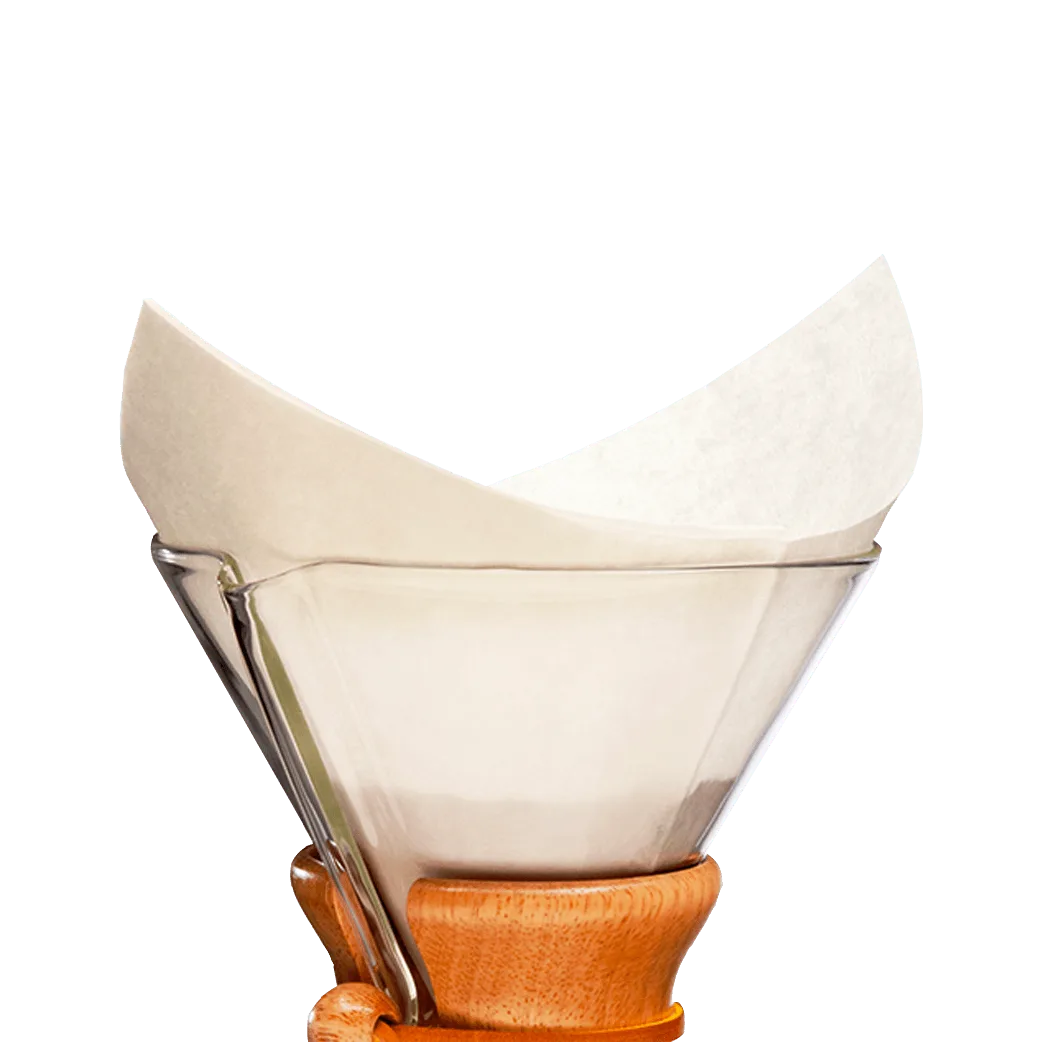
- Chemex Coffee Filters: These cone-shaped filters use paper 20–30% thicker than the competition and go through an oxidizing cleansing bath followed by hot water baths, so the fibers catch bitter elements, oils, and the finest grounds. Thicker, well-rinsed paper means less sediment and oil reaches your carafe, which keeps the glass cleaner and makes your descaling and rinsing routine less frequent.
- Dwell Dripper Filter Pack: The ridged, flat-bottomed filters are designed to stay suspended within the Dwell Dripper, keeping coffee away from the outer edges and supporting a clean, even extraction. Each resealable pack contains 90 white paper filters. A filter that holds its shape and position reduces bypass and mess, so the dripper itself stays cleaner between deep cleans.
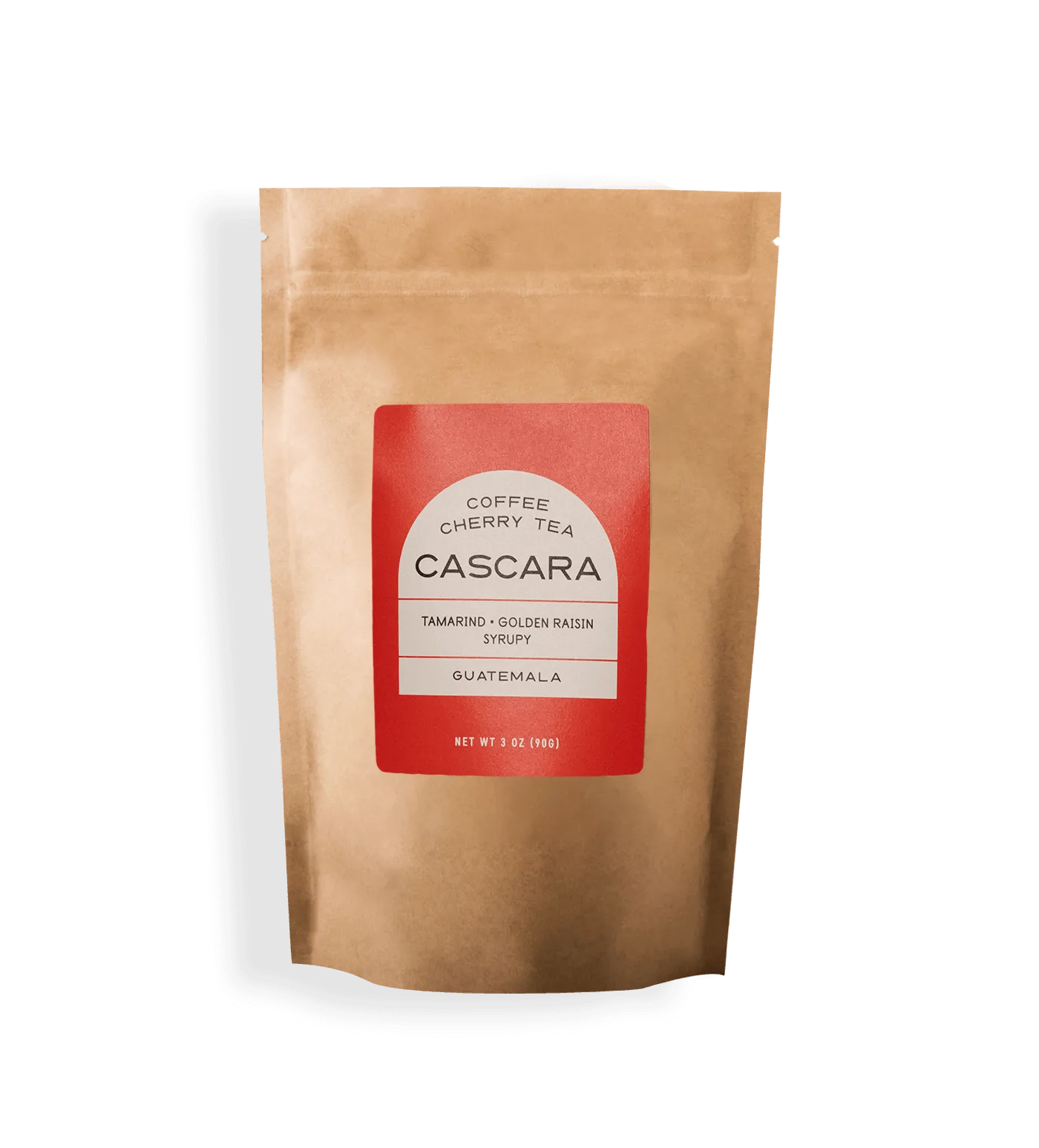
- Cascara Coffee Cherry Tea: This cascara from the Buena Vista micro-mill brings raisin sweetness with tart acidity and a rosehip aroma, and each bag contains 90 grams of tea. A gentle, low-maintenance brew for days when you want something warm without running a full descaling cycle on your coffee maker.
Descaling is less about scrubbing and more about timing: the right solution, a short dwell, and a thorough rinse. Do that every few months, use filtered water when you can, and your coffee maker, kettle, and dripper will keep brewing clean, consistent cups for years.