Quick Answer
Dialing in a new coffee is a systematic process: start with a baseline recipe, brew, taste, and adjust one variable at a time—usually grind size—until the cup tastes balanced. Focus on flavor, not just numbers, and keep a log to track what works.
balanced
Every new bag of coffee brings a fresh set of variables: origin, roast level, and processing method all change how the beans extract. Whether you're brewing espresso or pour-over, dialing in is the skill that turns a good coffee into a great one.
This guide walks you through a repeatable process to find the sweet spot for any coffee. You'll learn what to taste for, how to adjust, and the common mistakes that throw off your extraction.
Start with a Baseline Recipe
Before you change anything, pick a starting point. For espresso, a common baseline is 1:2 ratio—18 grams in, 36 grams out—in 25-30 seconds. For pour-over, try 1:16 (coffee to water) with a medium-fine grind. These numbers give you a reference to compare against.
Use the same dose and yield every time you dial in. Changing more than one variable at once makes it impossible to know what caused the improvement or problem. Write down your recipe and stick to it until you've tasted the result.
- Keep a log of your dose, yield, time, and tasting notes.
Taste Critically and Identify the Problem
Brew your first shot or cup and taste it without adding milk or sugar. Pay attention to three things: acidity, sweetness, and bitterness. Under-extracted coffee tastes sour, sharp, and thin. Over-extracted coffee tastes bitter, dry, and hollow. Balanced coffee is sweet, juicy, and has a pleasant finish.
If you're unsure, let the coffee cool slightly—flavors become more obvious. Compare it to what you know about the bean's origin. A naturally processed Ethiopian coffee will have more fruit acidity than a Brazilian, so 'balanced' looks different for each coffee.
- Taste the coffee black first—milk masks extraction issues.
Adjust One Variable at a Time
The first variable to change is grind size. If the coffee tastes sour and under-extracted, grind finer to increase surface area and slow the flow. If it tastes bitter and over-extracted, grind coarser to speed up the flow and reduce extraction. Make small changes—one or two numbers on your grinder—and brew again.
Only change dose or ratio if grind adjustments don't fix the issue. For espresso, you can also tweak the yield: a longer ratio (1:2.5) can balance high-acidity coffees, while a shorter ratio (1:1.5) can tame bitterness. But change only one thing at a time.
- Aim for a 25-30 second shot time in espresso—but let taste guide you.
Use Time as a Diagnostic Tool
In espresso, the extraction time tells you a lot. If your shot runs too fast (under 20 seconds), it's likely under-extracted—grind finer. If it runs too slow (over 35 seconds), it's over-extracted—grind coarser. For pour-over, watch the total brew time: a 3-minute brew is typical, but adjust based on taste.
However, time is not the goal. A 30-second shot can still taste bad if your grind distribution is uneven. Use time as a clue, not a rule. Always confirm with your palate.
- Don't chase a specific time—chase a balanced flavor.
Keep a Dial-In Log
Record every attempt: grind setting, dose, yield, time, and tasting notes. Over a few sessions, you'll see patterns—which coffees like a finer grind, which origins need a longer ratio. This log becomes your personal reference for future bags.
When you find a recipe you love, save it. But remember that coffee changes as it ages, so you'll need to re-dial periodically. A coffee that was perfect last week may need a slightly finer grind today.
- Use a notebook or a brewing app to track your variables.
Your Step-by-Step Dial-In Process
- Step 1: Set a baseline recipe: Choose a starting dose, yield, and time (e.g., 18g in, 36g out, 25-30 seconds for espresso; 1:16 ratio for pour-over). Keep it consistent. Checkpoint: Write down your baseline before brewing.
- Step 2: Brew and taste: Pull a shot or brew a cup. Taste it black and note the acidity, sweetness, and bitterness. Decide if it's sour, bitter, or balanced. Checkpoint: Identify the dominant flaw—sour means under-extracted, bitter means over-extracted.
- Step 3: Adjust grind size: Make one small change to the grind. Finer for sour, coarser for bitter. Brew again and taste. Checkpoint: Only change one variable at a time.
- Step 4: Use time as a guide: Check the extraction time. Adjust grind if the time is far off, but let taste be the final judge. Checkpoint: A balanced cup is more important than hitting a specific time.
- Step 5: Refine and log: If the taste is close, fine-tune with small grind changes or yield adjustments. Log your final recipe and tasting notes. Checkpoint: Save your successful recipe for future reference.
Tools That Make Dialing In Easier
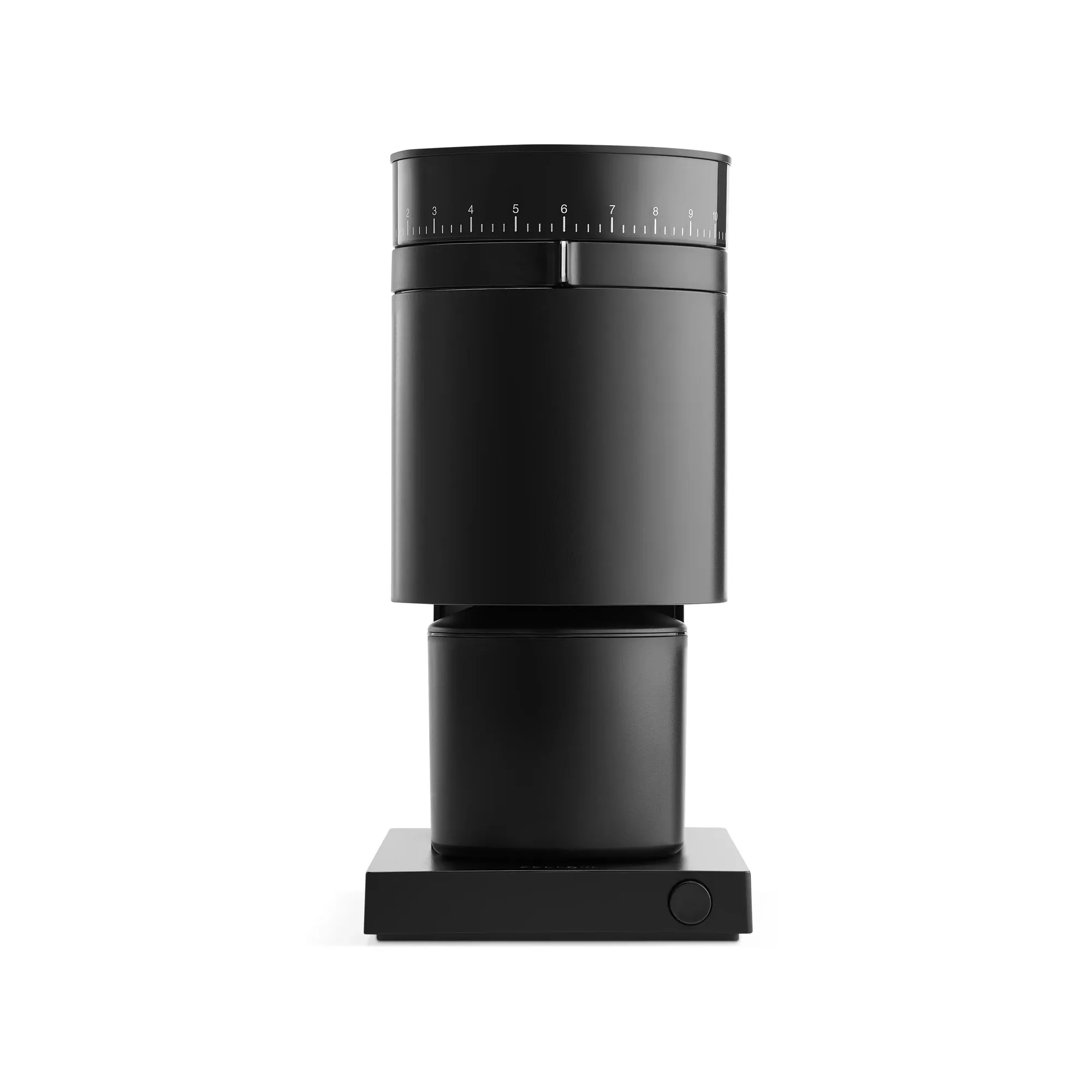
- Fellow Opus Conical Burr Grinder: The do-it-all grinder for brew-it-all homes. Opus is a powerful all-purpose grinder that effortlessly unlocks your coffee’s potential across the full range of brewing styles, from true espresso to the coarsest cold brew. A consistent grind is essential for repeatable dialing in. The Opus lets you dial in fine adjustments across brew methods, so you can go from espresso to pour-over without missing a beat.
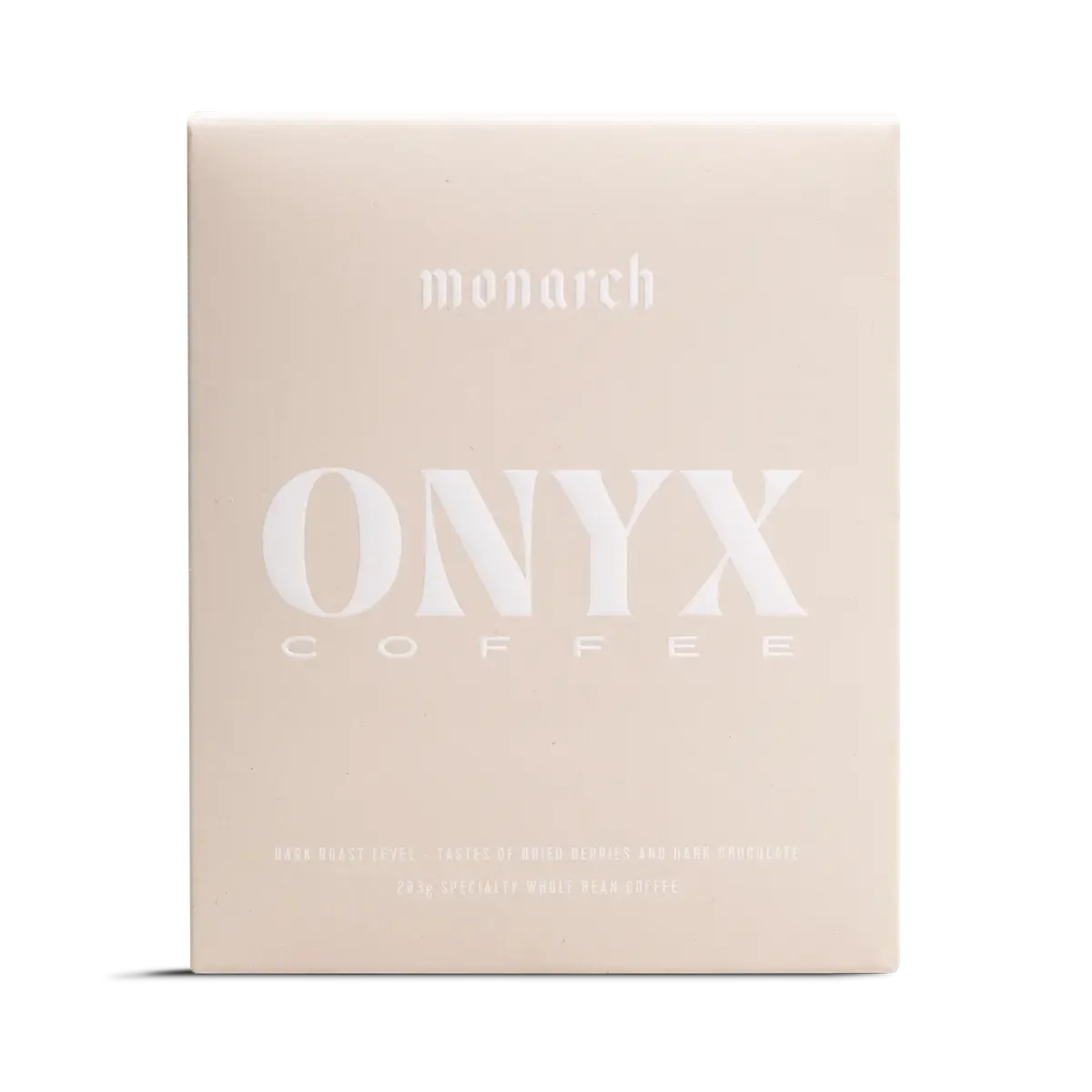
- Discovery Box: Whether you're drawn to the precision of blends or the nuance of single-origin terroir, this dual offering is designed to welcome you, and those you gift it to, into the layered world of specialty coffee. The Blend Set Three 2oz boxes represent a full spectrum of our blend lineup, each crafted to suit varying brew styles and roast preferences: Monarch is our deepest expression, roast-forward, dense, and structured... Dialing in is easier when you have a variety of coffees to practice with. A Discovery Box lets you compare blends and single origins, helping you understand how different beans respond to the same recipe.
Dialing in a new coffee doesn't have to be guesswork. By following a structured process—baseline, taste, adjust, and log—you'll consistently find the sweet spot for any bean. With practice, you'll develop the palate and intuition to dial in faster, and enjoy every cup to its fullest.