Quick answer
Start with a baseline grind size (medium-fine for pour over), a 1:16 coffee-to-water ratio, and water at 200°F. Brew a test cup, taste it, then adjust one variable at a time—usually grind size first—until the cup tastes balanced and delicious.
Why dialing in matters
Every coffee bean is different. The same grind setting that worked for your last bag may over-extract or under-extract a new one. Dialing in—adjusting grind size, dose, and brew ratio—lets you find the sweet spot where acidity, sweetness, and body come together. Without it, you risk sour, bitter, or flat cups.
Steps to dial in your new beans
- 1. Choose your baseline recipe: For a single pour over, use 20 g coffee to 320 g water (1:16 ratio), ground medium-fine (similar to table salt). Water temperature: 200°F. Pour in 3–4 stages, finishing around 3:00–3:30 total brew time. Common mistake: starting with too fine a grind, which stalls the brew and causes bitterness.
- 2. Brew and taste the first cup: Taste the coffee as soon as it cools enough to sip. Look for three things: acidity (is it sharp or pleasant?), sweetness (is it present or flat?), and finish (clean or astringent?). Checkpoint: if the coffee tastes sour or salty, it's under-extracted. If it tastes bitter or hollow, it's over-extracted.
- 3. Adjust grind size first: For sour/under-extracted coffee, grind finer to increase extraction. For bitter/over-extracted coffee, grind coarser to reduce extraction. Change grind by 1–2 clicks on your grinder and brew again. Common mistake: adjusting dose or ratio before grind. Grind has the biggest impact on extraction.
- 4. Fine-tune with dose or ratio: If the coffee is close but still a little weak, increase dose by 1–2 g. If it's too intense, reduce dose slightly. Keep the water ratio the same (1:16) to maintain consistency. Checkpoint: a balanced cup should have noticeable sweetness, moderate acidity, and a clean finish.
- 5. Repeat until consistent: Brew two or three cups at the same setting to confirm. Once the taste is repeatable, note the grind setting and recipe for that bean. Future bags from the same origin may need only minor tweaks. Common mistake: giving up after one bad cup. Dialing in usually takes 2–4 brews.
Coffee and gear that help
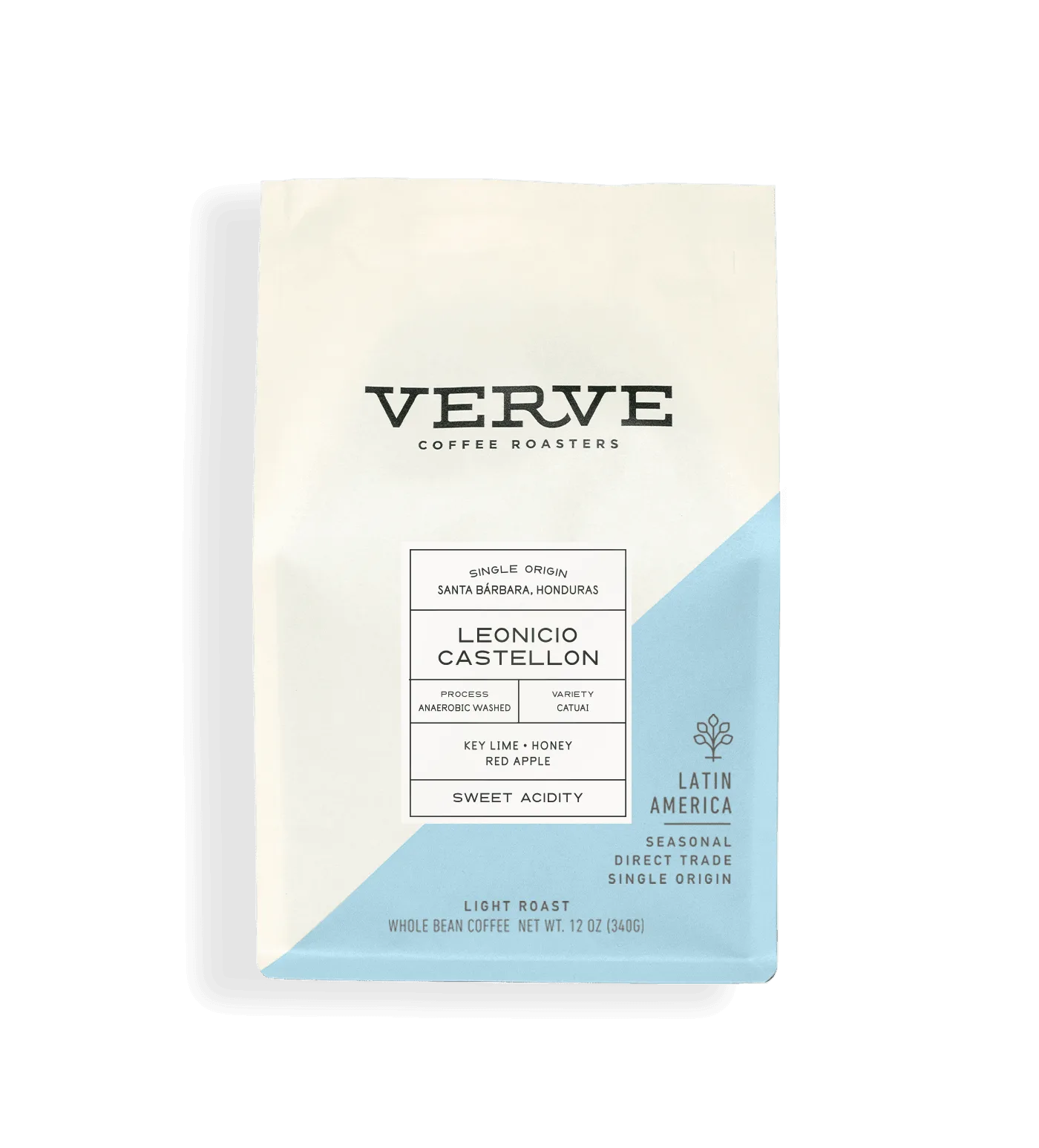
- Honduras Leonicio Castellon: Produced by Leonicio Castellon in Santa Bárbara, this anaerobically processed Catuai benefits from high elevations and slow cherry maturation. Careful fermentation builds sweetness and complexity while preserving balance, creating a coffee defined by lively acidity, lasting sweetness, and a structured finish. A coffee with clear acidity and sweetness gives you immediate feedback when adjusting grind size—you'll taste the difference between under-extracted sourness and balanced sweetness.
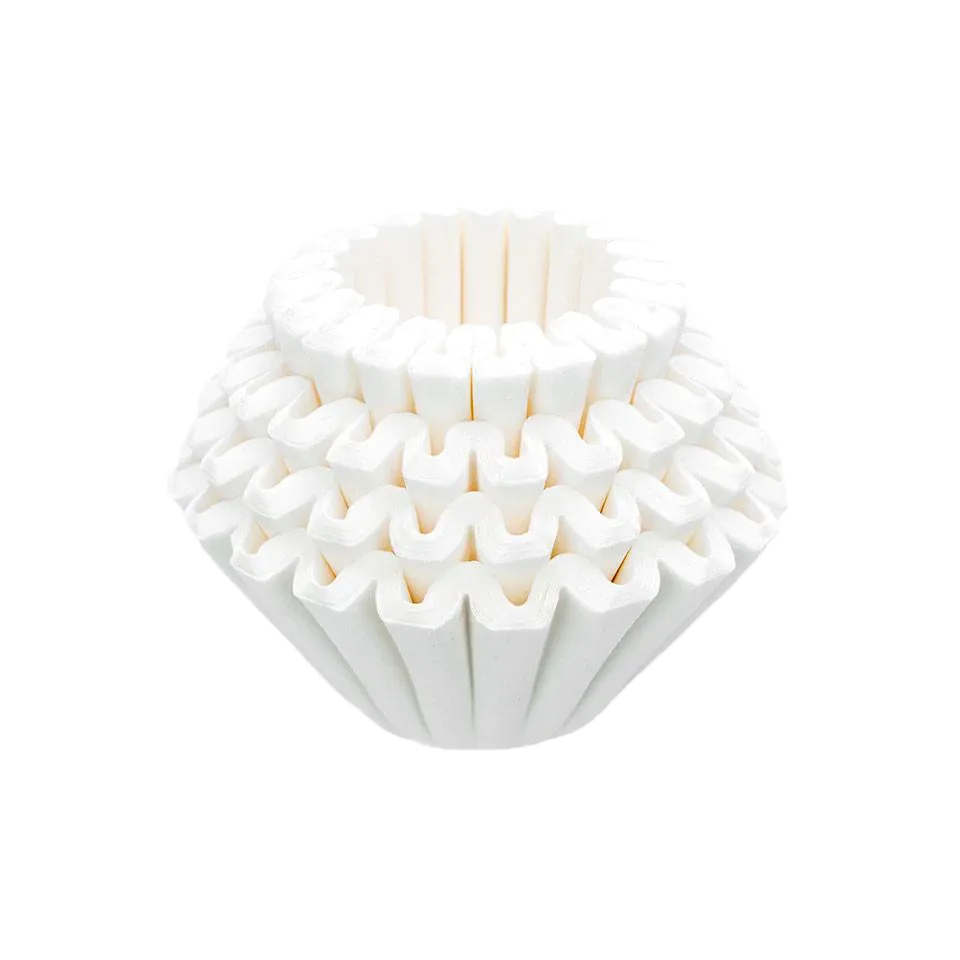
- Kalita Coffee Filters #185: Made of the finest, high-grade coffee filter paper, Kalita coffee filters ensure a proper extraction from your Kalita Wave brewer. The thoughtful design keeps the coffee filter slightly suspended above the bottom of the coffee brewer to help funnel water contact away from the outer wall of the dripper. Consistent paper filters remove one variable from the dialing-in process, so you can focus on grind and ratio without worrying about uneven flow or clogging.