Quick answer
Keep your action figures dust-free and safe from UV damage by displaying them in a closed cabinet or acrylic case away from direct sunlight. Dust weekly with a soft makeup brush, and rotate your display every few months to limit each figure's light exposure. For long-term storage, use acid-free tissue and a cool, dark container.
Choose the right display spot before you buy a single case
Walk through your room at different times of day and note where sunlight actually lands. South- and west-facing windows are the worst offenders for UV exposure, even if the room feels dim. A hallway shelf or a corner away from windows is safer. If you must use a bright room, plan for a case with UV-filtering acrylic or glass. Also check for heat sources like radiators or vents—fluctuating temperatures can warp softer plastics over time.
Pick a display case that matches your collection and your cleaning habits
Closed cabinets with glass or acrylic doors block most dust and let you see the figures. Open shelving looks great but demands weekly dusting, and dust settles into joint seams where it is hard to remove. For a small collection, a dedicated acrylic case for figures is affordable and easy to move. For larger setups, a glass curios cabinet with adjustable shelves gives you room to grow. If you cannot find a case with UV-filtering panels, adding a UV film to the glass is a practical workaround. Avoid cardboard boxes for long-term display—they can off-gas and attract pests.
Set up the case to reduce dust and light exposure
Before placing any figure, line the shelves with a clean, lint-free mat or a piece of acid-free foam. This gives you a soft surface for posing and makes dusting easier. Keep the case at least a few inches from the wall to allow air circulation and prevent condensation. If your case has gaps, apply thin weatherstripping to the doors. For lighting, choose LED strips rather than halogen or incandescent bulbs—LEDs emit almost no UV and far less heat. Aim the light from the front or top, not directly into the figures' faces, to avoid glare and heat buildup.
Dust your figures the right way, and know when to stop
Use a soft, clean makeup brush or a camera lens blower to remove dust from delicate areas. Start at the top and work down, letting dust fall away rather than pushing it into joints. For stubborn dust in crevices, a slightly damp microfiber cloth works, but wring it out well—moisture can damage paint and metal parts. Never use household cleaners, alcohol, or abrasive pads; they can strip paint and dull finishes. If a figure has gold-plated or electroplated details, like the joints on some Metal Build releases, avoid rubbing those areas—plating can wear off with aggressive cleaning.
Rotate your display and manage light exposure over time
Even indirect sunlight can fade paint over months or years. Rotate your figures every two to three months so no single piece gets constant light. If you have a favorite that stays out, consider a spot in the back of the case where light is weakest. For figures you want to keep pristine, store them in a dark, cool place and display duplicates or less rare pieces. Remember that UV damage is cumulative and irreversible—once paint fades, it cannot be restored.
Store figures long-term without trapping moisture or dust
When a figure comes off display, clean it first, then wrap it in acid-free tissue or a clean cotton cloth. Avoid sealing it in a plastic bag unless it is completely dry—trapped moisture can cause mold or rust on metal parts. Place the wrapped figure in a sturdy, acid-free box and store it in a cool, dark closet. Add a silica gel packet to absorb humidity, but replace it every few months. Label the box with the figure's name and any accessories so you can find them later. For high-value pieces, keep the original box and blister if you have them; they offer the best protection and help with resale.
Your step-by-step dust and UV protection routine
- Audit light and heat in your display room: Check sun exposure at different times of day and note any heat sources. Move your display away from direct sun and vents. If you cannot avoid a bright spot, plan for UV-filtering glass or film.
- Choose a closed case with UV protection: Select a glass or acrylic cabinet that seals well. Add UV film if the panels are not UV-filtered. Avoid open shelves if you want minimal dust and light damage.
- Set up the case with soft, acid-free liners and LED lighting: Line shelves with lint-free mats and use LED strips instead of hot bulbs. Keep the case a few inches from the wall. Good lighting lets you enjoy the figures without adding UV or heat.
- Dust weekly with a soft brush: Use a makeup brush or blower, working top to bottom. Never use cleaners or abrasive cloths on painted or plated parts. If dust returns quickly, your case is not sealing well—check door gaps.
- Rotate figures every 2–3 months: Swap displayed pieces with stored ones to limit cumulative light exposure. Keep favorites in the back of the case. UV damage is permanent, so rotation is your best defense.
- Store off-display figures in acid-free, breathable conditions: Wrap in acid-free tissue, box in a cool dark place, and add silica gel. Label boxes with contents and accessories. Check stored figures twice a year for moisture or pests.
Product facts that affect display and care
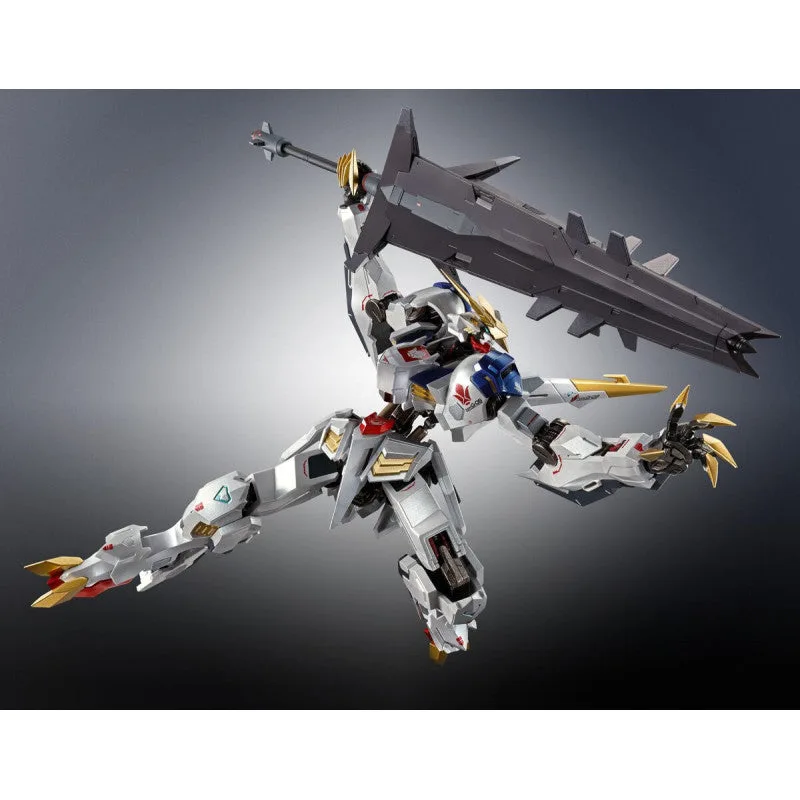
- Mobile Suit Gundam SEED Destiny Metal Build Strike Freedom Gundam (Revival Ver.) Action Figure: Metal Build Strike Freedom Gundam (Revival Ver.) uses electrolytic plating on parts and gold-plated joints. Plated surfaces can be sensitive to abrasive dusting and moisture. Use a dry soft brush and avoid rubbing plated areas to preserve the finish.
- Spider-Man: Brand New Day S.H.Figuarts Spider-Man Action Figure: S.H.Figuarts Spider-Man (Brand New Day) is a highly articulated figure with a detailed paint job. Articulated joints and painted details collect dust in seams. A closed case reduces dust and limits handling that can wear paint.