Quick answer
Display figures behind glass or acrylic on a shelf that never gets direct sun, keep them out of kitchen and open-window airflow, and dust with a soft brush instead of a cloth. That combination prevents the two most common problems: UV-faded paint and abrasive dust that scratches soft vinyl and flocked finishes.
Choose a location before you choose a shelf
Dust is airborne, so the room matters more than the shelf. Bedrooms and dedicated hobby rooms collect less grease and cooking aerosol than kitchens, and a spot away from doors, windows, and air-conditioner vents stays cleaner longer. Sunlight is the bigger risk: UV fades paint and yellows clear plastic, and it does so gradually enough that most collectors only notice after a year. If the only available wall faces a window, use a curtain or UV-filtering film rather than relying on the figure's finish to hold up.
Match the enclosure to the figure's material
Not every figure needs the same protection. Soft vinyl and flocked finishes pick up lint and hold dust in texture, so they benefit most from full enclosures. Hard PVC stands up to more handling but still scratches when dust is wiped across it. Glass or acrylic cases with a door or removable lid beat open shelving because they cut dusting frequency from weekly to occasional. If a full case is out of budget, a closed cabinet with a gasket strip along the door edge gets most of the benefit for less.
Set the pose so gravity works for you
Poses that lean a figure against a wall or balance it on one foot put constant stress on joints and can warp soft vinyl over time. Use the included stand or a figure stand, keep feet flat, and avoid extreme knee or elbow bends that stay loaded for months. For heavier figures, support the torso rather than the ankles. Rotate a stressed pose back to neutral every few months, and check that no accessory is pressing into a painted surface.
Dust with the right tool, not the closest one
A dry microfiber cloth drags grit across paint and flocking. Use a soft makeup brush or camera lens brush for weekly surface dust, and a can of compressed air held at an angle for crevices. Never spray cleaning product onto the figure; if a mark needs more than a dry brush, dampen a cotton swab and test on an inconspicuous area first. Wash brushes separately so they do not transfer oils back onto the collection.
Your step-by-step dust-free display routine
- Step 1: Pick a low-traffic, no-direct-sun wall: Choose a spot away from windows, doors, and air vents, ideally in a room without cooking grease or heavy foot traffic. Checkpoint: if you can see the sun hit the shelf at any point in the day, move the shelf or add a UV curtain before displaying anything.
- Step 2: Choose the enclosure level: Use a glass or acrylic case with a door for soft vinyl and flocked figures, or a closed cabinet with a door gasket as a lower-cost alternative. Mistake to avoid: open shelving in a carpeted room, which resettles dust every time someone walks past.
- Step 3: Set stable, supported poses: Use stands, keep feet flat, and avoid long-term extreme joint bends. Support heavier figures at the torso, not the ankles. Checkpoint: if a figure wobbles when you tap the shelf, the pose is not stable enough to leave for months.
- Step 4: Add lighting that does not add heat: Use LED strips or puck lights placed outside the case, and keep them off when you are not viewing the collection. Mistake to avoid: halogen or incandescent bulbs inside a closed case, which trap heat and can soften vinyl.
- Step 5: Dust on a schedule with the right tools: Brush surfaces weekly with a soft makeup or lens brush, use angled compressed air for crevices, and never wipe flocking with a cloth. Checkpoint: if your brush looks dirty, wash it before it touches another figure.
- Step 6: Rotate and inspect every few months: Return stressed poses to neutral, check for leaning, and look for early paint wear or joint looseness before it becomes permanent. Next step: note any figure that keeps leaning and move it to a supported stand position.
Display-friendly picks from the catalog
- Nommi Fantasy World Series Blind Box: Nommi Fantasy World Series Blind Box figures arrive as a surprise collectible from a fantasy-themed lineup. The blind box format means you may not know the pose or silhouette until unboxing, so plan shelf depth and stand clearance before the figure arrives rather than after.
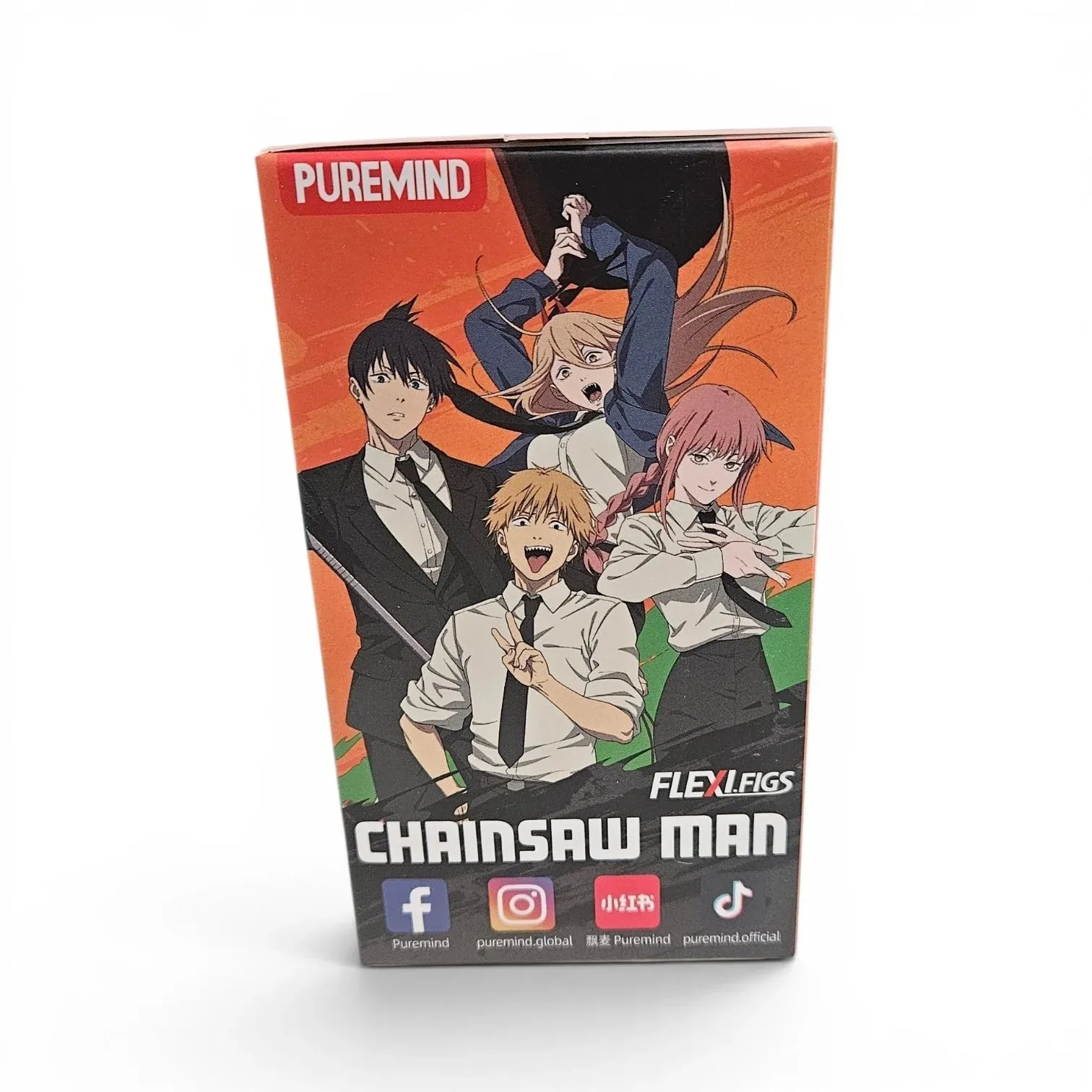
- Puremind Chainsaw Man Flexifigs Vol.1 Blind Box: Puremind Chainsaw Man Flexifigs Vol.1 Blind Box figures are approximately 4-5 inches (10.2-12.7 cm) tall, made of soft vinyl, and sold as a box of 6. Soft vinyl is the material most likely to hold dust and warp under load, so these figures are the strongest case for an enclosed display and neutral, supported poses.
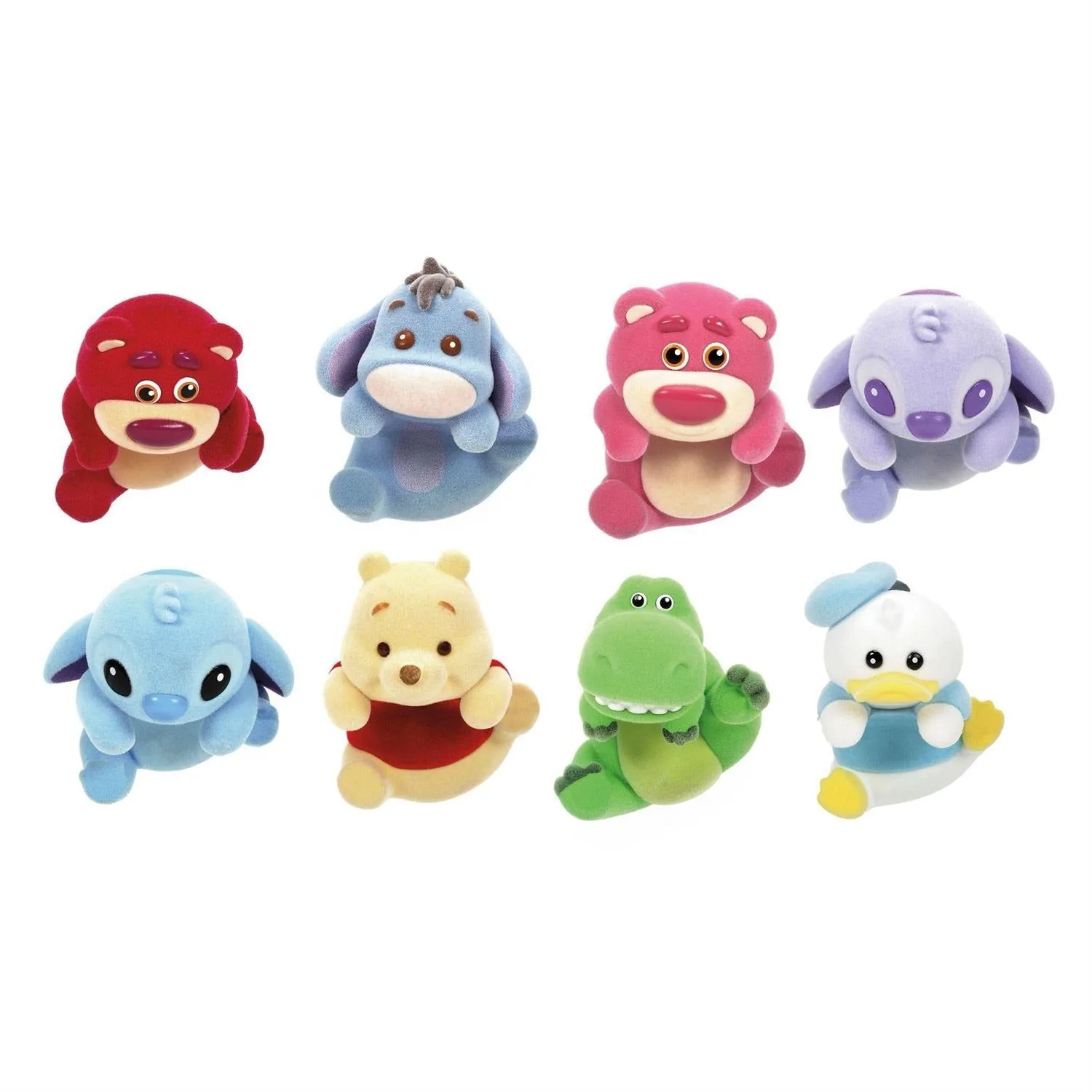
- Climbing Figurines: Climbing Figurines are made of PVC with a flocking finish and include 6 regular characters plus 2 rare color variant chasers. Flocked surfaces trap lint and cannot be wiped with a cloth, so a soft brush and an enclosed shelf protect the finish far better than open display.