Quick Answer
To display autographed memorabilia without damage, use UV-protective framing, keep items away from direct sunlight and humidity, and handle them with clean cotton gloves. For jerseys, choose a deep shadow box and pin or stitch the fabric securely; for caps, use a padded display case or a cap form. Always use acid-free materials to prevent yellowing and ink fading.
Autographed jerseys, caps, and baseballs are more than merchandise—they're memories of a great day at the ballpark or a favorite player's signature. But without proper care, ink can fade, fabric can yellow, and creases can become permanent. Whether you own a signed Buffalo Bisons jersey or a cap from a memorable game, knowing how to display and preserve autographed memorabilia keeps those moments looking sharp for decades.
The good news: you don't need a museum budget. With the right framing, a few simple supplies, and a little attention to environment, you can protect signed items while showing them off in your home or office. This guide walks you through the steps, from choosing a frame to maintaining the display over time.
Why Autographs Need Special Care
Autograph ink—whether sharpie, ballpoint, or paint pen—is vulnerable to UV light, heat, and moisture. Even indirect sunlight can cause fading over time, and humidity can encourage mold or make fabric fibers weaken. That's why simply hanging a signed jersey on a standard hanger or placing a signed cap on a shelf isn't enough for long-term preservation.
Another hidden threat is acid. Many inexpensive frames and mat boards contain acid that can leach into fabric and paper, causing yellowing and brittleness. Using acid-free and archival-quality materials is a simple way to avoid this. Also, never let glass or acrylic touch the autograph directly; condensation can form and smudge ink.
- Keep memorabilia out of direct sunlight and away from heat vents.
- Use acid-free matting and backing boards.
- Avoid touching the signed area with bare hands; oils can transfer.
- If storing, wrap items in acid-free tissue or unbleached cotton fabric.
Choosing the Right Display Method
The best display method depends on the item. For a signed jersey, a shadow box frame is the most popular choice because it allows you to display the whole garment without folding the front. Shadow boxes come in various depths, so measure the jersey's thickness when folded or padded. For a cap, a dedicated cap display case or a simple acrylic case with a form keeps the shape and protects the signature.
If you're on a budget, a standard deep frame with a custom mat can work for a jersey, but make sure the frame is deep enough to avoid crushing the fabric. For baseballs, use a single-ball display cube or a case that holds the ball securely without pressure on the signature.
- Shadow boxes for jerseys: choose depth at least 2-3 inches.
- Cap cases: look for UV-protective acrylic or glass.
- Baseball cubes: ensure the ball is held by the seams, not the sweet spot.
- Consider UV-filtering glass or acrylic for extra protection.
Preparing the Item for Framing
Before placing your signed item in a frame, clean your hands thoroughly or wear cotton gloves. For jerseys, gently brush off any dust with a soft, lint-free cloth—do not wash a signed jersey unless absolutely necessary, as washing can fade or remove the autograph. If the jersey has wrinkles, you can use a steamer on low heat from a distance, but avoid direct contact with the signed area.
For caps, use a soft brush to remove dust from the crown and brim. If the cap is misshapen, gently reshape it by hand or stuff the crown with acid-free tissue paper. For baseballs, wipe with a dry, soft cloth only.
- Never use water or cleaning solutions on autographed areas.
- If steaming a jersey, keep the steamer at least 6 inches away.
- Use a lint roller for dust on fabric, but press gently.
- Check for loose threads or snags before framing.
Framing Techniques for Jerseys and Caps
For a jersey, lay it flat on an acid-free backing board. Fold the sleeves behind the back to create a clean silhouette, and use rust-proof pins or archival mounting corners to secure the jersey to the board. Avoid pulling the fabric taut, as that can distort the weave. Some people prefer to stitch the jersey to the backing for extra security, but pins are easier to adjust.
For caps, you can either display the cap on a foam or plastic form inside a shadow box, or pin the cap flat against the backing. If pinning, stuff the crown with acid-free tissue to maintain its shape. For a 3D display, use a cap form and secure the cap with clear monofilament or pins hidden behind the brim.
- Use stainless steel or rust-proof pins.
- Do not stretch the jersey; let it lay naturally.
- For cap forms, choose one that matches the cap's size.
- Leave a small gap between the item and the glass to prevent ink transfer.
Where to Place Your Display
Location matters as much as the frame. Avoid walls that receive direct sunlight, such as near large windows or skylights. Even with UV glass, prolonged exposure can cause fading. Also, keep displays away from bathrooms, kitchens, or areas with high humidity, as moisture can warp frames and damage fabric.
Ideal spots are living rooms, home offices, or hallways with controlled climate and indirect light. If you want to display near a window, consider using UV-filtering acrylic, which blocks more UV than standard glass. Also, avoid placing displays above radiators or heating vents.
- Choose an interior wall away from direct sun.
- Maintain indoor humidity between 40-50%.
- Use a hygrometer to monitor humidity if needed.
- Rotate displays occasionally to reduce light exposure on one side.
Maintaining Your Display Over Time
Dust your framed items regularly with a soft, dry microfiber cloth. Do not use cleaning sprays on the glass while it's in place, as liquid can seep into the frame. For deeper cleaning, remove the item from the frame and clean the glass separately with a gentle glass cleaner, but keep it away from the memorabilia.
Every year or so, inspect the frame for signs of wear, such as loose pins, fading, or moisture spots. If you notice any issues, re-frame or repair promptly. Also, check the autograph's condition—if it appears to be fading, consider moving the display to a darker area or upgrading to UV-protective glazing.
- Use a soft brush attachment on a vacuum for dusting frames.
- Never use ammonia-based cleaners on acrylic.
- Check pins annually for rust or loosening.
- If moving, wrap the framed item in bubble wrap and acid-free paper.
Step-by-Step Preservation Process
- Step 1: Prepare your workspace: Choose a clean, flat surface with good lighting. Wash your hands or put on cotton gloves. Gather your materials: acid-free backing board, rust-proof pins, a shadow box or frame, and a soft brush. Checkpoint: Ensure the workspace is dry and free of dust to avoid particles getting trapped inside the frame.
- Step 2: Clean the item gently: Use a soft brush or lint roller to remove dust from the jersey or cap. Do not use water or cleaning solutions on the autographed area. For jerseys, steam wrinkles from a distance if needed. Checkpoint: If the autograph is smudged or flaking, stop and consult a professional conservator.
- Step 3: Mount the item on acid-free backing: Lay the jersey flat and fold sleeves behind. Pin the jersey at the shoulders and side seams using rust-proof pins. For caps, stuff the crown with acid-free tissue and pin the cap securely to the backing or use a cap form. Checkpoint: Ensure the fabric is not stretched or distorted; pins should be placed in seams or hidden areas.
- Step 4: Assemble the frame: Place the backing board with the item into the frame. Ensure there is a gap between the item and the glass or acrylic to prevent ink transfer. Secure the backing with framing clips or tape. Checkpoint: Test that the item does not touch the glass when the frame is upright.
- Step 5: Choose the right location: Hang the framed item on an interior wall away from direct sunlight and heat sources. Maintain a stable room temperature and humidity. Checkpoint: Stand back and check for any glare or reflections that might indicate poor lighting.
- Step 6: Maintain regularly: Dust the frame monthly with a soft cloth. Inspect annually for signs of fading, moisture, or pests. If needed, re-frame or move to a darker spot. Checkpoint: If you notice any degradation, act quickly to prevent further damage.
Related Buffalo Bisons Gear
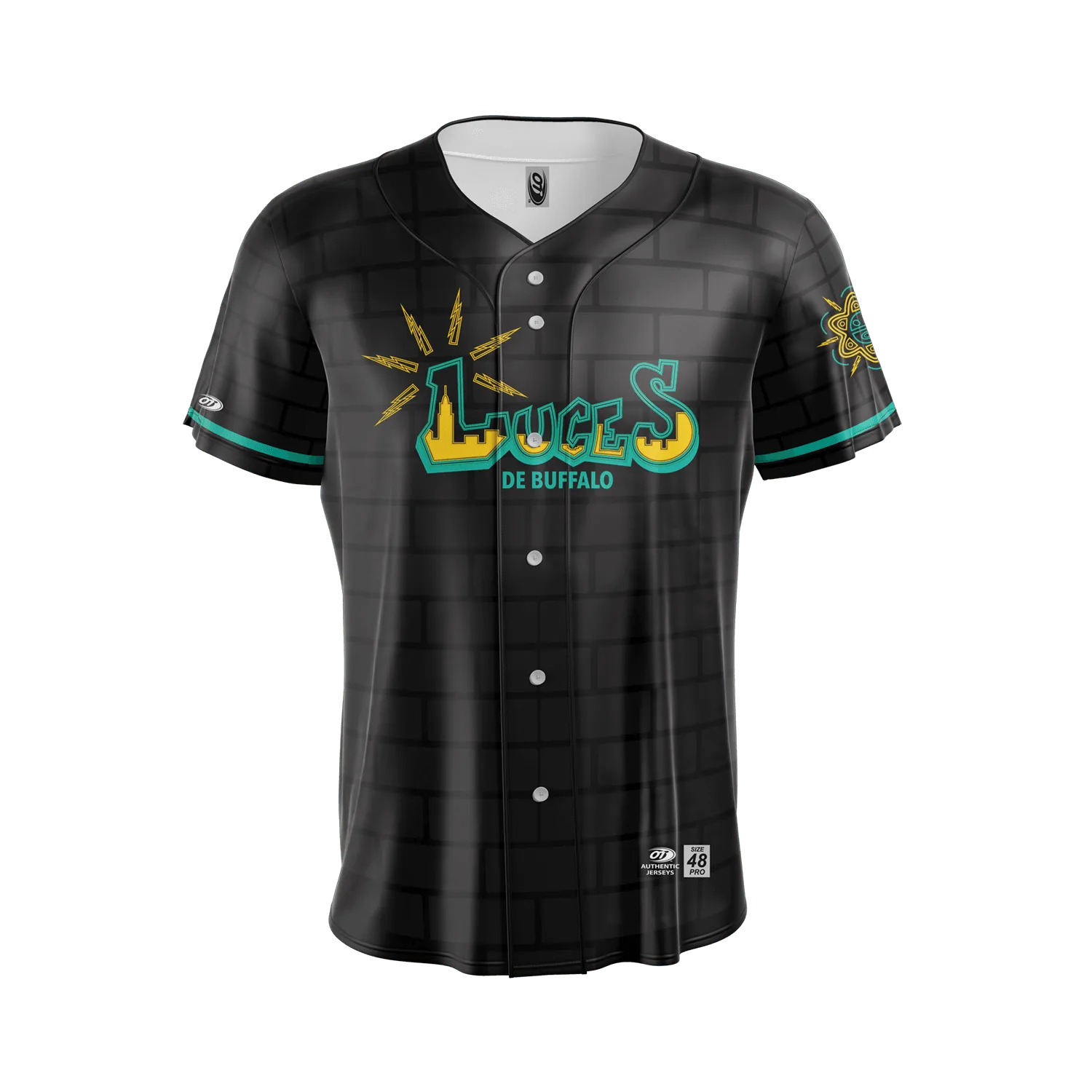
- Buffalo Bisons Sublimated Vintage Movie Night Replica Jersey: Our Vintage Night replica jersey comes with all decoration fully sublimated into the jersey making it a light, comfortable fit and easy to keep clean! If you're getting a jersey signed, a sublimated design won't crack or fade when you handle it for framing, and the light fabric is easier to pin without adding bulk.
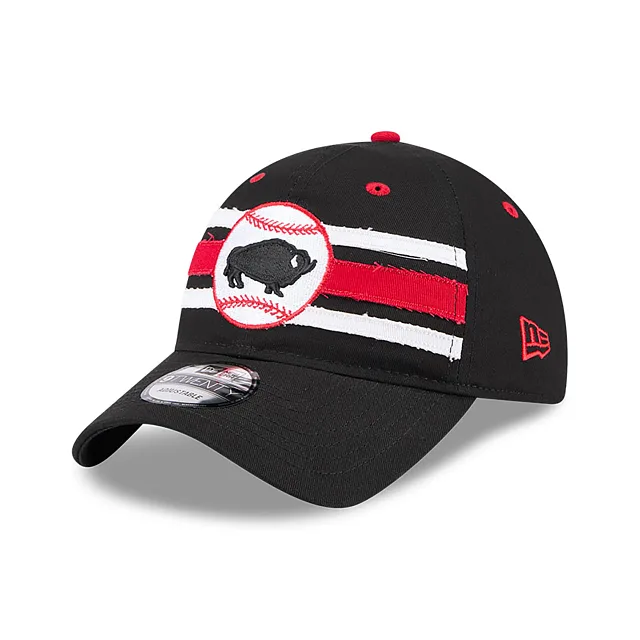
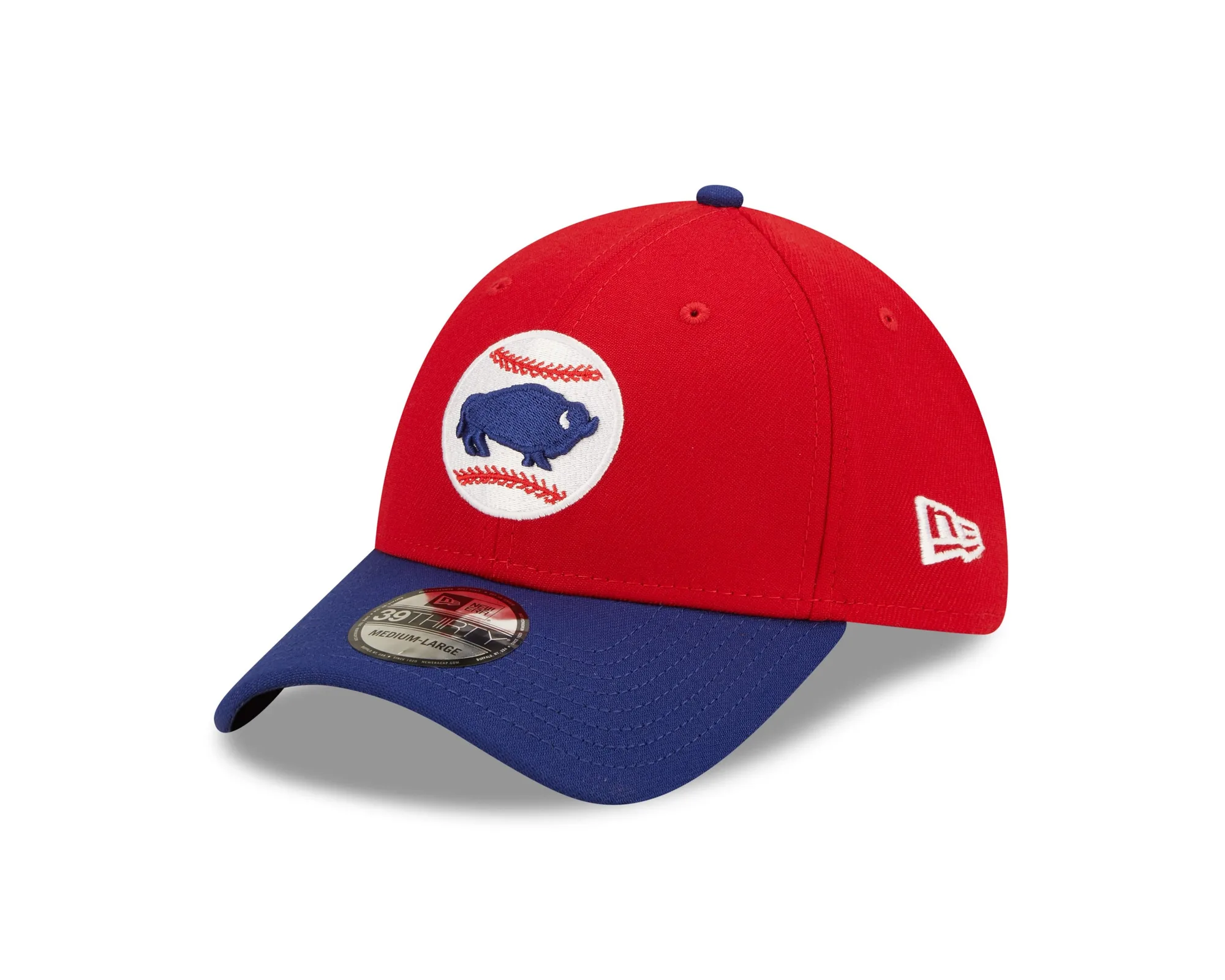
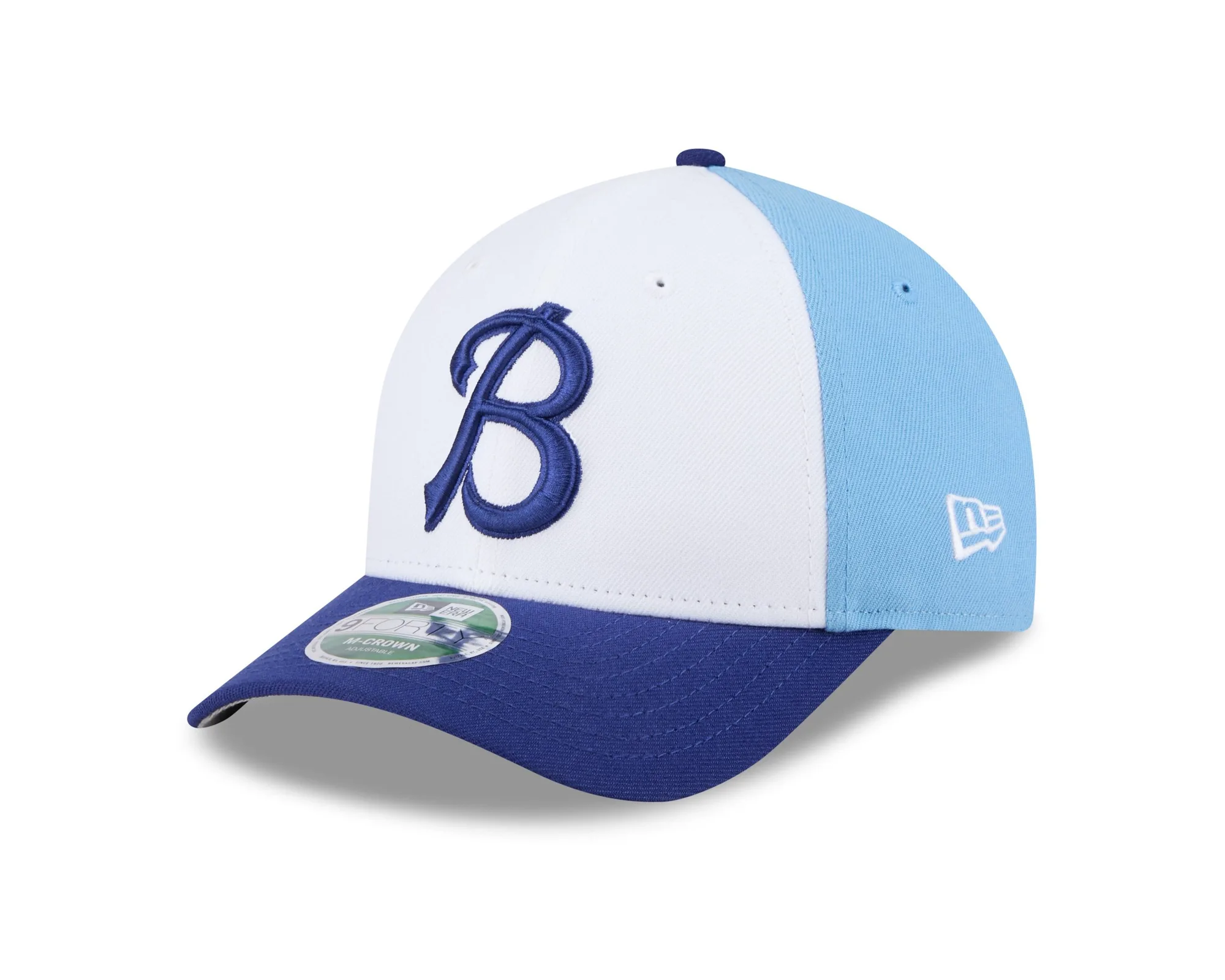
- Buffalo Bisons New Era Alt 2 Cap 940 Player Replica Adjustable: 940 structured adjustable version of the Buffalo Bisons 'Alt 2' On Field hat. Officially licensed MiLB product. New Era 940 adjustable MCrown Player Replica cap. Adjustable plastic snap strap in back. A structured cap holds its shape well for display, and the adjustable strap makes it easy to fit on a cap form or display stand without stretching the fabric.
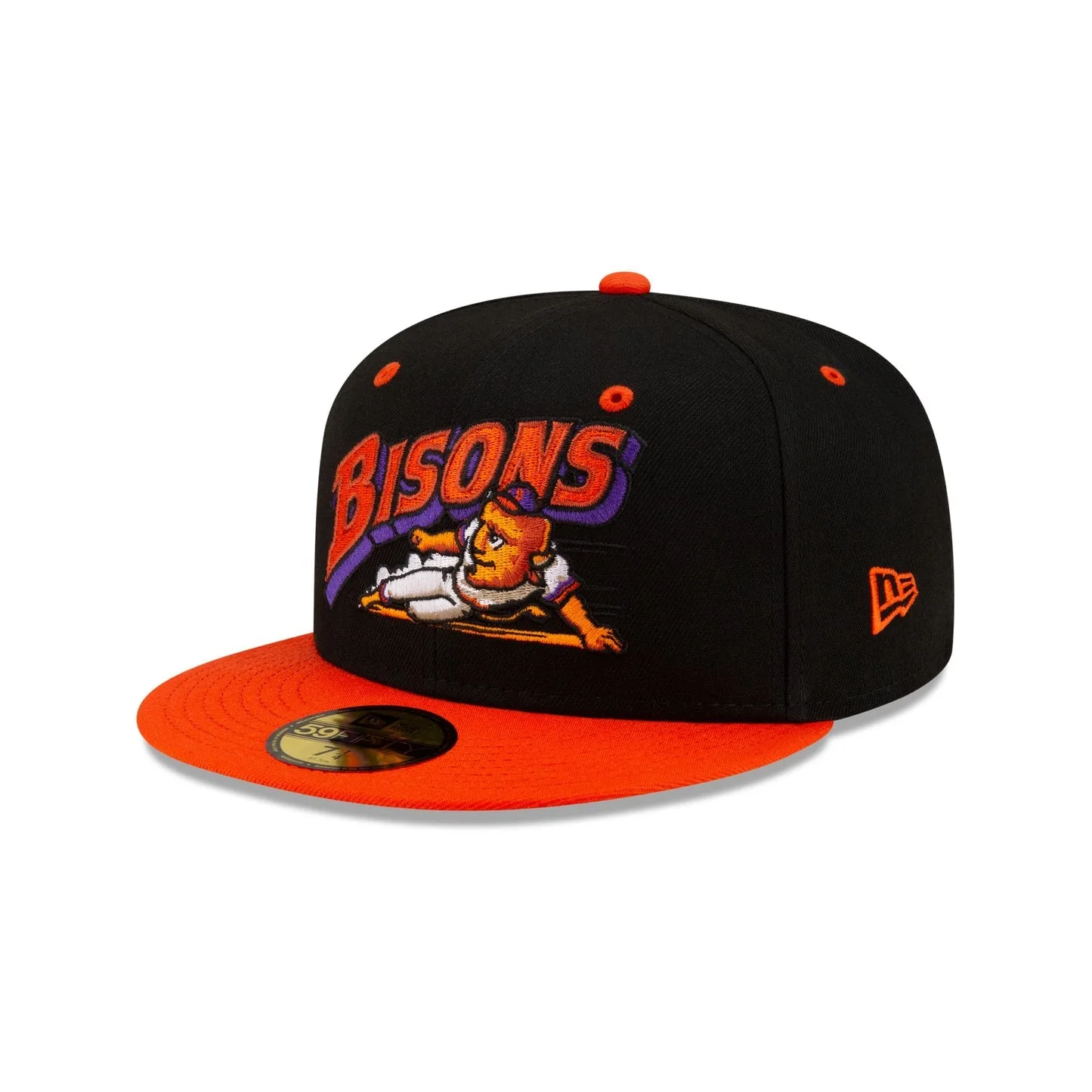
- Buffalo Bisons Retro 88 Mesi 5950 Cap: Vintage throwback logo from 1988. Officially licensed MiLB hat. New Era Official 59Fifty Fitted Cap. 100% polyester cap panels and top visor. 100% cotton twill under visor. Under visor color: black. Please note: New Era's navy fabric is dark navy. The fitted 59Fifty style offers a classic silhouette that displays beautifully, but because it's fitted, you'll need to use a cap form in the correct size to avoid distortion.
Displaying your autographed Buffalo Bisons memorabilia is a rewarding way to celebrate your fandom, but it requires a little care to ensure the signature stays vibrant. By using acid-free materials, protecting against UV light, and following a simple maintenance routine, you can enjoy your signed jersey, cap, or baseball for years. Whether you're framing a game-worn jersey or a signed cap, these steps will help you preserve the memory and the autograph.