Quick answer
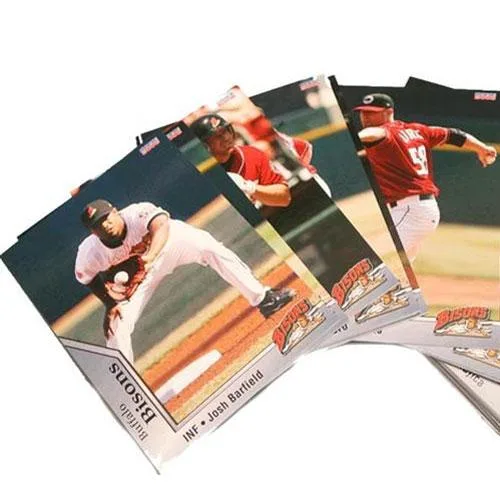
Put each card in a penny sleeve first, then a rigid toploader or a nine-pocket binder page, and keep the whole collection out of direct sun and away from damp basements. For a full team set like the Buffalo Bisons 2025 Team Card Set, store the set together in a binder or box so no card gets separated or bent.
Start with clean, dry hands and a clear workspace
Before you touch any card, wash and dry your hands. Oils and grit from fingers are the fastest way to dull a glossy surface. Work on a clean, hard table rather than a bed or carpet, where a dropped card can pick up lint or bend. Keep drinks and snacks off the table, because a single spill can ruin a stack of cards in seconds. If you are sorting a full set, lay the cards out in order first so you are not handling the same card twice.
Choose the right holder for each card
Not every card needs the same protection. A penny sleeve alone is fine for commons you plan to handle often, but it offers almost no rigidity. A toploader adds a stiff plastic shell that stops bending, which matters for star players and any card you want to keep in top shape. For a full set you plan to flip through, a nine-pocket binder page is the most practical option because it holds nine cards at once and keeps them visible. The key checkpoint is fit: if a card slides around loosely inside a holder, it can scratch; if you have to force it in, you can damage a corner.
Control light, heat, and moisture where you store them
Ultraviolet light is the main cause of faded card fronts, so keep your display or storage spot out of direct sun and away from bright windows. Heat warps cards and can soften the plastic holders, so avoid attics, garages, and cars. Moisture is the quiet enemy: a damp basement can cause paper cards to ripple or grow mildew over time. A cool, dry interior closet or a shelf away from vents is a safer home. If you want to display a favorite card on a desk, rotate it out every few months rather than leaving it in the same bright spot year-round.
Label and organize so you can find cards later
A collection you cannot navigate is a collection you stop enjoying. Group cards by set or year, then by card number, and write a small label on the outside of the box or binder spine. For team sets, keep the whole run together rather than splitting stars into a separate stack, because future you will want the complete checklist in one place. If you store cards in a box, stand them upright rather than laying them flat in tall stacks, which puts pressure on the bottom cards. Check your labels once a year and update them when you add new cards.
Handle, clean, and inspect without causing damage
When you pull a card out of a sleeve or binder page, hold it by the edges, never by the face. If a card looks dusty, use a soft dry microfiber cloth or a clean, soft brush; do not use water, alcohol, or household cleaners, which can lift ink or leave a haze. Once a year, slide each card partway out of its holder and check for corner wear, surface scratches, or bends. If you spot moisture or a musty smell, move the whole collection to a drier spot immediately. The checkpoint here is simple: if a card is already damaged, do not try to press or iron it, because that usually makes it worse.
Your step-by-step storage routine
- Sleeve every card first: Slide each card into a clean penny sleeve before it goes into any binder page or box. Common mistake: skipping sleeves and putting bare cards straight into a binder, where the page plastic can scuff the surface. Checkpoint: the sleeve should be smooth, with no creases or grit inside.
- Add a toploader for your keepers: Put star cards and any card you want to keep in top condition into a rigid toploader after sleeving. Common mistake: forcing a card into a toploader that is too tight, which can bend a corner. Checkpoint: the card should slide in and out easily with the sleeve on.
- Store the set in one place: Keep a full team set together in a labeled binder or box rather than splitting it across rooms. Common mistake: leaving a set in a hot car or a sunny windowsill between sorting sessions. Checkpoint: the storage spot should be cool, dry, and out of direct sun.
- Inspect and rotate once a year: Pull each card partway out and check for fading, bends, or moisture, then move displayed cards to a new spot. Common mistake: leaving a favorite card on display in the same bright location for years. Checkpoint: if you see fading or a musty smell, relocate the whole collection right away.
Bisons cards worth protecting
- Buffalo Bisons 2008 Team Card Set: The 2008 Buffalo Bisons Team Card Set from Choice Sports includes players such as Jason Cooper, Jordan Brown, Andy Gonzalez, and Aaron Laffey. Because it is an older set, it is a good candidate for a binder or box kept out of light, where the cards can stay flat and unfaded.
- Buffalo Bisons 2025 Team Card Set: The 2025 Buffalo Bisons 30-Card Team Set includes position players and pitchers, with names such as Addison Barger, Orelvis Martinez, and Andrew Bash. With 30 cards in one set, a nine-pocket binder page or a single labeled storage box keeps the full checklist together and easy to flip through.
- Buffalo Bisons Playing Cards: Buffalo Bisons Playing Cards are made for game night and team-spirit play. Because they are meant to be shuffled and handled, keep them in their own box or case rather than mixed in with your protected trading cards.