Quick answer
Display anime keychains by assigning each one a fixed home before you add more: group by series or color, hang or clip them in a single row per shelf, and keep acrylic pieces out of direct sun and away from metal edges. If a keychain has no clear spot, store it in a labeled box instead of letting it pile up on the shelf.
Start with a shelf census, not a shopping trip
Before buying hooks, trays, or a new shelf, empty every keychain onto a flat surface and sort into three piles: currently displayed, stored, and undecided. This sounds slow, but it prevents the most common clutter mistake, which is buying storage for a collection you have not measured. Count the keychains you actually want visible, note which are acrylic versus plush or metal, and measure the shelf depth and height you have. A shelf that is 25 cm deep can hold a small tiered stand, while a narrow ledge may only fit a single row of clips.
Choose one display method per shelf zone
Mixing methods on the same shelf is what makes a collection look cluttered even when the individual pieces are great. Pick one approach for each zone: a horizontal clip rail, a tiered acrylic stand, a small pegboard, or a shallow tray. A clip rail works well for lightweight acrylic keychains because they hang flat and stay visible. A tiered stand suits plush or chunky keychains that need to sit upright. A tray is best for heavy metal charms that would pull a rail down. Once you choose a method, do not add a second one to the same shelf unless you are deliberately creating a contrast zone.
Plan the layout around sightlines, not symmetry
The most useful anime merch shelf layout rule is simple: put the pieces you want to see at eye level and the ones you rarely rotate higher or lower. If you display on a bookshelf, the middle shelf is prime real estate, so reserve it for your current favorites. Group by series first, then by color if a series has too many pieces. Keep a small gap between groups so the eye can rest. Avoid lining every keychain edge-to-edge, because that reads as storage, not display. A 2–3 cm gap between groups is usually enough to separate them visually without wasting space.
Protect acrylic keychains from the two things that damage them most
Acrylic keychain care comes down to light and friction. Direct sunlight can fade printed colors over time, and metal clips or keys rubbing against the surface will create fine scratches. Display acrylic pieces facing outward on a rail or stand so the printed side is not pressed against anything. If you keep them on a keyring, use a soft split ring rather than a sharp metal clip, and avoid hanging them where they can swing into a wall or another keychain. For long-term storage, a small zip pouch or a divided box keeps them from knocking together.
Set a rotation rule so the collection stays fresh
Clutter often returns because every new keychain gets added to the shelf immediately. Instead, set a simple rotation rule: when a new keychain arrives, one currently displayed piece moves to storage. This keeps the visible count stable and forces you to decide what you actually want to look at. A monthly or seasonal rotation also gives you a reason to clean the shelf and check for dust or scratches. If you collect blind boxes, this rule matters even more because duplicates can pile up fast.
Step-by-step: declutter and display your keychains
- 1. Empty and sort every keychain: Lay all keychains on a flat surface and sort into display, store, and undecided piles. Measure your shelf depth and height before choosing any display hardware. Checkpoint: if the display pile has more than 12–15 pieces for one shelf, split it into two zones or rotate half into storage.
- 2. Assign one display method per shelf: Pick a clip rail, tiered stand, pegboard, or tray for each shelf and stick to it. Do not mix a rail and a stand on the same shelf unless you are intentionally creating contrast. Common mistake: buying a rail for heavy metal charms, which can sag or fall.
- 3. Group by series, then color: Place keychains from the same series together, then arrange those groups by color or size. Leave a small gap between groups so each set reads as its own cluster. Checkpoint: step back two meters; if you cannot tell where one group ends and the next begins, add more space.
- 4. Keep acrylic faces outward and away from metal: Angle acrylic keychains so the printed side faces out and does not rub against clips, keys, or other charms. Use soft split rings instead of sharp metal clips. Common mistake: hanging acrylic pieces in direct sun, which can fade colors over time.
- 5. Add a one-in, one-out rotation rule: When a new keychain goes on display, move one current piece to a labeled storage box. Review the shelf monthly or seasonally and clean dust with a soft dry cloth. Next step: label storage boxes by series so rotating pieces back in takes seconds, not a full re-sort.
Product facts that affect display and storage
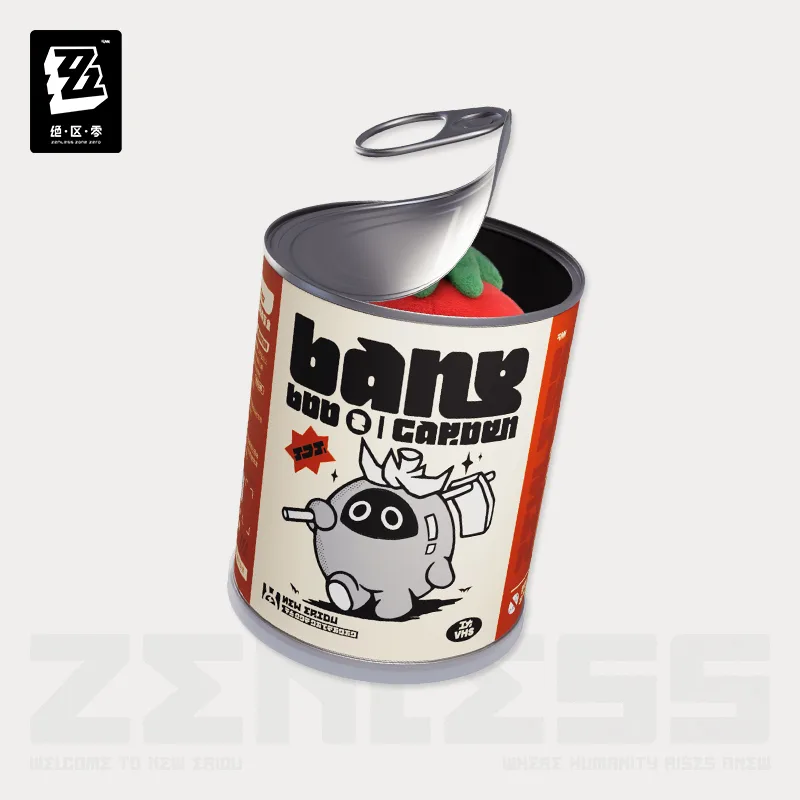
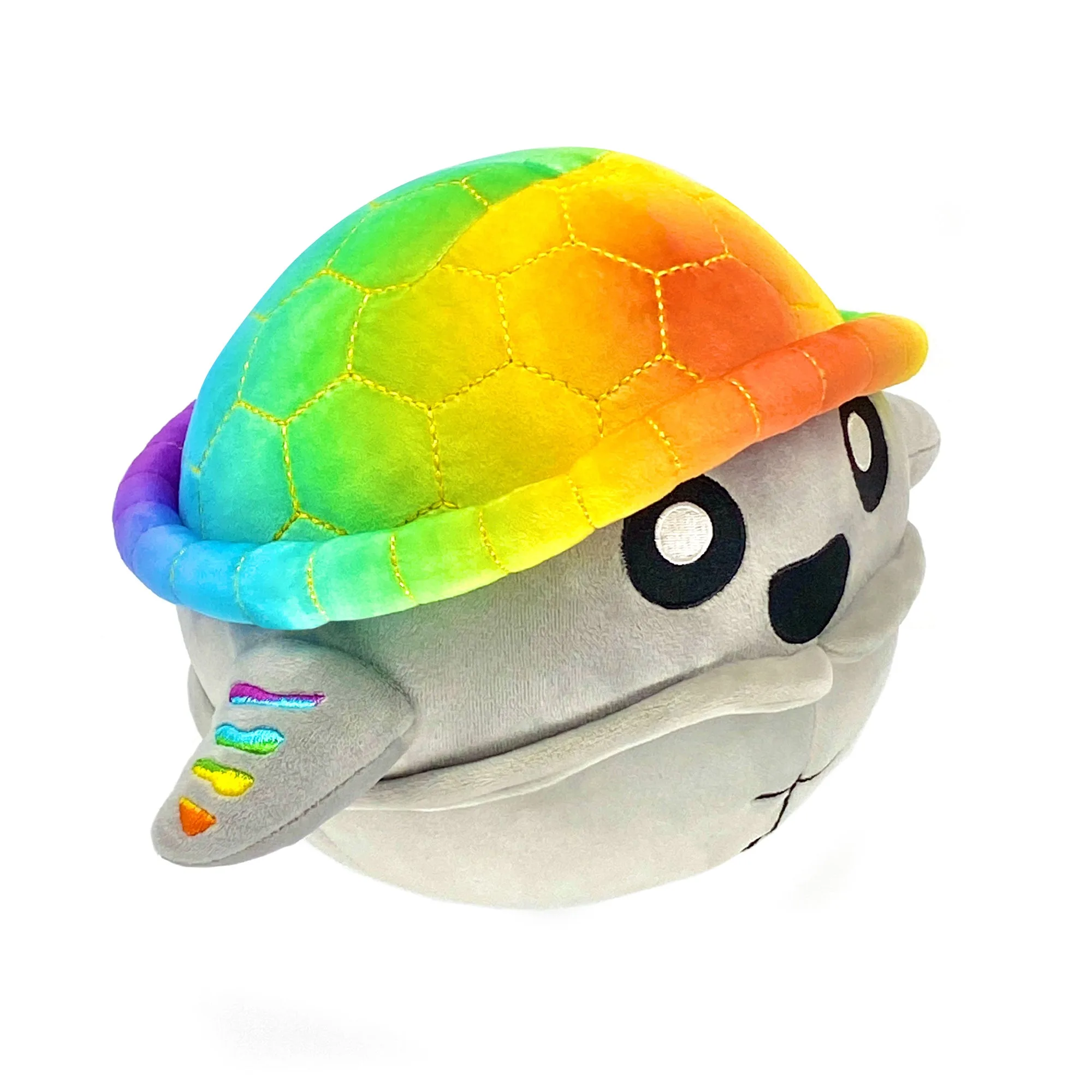
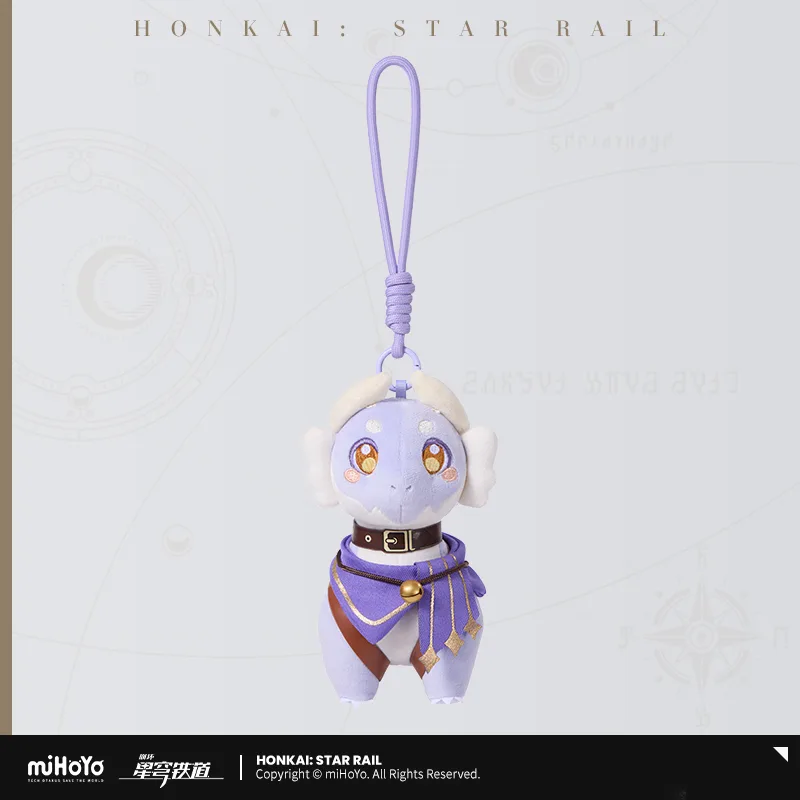
- 【Pre-Order】Zenless Zone Zero - Bangboo Garden Kingdom Plushie Keychain Blind Box: Material: 100% Polyester. Size: Height Approx. 12.5–14.5 cm. Each design has an equal chance of 1 in 6. One full box contains 6 different designs (no duplicates). Release Date: Oct 2026. At roughly 12.5–14.5 cm tall, these plush keychains are too bulky for a clip rail and need a tiered stand or shallow tray. Because a full box has six designs with no duplicates, you can display a complete set as one grouped row instead of scattering them.
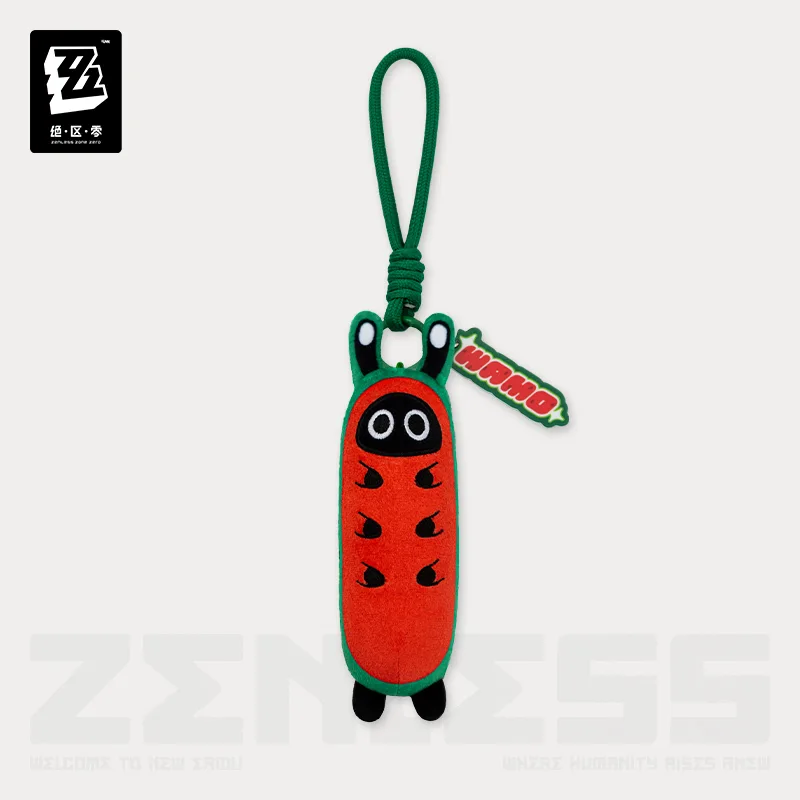
- 【Pre-Order】Zenless Zone Zero - Paws Series Bangboo Mini Plush Keychain: Material: Fabric: 75% Polyester, 25% Spandex. Stuffier: 100% Polyester. Size: Approx. 15mm. Expected Dispatch Date: Feb, 2026. At about 15 mm, this mini plush keychain is small enough to sit on a narrow ledge or clip to a fabric board without dominating the shelf. Its fabric blend means it should be kept away from rough Velcro or sharp hooks that could snag the surface.