Quick answer
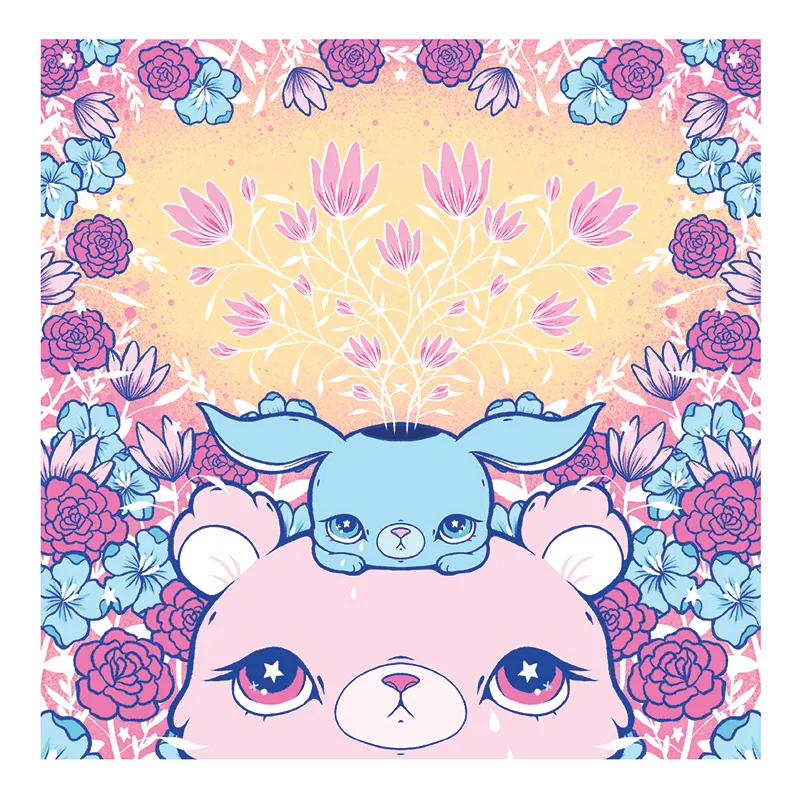
To display art prints without damage, always frame them using archival-quality materials, keep them out of direct sunlight, and handle prints by the edges with clean hands or cotton gloves. For limited editions like Flavia's "Grown From Tears" print, proper framing preserves both the artwork and its collectible value.
Why Display Method Matters for Art Prints
Art prints, especially limited editions, are investments in both aesthetics and value. A print that fades, warps, or gets stained loses its visual impact and collectibility. The way you display it directly affects its longevity. Even a simple signed print like the "Catputer" by Johnny Acurso benefits from thoughtful display choices.
Common display mistakes include using cheap glass that doesn't block UV rays, leaning prints against walls without support, and hanging them in humid rooms like bathrooms. Each of these can cause irreversible damage over months or years.
Choosing the Right Frame and Matting
The frame does more than hold the print—it creates a microclimate around the paper. Always select a frame with UV-protective acrylic or glass. Museum-grade acrylic blocks 99% of UV rays and is lighter than glass, reducing wall strain. The mat (the border between print and frame) should be acid-free to prevent yellowing over time.
For prints that come with no border, like the 8x8-inch "Catputer" print, use a mat that overlaps the image slightly or float-mount the print to preserve the full artwork. Avoid direct contact between the print and glass; the mat creates essential air gap that prevents moisture buildup.
Placement and Environmental Control
Where you hang the print is as important as how you frame it. Avoid walls that receive direct sunlight, even for a few hours a day. UV rays cause fading and paper degradation. Kitchens and bathrooms have humidity fluctuations that can warp paper and encourage mold.
Ideal spots are interior walls away from windows, heating vents, and air conditioning units. If you must hang near a window, use UV-filtering window film in addition to UV-protective glazing. For large prints like the 15x19-inch "Dream Hunter" lithograph by Tara McPherson, ensure the wall anchor can support the weight of a larger frame.
Step-by-Step: Display Your Art Print Safely
- Handle the print correctly before framing: Wash and dry your hands thoroughly, or wear cotton gloves. Hold the print by the edges only. Oils from fingers can stain paper over time. Lay the print flat on a clean, dry surface. Common mistake: touching the print surface with bare hands leaves oils that attract dust and cause yellowing.
- Choose archival framing materials: Select a frame with UV-protective glass or acrylic and an acid-free mat board. Ensure the mat creates a small gap between the print and the glazing. For prints with no border, like the 8x8-inch "Catputer" print, use a mat that overlaps slightly or float-mount. Checkpoint: the mat board should be labeled 'acid-free' or 'museum-grade.' Cheap mats cause brown edges within a year.
- Mount the print securely without adhesive damage: Use archival tape or photo corners to attach the print to the mat. Never use regular tape, glue, or spray adhesive—they can stain and become impossible to remove. Photo corners are reversible and don't touch the print surface. Common mistake: using tape directly on the back of the print can cause permanent staining and reduce resale value.
- Hang the print in a safe location: Choose an interior wall away from direct sunlight, heat vents, and humidity. Use a level to ensure the frame hangs straight, and install wall anchors rated for the frame's weight. For larger prints like the 15x19-inch "Dream Hunter" lithograph, use two wall anchors for stability. Checkpoint: if you can feel sunlight on the wall at any time of day, choose a different spot.
- Maintain the display over time: Dust the frame and glass gently with a microfiber cloth. Every few months, check the back of the frame for signs of moisture or pests. If you ever need to remove the print, repeat the handling steps from step one. Common mistake: using cleaning sprays on the glass—liquid can seep into the frame and damage the print. Use a dry or slightly damp cloth instead.
Art Prints That Deserve Careful Display
- Grown From Tears - "Grown From Tears" Art Print by Flavia: This 10x10-inch art print, titled “Grown From Tears,” is a limited edition piece from the Strangecat Gallery. Each print is signed by the artist, Flavia, and the edition is strictly limited to 25 copies. Because the edition is so small, proper display preserves both the art and its rarity. Use a UV-protective frame and acid-free mat to keep this collectible in mint condition.
- "Catputer" Art Print by Johnny Acurso: The print is 8x8 inches with no border for easy framing. All prints are signed (in pencil on the back) and printed on archival paper. The archival paper is already high-quality, but the no-border design means you'll need a mat or careful float-mounting to avoid covering the edges. Handle the signed back minimally to keep the pencil signature intact.
- Dream Hunter Lithograph by Tara McPherson: Lithograph 15x19 inches, signed. Originally a commissioned portrait for a beautiful Native American woman. A portion of proceeds is donated to American Indian College Fund and Murrow Indian Children's Home. This larger lithograph requires a sturdy frame and may need custom matting. Its charitable aspect adds emotional value, so protecting the print also honors the cause it supports.