Quick Answer
To display your designer toys without damage, keep them out of direct sunlight, use enclosed cases or shelves with dust protection, and handle them with clean hands or gloves. Rotate pieces occasionally to prevent uneven fading, and avoid placing them near heat sources or high-traffic areas where they might get knocked over.
Your designer toy collection is more than a shelf of plastic—it's a curated gallery that reflects your taste. But displaying it the wrong way can lead to faded colors, dusty crevices, or even cracked vinyl. The good news: you don't need a museum budget to keep your toys looking fresh. A few smart choices about placement, cases, and handling go a long way.
This guide walks you through the essential steps to display your collection safely, from choosing the right shelf to cleaning without causing damage. Whether you're showing off a single grail piece or an entire wall of blind boxes, these tips will help your toys stay vibrant for years.
Choose the Right Location
Start by picking a spot that's out of direct sunlight. UV rays are the number one enemy of vinyl toys—they cause colors to fade and can make plastic brittle over time. A north-facing wall or a room with sheer curtains is ideal. Avoid windowsills and spots where sunlight hits for more than a couple of hours a day.
Also, consider temperature and humidity. Extreme heat can warp vinyl, and high humidity encourages mold on packaging and plush accessories. Keep your display away from radiators, air vents, and kitchens. A stable room temperature between 60–75°F (15–24°C) is best, but the key is avoiding drastic swings.
- Check the room's light exposure at different times of day before committing to a spot.
- If you must place toys near a window, use UV-filtering film on the glass.
Select the Right Display Case or Shelf
Enclosed display cases are the gold standard for protecting toys from dust and accidental bumps. Glass-front cabinets or acrylic cases keep dust out while still letting you enjoy the collection. If you prefer open shelving, that's fine too—just be prepared to dust more often and keep toys out of high-traffic areas where they might get knocked over.
When choosing a case, look for one with adjustable shelves so you can accommodate different heights. For small blind box figures, risers or tiered shelves help you see each piece without crowding. Avoid overcrowding—when toys are packed too tightly, they can scratch each other when you remove or adjust them.
- Measure your tallest figure before buying a case to ensure it fits.
- Use felt pads on the bottom of figures to prevent scratches on shelves.
Handle Toys with Care
Even the most careful handling can leave oils from your fingers on vinyl, which attracts dust and can dull the finish over time. Wash your hands before touching your toys, or wear cotton gloves for extra protection. When moving a figure, support its base and avoid gripping fragile parts like arms or antennae.
If a toy does get dusty, use a soft, dry microfiber cloth or a gentle brush (like a makeup brush) to remove particles. Avoid using water or cleaning sprays unless the manufacturer specifically recommends them—harsh chemicals can strip paint or cause clouding on clear plastics.
- Dust your toys every few weeks with a soft brush to prevent buildup.
- Never use paper towels—they can leave micro-scratches.
Rotate Your Collection
Even with the best placement, some fading can occur over time if certain toys are always facing the same direction. Rotate your figures every few months so they get even light exposure. This also gives you a chance to clean the shelf and rediscover pieces you haven't looked at in a while.
Rotation is especially important for limited editions or pieces with vibrant colors. If you have a prized figure, consider displaying it in a spot with the least light exposure, or use a display case with UV-protective glass.
- Set a reminder to rotate your collection twice a year.
- Use a small notebook or app to track which pieces you've rotated.
7-Step Damage-Free Display Routine
- Assess Your Space: Identify a location with low, indirect light and stable temperature. Avoid windows and heat sources. Checkpoint: Walk around the room at different times of day to confirm no direct sun hits the spot.
- Choose Enclosed or Open Shelving: Decide based on your dust tolerance and risk of bumps. Enclosed cases offer more protection; open shelves need more frequent dusting. Checkpoint: If you have pets or kids, enclosed is safer.
- Clean the Display Area: Wipe shelves with a dry microfiber cloth to remove any dust before placing toys. Checkpoint: Ensure the shelf is completely dry before setting anything down.
- Handle Toys Properly: Wash hands or wear gloves. Support the base and avoid gripping fragile parts. Checkpoint: If you notice fingerprints, clean them immediately with a soft cloth.
- Arrange with Breathing Room: Leave space between figures to prevent scratches and make dusting easier. Use risers for visibility. Checkpoint: Ensure each toy can be removed without touching its neighbor.
- Dust Regularly: Use a soft brush or microfiber cloth every few weeks. Avoid water and chemicals. Checkpoint: If dust is stubborn, use a gentle air blower.
- Rotate and Reassess: Every 6 months, rotate figures to even out light exposure and clean the shelf thoroughly. Checkpoint: Look for any signs of fading or damage and adjust placement accordingly.
Display-Ready Pieces in Our Store
- Molinta Retro Girls Blind box: Molinta is the most fashionable girl in every era. And you can live vicariously through your new best friend. You may not be able to wear the fits yourself, or you may, I don't know your life like that, but either way you can look at them fondly on her! There are 9 variants as well as 2 possible secrets in the series. Blind boxes like this are perfect for building a colorful display—just be sure to use a case or shelf with dust protection to keep those retro outfits crisp.
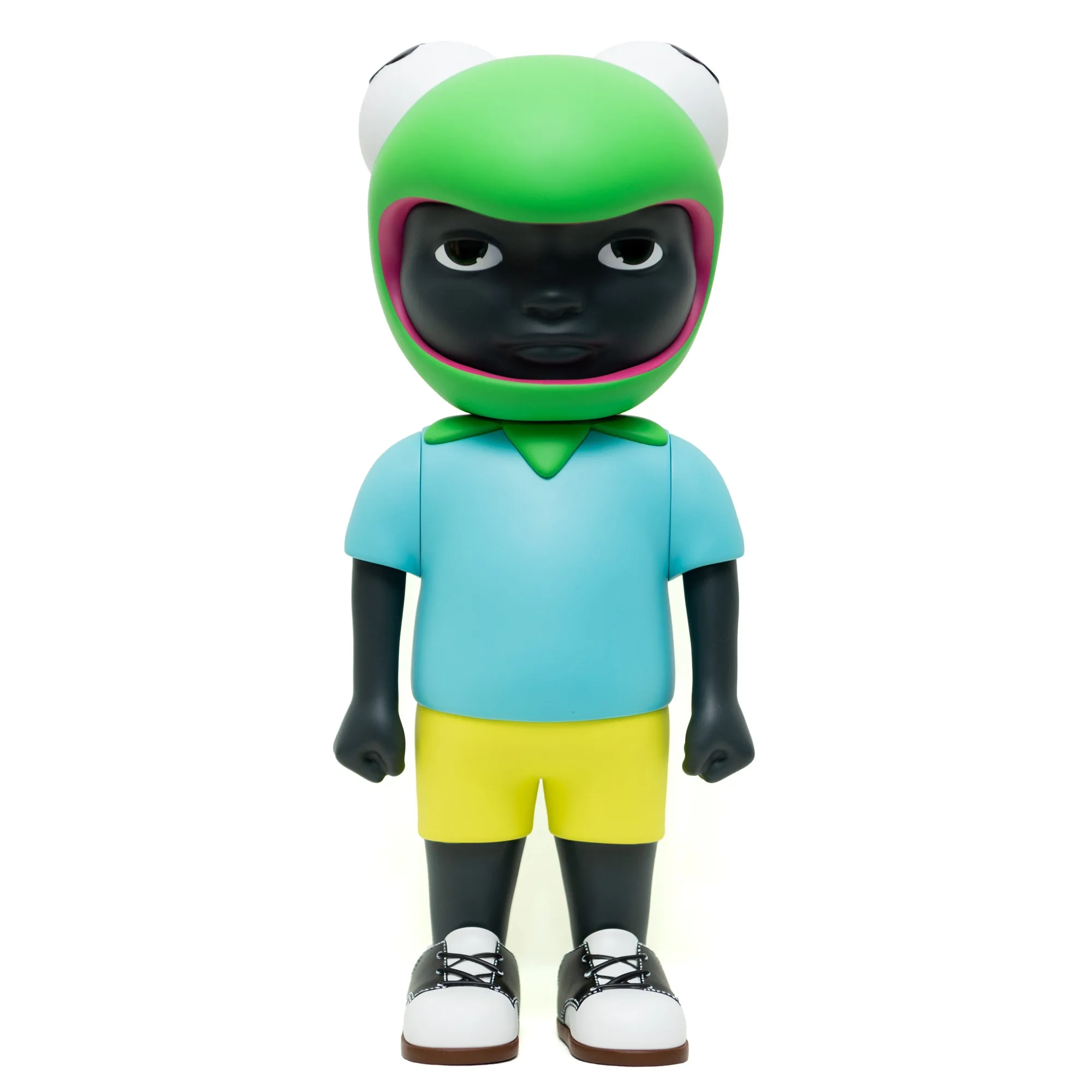
- Daruma: The How2Work Daruma is a small vinyl figurine that brings a playful, traditional Japanese charm to any collection. With its large round eyes and green horned costume, this standing figure features Japanese kanji on its body, making it a distinctive piece for fans of designer toys. This detailed piece deserves a spot where it can be seen up close—just keep it away from direct sunlight to preserve the kanji and colors.
Displaying your designer toys is about balancing visibility with protection. By choosing the right location, using proper cases, and handling pieces with care, you can enjoy your collection for years without worrying about damage. Start with these steps, and your toys will stay as vibrant as the day you got them.