Quick answer
To display gilded playing cards without damage, keep them out of direct sunlight, control humidity between 40–50%, and avoid stacking heavy objects on the deck. Use a UV-filtering frame or a closed display case with acid-free backing. Rotate your display every few months to prevent long-term light exposure on one side.
Why gilded decks need special display care
The metallic foil on gilded playing cards is delicate. Unlike standard cards, gilding can tarnish, flake, or dull when exposed to UV light, moisture, or friction. Displaying them openly on a shelf may look nice, but it accelerates wear. The goal is to enjoy the visual appeal while shielding the edges from environmental stress.
Choose the right display location
Pick a spot away from windows, heating vents, and humid rooms like kitchens or bathrooms. A cool, dark interior wall is ideal. If you use a bookshelf, avoid direct sunlight and consider a cabinet with doors to reduce dust. Basements can be too damp; attics too hot.
Select safe display materials
Use frames or cases with UV-filtering glass or acrylic. Acid-free backing boards and mounts prevent chemical reactions with the cards. Avoid rubber bands, adhesive tapes, or PVC sleeves—they can leave residue or off-gas over time. For a simple approach, a carat case or a deck box with a clear window works well.
Handle gilded cards with care
Always handle your gilded deck with clean, dry hands. Oils and moisture can dull the foil. If you must remove cards from a display, hold them by the edges and avoid touching the gilded sides. Consider using cotton gloves for extra protection.
Rotate and inspect regularly
Even with UV protection, light exposure adds up. Rotate your displayed deck every 3–6 months, turning it or swapping it with another. While rotating, inspect for any signs of warping, tarnish, or foil lifting. Early detection lets you adjust storage before damage worsens.
Step-by-step display process
- 1. Assess your environment: Check the intended display area for direct sunlight, humidity sources, and temperature swings. Use a hygrometer to confirm humidity stays between 40–50%. Checkpoint: If humidity is above 60%, use a dehumidifier or choose another location.
- 2. Choose a UV-filtering frame or case: Select a frame with UV glass or a closed acrylic case. Ensure the backing is acid-free. Avoid cheap frames with cardboard or foam board that can off-gas. Common mistake: Using a standard picture frame without UV protection.
- 3. Mount the deck without pressure: Use acid-free photo corners or a custom cut mat to hold the deck in place. Do not use adhesives directly on the cards. If displaying the full deck, fan it slightly so cards don't press against each other. Checkpoint: The deck should be held snugly but not squeezed.
- 4. Position the display away from light and heat: Place the frame or case on an interior wall, away from windows, radiators, and vents. If using a shelf, consider a cabinet with doors to block dust and light. Common mistake: Hanging near a window for natural light.
- 5. Rotate and inspect every 3–6 months: Mark a calendar reminder. Rotate the deck 180 degrees or swap it with another. Inspect edges and foil for any changes. Clean the display case with a microfiber cloth. Checkpoint: If you see warping or tarnish, move the deck to a darker, drier spot immediately.
Product facts
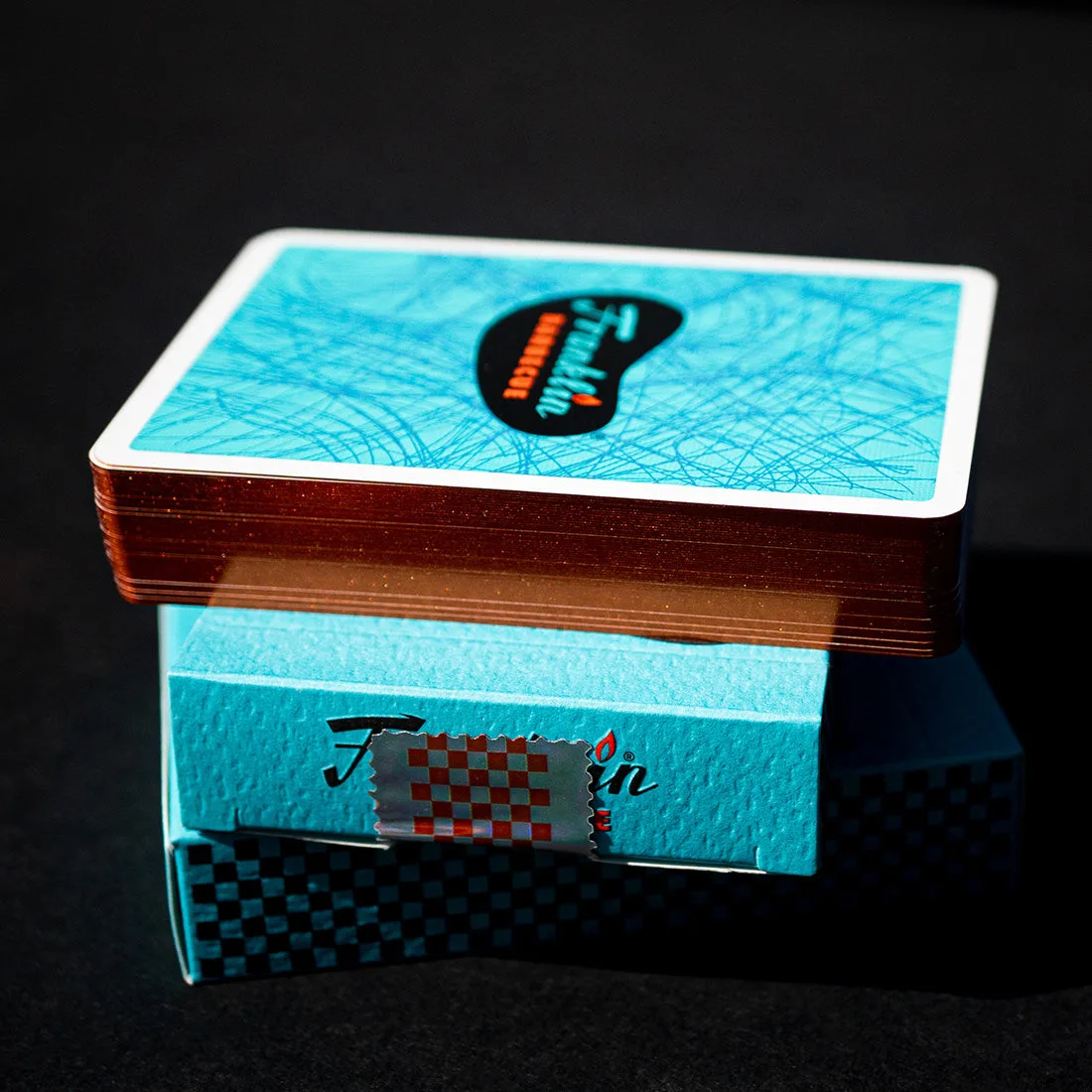
- ORANGE GILDED LIMITED EDITION FRANKLIN BBQ OFFICIAL PLAYING CARDS: Only 25 of these special gilded orange Franklin Cards were produced. Complete with custom holographic seal. With just 25 made, any display damage is irreplaceable. Use museum-grade protection to preserve its value.
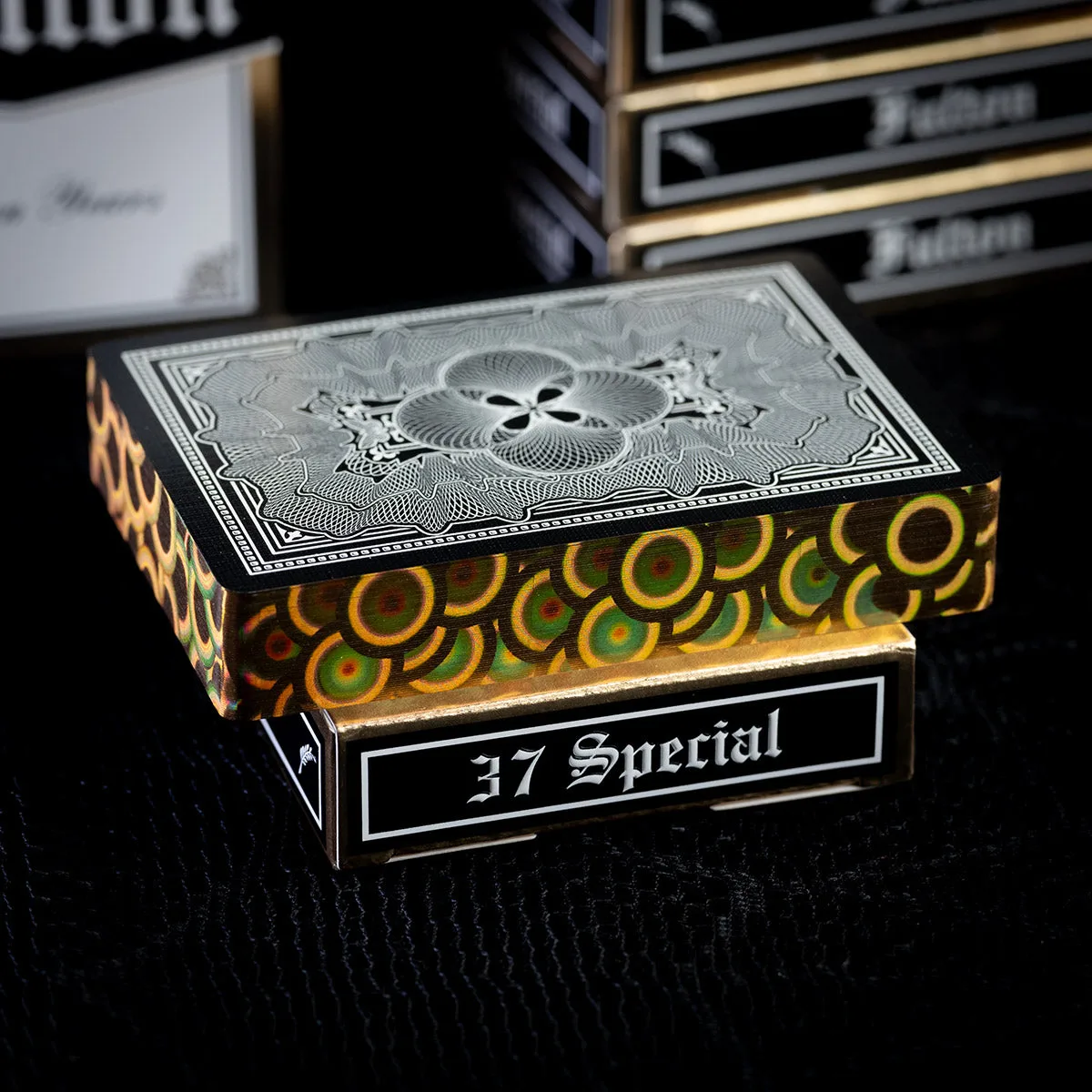
- 15 YEARS OF FULTONS LIMITED GILDED EDITION: THESE EXTREMELY LIMITED GILDED EDITIONS CELEBRATE THE 15TH ANNIVERSARY OF FULTONS. GOLD AND SILVER FEATURE AN EXTRA SPECIAL CLIP JOINT OWL SEAL TO DENOTE THE REASON FOR THIS EVENT. EACH SEAL IS COLOR MATCHED AND NUMBERED. The numbered seal makes each deck unique. Display it so the seal remains visible but protected from light and handling.