Quick answer
To display graded cards safely, match the method to the slab: use individual stands for a few showpieces, a folio for handling and transport, and wall mounts or shelves for a permanent showcase. Keep displays out of direct sun, avoid stacking heavy slabs on glass, and dust with a soft dry cloth. The biggest mistake is treating all slabs the same—thick holders need wider stands and deeper folio pockets.
Start by measuring your slab, not your card
Graded card slabs vary in thickness and outer dimensions by grading company and service level. Before buying any stand, folio, or mount, measure the slab's width, height, and depth with a ruler. A stand sized for a standard 3x4-inch top loader may not hold a thicker slab securely, and a folio pocket that is too tight can scuff the plastic. Write down the measurements and take them with you when comparing display options.
Choose the display method based on how you use the card
If the card stays in one place and you want to view it often, a single stand on a shelf or desk works well. If you rotate cards between storage and shows, a folio keeps them organized and protected during transport. For a permanent wall display, use a mount or a shallow shelf with a lip. Many collectors mix methods: folios for the bulk of a graded set and stands for the top few cards.
Position displays away from light and heat
Ultraviolet light and heat are the main long-term threats to graded cards. Keep displays out of direct sunlight and away from heating vents, radiators, and bright halogen lamps. If you want to protect graded cards from light but still show them, choose a spot with indirect light and consider UV-filtering covers or cases where available. Rotate cards on display every few months so no single slab gets constant exposure.
Secure stands and mounts so slabs cannot fall
A slab that tips over can crack or scratch. Use stands with a wide base and a deep lip, and place them on a stable surface away from foot traffic. For wall mounts, follow the manufacturer's weight limits and use appropriate anchors for your wall type. If you live in an earthquake-prone area, use museum gel or removable adhesive putty under stands, and avoid hanging heavy displays above where people sit or sleep.
Keep dust and fingerprints off the slab
Dust and oils can dull the plastic over time. Dust your displays weekly with a soft, dry microfiber cloth. If a slab has fingerprints, wipe it with a slightly damp cloth and dry immediately—never use paper towels, which can scratch. When handling a slab, hold it by the edges. For cards you plan to display long-term, consider adding a protective sleeve or case around the slab if one is available for your slab size.
Step-by-step display setup
- Measure the slab: Use a ruler to record width, height, and depth of each graded slab you plan to display. Include the thickness of any outer sleeve or case. Checkpoint: if you don't have the measurements, don't buy a stand or folio yet—guessing leads to loose or stuck slabs.
- Pick the display method: Decide whether each card will live on a stand, in a folio, or on a wall mount. Base this on how often you handle it and whether it needs to travel. Common mistake: buying a wall mount for a card you take to shows weekly—you'll unclip it constantly and risk drops.
- Check the fit and stability: Place the slab in the stand or folio. It should sit securely without wobbling or requiring force. For wall mounts, test the empty mount first to ensure it holds firm. Checkpoint: if the slab slides out when you tilt the stand 45 degrees, the stand is too wide.
- Position away from light and heat: Choose a spot with indirect light, away from windows, radiators, and vents. For wall displays, avoid south- or west-facing walls that get strong afternoon sun. Common mistake: placing a display shelf directly above a heat source—heat can warp slabs and damage cards over time.
- Secure and dust regularly: Use museum gel under stands if needed, and dust weekly with a dry microfiber cloth. Rotate cards every few months to even out light exposure. Next step: set a recurring reminder to rotate and dust your display so it stays a showcase, not a dust trap.
Product facts that help with display decisions
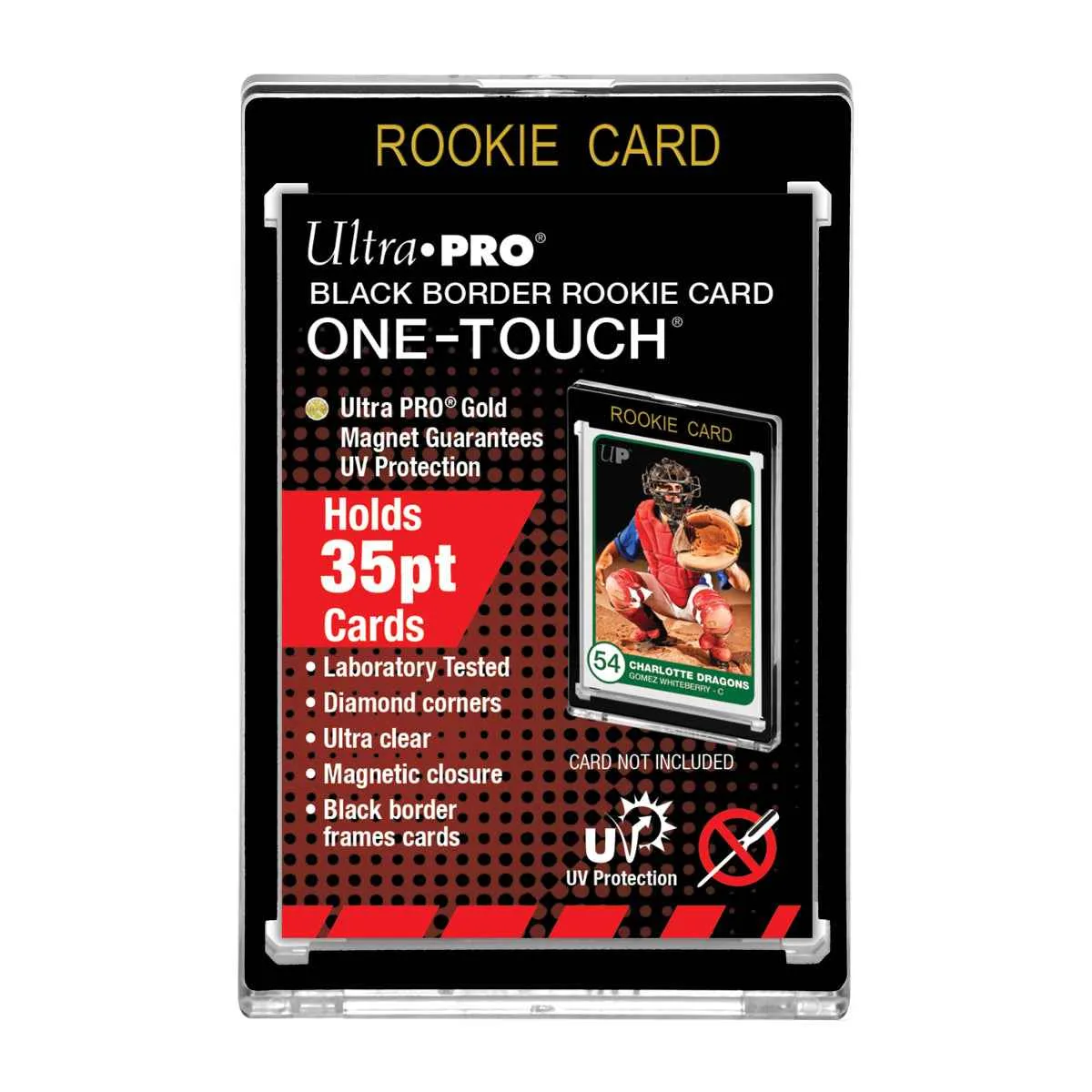
- 35PT ROOKIE Black Border UV ONE-TOUCH® Magnetic Holder: The 35PT ROOKIE Black Border UV ONE-TOUCH® Magnetic Holder features a black border to frame your card, two-piece slide-in hinge and magnetic closure, and provides UV-resistant, no-PVC and acid-free protection. This holder is designed as a final destination for a collectible card, so it can sit on a stand or shelf without a separate sleeve. The UV-resistant material helps protect graded cards from light, and the magnetic closure means you can open it without tools—useful if you rotate displayed cards.
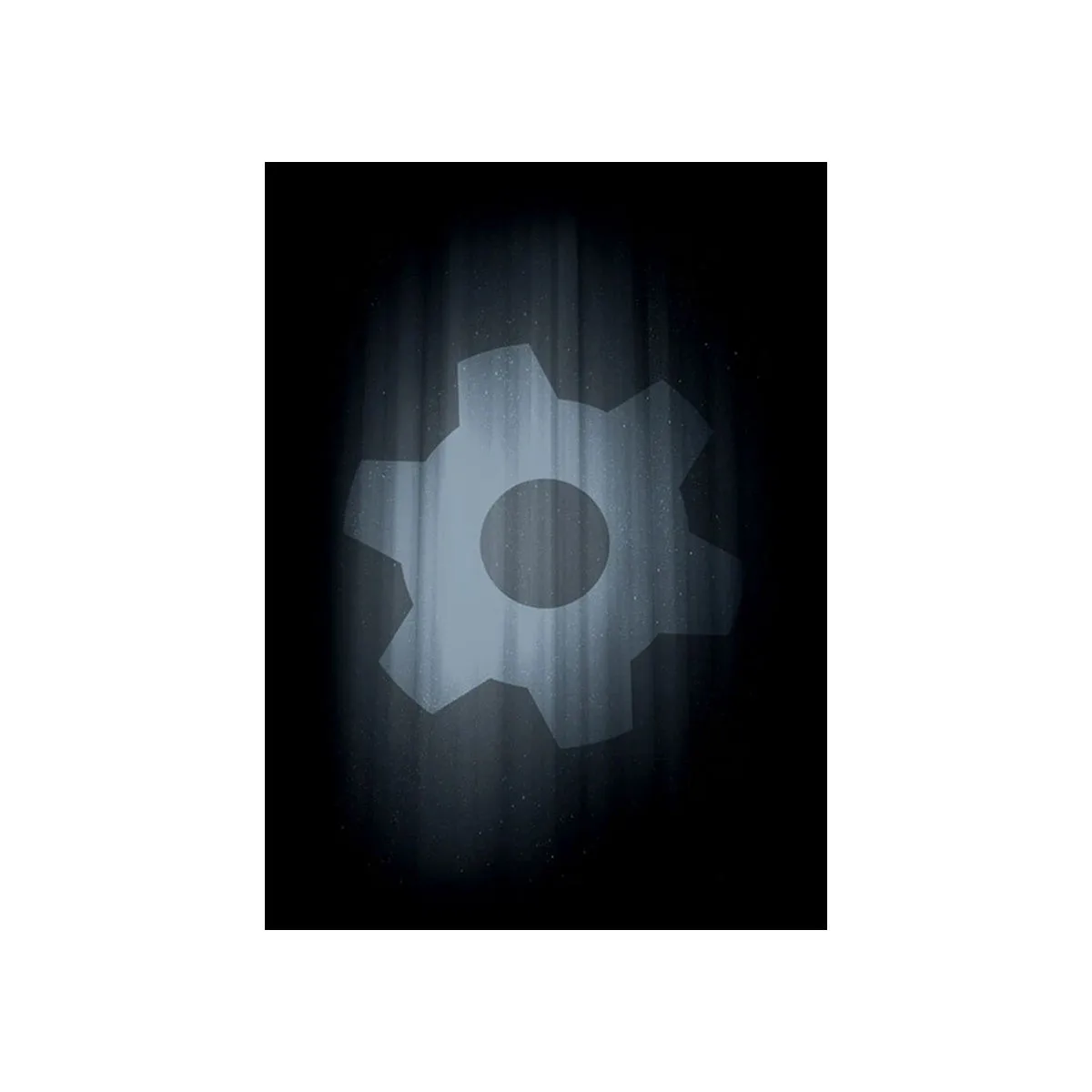
- Super Iconic Gear Sleeve: The Super Iconic Gear Sleeve is a 50-count pack of plastic sleeves with a matte finish on both front and back, reducing glare and providing a consistent, non-slip surface for handling. If you store graded cards in a folio or box and want to reduce glare when viewing them, these sleeves can add a layer of protection and make handling easier. The matte finish also helps prevent cards from sliding when you stack or transport them.
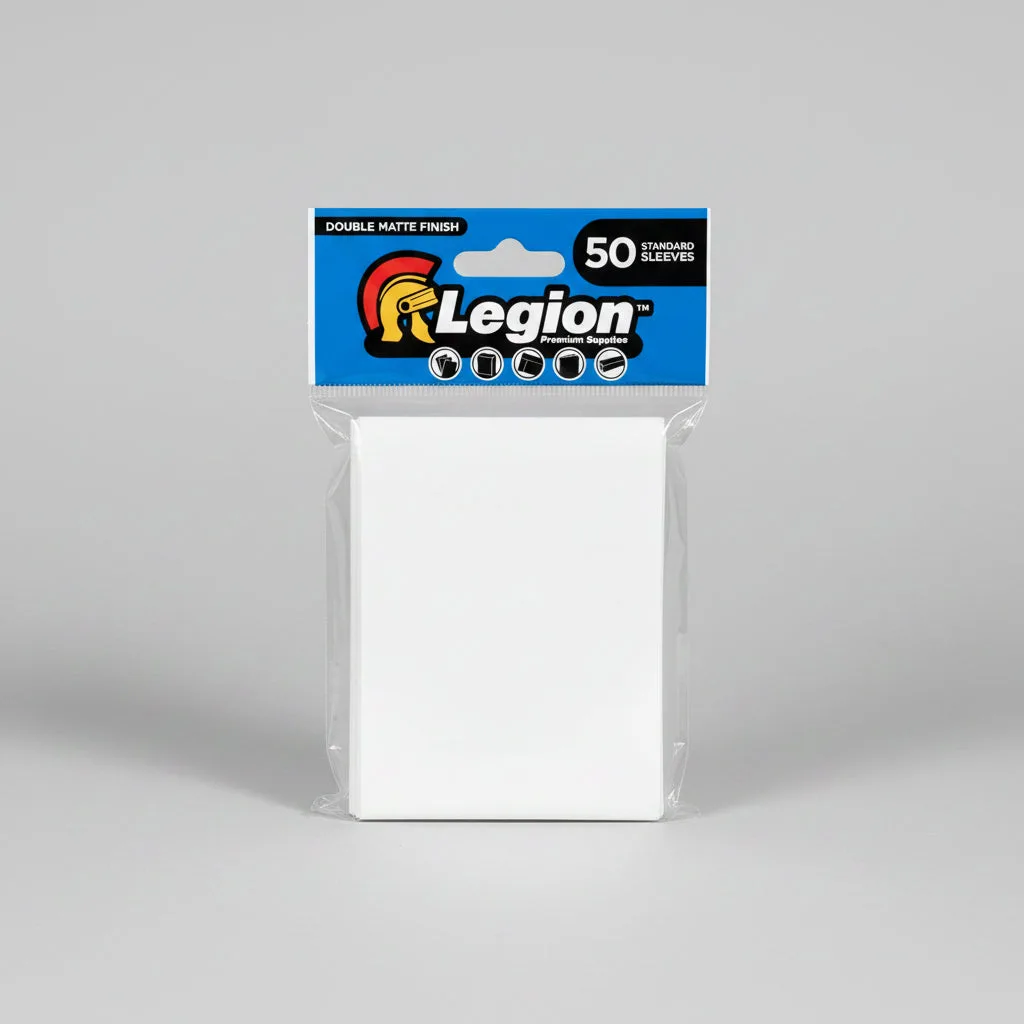
- Double Matte White Sleeves: Double Matte White Sleeves offer a 50-count pack of plastic sleeves with a matte finish on both front and back, providing a consistent, glare-reducing surface for your cards. These sleeves are an option for double-sleeving or for protecting cards that will be displayed in a binder or folio. The double-sided matte finish minimizes glare, which can make it easier to read card text and see details in a showcase graded card collection.