Switching to a bamboo toothbrush is a fantastic step toward reducing plastic waste. But what happens when it's time to replace it? Unlike plastic toothbrushes that linger in landfills for centuries, bamboo toothbrushes are biodegradable, but only if you dispose of them correctly. In this guide, we'll walk you through the proper ways to compost or dispose of your bamboo toothbrush, ensuring you get the most eco-friendly outcome.
Many people assume that because the handle is bamboo, the entire toothbrush can be tossed into the compost bin. However, the bristles are often made from nylon, which is not compostable. Understanding the components and how to separate them is key to responsible disposal.
Understanding Your Bamboo Toothbrush Components
A typical bamboo toothbrush consists of two main parts: the handle and the bristles. The handle is made from bamboo, a highly renewable and biodegradable material. Bamboo can break down naturally in the right conditions, returning to the earth without leaving harmful residues.
The bristles, however, are usually made from nylon-6, a type of plastic that is not biodegradable. Some brands use castor bean oil-based bioplastics, but these are less common and still require industrial composting facilities to break down. Always check the packaging or the brand's website to confirm the bristle material.
- Check if your toothbrush bristles are labeled as 'castor bean oil' or 'bioplastic' – these may be compostable in industrial facilities.
- If the bristles are nylon, they need to be removed and disposed of separately.
How to Compost the Bamboo Handle
Composting the bamboo handle is straightforward once the bristles are removed. First, pull out the bristles using pliers. They may come out in clumps or individually. Be careful not to leave any nylon behind, as it won't break down in your compost pile.
After removing the bristles, you can break the bamboo handle into smaller pieces to speed up decomposition. Add these pieces to your compost bin along with other green and brown materials. Bamboo is considered a 'brown' material (carbon-rich), so balance it with 'green' materials like kitchen scraps. Keep the compost moist and turn it regularly; within a few months, the handle should break down completely.
If you don't have a compost bin at home, check if your local community offers composting services. Some cities have curbside compost pickup or drop-off points. You can also bury the handle in your garden, where it will decompose naturally over time.
- Remove bristles with pliers before composting the handle.
- Break the handle into smaller pieces to accelerate decomposition.
- Balance bamboo with nitrogen-rich greens in your compost pile.
Disposing of the Bristles Responsibly
Since nylon bristles are not compostable, they need to be disposed of in a way that minimizes environmental impact. Unfortunately, most curbside recycling programs do not accept nylon bristles because they are too small and made from a low-grade plastic. However, some specialized recycling programs accept them.
For example, some toothbrush brands offer take-back programs where you can mail back your used toothbrushes, and they will recycle the bristles and handle. Check with the brand of your toothbrush to see if they have such a program. Alternatively, you can reuse the bristles for crafts or cleaning small crevices, giving them a second life before disposal.
- Look for brand take-back programs that recycle toothbrush bristles.
- Repurpose bristles for cleaning hard-to-reach areas or for art projects.
Alternative Disposal Methods
If you can't compost or recycle your bamboo toothbrush, there are other creative ways to dispose of it. The bamboo handle can be used as a plant marker in your garden, a craft stick for DIY projects, or even as a kindling for a campfire (if untreated). This extends the life of the material and reduces waste.
Some people also use old toothbrush handles to clean small items like jewelry or keyboard keys. By repurposing the handle, you're keeping it out of the landfill for a little longer. When it's truly at the end of its life, you can still compost it, provided the bristles have been removed.
- Use the handle as a plant label or for DIY crafts.
- Repurpose as a cleaning tool for small items.
Choosing a Truly Eco-Friendly Toothbrush
To make disposal even easier, consider choosing a toothbrush with fully compostable bristles. Some brands now offer toothbrushes with bristles made from castor bean oil or other plant-based materials that can be composted in industrial facilities. However, these are less common and may be more expensive.
Another option is to look for toothbrushes with replaceable heads, so you only replace the bristle part and keep the handle for longer. This reduces waste significantly. At Jungle Culture, we offer a range of eco toothbrushes designed with sustainability in mind, and we also carry accessories like our Jungle Straws: Reusable Bamboo Drinking Straws with Natural Hessian Carry Case (Set of 12) to help you live a zero-waste lifestyle.
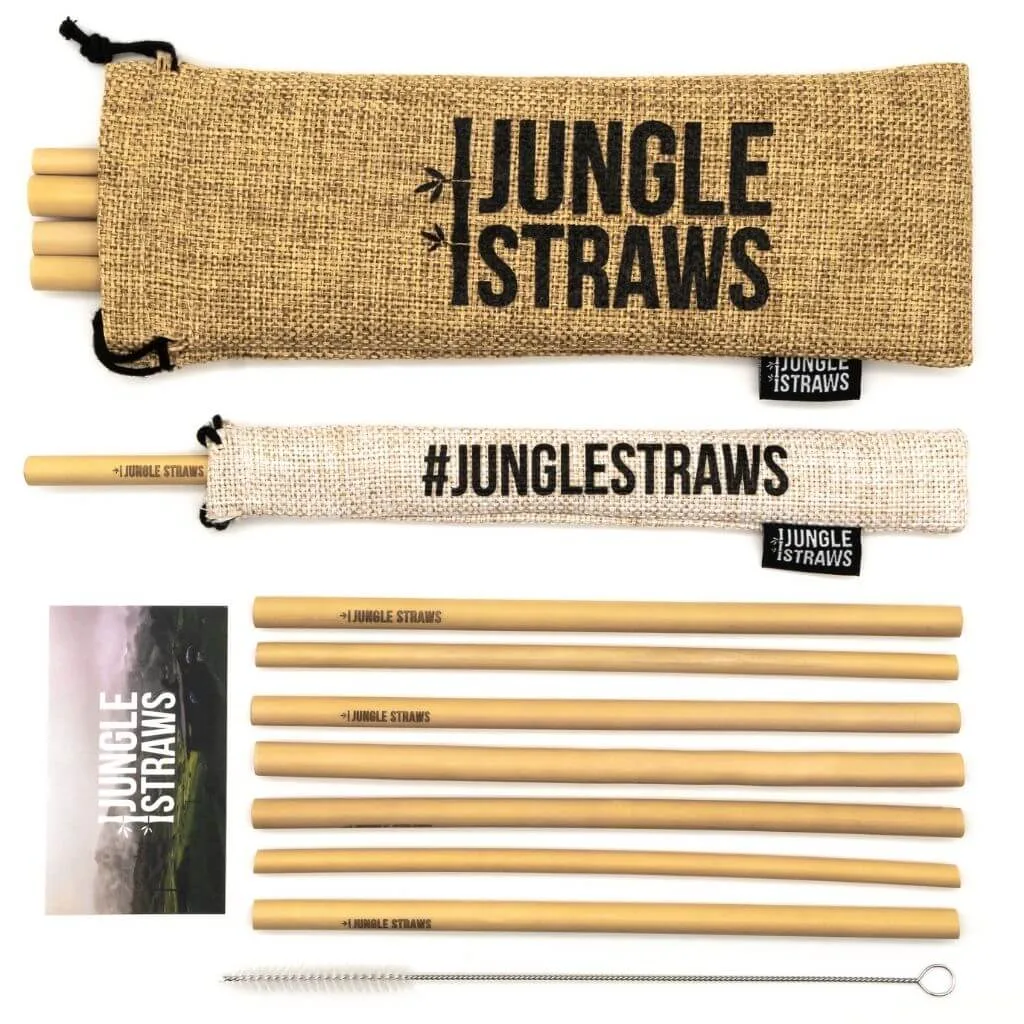
Jungle Straws: Reusable Bamboo Drinking Straws with Natural Hessian Carry Case (Set of 12)
- Look for toothbrushes with replaceable heads to reduce waste.
- Consider plant-based bristles if available.
Properly disposing of your bamboo toothbrush is a small but meaningful way to honor your zero-waste commitment. By separating the handle from the bristles and composting the bamboo, you ensure that your toothbrush returns to the earth rather than sitting in a landfill. Remember, every little action counts. To explore more eco-friendly products for your daily routine, check out our Dark Wood Cutlery Set (Light grey bag) and other sustainable essentials at Jungle Culture.
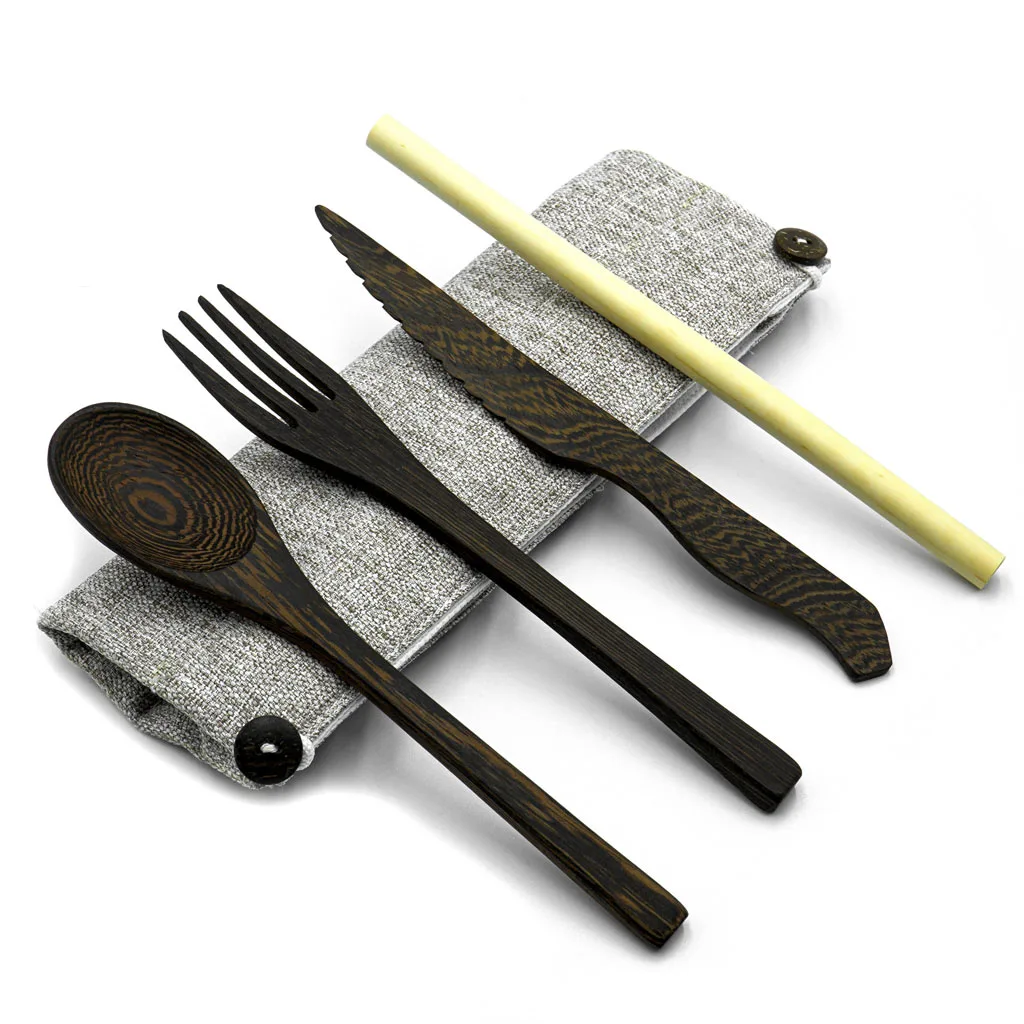
Dark Wood Cutlery Set (Light grey bag)