Quick answer
Dress your baby for rain with a moisture-wicking base layer, a light insulating middle layer, and a rain-resistant outer layer or cover. Check the temperature and wind before you leave, and always bring a dry change of clothes in a waterproof bag.
Start with a base layer that handles dampness
A rainy day outfit starts with what touches your baby's skin. Choose a soft, breathable base layer that pulls moisture away rather than holding it. Modal or cotton blends work well for everyday errands, while a footie keeps legs covered and simplifies diaper changes when you are in a hurry.
Add a light middle layer for warmth without bulk
Rain often comes with a temperature drop, but you do not want a bulky middle layer that makes the car seat or stroller harness fit poorly. A thin fleece or jersey cardigan adds warmth and is easy to remove once you are indoors. If your baby runs warm, skip the middle layer and rely on the outer shell for wind protection.
Choose an outer layer that blocks rain and wind
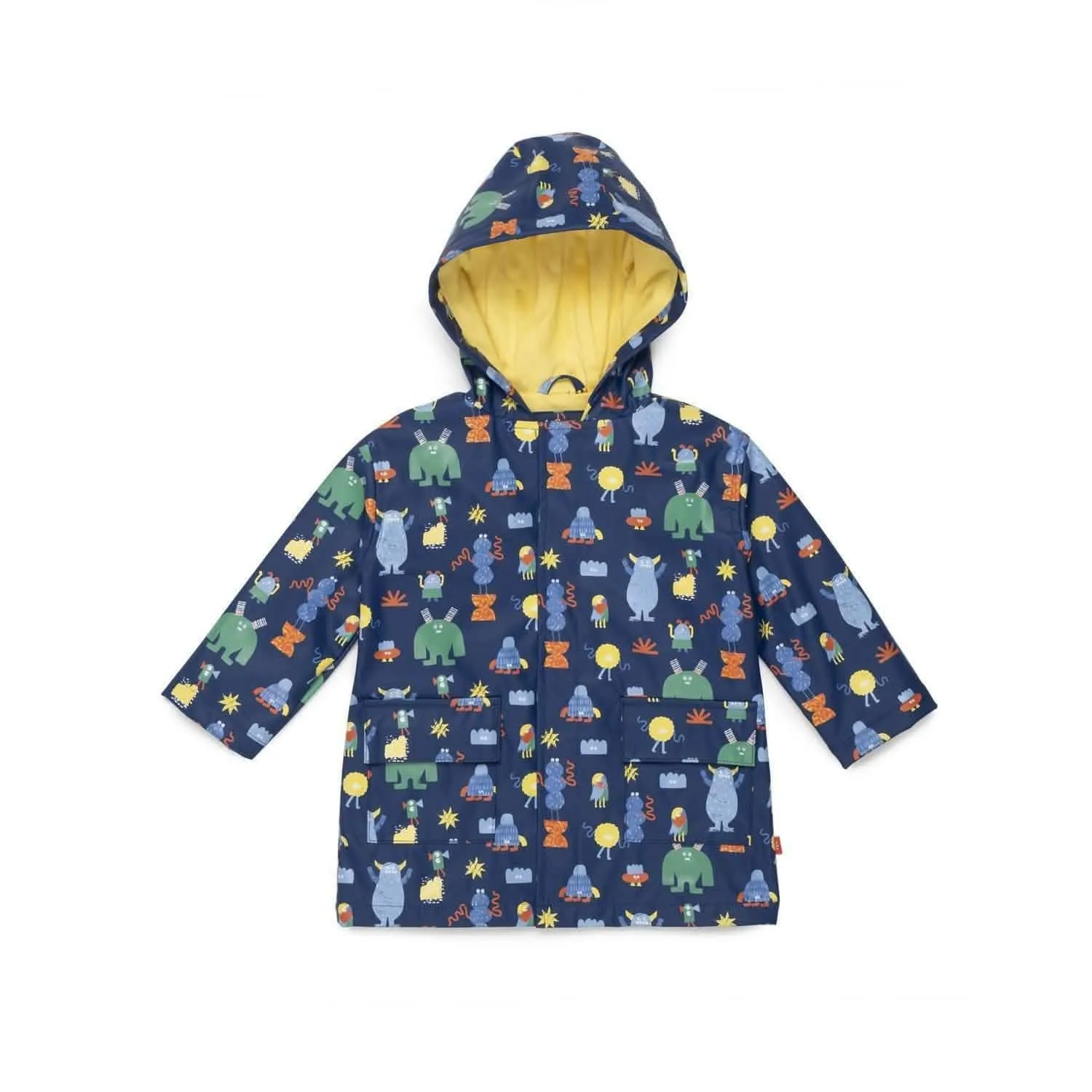
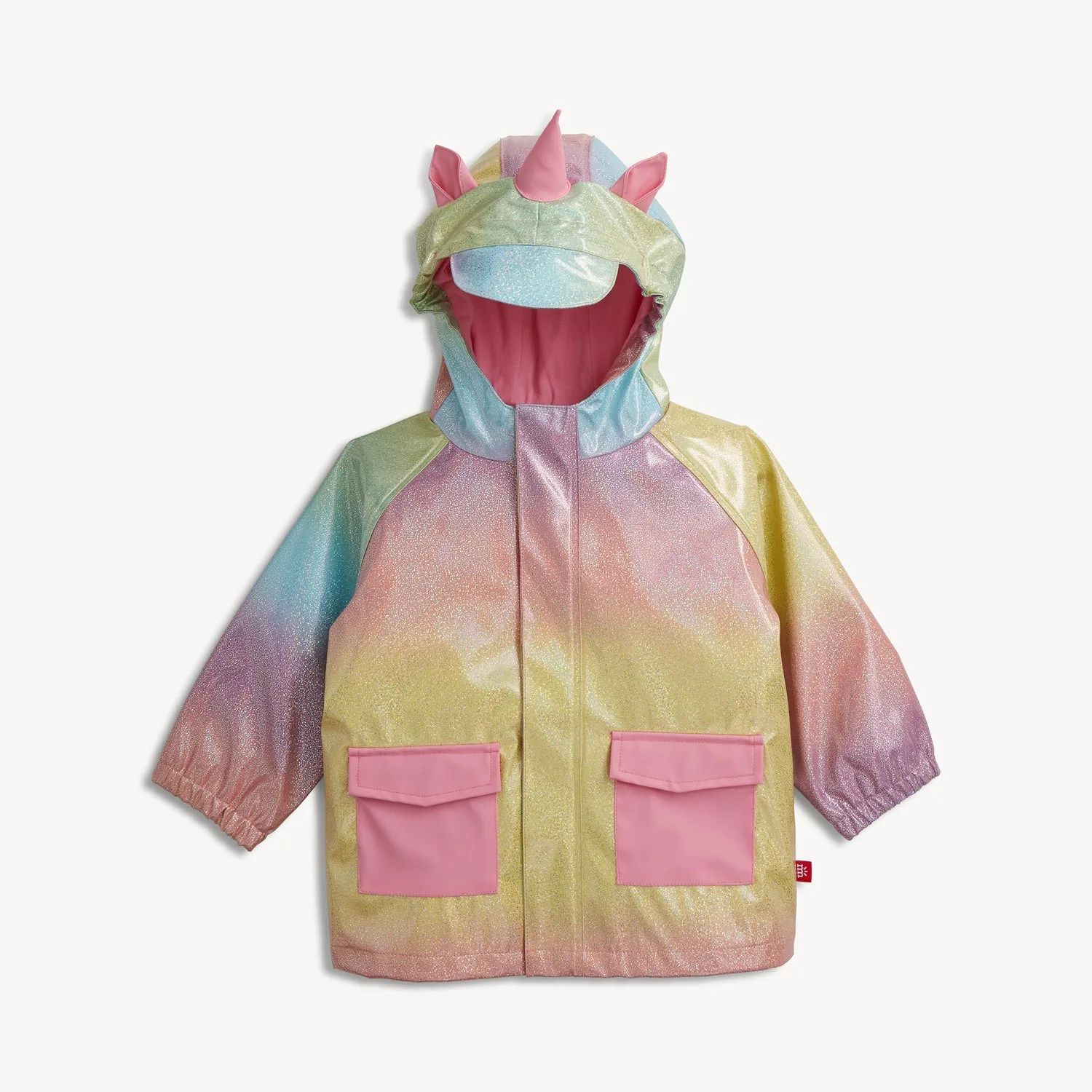
A raincoat with a rain-resistant outer layer and a soft lining keeps your child comfortable without the clammy feel of pure plastic. Magnetic closures are a small but real advantage in wet weather because you can fasten the coat while holding an umbrella or a diaper bag. If your baby is not walking yet, a stroller rain cover over a light blanket may be more practical than a coat.
Protect the stroller and the car seat separately
For keeping baby dry in stroller, use a cover designed for your stroller model rather than draping a blanket over the opening. A cover that leaves a gap for airflow prevents heat buildup. In the car, avoid bulky rain gear under the harness; instead, dress your baby in thin layers and use a blanket over the buckled harness for warmth.
Pack rainy day baby essentials in a waterproof pouch
Bring a full change of clothes, including a spare footie or romper, socks, and a small towel. Store them in a waterproof wet bag so damp items do not soak everything else. A lightweight hood or soft hat helps, but if your baby pulls hats off, a stroller cover with a canopy may be enough.
Step-by-step: dressing for a rainy day
- Check the forecast and wind: Look at temperature, wind, and rain duration before choosing layers. Wind makes a light rain feel much colder. If wind is above 15 mph, add a wind-resistant outer layer even if rain is light.
- Put on the base layer first: Start with a breathable footie or romper against the skin. This keeps your baby comfortable if the outer layer feels cool. Avoid thick fleece as a base layer; it traps moisture if your baby sweats.
- Add a middle layer only if needed: A thin cardigan or long-sleeve bodysuit adds warmth. Skip it if the temperature is above 65°F (18°C) and your baby runs warm. Check your baby's neck or back for dampness after 10 minutes; if clammy, remove the middle layer.
- Fasten the rain-resistant outer layer: Use a raincoat with magnetic closures so you can dress your baby quickly. Make sure the hood or collar does not cover the mouth or nose. Test the closure by lifting your baby gently; the coat should stay fastened without squeezing.
- Cover the stroller, not the baby's face: Use a stroller rain cover that allows airflow. Never drape a plastic cover directly over the car seat or stroller opening without ventilation. If the cover fogs up inside, stop and adjust for airflow.
- Pack a dry change in a waterproof bag: Include a full outfit, socks, and a small towel. Wet clothes left against skin can cause chills. Store the dry kit in the stroller basket so you are not searching when you need it.
Products that fit a rainy day plan
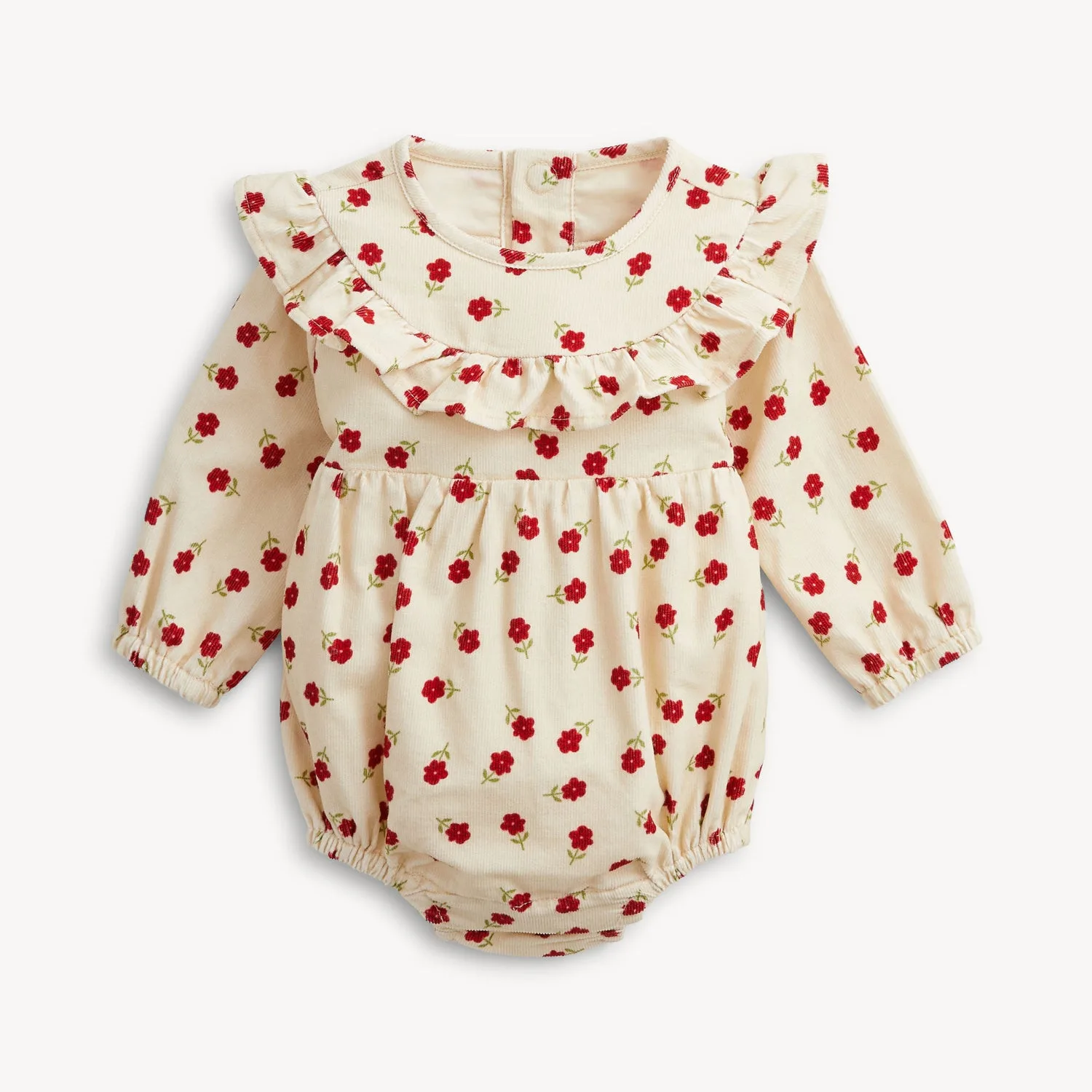
- Magnetic Bubble Romper: Magnetic Bubble Romper is a one-piece with a bubble silhouette, floral corduroy fabric, and magnetic closures for quick diaper changes. Corduroy is not waterproof, so use this as a base or middle layer under a rain shell rather than as outerwear.
- Magnetic Raincoat: https://magneticmelon.com/products/magnetic-raincoat-taffy-bf8b0eedf04cbf4425e5bf1f-1100001https://magneticmelon.com/products/magnetic-raincoat-citrus-a7e7990668ea130ab654776e-1100002https://magneticmelon.com/products/magnetic-raincoat-kooky-monsters-5a475e5984cbb6eaab30738c-1100005https://magneticmelon.com/products/magnetic-raincoat-unicorn-sparkle-ffbb3138a2cabf91937dab8b-1100006Magnetic Raincoat has a rain-resistant outer layer, a soft jersey cotton lining, and magnetic closures. The magnetic closures make it faster to put on and take off when you are juggling wet gear, and the lining adds comfort without bulk.
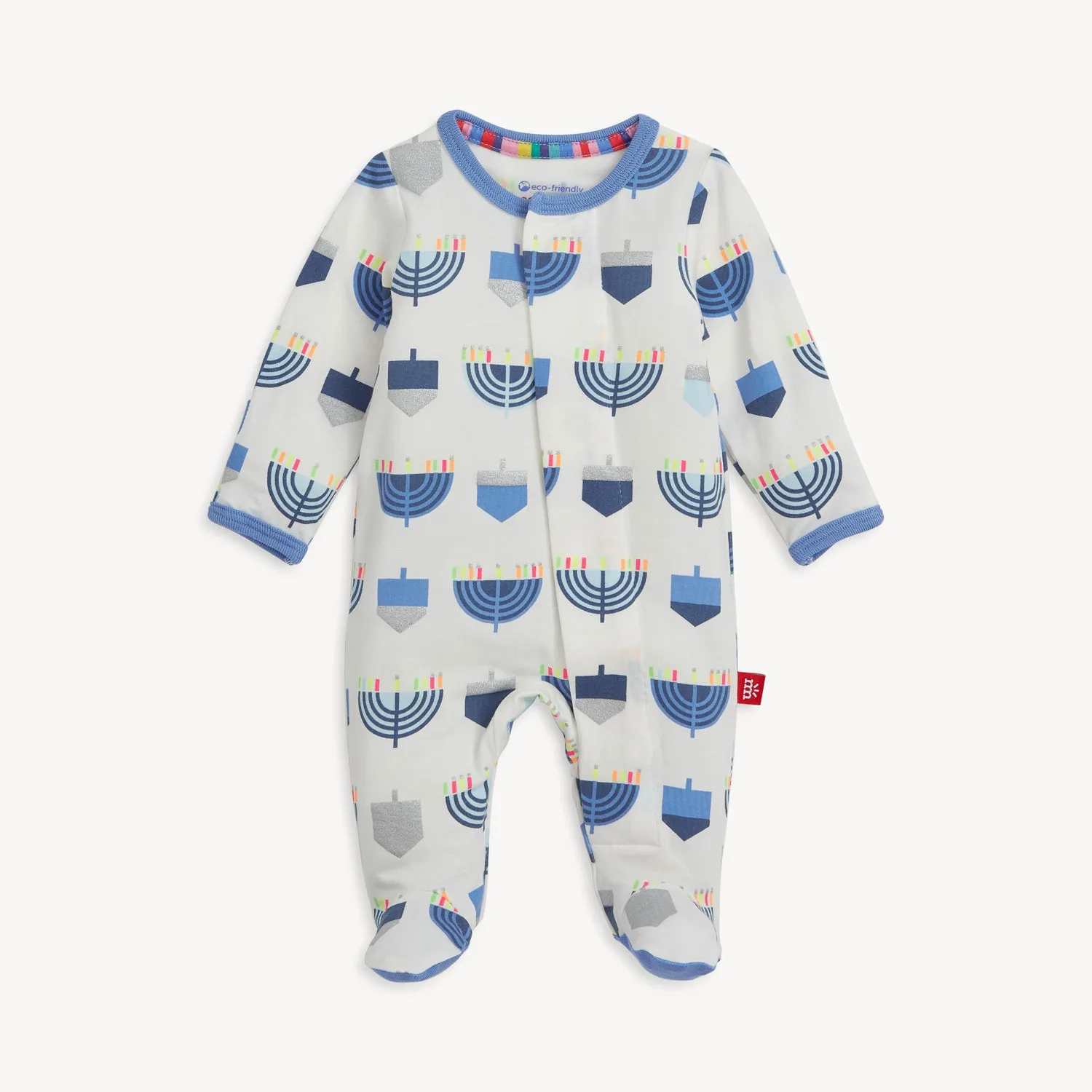
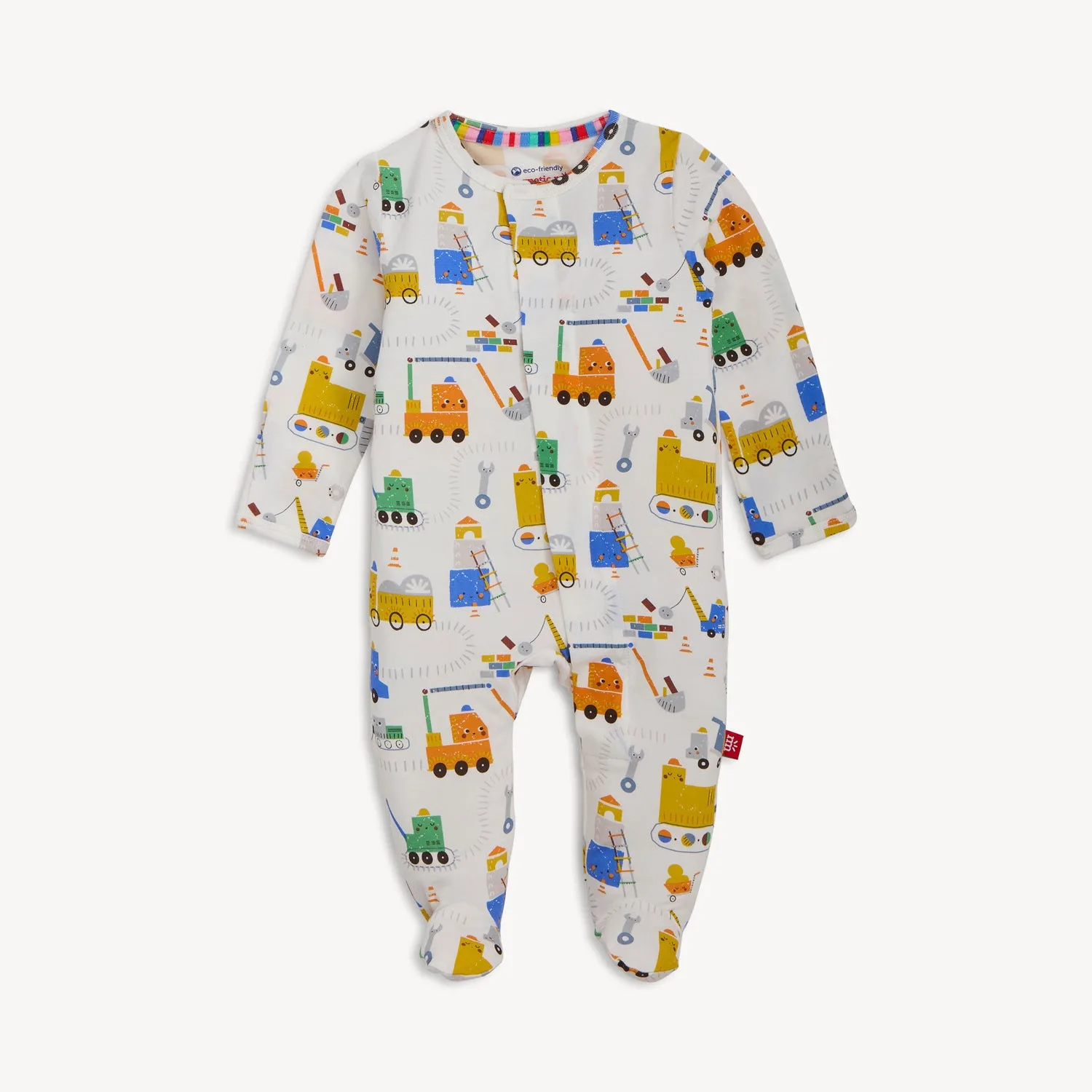
- Magnetic Footie: Magnetic Footie is made from soft modal fabric with magnetic closures, available from preemie up to 24 months. Modal is breathable and gentle for a base layer, and the magnetic closures simplify diaper changes on a wet, rushed day.