As we age, our skin's natural cell turnover slows down, leading to a dull, uneven complexion. Exfoliation is key to revealing fresh, glowing skin, but for mature skin, it's a delicate balance. Too aggressive, and you risk irritation, redness, and even micro-tears. Too gentle, and you won't see results. This guide will show you how to exfoliate mature skin effectively without compromising your skin barrier.
We'll explore the best exfoliating ingredients for aging skin, how to combine physical and chemical exfoliation safely, and the importance of sun protection. You'll also learn about tools like dermarollers that can enhance your exfoliation routine and boost collagen production. Let's dive in.
Why Mature Skin Needs Special Exfoliation Care
Mature skin is thinner, drier, and more sensitive than younger skin. The natural moisturizing factors decrease, and the lipid barrier becomes weaker, making it easier for irritants to penetrate. Over-exfoliating can strip away essential oils, leading to increased sensitivity, redness, and even accelerated aging. Therefore, the goal is to gently remove dead skin cells without disrupting the skin's protective barrier.
The right exfoliation method can stimulate cell renewal, improve texture, and enhance the absorption of anti-aging products. It also helps to fade age spots and fine lines by promoting collagen production. But it's crucial to choose products and techniques specifically formulated for mature skin.
- Always patch test new exfoliants on a small area before full application.
- Start with once a week and gradually increase frequency as your skin builds tolerance.
- Avoid exfoliating if you have active breakouts, sunburn, or open wounds.
Chemical Exfoliation: The Gentle Power of AHA and BHA
Chemical exfoliants dissolve the bonds between dead skin cells, allowing them to slough off easily. AHAs (alpha hydroxy acids) like glycolic and lactic acid are water-soluble and work on the skin's surface, making them excellent for dry, sun-damaged skin. They help to smooth fine lines and brighten dullness. BHAs (beta hydroxy acids) like salicylic acid are oil-soluble and penetrate deeper into pores, making them ideal for oily or acne-prone skin, but they can be drying for mature skin.
For mature skin, a blend of AHA and BHA can be effective, but it's vital to choose low concentrations (under 10%) and use them sparingly. Look for formulations with soothing ingredients like aloe vera, hyaluronic acid, or ceramides. Always apply to clean, dry skin and follow with a hydrating moisturizer. Remember, chemical exfoliants increase sun sensitivity, so daily sunscreen is non-negotiable.
- Lactic acid is a gentler AHA ideal for sensitive, mature skin.
- Use a pH-balanced exfoliant to avoid irritation.
- Never combine multiple strong exfoliants in one routine.
Physical Exfoliation: Tools That Respect Your Skin
Physical exfoliation uses manual friction to remove dead cells. For mature skin, harsh scrubs with large, jagged particles are a no-go. Instead, opt for gentle tools like soft brushes or dermarollers. Dermarollers are a form of physical exfoliation that also stimulates collagen and elastin production, making them a powerful anti-aging tool. The 0.25mm Dermaroller is perfect for beginners, as it's gentle enough for weekly use and helps improve product absorption.
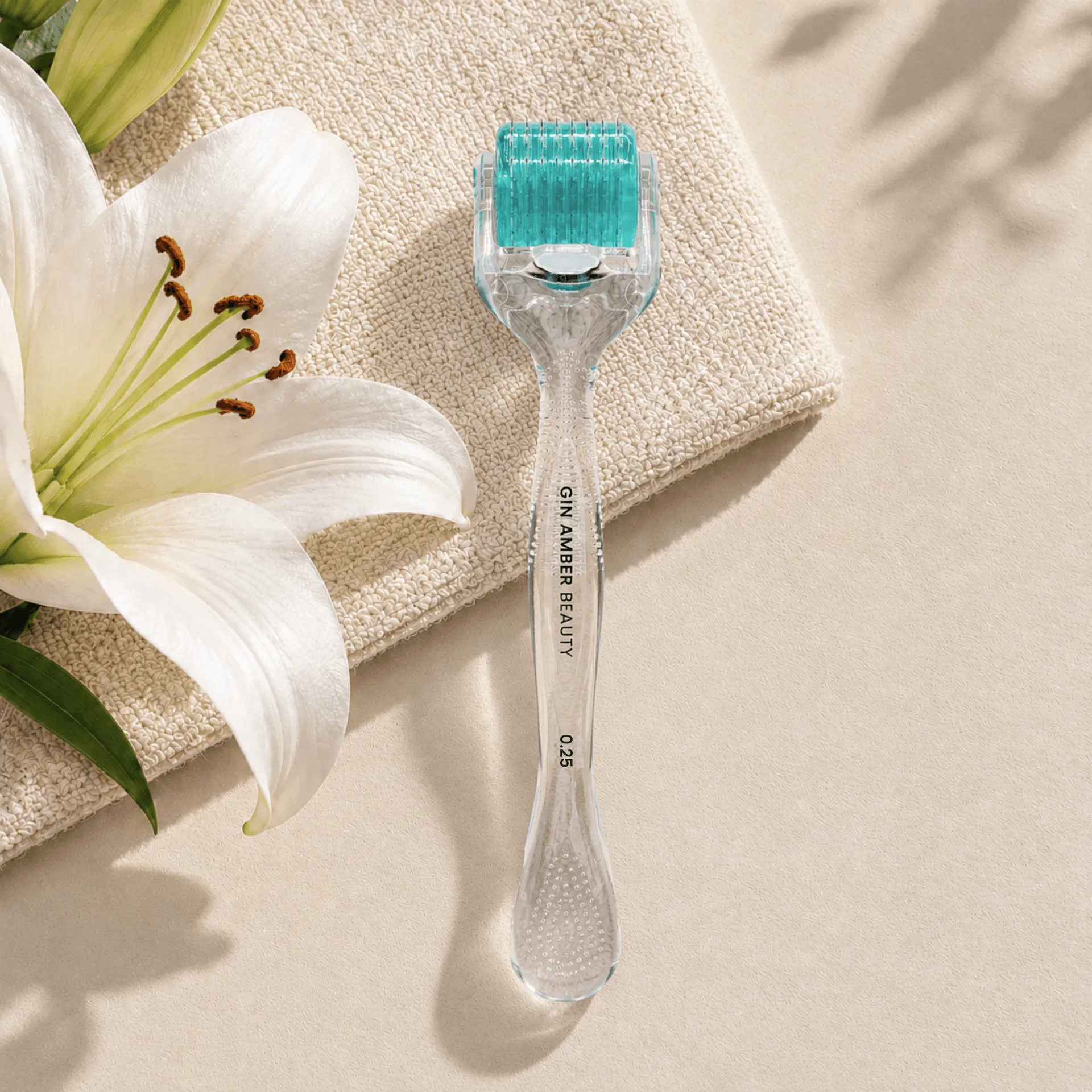
0.25mm Dermaroller
If you're looking for more targeted treatment, the 0.5mm Derma Stamp can be used on specific areas like fine lines and scars. It creates micro-channels that trigger the skin's healing response, promoting cell turnover and collagen synthesis. Always sanitize your tools before and after use, and avoid using them on active breakouts or irritated skin.
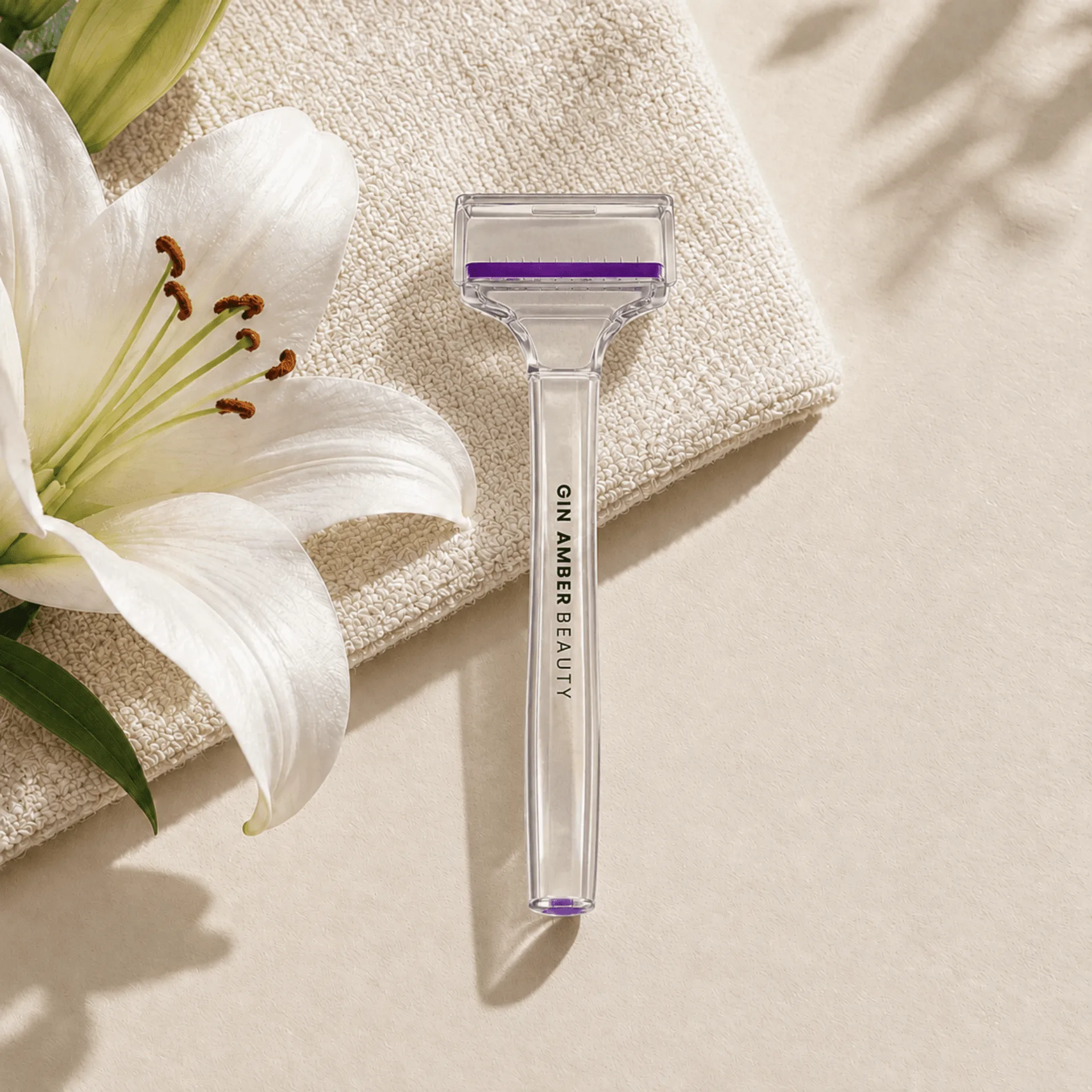
0.5mm Derma Stamp
- Use a dermaroller in a clean, dry environment to prevent infection.
- Replace dermaroller heads every 4-6 weeks to ensure effectiveness.
- Combine dermarolling with a hydrating serum for best results.
The Critical Role of Sunscreen in Exfoliation
Exfoliation reveals fresh, new skin cells that are more vulnerable to UV damage. This is why sunscreen is an absolute must when you're exfoliating mature skin. Without proper protection, you risk hyperpigmentation and premature aging. Choose a broad-spectrum sunscreen with at least SPF 30 and apply it every morning, even on cloudy days.
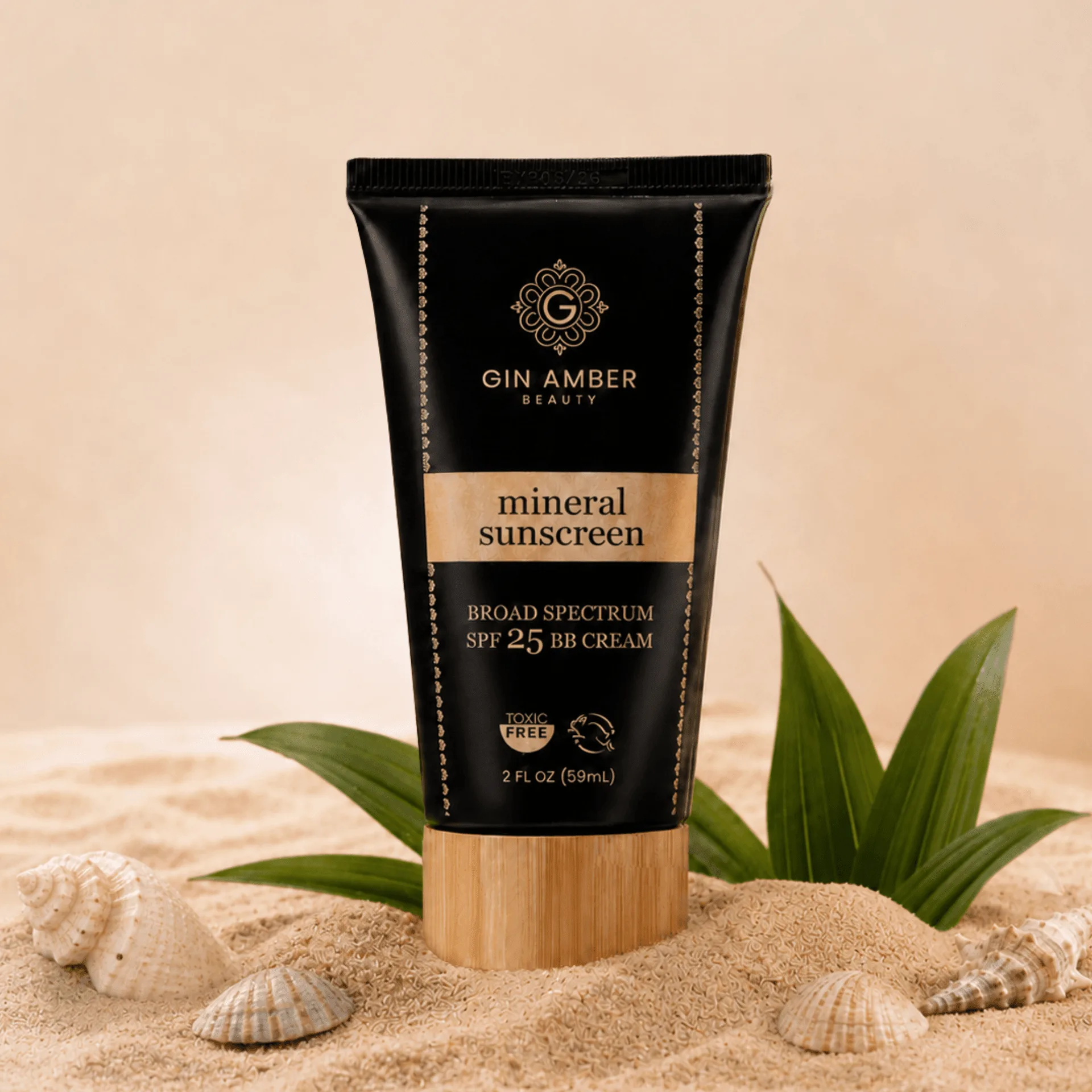
For mature skin, a tinted mineral sunscreen offers dual benefits: protection and coverage. The Toxic-Free® Tinted Mineral Sunscreen SPF 25 not only shields your skin from harmful rays but also provides a natural, even tone, reducing the appearance of age spots. It's formulated with gentle minerals that won't irritate freshly exfoliated skin.
- Reapply sunscreen every two hours when outdoors.
- Look for sunscreens with zinc oxide or titanium dioxide for sensitive skin.
- Avoid sun exposure immediately after exfoliating.
Building a Safe Exfoliation Routine for Mature Skin
Start with a simple routine: cleanse, exfoliate (1-2 times a week), moisturize, and apply sunscreen. Listen to your skin – if it feels tight, itchy, or looks red, you're over-exfoliating. Scale back and focus on hydrating and repairing your barrier with products containing ceramides, niacinamide, or peptides.
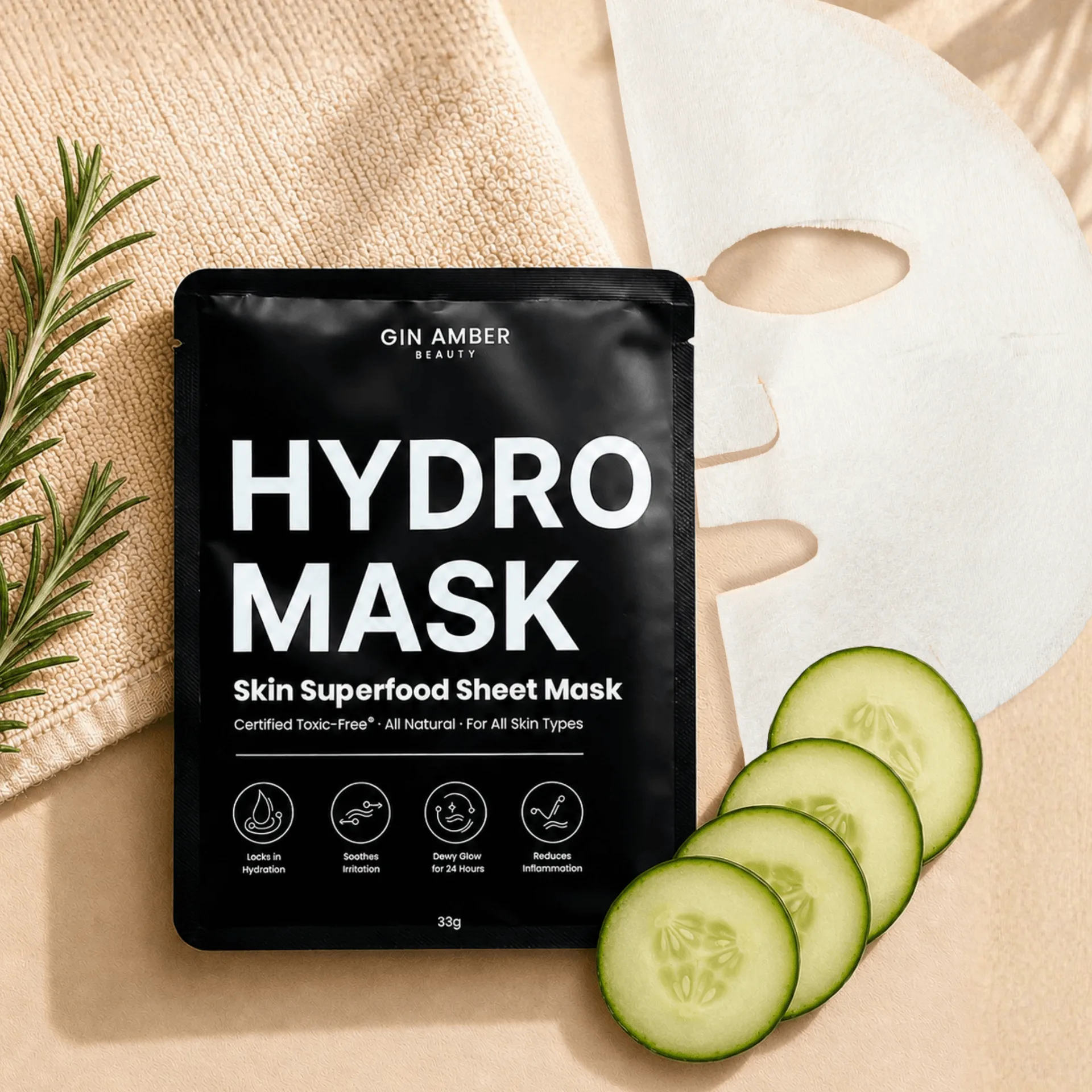
Consider incorporating a hydrating mask like the Hydro Mask after exfoliation to replenish moisture and soothe the skin. It's infused with hyaluronic acid and botanical extracts, perfect for calming any post-exfoliation redness. Remember, consistency is key – it takes time for your skin to adjust and show improvements.
- Exfoliate in the evening to allow skin to repair overnight.
- Use a gentle, fragrance-free cleanser before exfoliating.
- Always follow with a rich moisturizer to lock in hydration.
Exfoliating mature skin doesn't have to be daunting. By choosing the right methods and products, you can reveal a smoother, brighter complexion without irritation. Start with gentle chemical exfoliants or a soft dermaroller, and always protect your skin with sunscreen. For a complete anti-aging routine, explore our range of dermarollers and serums designed for mature skin. Your skin will thank you.