Exfoliation is one of the most effective ways to achieve smooth, glowing skin. By sloughing away dead skin cells, you unclog pores, improve texture, and boost the effectiveness of your other skincare products. But there's a catch: over-exfoliating or using the wrong type of exfoliant can strip your skin barrier, leading to redness, irritation, and increased sensitivity.
The good news is that you can exfoliate effectively without compromising your skin's protective layer. The key lies in choosing the right ingredients, following a balanced routine, and listening to your skin. In this guide, we'll walk you through how to exfoliate safely using gentle AHA and BHA exfoliants, with product recommendations from Facetheory that support barrier health.
Why Your Skin Barrier Matters During Exfoliation
Your skin barrier — also known as the stratum corneum — is the outermost layer of your skin. It acts as a shield, locking in moisture and keeping out environmental aggressors like pollution, bacteria, and irritants. When this barrier is intact, your skin looks plump, calm, and healthy. When it's compromised, you may experience stinging, dryness, breakouts, or a tight feeling after cleansing.
Exfoliation works by accelerating the natural shedding of dead skin cells. While this can reveal fresher skin underneath, aggressive scrubbing or high-strength chemical exfoliants can strip away too many lipids and natural moisturising factors. That's why a gentle exfoliating approach is essential. You want to remove only the dead cells that are ready to come off, leaving the living layers and barrier lipids untouched.
- Look for exfoliants with soothing ingredients like aloe vera, allantoin, or panthenol to calm the skin.
- Avoid physical scrubs with large, jagged particles that can cause micro-tears in the skin barrier.
Choosing the Right Exfoliant: AHA vs BHA
Understanding the difference between AHAs (alpha hydroxy acids) and BHAs (beta hydroxy acids) is the first step to safe exfoliation. AHAs are water-soluble acids that work on the skin's surface, making them ideal for improving texture, fading hyperpigmentation, and boosting radiance. BHAs, on the other hand, are oil-soluble, allowing them to penetrate deeper into pores to clear out excess sebum and debris.
For most skin types, a combination of both can be beneficial, but it's crucial to introduce them slowly. Start with a lower concentration once or twice a week, then gradually increase frequency as your skin builds tolerance. A product like ClariCleanse AHA & BHA Exfoliating Cleanser offers a gentle dual-action formula that exfoliates while you cleanse, minimising the risk of overdoing it. Alternatively, Resurfa AHA & BHA Exfoliating Serum provides a more targeted treatment for those who want to address texture and congestion without harshness.
- If you have sensitive or dry skin, start with a low-concentration AHA (like lactic or mandelic acid) rather than stronger glycolic acid.
- For oily or acne-prone skin, a BHA like salicylic acid is often more effective at unclogging pores.
The Golden Rules of Safe Exfoliation
Once you've chosen your exfoliant, how you use it matters just as much as what you use. Here are the non-negotiable rules for protecting your skin barrier. First, always apply exfoliants to clean, dry skin. Damp skin can increase absorption, which may lead to irritation. Second, follow the 'less is more' principle — one active exfoliating product per routine is enough. Layering multiple acids can overwhelm your barrier.
Third, never exfoliate on the same night you use other strong actives like retinol or vitamin C. Instead, alternate nights. For instance, use a BHA toner like Blemicalm BHA 2% Clarifying Toner on Monday, then a hydrating serum on Tuesday. Finally, always follow exfoliation with a nourishing moisturiser or barrier-repair product. Ingredients like ceramides, niacinamide, and ectoin help restore the lipid barrier and calm any post-exfoliation sensitivity.
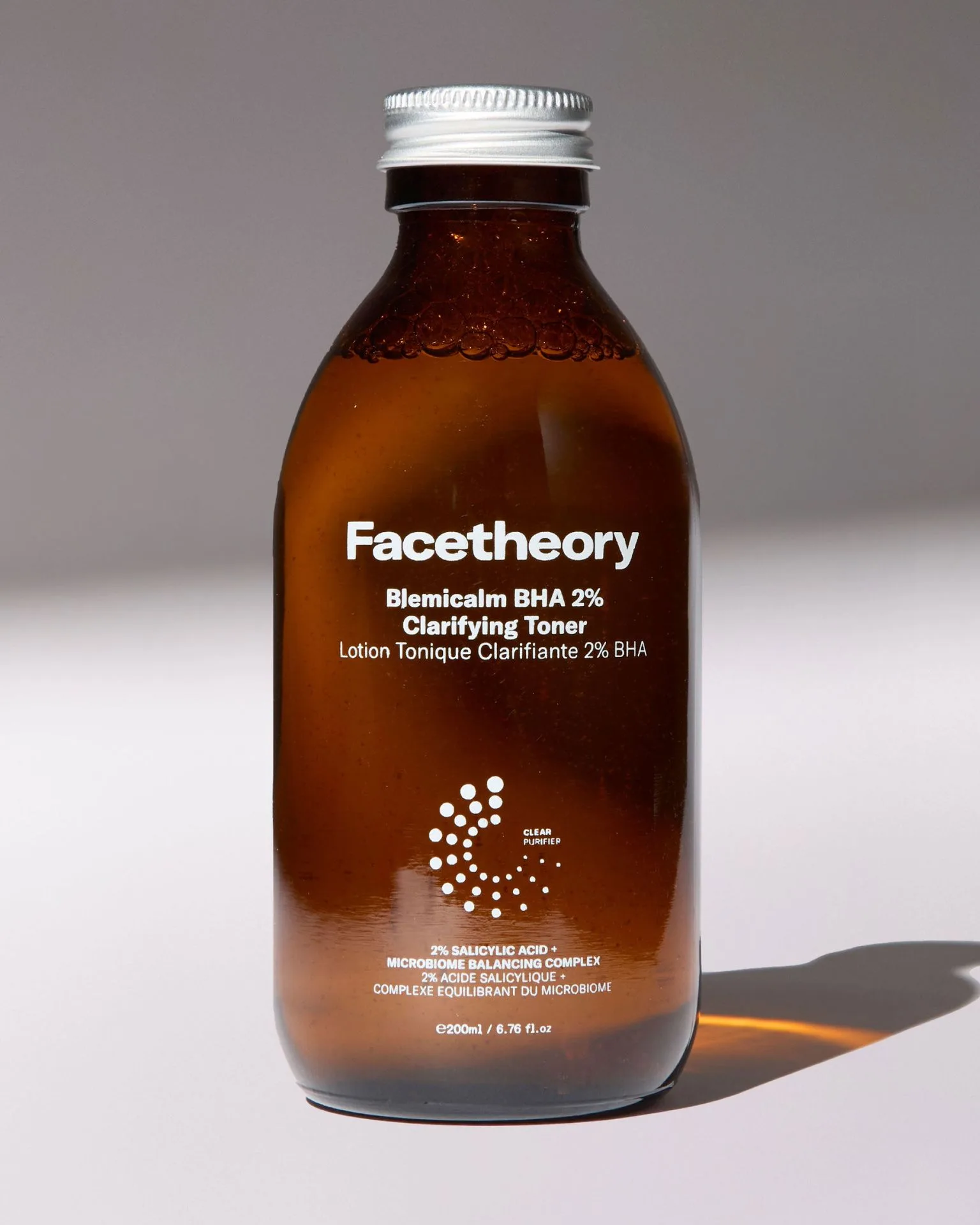
Blemicalm BHA 2% Clarifying Toner
- Limit exfoliation to 2–3 times per week maximum, even if your skin seems tolerant.
- Always wear SPF during the day — AHAs and BHAs increase photosensitivity.
Supporting Your Barrier After Exfoliation
After exfoliating, your skin is more receptive to hydration and repair. This is the perfect time to apply a barrier-supporting product. Look for ingredients that replenish lipids, reduce inflammation, and lock in moisture. Ectoin BarrierBuild Milk is an excellent choice — it contains ectoin, a powerful stress-protection molecule that strengthens the skin barrier while providing lightweight hydration.
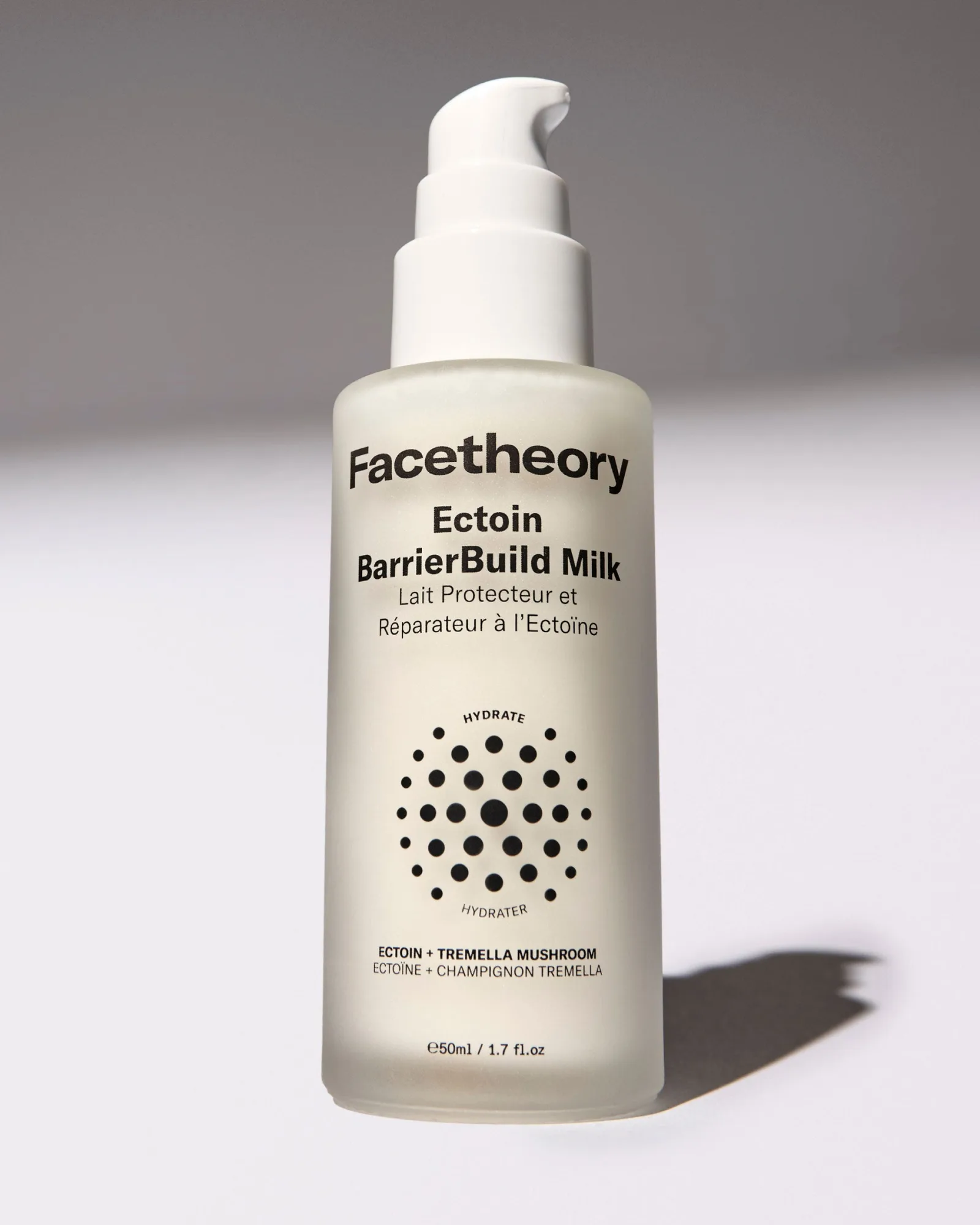
Ectoin BarrierBuild Milk
You can also incorporate a soothing night cream or oil to seal everything in. Avoid products with heavy fragrances or alcohol, which can further irritate freshly exfoliated skin. A simple routine of cleanse, exfoliate (on designated nights), hydrate, and protect will keep your barrier happy and your complexion glowing.
- Consider using a hydrating toner or essence before your moisturiser to boost moisture levels.
- If you experience any stinging or redness, take a break from exfoliating for a few days and focus on barrier repair.
Exfoliation doesn't have to mean compromising your skin's health. By choosing gentle yet effective AHA and BHA exfoliants, pacing your routine, and following up with barrier-strengthening products, you can enjoy all the benefits of smoother, clearer skin without the sting. Start your safe exfoliation journey with Facetheory's carefully formulated options and give your skin the balance it deserves.