Exfoliation is a cornerstone of any effective skincare routine, but it’s also one of the most misunderstood steps. Many people dive into using AHA and BHA exfoliants hoping for instant radiance, only to end up with redness, peeling, or stinging. The truth is, exfoliating without irritation is entirely possible—you just need the right approach, product choices, and a little patience.
In this guide, we’ll break down exactly how to use AHA and BHA exfoliants safely, so you can enjoy smoother texture, brighter skin, and fewer breakouts—without damaging your skin barrier. Whether you’re new to chemical exfoliation or looking to refine your routine, these expert tips will help you achieve gentle, effective results.
What Are AHA and BHA Exfoliants?
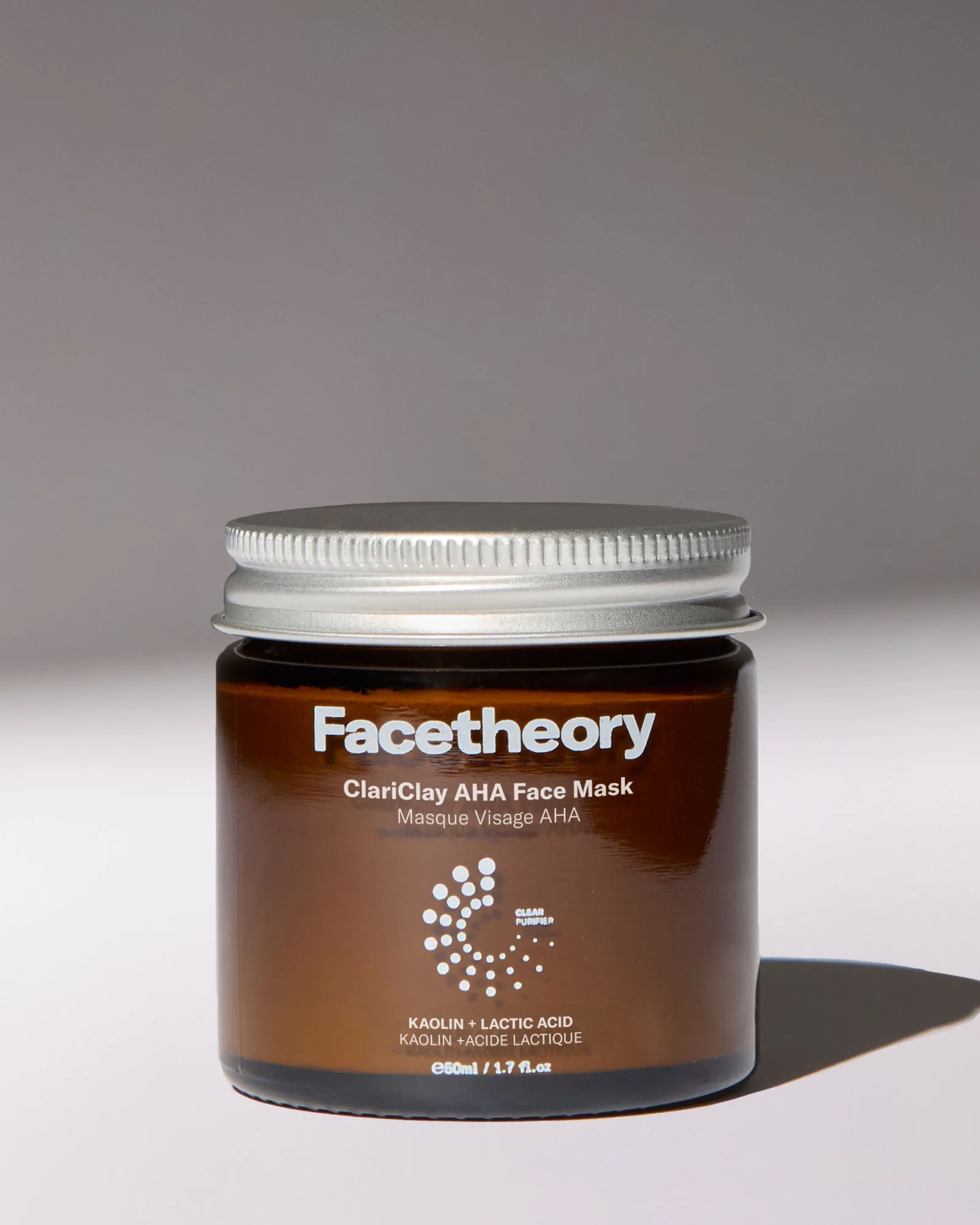
AHA (alpha hydroxy acids) and BHA (beta hydroxy acid) are chemical exfoliants that dissolve dead skin cells and unclog pores. AHAs like glycolic and lactic acid are water-soluble and work on the skin’s surface, making them ideal for improving texture, fading hyperpigmentation, and boosting glow. BHAs like salicylic acid are oil-soluble, so they penetrate deeper into pores to clear congestion and reduce breakouts.
Because they work chemically rather than physically, AHAs and BHAs are often gentler than gritty scrubs—but they can still cause irritation if used incorrectly. The key is knowing your skin type, choosing the right concentration, and introducing them slowly into your routine.
- AHAs are best for dry, sun-damaged, or uneven skin tone.
- BHAs are ideal for oily, acne-prone, or congested skin.
- Sensitive skin can still exfoliate with low-concentration formulas (5-10% AHA or 0.5-2% BHA).
Start Low and Slow: The Golden Rule of Gentle Exfoliation
The most common mistake people make is using a high-strength exfoliant too frequently. If you’re new to AHAs or BHAs, begin with a product that has a lower concentration—think 5% lactic acid or 0.5% salicylic acid. Use it just once or twice a week at first, then gradually increase frequency as your skin builds tolerance.
A resurfacing serum like the Glow-C Deep Resurfacing Toner can be a great starting point because it combines gentle exfoliation with brightening vitamin C. Apply it after cleansing and before moisturising, and always follow with sunscreen in the morning. Remember: more is not better. Over-exfoliating strips the skin barrier, leading to redness, sensitivity, and breakouts.
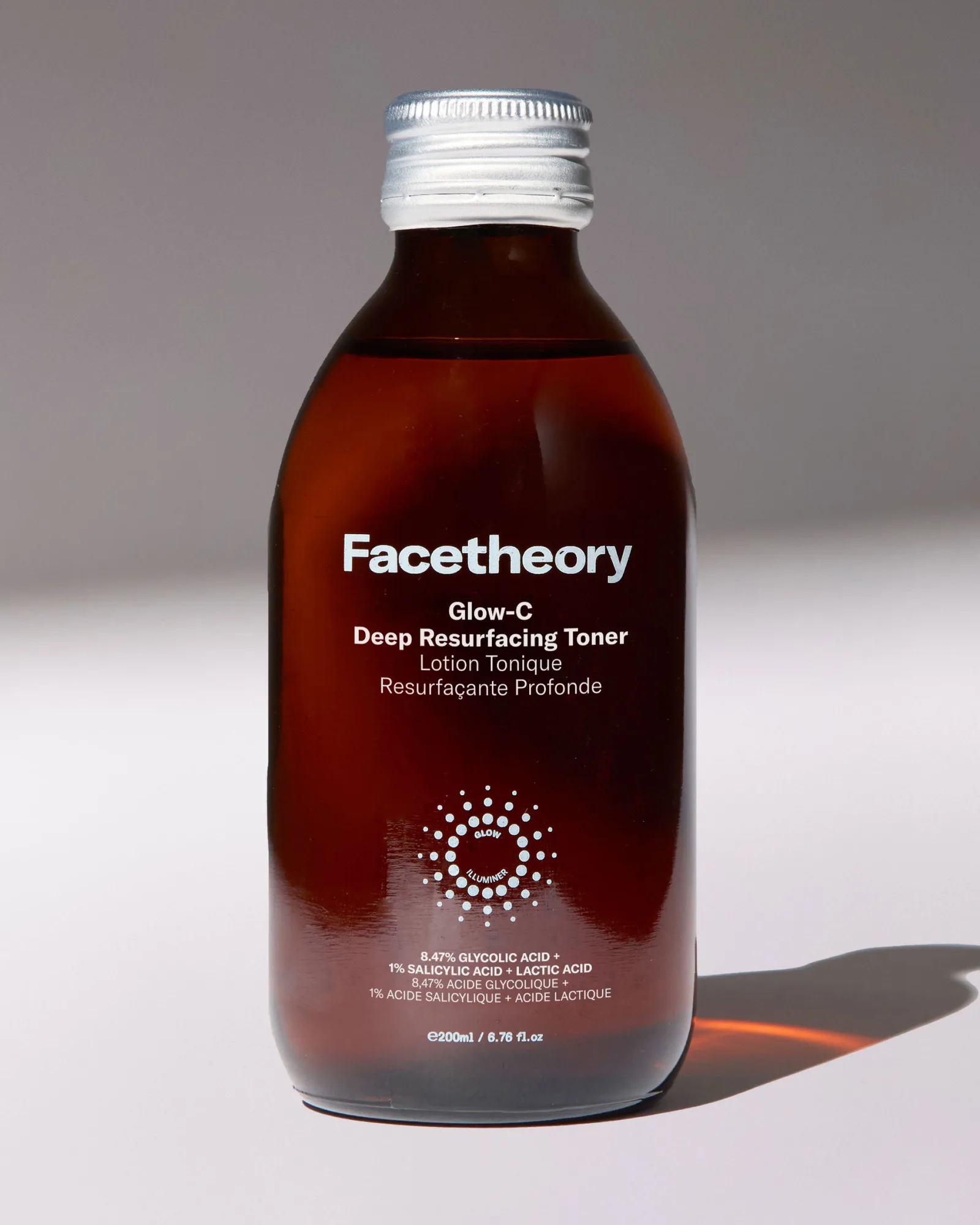
Glow-C Deep Resurfacing Toner
- Patch test any new exfoliant on your jawline before full-face use.
- Never use AHA and BHA together in the same routine unless your product is formulated that way.
- If you feel stinging or tightness, reduce frequency or switch to a gentler formula.
How to Layer AHA and BHA Without Overloading Your Skin
Layering AHAs and BHAs can be powerful, but it requires strategy. The general rule is to use BHA first (if you have oily or acne-prone skin) because it penetrates oil, then follow with AHA for surface exfoliation. However, many people find that alternating them on different nights works better to avoid irritation.
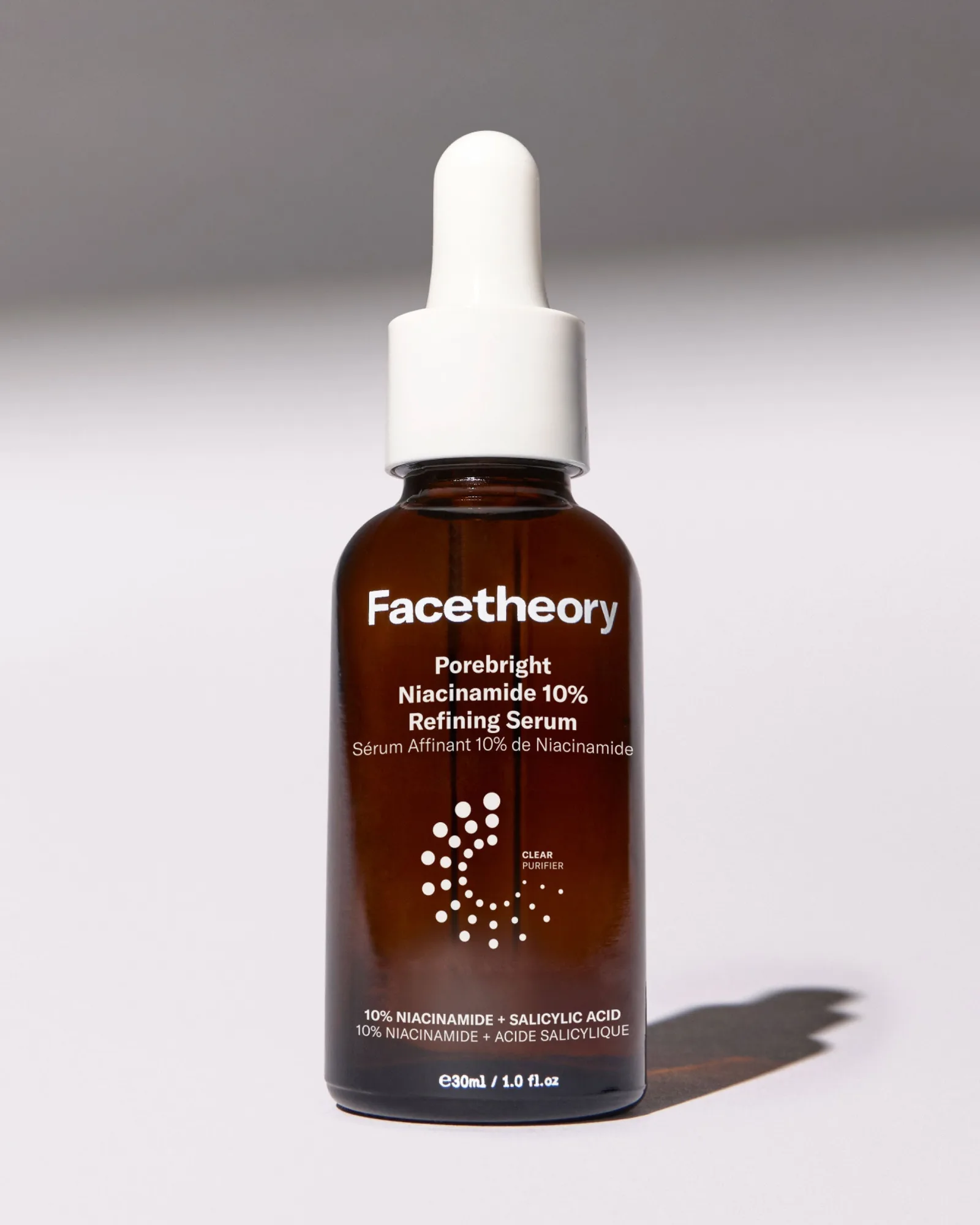
For a simple routine, try using a BHA-based product like the Porebright Niacinamide Refining Toner on breakout-prone areas in the evening, and reserve an AHA toner for nights when your skin feels dull or textured. Always wait 15-20 minutes between exfoliating and applying your next product to allow the acids to work without interference.
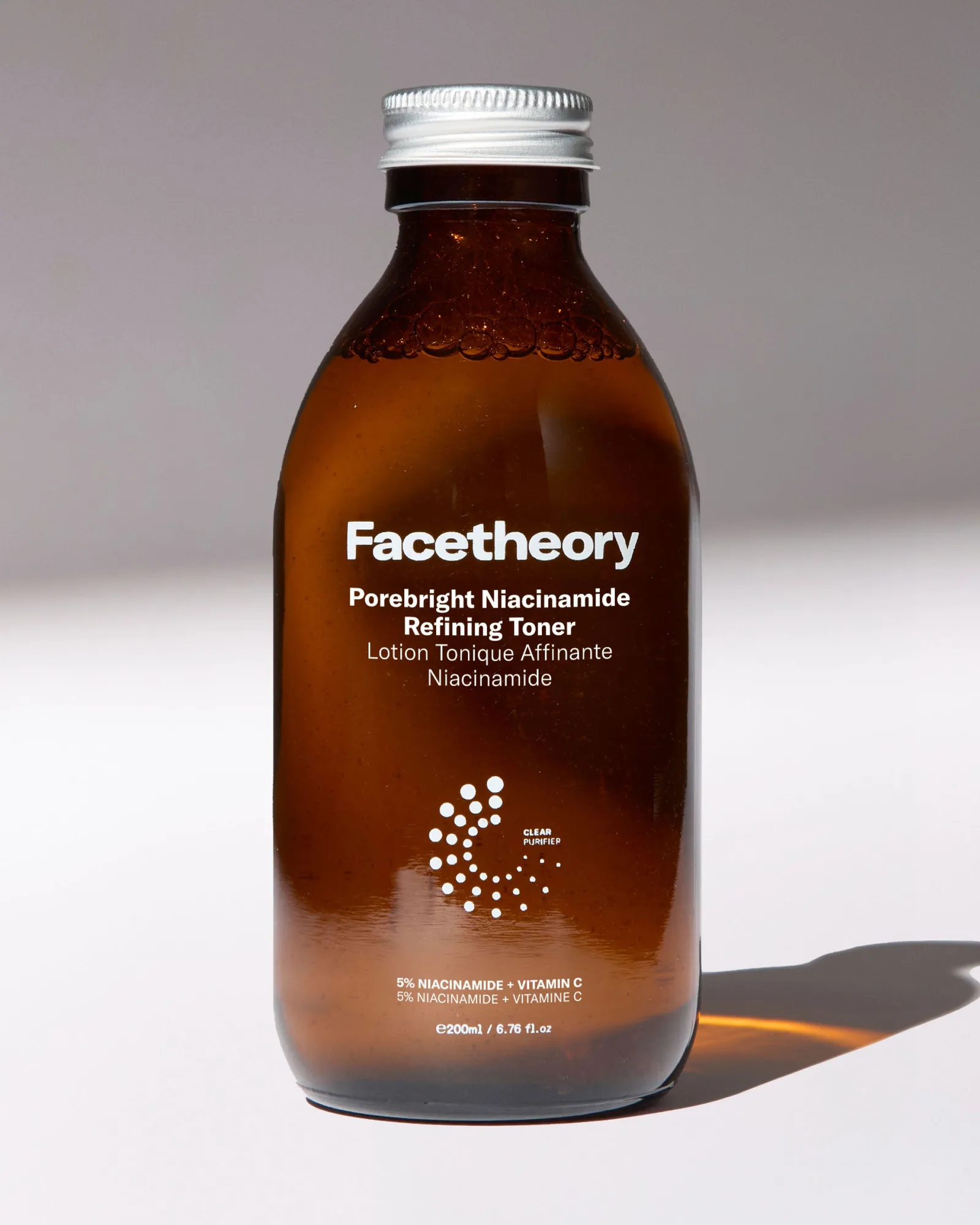
Porebright Niacinamide Refining Toner
- Never layer AHA and BHA with retinoids or vitamin C in the same step.
- Use a hydrating serum or moisturiser after exfoliating to support the skin barrier.
- If your skin feels tight, skip exfoliation for a night and focus on hydration.
The Role of Hydration and Barrier Support in Exfoliation
Exfoliation removes dead skin cells, but it also temporarily weakens the skin’s protective barrier. That’s why hydration and barrier repair are non-negotiable when using AHAs and BHAs. After exfoliating, apply a soothing moisturiser that contains ceramides, peptides, or niacinamide to calm and strengthen the skin.
Products like the Ectoin BarrierBuild Milk are formulated to reinforce the skin barrier while providing lightweight hydration, making them an excellent post-exfoliation step. Similarly, a peptide-rich night cream can support collagen production and repair overnight. Don’t skip these steps—they’re what keep your skin resilient and glowing rather than irritated and raw.
- Use a fragrance-free moisturiser after exfoliating to minimise irritation.
- Incorporate a hydrating toner or essence on off-nights to maintain moisture levels.
- If you experience peeling, reduce exfoliation frequency and increase barrier repair products.
When to Exfoliate: Morning vs. Night and Sun Protection
AHAs and BHAs are best used in your evening routine because they can increase photosensitivity. However, some low-concentration formulas are safe for morning use if you apply SPF 50+ afterwards. The key is to never exfoliate without sun protection—exfoliated skin is more vulnerable to UV damage, which can worsen pigmentation and premature ageing.
If you’re using a resurfacing serum or toner in the morning, pair it with a mineral sunscreen to minimise irritation. At night, follow exfoliation with a nourishing moisturiser to lock in hydration while your skin repairs. Remember that consistency matters more than frequency—a gentle weekly exfoliation habit will yield better long-term results than aggressive daily use.
- Always apply broad-spectrum SPF 30+ in the morning, regardless of exfoliation schedule.
- Avoid exfoliating on days when you use retinoids or strong active ingredients.
- If you have sensitive skin, exfoliate no more than 2-3 times per week.
Choosing the Right AHA/BHA Product for Your Skin Type
Not all exfoliants are created equal, and the best one for you depends on your skin’s needs. For oily or acne-prone skin, a BHA toner like the Porebright Niacinamide Refining Toner can help unclog pores and reduce blackheads while also soothing inflammation with niacinamide. For dry or dull skin, an AHA-based resurfacing serum like the Glow-C Deep Resurfacing Toner brightens and smooths without stripping moisture.
If you have combination skin, consider alternating between the two on different nights. Always start with a lower concentration and patch test. Avoid products with high alcohol content, which can exacerbate irritation. And remember: a good exfoliant should leave your skin feeling refreshed, not raw or tight.
- Look for formulas that include soothing ingredients like aloe, panthenol, or niacinamide.
- Avoid scrubbing or using physical exfoliants after chemical exfoliation.
- If you have rosacea or eczema, consult a dermatologist before using AHAs or BHAs.
Exfoliating with AHA and BHA doesn’t have to mean sacrificing your skin’s comfort. By starting slowly, supporting your barrier, and choosing the right products for your skin type, you can enjoy all the benefits of chemical exfoliation—smoother texture, clearer pores, and a radiant glow—without the irritation. Ready to elevate your routine? Explore the Glow-C Deep Resurfacing Toner for a gentle yet effective resurfacing serum that brightens and refines your complexion with every use.