Quick answer
To extend your drone battery life, warm batteries to room temperature before flight, fly smoothly without aggressive maneuvers, land at 20-30% remaining charge, and store batteries at a cool 60-70% charge. These habits can add several minutes of usable flight time per session.
Pre-flight preparation
Cold batteries lose capacity quickly. If your drone and batteries have been sitting in a cold car or outdoors, let them warm up to about 20-25°C (68-77°F) before taking off. You can hold the battery in your hands or place it inside your jacket for 10-15 minutes.
Check the battery charge level and condition before each flight. A battery that shows swelling, dents, or a history of deep discharge will perform poorly and should be replaced.
In-flight habits that save power
Smooth, gradual stick inputs consume less current than rapid acceleration or hard braking. Use a gentle throttle curve if your drone's flight controller allows it, and avoid hovering in high winds, which forces the motors to work harder.
Disable unnecessary features such as obstacle avoidance, LED lights, and live-streaming when you don't need them. Each feature draws power from the same battery that keeps you in the air.
Landing and battery care
Land your drone when the battery reaches 20-30% remaining capacity. Draining a LiPo battery below 20% repeatedly shortens its lifespan and can cause permanent capacity loss.
After landing, let the battery cool down to room temperature before charging. Never charge a hot battery. For storage longer than a few days, discharge or charge the battery to about 60% and keep it in a cool, dry place away from direct sunlight.
Diagnosing short flight time
- Symptom: Drone lands earlier than expected, or battery percentage drops quickly during flight. Flight time is consistently 30-50% shorter than the advertised spec.
- Likely cause: Cold battery temperature, aggressive flying style, or battery age/degradation. Check battery temperature before flight and review your flying habits.
- Corrective action: Warm batteries before flight, fly smoothly, disable non-essential power drains, and land at 20-30% charge. Implement these changes for 3-5 flights and compare flight logs.
- When to stop or replace: If flight time remains short after following all tips, or if the battery shows swelling, physical damage, or fails to hold a charge. Stop using the battery immediately. Dispose of it at a LiPo recycling center and buy a replacement.
Gear that helps you stay organized
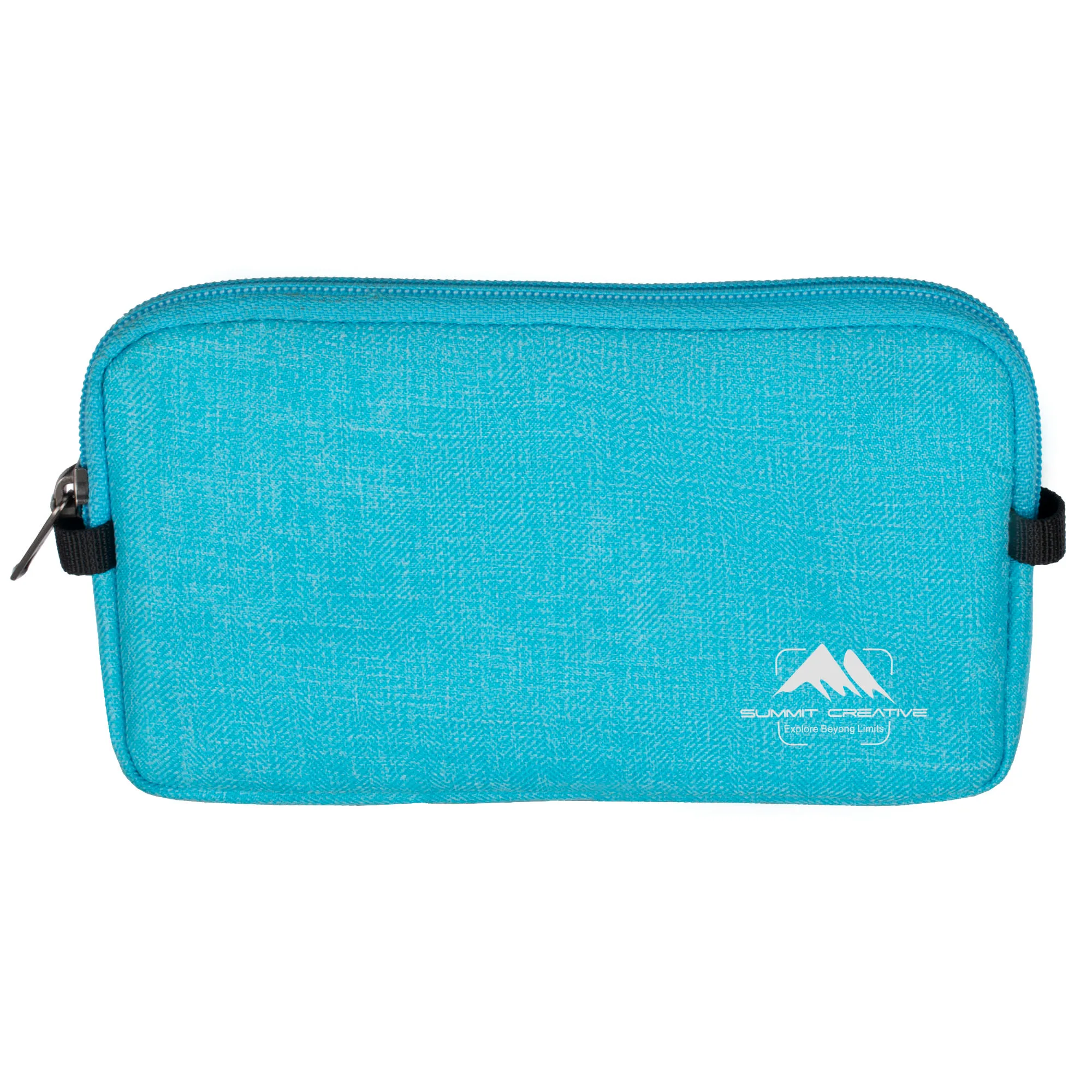
- Summit Creative Small Inner Bag for Accessories and Batteries (Blue): The Summit Creative Small Inner Bag for Accessories and Batteries is designed to fit inside a Summit Creative camera bag and keeps batteries and small accessories neatly arranged and easy to reach. Storing drone batteries in a padded, dedicated compartment prevents them from rattling against hard objects, which can damage the casing or short-circuit the terminals. It also makes it easier to keep spare batteries at room temperature during travel.
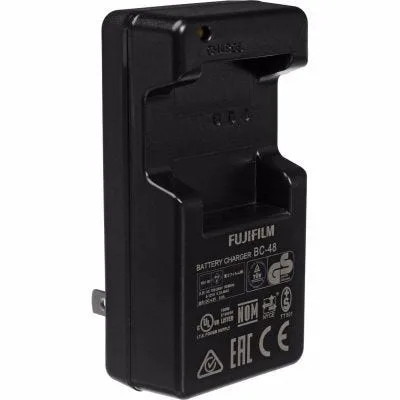
- Fujifilm BC-48 Battery Charger for NP-48 Battery: The Fujifilm BC-48 Battery Charger for NP-48 Battery supports AC100-240V input and charges a single NP-48 battery in about 110 minutes. While designed for Fujifilm cameras, this charger shows the value of a dedicated, voltage-stable charger. Using the correct charger for your drone batteries ensures proper charge termination and helps maintain battery health over time.