Quick answer
Extend cloth pad life by rinsing promptly in cold water, washing on a gentle cycle with mild detergent and no fabric softener, air-drying away from direct heat, and storing pads fully dry. Replace inserts when absorbency fades rather than buying a whole new pad, and keep a small rotation so each pad gets real rest between uses.
Why a Rotation Matters More Than Any Single Care Step
The fastest way to wear out cloth pads is to use the same two or three over and over while the rest sit in a drawer. Fabric needs time to dry completely between washes, and elastics and snaps recover better when they are not stretched daily. A rotation of eight to twelve pads for daytime use, plus two or three night pads, spreads the wear evenly and gives each piece 24 to 48 hours of rest.
If you are building that rotation, pay attention to how each piece is constructed. A night pad with a holder and separate inserts is doing two different jobs: the holder carries the snaps and wings, while the inserts handle absorbency. That means the inserts will usually wear out first, and replacing them is far cheaper than replacing the whole pad.
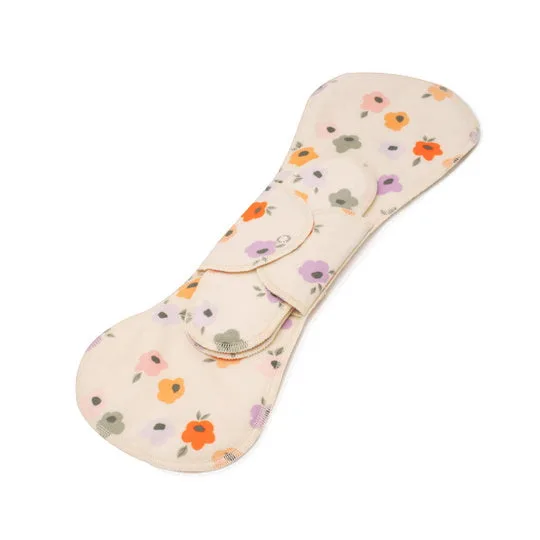
night pad
Match the Wash Routine to the Fabric, Not the Stain
Hot water and oxygen bleach will remove stubborn stains, but they also break down cotton fibers and elastic over time. For everyday care, cold or warm water with a mild, fragrance-free detergent is enough. Reserve hot water for occasional deep cleaning or sanitizing after illness, not for every load.
Skip fabric softener and dryer sheets entirely. They coat cotton fibers with a waxy film that reduces absorbency, which is the opposite of what you want. If pads feel stiff after washing, a half-cup of white vinegar in the rinse cycle will soften them without leaving a residue.
Dry Smart: Heat Is the Quiet Enemy
Air-drying is the single easiest way to make cloth pads last longer. Direct sun is fine for white or light-colored cotton and helps with staining, but prolonged high heat from a dryer will shrink cotton, degrade elastic, and warp the shape of flared inserts. If you must use a dryer, choose the lowest heat setting and remove pads while they are still slightly damp.
Hang pads by the wing or lay them flat rather than draping them over a hot radiator or space heater. Inserts should be dried fully open, not folded, so air reaches the center layers. A damp insert folded into a holder is the most common cause of odor that reappears after washing.
Storage That Protects Shape and Absorbency
Store clean, completely dry pads flat or loosely stacked in a breathable cotton bag or open bin. Do not seal them in plastic, and do not compress them under heavy items. Snaps should be closed so wings do not tangle, but avoid stretching the pad to snap it if the fabric is still damp.
For used pads waiting to be washed, a small wet bag or lidded bin with airflow works better than a sealed container. If you cannot wash within a day or two, rinse pads and wring them gently, then let them dry before adding them to the wash pile. This prevents mildew and keeps the fabric from sitting wet for days.
Know When to Repair, Replace, or Retire
Inspect your pads every few months. Frayed stitching at the wing base, snaps that no longer hold, or a holder that has lost its shape are signs the piece is near the end of its useful life. Inserts that have become thin, stiff, or noticeably less absorbent can often be replaced on their own, which extends the life of the holder.
If you use a night pad system, keep a spare insert or two on hand so you are not forced to wash the whole pad after a single heavy night. This is also a good moment to check that your inserts still fit the holder properly. A flared insert that has shrunk or lost its flare will not cover the same area, and that is when leaks start.
Your step-by-step cloth pad care routine
- Rinse promptly in cold water: As soon as you change a pad, rinse it under cold running water or soak it in a basin of cold water until the water runs mostly clear. Cold water keeps blood proteins from setting into the cotton fibers. Checkpoint: if the rinse water still looks dark after two changes, you waited too long. Rinse sooner next time.
- Wash on a gentle cycle with mild detergent: Use a fragrance-free, mild detergent and a normal or gentle cycle with like colors. Avoid fabric softener, dryer sheets, and chlorine bleach. If you need to sanitize, use hot water or oxygen bleach occasionally, not every wash. Checkpoint: pads should come out of the wash smelling clean, not perfumed. A perfume smell usually means detergent or softener residue is building up.
- Air-dry fully before storing: Hang or lay pads flat to dry, and open inserts out so air reaches all layers. Keep them away from direct high heat. If you use a dryer, choose low heat and pull pads out slightly damp. Checkpoint: press the thickest part of the insert. If it feels cool or damp, it is not dry yet.
- Store clean pads flat and breathable: Keep dry pads loosely stacked or flat in a cotton bag or open bin. Close snaps so wings stay tidy, but never stretch a damp pad to snap it. Keep used pads in a breathable wet bag until wash day. Checkpoint: if clean pads smell musty when you take them out, they were stored damp or in a sealed container.
- Rotate and inspect every few months: Spread use across your full set so each pad rests between wears. Every few months, check stitching, snaps, and insert thickness. Replace worn inserts separately when absorbency drops, and retire any holder with broken snaps or frayed wing seams. Next step: if your night inserts are thinning, order replacement inserts before the holder becomes unusable.
Products that fit this care routine
- Just the Insert - Organic Night Insert: Just the Insert - Organic Night Insert is a flared organic cotton insert about 12 inches long, made for use with any GladRags Night holder and designed to add absorbency over an extended coverage area. Because it is sold separately from the holder, you can replace a worn or less absorbent insert without buying a whole new night pad, which is one of the simplest ways to extend the life of the system you already own.
- Organic Night Pad Plus: Organic Night Pad Plus is a 14-inch night pad with a holder and two long, flared inserts, described as the most absorbent and most popular GladRags night pad. Its two-insert design means the inserts take most of the wear, so rotating and air-drying them properly protects the holder and keeps the full pad usable for longer.
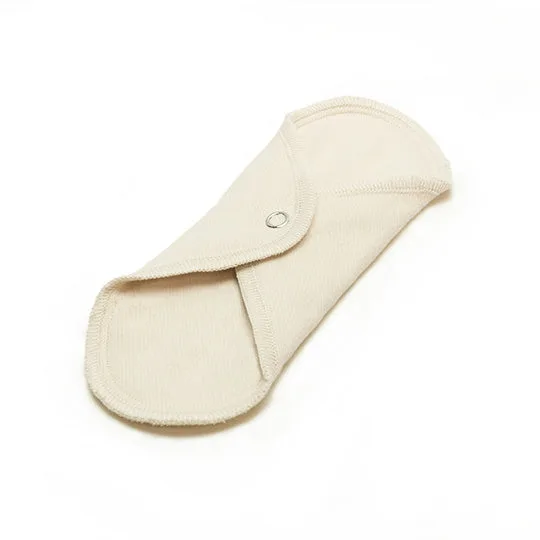
- Organic Pantyliner Extra Long: Organic pantyliner-extra-long-4578658cd87e7daaf7f828e5-1032345">Pantyliner Extra Long is an approximately 14-inch, 3-inch-wide organic cotton liner for light flow, cup or tampon backup, and everyday protection. Light-flow liners are often washed more frequently than night pads, so a gentle cold wash and full air-drying routine matters most for these pieces if you want them to stay soft and flat.