Quick Answer
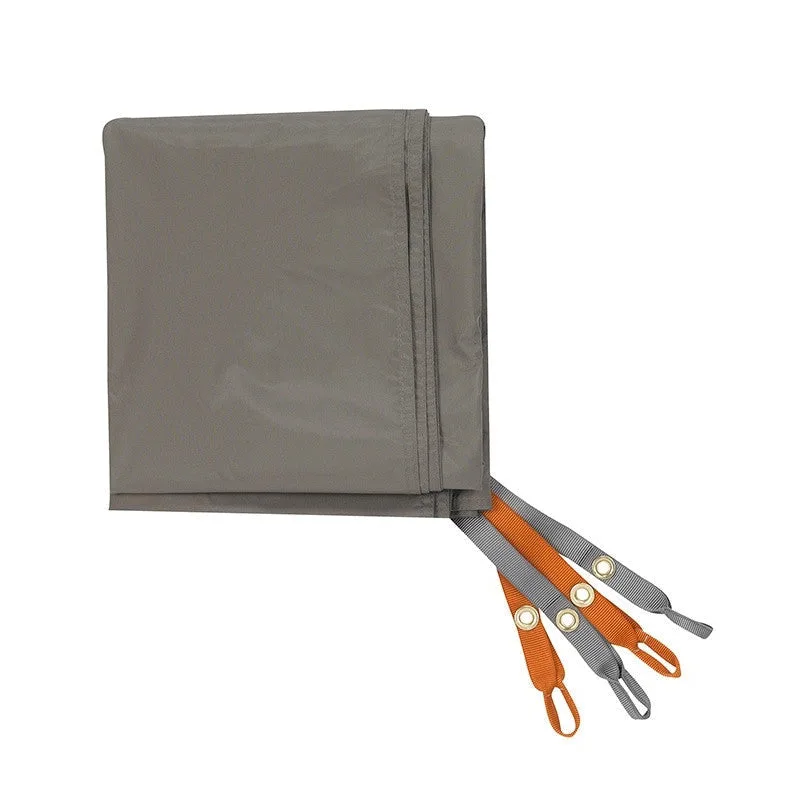
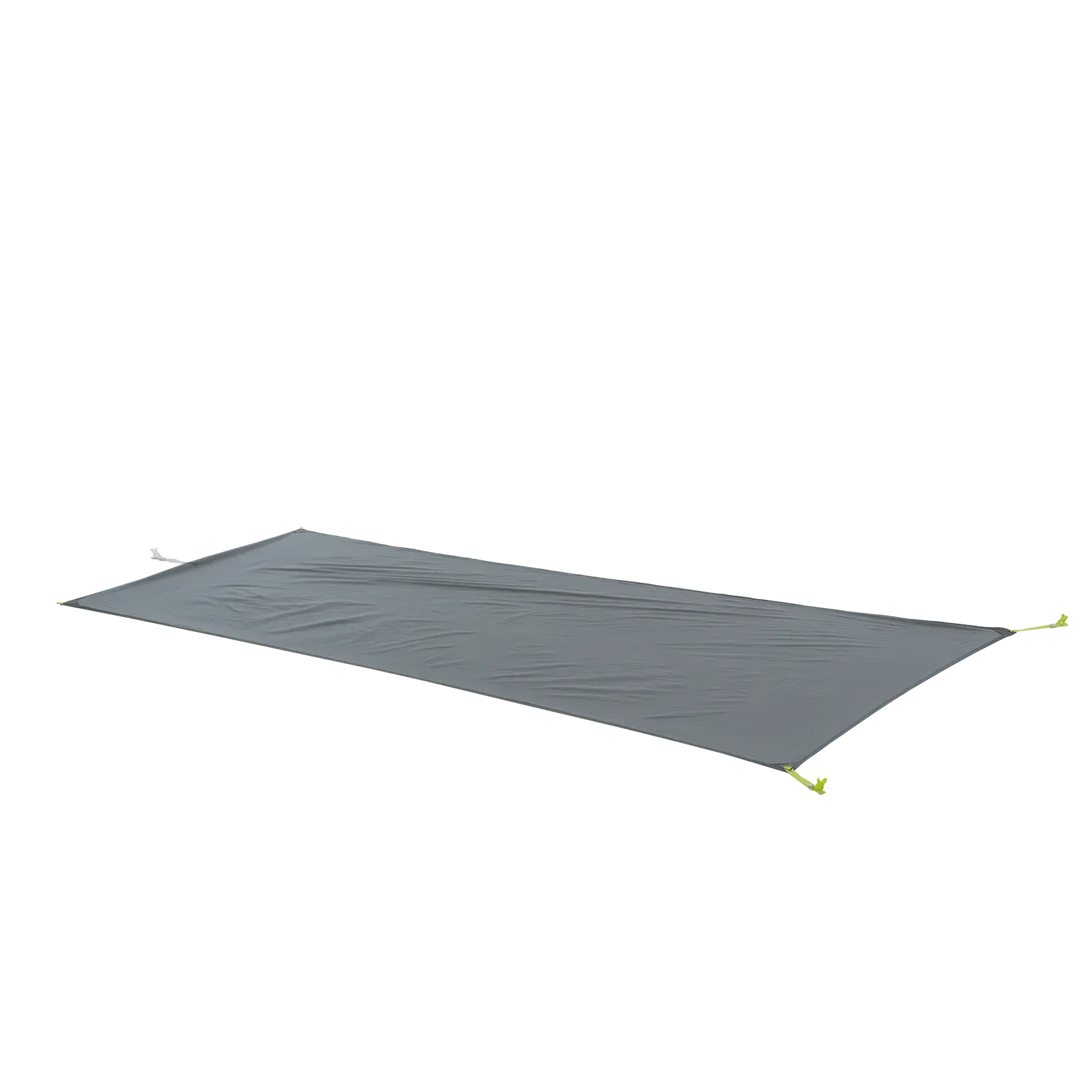
A polycryo tent footprint is an ultralight, affordable ground cloth that protects your tent floor from punctures, dirt, and moisture, helping your shelter last longer without adding significant weight to your pack.
Why a Groundsheet Matters for Tent Longevity
Tent floors are often the first part to fail—abrasion from rocks, roots, and repeated setup wears through the fabric. A separate ground cloth absorbs that abuse so your tent floor stays intact.
Polycryo is a clear, lightweight plastic sheet that offers a good balance of durability and weight. It's not as tough as heavier materials like Tyvek or coated nylon, but it's much lighter and cheaper to replace.
Trade-Offs of Polycryo vs. Other Materials
Polycryo is biodegradable, which is environmentally considerate, but it won't last as long as a woven fabric groundsheet. Expect to replace it after several trips if you camp on rough terrain.
It's also slippery on smooth surfaces, so you may need to tuck the edges under your tent or use small rocks to hold it in place in windy conditions.
Decision Rules for Choosing a Polycryo Footprint
- Match the footprint size to your tent floor: Cut or fold the polycryo sheet so it is slightly smaller than your tent floor. If it extends past the edges, water can pool between the footprint and the tent floor, defeating the purpose. Measure your tent floor dimensions before cutting.
- Assess the terrain you camp on most: Polycryo works well on soft soil, grass, and pine needles. On sharp rocks or gravel, it can puncture quickly. If you frequently camp on rough ground, consider a heavier ground cloth or carry a patch kit.
- Plan for replacement frequency: Polycryo is inexpensive (often under $10) but not meant to last a whole season of hard use. Budget for a new one every few trips if you hike in rocky areas. The low cost makes it a disposable item for long-distance hikes. Buy two at once if you're going on a multi-month trip.
- Use it with a tent that has a bathtub floor: Polycryo works best with tents that have raised bathtub floors. The footprint sits inside the raised edges, keeping water from collecting underneath. For flat-floor tents, trim the footprint even smaller to avoid water pooling.
Product Facts
-
Polycryo Tent Footprint: Ultralight construction supports a minimalist packing philosophy. You can carry effective tent floor protection without adding noticeable weight—ideal for thru-hikes and fast-and-light trips.
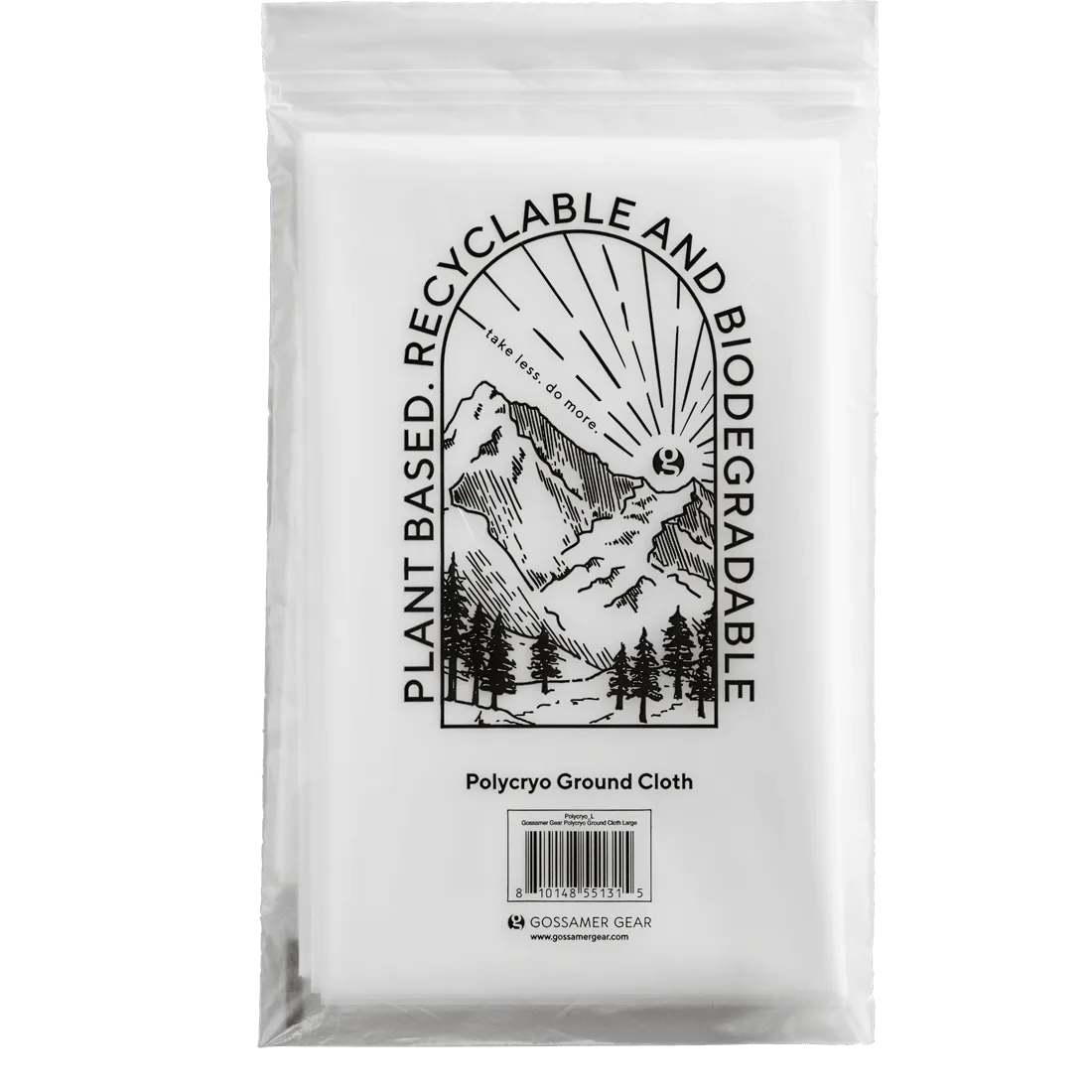
Polycryo Tent Footprint
-
Polycryo Tent Footprint: Now biodegradable, offering an environmentally considerate option for backcountry use. When it wears out, it breaks down faster than plastic sheeting, reducing your impact if you can't pack it out (though you should always try to pack it out).
-
Polycryo Tent Footprint: Acts as a barrier between your tent and the ground. Keeps moisture and debris away from the tent floor, helping maintain its waterproof coating and preventing dirt from grinding into the fabric.
Who Should Use a Polycryo Footprint?
Best for
- Ultralight backpackers who want minimal weight and pack volume
- Hikers on soft or moderate terrain who don't need extreme puncture resistance
- Budget-conscious campers looking for an affordable ground cloth option
Not ideal for
- Campers who frequently set up on sharp rocks or cactus-strewn ground
- Anyone who wants a one-time purchase that lasts years without replacement
- Car campers who don't need to save weight and can use a heavier, more durable groundsheet