Quick Answer
Rinse your Swedish dish cloth after each use, wash it in the dishwasher or washing machine weekly, and let it air dry completely. Avoid bleach and fabric softener to preserve the cellulose fibers.
Why Proper Care Matters
Swedish dish cloths are designed to be reused dozens of times, but their lifespan depends on how you treat them. These cloths are made from a blend of cellulose and cotton, which makes them absorbent and quick-drying. However, food residue, grease, and bacteria can build up if you skip rinsing or washing. With just a few minutes of care each week, you can keep your cloths effective and odor-free for months.
Step-by-Step Care Routine
- Rinse After Each Use: Hold the cloth under warm running water and squeeze out any food particles or soap residue. This prevents bacteria from setting in and keeps the cloth from developing a sour smell. Common mistake: Leaving a damp, unrinsed cloth on the counter invites odors. Always rinse and wring it out.
- Sanitize Weekly in the Dishwasher or Washing Machine: Place your Swedish dish cloth on the top rack of the dishwasher during a normal cycle, or toss it in the washing machine with your regular laundry on a warm or hot setting. The heat kills germs and loosens trapped grease. Checkpoint: Skip bleach and fabric softener—both break down the cellulose fibers and shorten the cloth's life.
- Air Dry Completely: After washing, hang the cloth or lay it flat in a well-ventilated area. Do not leave it bunched up or in a damp pile. Full drying between uses prevents mildew and keeps the cloth stiff but flexible. Verdict: A dry cloth is a fresh cloth. If it ever smells musty, rewash it immediately and ensure it dries fully.
Product That Makes Care Easy
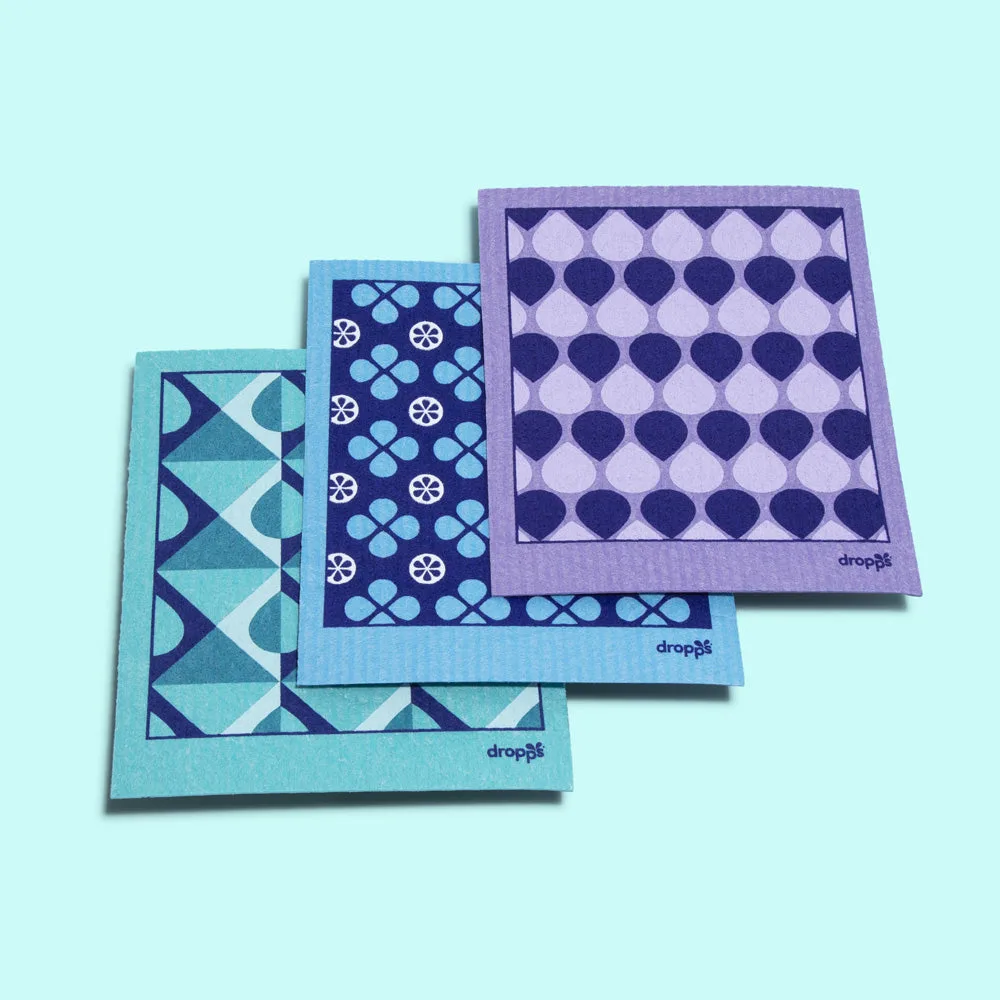
- Swedish Dish Cloths: Wipe. Wash. Reuse. Scrub away stubborn grime and wipe up everyday spills—our durable dish cloths can handle tough messes without falling apart. These cloths are built to withstand repeated washing, so you can follow the care routine without worrying about the cloth disintegrating after a few cycles.