Quick Answer
Start with fabric, then rise, then waistband, then size. A breathable cotton or soft microfibre brief in a rise that matches where you naturally wear your waistband will stay comfortable from morning to night. If your knickers dig, roll or ride up by lunchtime, the fix is usually one of those four things, not your body.
Most uncomfortable underwear isn't badly made. It's just mismatched to the body wearing it. A brief that digs at the waist on one person can sit perfectly on another, because comfort depends on fabric, rise, waistband construction and size working together.
This guide walks through six steps in order, from choosing fabric to checking the fit before you commit. Each step includes the mistake that most often undoes it, so you can spot the problem before it reaches your drawer.
Step 1: Pick the Fabric for Your Day
Cotton is breathable and handles long days and warm rooms well. Microfibre is lighter, stretches in four directions and tends to feel smoother under clothing. Neither is automatically better; the right pick depends on whether you want airflow or a barely-there feel.
A useful test: hold the fabric to a light. If you can see through it easily, it will likely breathe well. If it feels thick and stiff, it may trap heat. Match the fabric to your longest, most active hours, not to a five-minute try-on.
- Cotton for breathability and everyday rotation
- Microfibre for a smooth, light feel under fitted clothes
- Lace panels are fine as trim, but a full lace brief may not suit every long day
Step 2: Match the Rise to Your Natural Waistline
Rise is where the waistband sits, and it decides whether a brief stays put or rolls down. If you wear trousers at your natural waist, a high-rise brief follows that line. If you prefer low-rise jeans, a bikini or hi-cut cut will sit better.
The mistake here is choosing rise by look alone. A high-rise brief on someone who habitually wears low-rise waistbands will fight the waistband all day. Try the rise with the bottoms you wear most often, not with what's in the changing room.
- High-rise for extra coverage and a waistband that follows your natural waist
- Bikini and hi-cut for a lower, lighter line
- Check the rise against your most-worn trousers, not your most-worn mood
Step 3: Check the Waistband for Dig and Roll
A waistband that digs or rolls is the single most common comfort complaint. Wide, soft waistbands distribute pressure better than thin elastic. Lace waistbands can work well when they're soft and wide, but a narrow, tight lace band will leave marks.
Do a seated test in the fitting room. Sit down, then stand up. If the band has rolled or left a red line within a minute, it will be worse after eight hours. This is the checkpoint most shoppers skip.
- Wider bands spread pressure; narrow elastic concentrates it
- Sit, stand and bend before deciding
- If it leaves a mark in the fitting room, it will leave one at 5pm
Step 4: Get the Size Right, Not Just the Label
Underwear sizing is not consistent across brands, so treat the label as a starting point. The gusset should sit flat against the body without pulling, and the leg openings should lie smooth rather than cutting in.
A common mistake is sizing up to fix digging. If a brief digs, the cause is usually the waistband or rise, not the size. Sizing up can leave fabric that bunches and rides up, which trades one problem for another.
- Gusset flat, leg openings smooth, waistband level
- Don't size up to fix a waistband problem
- If two sizes feel close, choose the one that sits flat when you move
Step 5: Test Movement Before You Commit
Comfort is a moving target, so test it while moving. Walk a few steps, sit down, cross your legs and bend forward. Any ride-up, roll-down or dig will show up in those thirty seconds.
If you're shopping online, do the same test at home before removing tags, and keep the packaging until you're sure. A brief that passes a mirror check but fails a walk is not the right everyday pair.
- Walk, sit, bend, then decide
- Online: test at home before tags come off
- One uncomfortable hour is enough information
Step 6: Build a Rotation, Not a Single Pair
The best underwear for all day wear is rarely one pair. A small rotation of fabrics and rises means you always have a pair suited to the day ahead, whether that's a long desk day, a warm commute or a fitted dress.
Multi-packs make this easier and usually cost less per pair. Rotating also gives each pair time to rest between washes, which helps elastic and lace hold their shape for longer.
- Three to five everyday pairs covers most weeks
- Mix one cotton pair and one microfibre pair for different days
- Multi-packs lower the cost per pair and simplify the drawer
Your Six-Step Comfort Check
- Choose fabric first: Cotton for breathability, microfibre for a light, smooth feel. Hold it to the light to judge how much air it will let through. Checkpoint: if it feels heavy and stiff, it may not suit a long day.
- Match the rise to your waistband: High-rise follows a natural waist; bikini and hi-cut sit lower. Try the rise with your most-worn trousers. Checkpoint: if the rise fights your usual waistband, it will roll.
- Test the waistband seated: Sit, stand and bend. A wide, soft band spreads pressure; a narrow, tight one concentrates it. Checkpoint: a mark within a minute means a mark by 5pm.
- Confirm the size sits flat: Gusset flat, leg openings smooth, waistband level. Don't size up to fix a digging band. Checkpoint: sizing up often trades digging for riding up.
- Move before you commit: Walk, sit, cross your legs, bend forward. Test at home before removing tags if you bought online. Checkpoint: one uncomfortable hour is enough to return them.
- Build a small rotation: Keep three to five everyday pairs across two fabrics and two rises, and rest each pair between washes. Checkpoint: multi-packs lower cost per pair and keep elastic in shape.
Everyday Pairs That Match These Steps
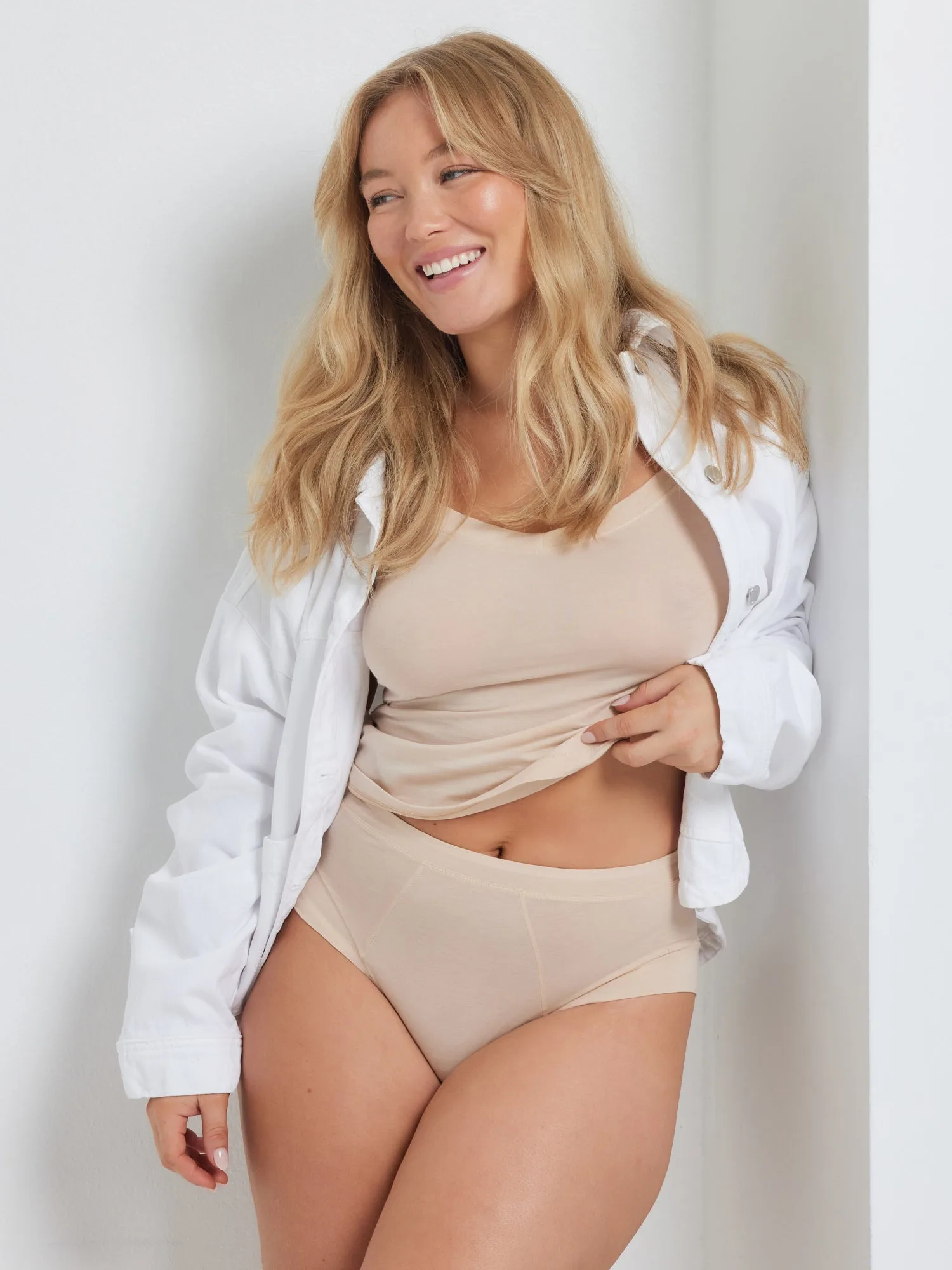
- Supima Bliss Cotton Full Brief: Made from Supima Cotton, known for softness and durability thanks to extra-long staple fibers, and breathable for all-day comfort. A strong pick for Step 1 if you want breathable cotton and full coverage for long days.
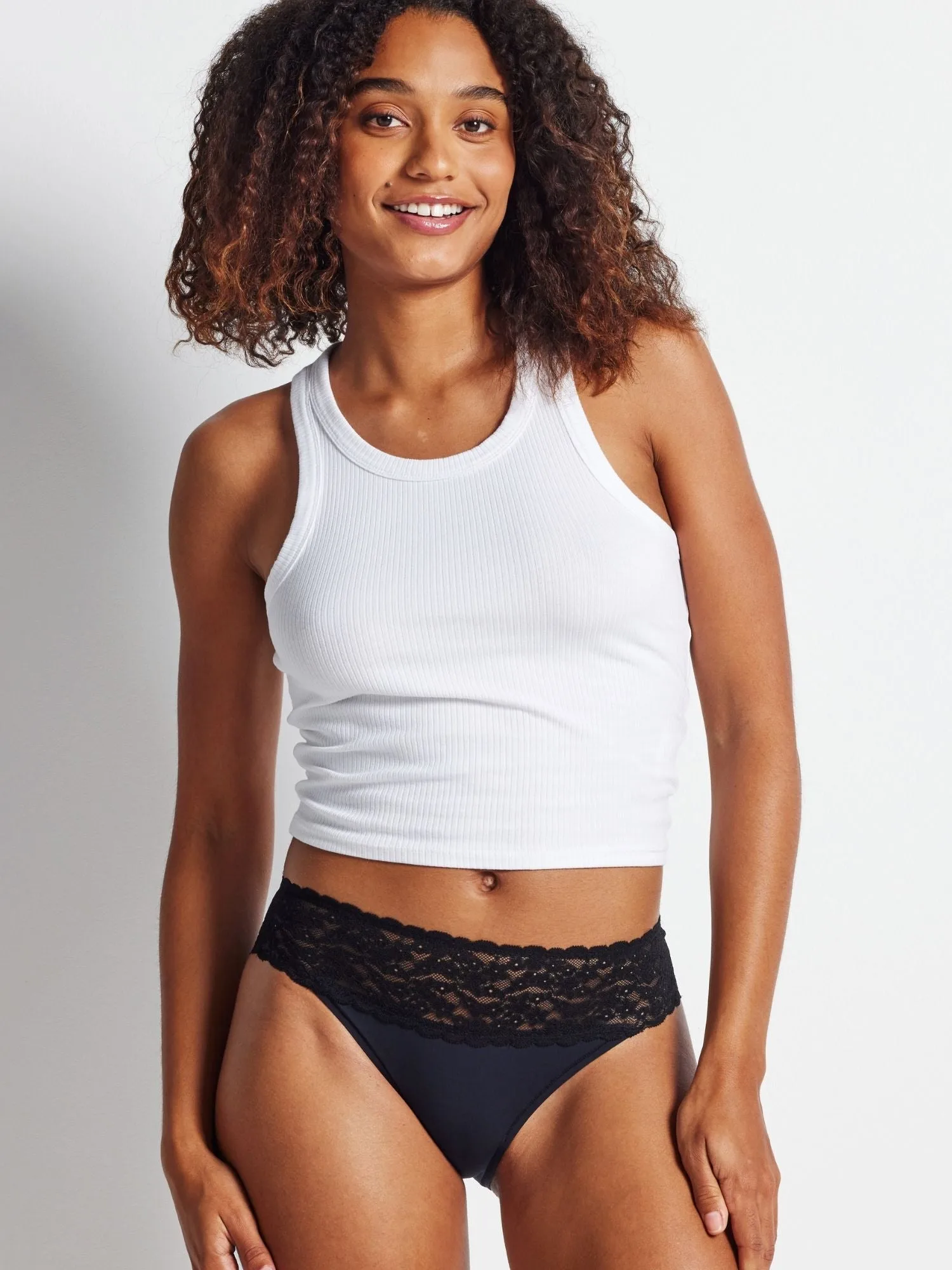
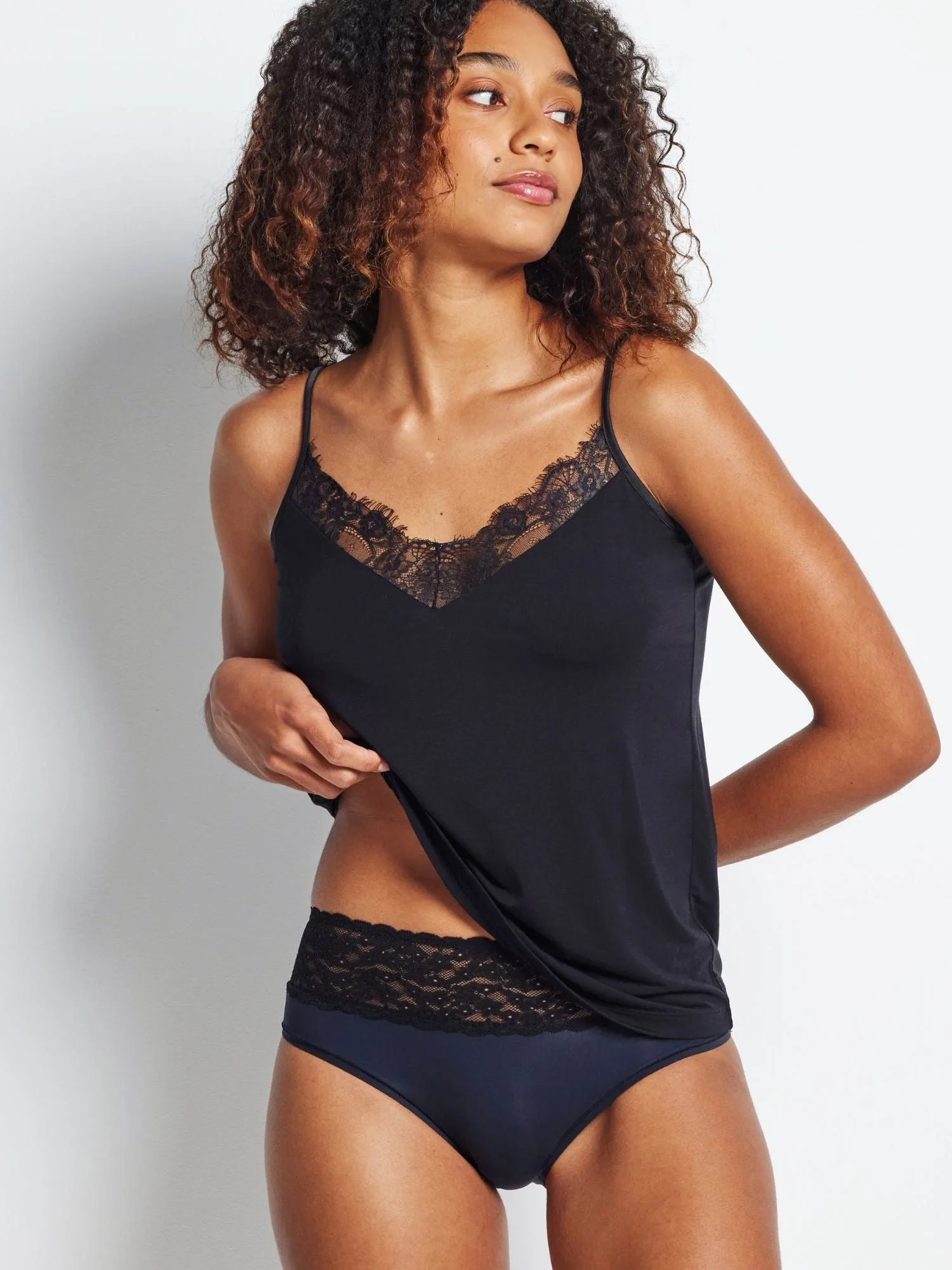
- Glowlights Hi Rise: Buttery 4-way stretch microfibre with a wide lace waistband that won't roll or dig, designed for extra coverage. Suits Step 2 and Step 3 if you wear a higher waistband and want a band that stays flat.
- Glowlights Bikini: Ultra-soft 4-way stretch microfibre with a smoothing lace waistband, designed to stay in place without digging or rolling. A lighter option for Step 2 if you prefer a bikini cut under low-rise clothing.
- 2 Pack Daily Essentials Stretch Lace & Cotton Full Brief (219): Full-coverage briefs with lace side panels and a breathable cotton body, sold as a two pack. Fits Step 6: a two-pack rotation in breathable cotton for everyday wear.
Comfortable knickers all day come from four decisions made in the right order: fabric, rise, waistband and size. Get those right, test them while moving, and build a small rotation so you always have a pair suited to the day. If a brief digs or rolls, change the waistband or rise before you change your size.