Quick Answer
Start by taking your natural waist and underbust measurements, then choose a corset size that is 4-6 inches smaller than your natural waist. Lace evenly from top to bottom, and season the corset gradually to let the fabric and boning mold to your curves.
Why Corset Fit Matters for Your Body Shape
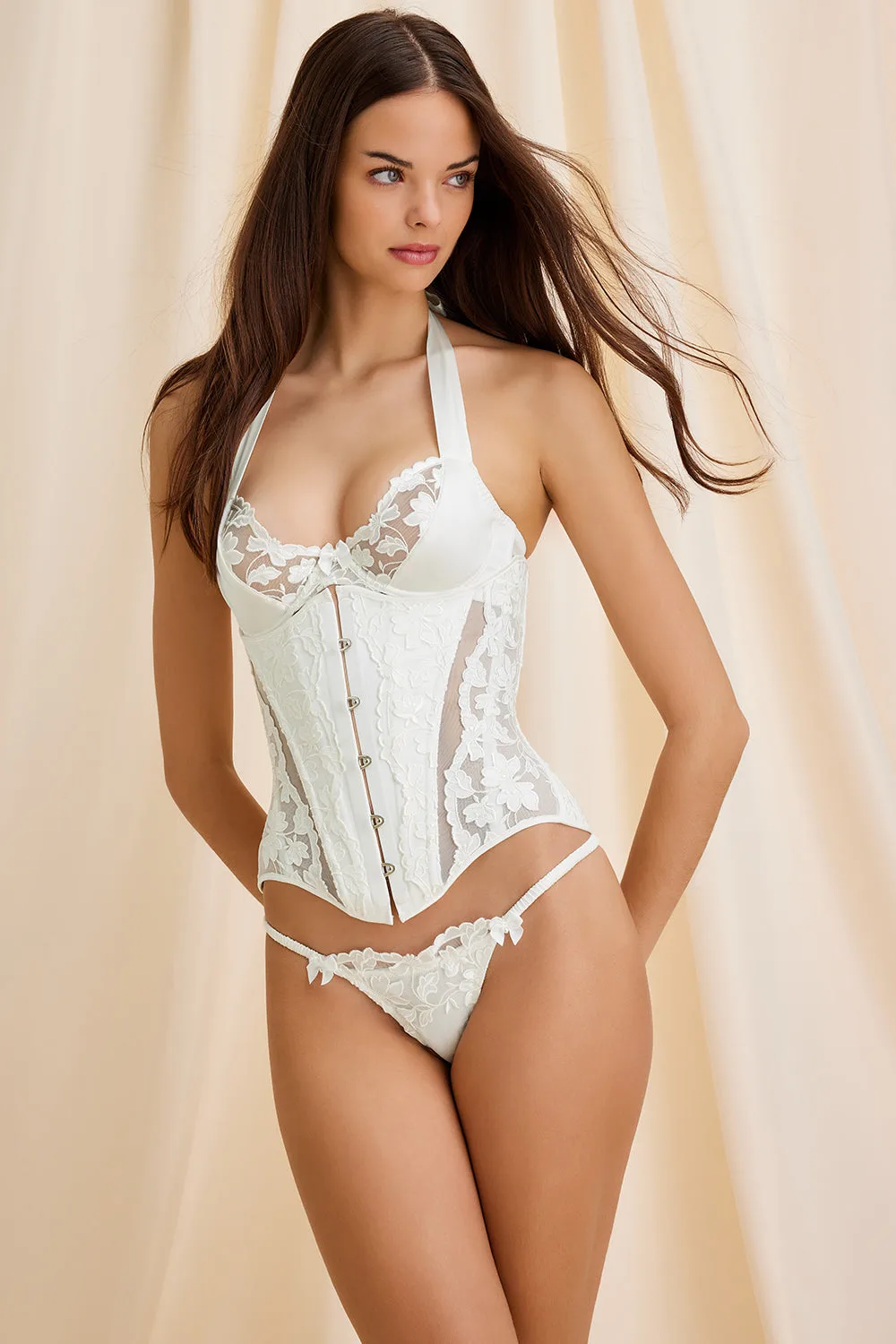
A well-fitted corset enhances your silhouette without causing discomfort or restricting movement. The key is matching the corset's shape to your torso length, waist-to-hip ratio, and bust size. For example, a waspie like the Velma Waspie works best for shorter torsos, while a full-length corset like the Arcadia Corset suits longer torsos.
The most common fit mistake is choosing a corset based on ready-to-wear clothing size rather than actual measurements. Corsets are designed to reduce your waist by a specific amount, so you need to measure your natural waist and subtract the intended reduction (typically 4-6 inches for off-the-rack corsets).
Understanding Corset Anatomy and Adjustability
Every corset has a lace-up back that allows you to adjust the fit. The Arcadia Corset features an adjustable lace-up back with metal grommets, while the Florence Corset adds a front busk for easy on-and-off. The Velma Waspie uses spiral steel boning throughout for shaping support.
Spiral steel boning (found in all three corsets) flexes with your body's movement, making it more comfortable than flat steel boning. Cotton boning channels (as in the Arcadia) reduce friction and help the corset sit smoothly against your skin.
Step-by-Step Corset Fitting Process
- Measure Your Natural Waist and Torso: Use a soft measuring tape to find your natural waist (the narrowest part, usually above your belly button). Also measure from your underbust to your hip bone to determine torso length. Compare these to the corset's listed waist size and length. Common mistake: measuring over clothing or at the wrong height. Always measure bare skin at the narrowest point.
- Choose the Right Corset Size: Select a corset with a waist measurement 4-6 inches smaller than your natural waist. For example, if your natural waist is 30 inches, a size 24 or 26 corset is a good starting point. Check the corset's hip and bust springs to ensure they match your body proportions. Common mistake: assuming a smaller size gives more reduction. Too small can cause discomfort and damage the corset.
- Lace the Corset Evenly: Start with the laces fully loosened. Put on the corset and pull the laces from the top and bottom simultaneously, working toward the middle. The goal is a parallel gap of 2-3 inches at the back when fully tightened. Never pull one side tighter than the other. Common mistake: pulling the top or bottom too tight first, creating a V-shape gap. Keep the laces parallel for even pressure.
- Season the Corset Gradually: Wear the corset for 1-2 hours a day for the first week, then gradually increase by an hour each week. This allows the steel boning and fabric to mold to your body without stress. Do not sleep in a new corset. Common mistake: over-tightening during seasoning. The corset should feel snug but not painful.
- Check for Pressure Points and Gapping: After seasoning, check for red marks, pinching, or fabric gaping at the bust, waist, or hips. If the corset gapes at the top or bottom, you may need a different length or spring. If it digs into your hips, the hip spring may be too small. Common mistake: ignoring gapping. A gap means the corset does not match your body shape; consider a different style or size.
Corsets That Fit Well
-
ARCADIA CORSET: Spiral steel boning for structure and support, cotton boning channels for comfort, adjustable lace-up back. The cotton boning channels reduce skin irritation during long wear, making this a good choice if you plan to wear your corset for several hours.
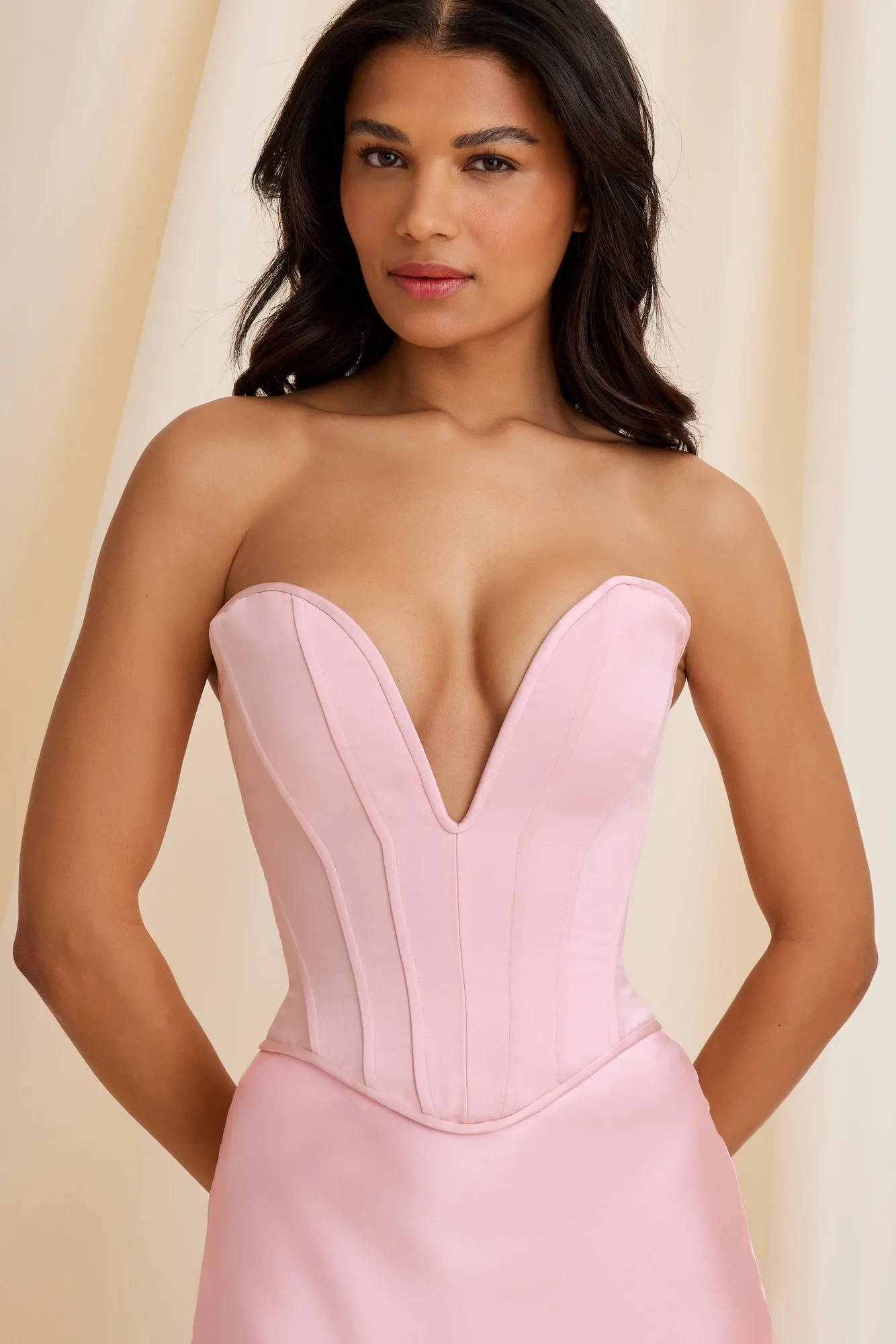
ARCADIA CORSET
-
FLORENCE CORSET: Spiral steel boning for sculpting support, front busk closure, silk charmeuse-lined bust. The front busk makes it easier to put on and take off without help, ideal for beginners or daily wear.
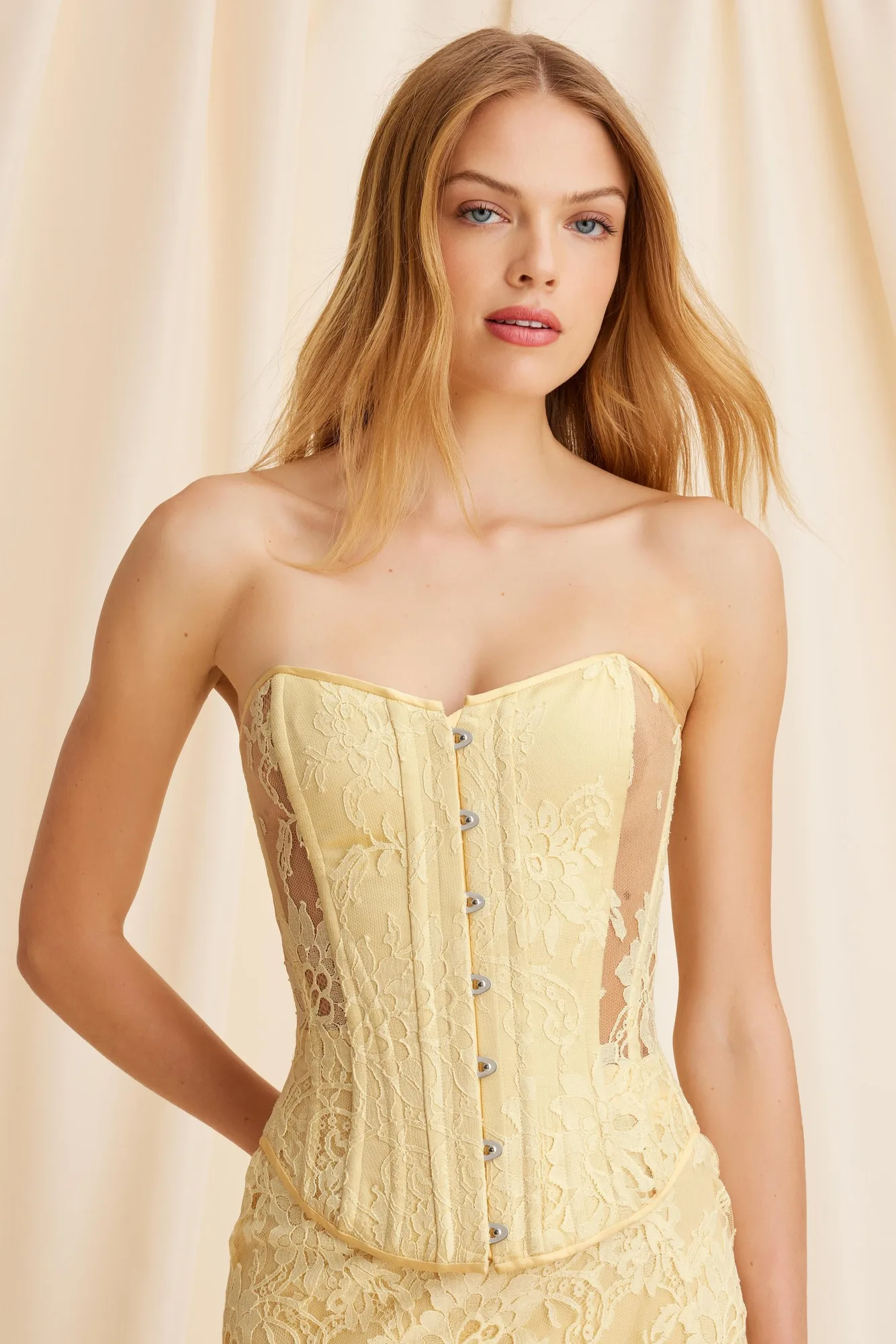
FLORENCE CORSET
-
VELMA WASPIE: Spiral steel boning for shaping and support, classic waspie silhouette, adjustable lace-up back. The shorter waspie length targets waist definition without covering the hips or bust, suiting petite frames or layered styling.