Quick answer
To fit a dog harness correctly, start by measuring your dog's chest and neck, then adjust the straps so two fingers fit snugly under each strap. Check that the harness sits centered on the chest and does not rub under the armpits. Always re-check the fit after your dog moves or grows.
A well-fitted harness makes walks and training sessions more comfortable for your dog and gives you better control. Whether you're using a simple step-in harness or a no-pull design, getting the fit right prevents chafing, slipping, and escape attempts.
This guide walks you through the essential steps to fit a dog harness correctly, including measuring, adjusting, and checking for common mistakes. We'll also highlight how to choose the right size and adjust for different body types.
Measure Your Dog Before You Buy
Before you even put a harness on your dog, you need accurate measurements. Use a soft measuring tape to measure the widest part of your dog's chest, just behind the front legs. Also measure the neck where the collar usually sits. These two numbers are the most important for harness sizing.
Most harnesses are sized by chest girth, but some designs also require neck measurements. Check the manufacturer's size chart and compare your dog's measurements to the range. If your dog is between sizes, choose the larger size for comfort and adjustability.
Remember that puppies grow quickly, so re-measure every few weeks. A harness that fits today may be too tight in a month. For adult dogs, re-measure after significant weight changes or if you notice the harness becoming snug.
- Use a flexible tape measure, not a metal one.
- Measure while your dog is standing, not sitting or lying down.
- Keep the tape snug but not tight.
Adjust the Straps for a Snug, Secure Fit
Once you have the harness on your dog, start by loosening all straps. Then, put the harness on and adjust each strap gradually. The goal is a snug fit that allows two fingers to slide under each strap, but no more. This ensures the harness is secure without restricting movement or breathing.
Pay special attention to the chest strap. It should sit across the sternum, not too high on the neck or too low on the belly. The front strap should be centered on the chest. If it slides to one side, the harness is too loose.
Also check the armpit area. The harness should not rub or pinch under the front legs. If it does, adjust the straps or consider a different style. A well-fitted harness allows full range of motion for running and playing.
- Two fingers under each strap is the golden rule.
- The chest strap should be centered and not twist.
- Check for any gaps between the harness and your dog's body.
Test the Fit with Movement
After adjusting, let your dog move around. Have them walk, trot, and even run if possible. Watch for any signs of discomfort, such as scratching, trying to bite the harness, or a change in gait. These can indicate the harness is too tight or rubbing.
Also, test the harness's security. Try to gently pull the harness away from your dog's body. It should not slide more than an inch or two. If you can easily slip a hand under the harness, it's too loose and your dog could escape.
Finally, check the D-ring or attachment point. It should sit on the back or chest, depending on the harness type. For no-pull harnesses, the front clip should be centered on the chest. If the harness twists or the ring moves excessively, re-adjust.
- Watch for chafing after a longer walk.
- Test the fit in different positions, like sitting and lying down.
- Re-check the fit after a few minutes of activity.
Common Fit Mistakes to Avoid
One of the most common mistakes is buying a harness that is too big, thinking it will be more comfortable. But a loose harness can rub, twist, and even allow your dog to back out of it. On the other hand, a harness that is too tight can restrict breathing and cause chafing.
Another mistake is ignoring the neck strap. Some harnesses have a neck strap that should sit high on the neck, behind the ears. If it's too loose, the harness can slip over the head. If it's too tight, it can cause coughing or discomfort.
Finally, don't forget to re-check the fit regularly. Dogs can lose or gain weight, and puppies grow. A harness that fit perfectly a month ago may need adjustment. Make it a habit to check the fit every few weeks.
- Avoid buying a harness based on breed alone; use measurements.
- Don't leave the harness on for extended periods without checking.
- If the harness leaves marks on your dog's fur or skin, it's too tight.
Choosing the Right Harness for Your Dog
Different harness styles serve different purposes. For everyday walks, a simple back-clip harness is often sufficient. For dogs that pull, a front-clip or no-pull harness can give you more control. For small dogs or those with sensitive necks, a step-in harness may be easier to put on.
Consider your dog's activity level and any health issues. For example, dogs with respiratory problems may do better with a harness that doesn't put pressure on the neck. Dogs that are escape artists may need a harness with a secure fit and multiple adjustment points.
When in doubt, consult with a professional trainer or your veterinarian. They can help you choose the right harness and ensure it fits correctly. Remember, a harness is a tool for safety and comfort, not a fashion statement.
- Front-clip harnesses can help reduce pulling.
- Back-clip harnesses are good for relaxed walks.
- For dogs with neck issues, avoid harnesses that put pressure on the throat.
Step-by-Step: Fitting Your Dog Harness
- Measure your dog: Use a soft tape measure to get the chest girth and neck circumference. Record these numbers and compare to the size chart. Checkpoint: The chest girth should be within the size range, not at the very edge.
- Loosen all straps: Before putting the harness on, loosen all adjustable straps to their maximum length. This makes it easier to put on and adjust. Checkpoint: You should be able to slip the harness over your dog's head without force.
- Put the harness on: Place the harness over your dog's head or have them step into it, depending on the style. Ensure the chest piece is centered on the sternum. Checkpoint: The harness should not be twisted or off-center.
- Adjust for a snug fit: Tighten each strap gradually, starting with the chest strap. Aim for a fit where two fingers can slide under each strap but no more. Checkpoint: The harness should not be so tight that it restricts breathing or movement.
- Test with movement: Let your dog walk, run, and play. Watch for any signs of rubbing, chafing, or slipping. Re-adjust as needed. Checkpoint: The harness should stay in place without shifting more than an inch.
- Re-check regularly: Check the fit every few weeks, especially for growing puppies or dogs with weight changes. Adjust straps as needed. Checkpoint: A well-maintained harness ensures long-term comfort and safety.
Product Spotlight: Harness Accessories and Alternatives
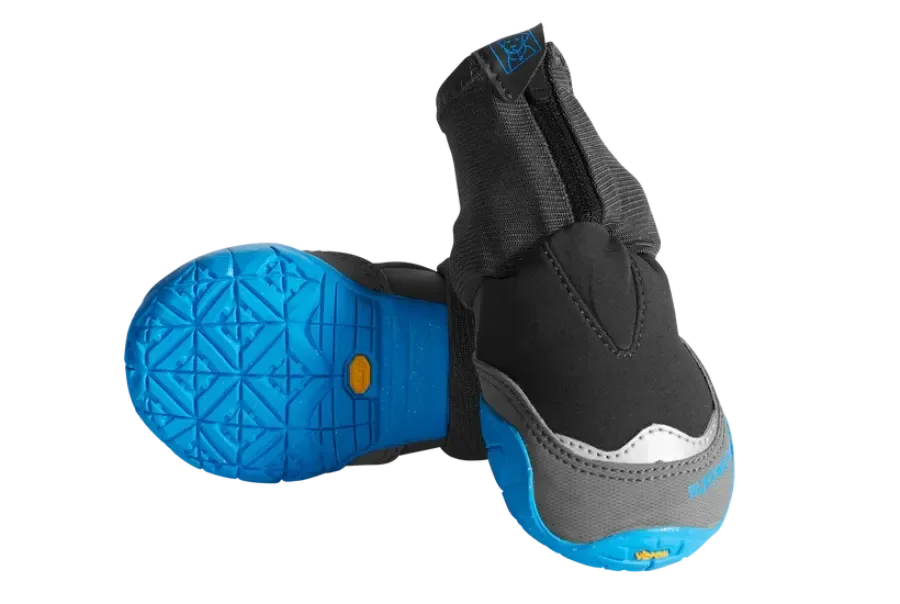
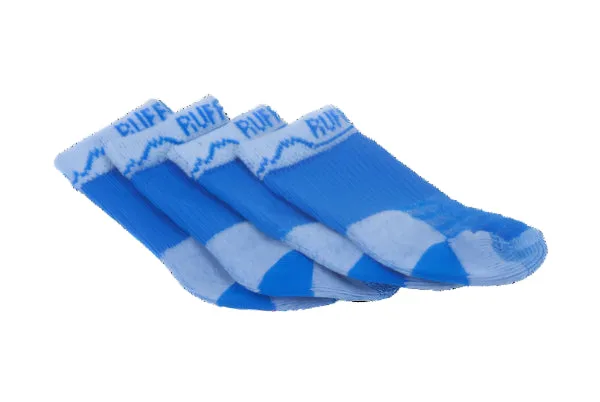
- Ruffwear Polar Trex: Ruffwear Polar Trex boots provide warmth, traction, and protection for paws in winter conditions. They come in pairs, so you need to order two pairs for a full set of four boots. While these are boots, not a harness, they complement your dog's outdoor gear. If you're fitting a harness for winter walks, consider protecting your dog's paws with these boots for complete comfort.
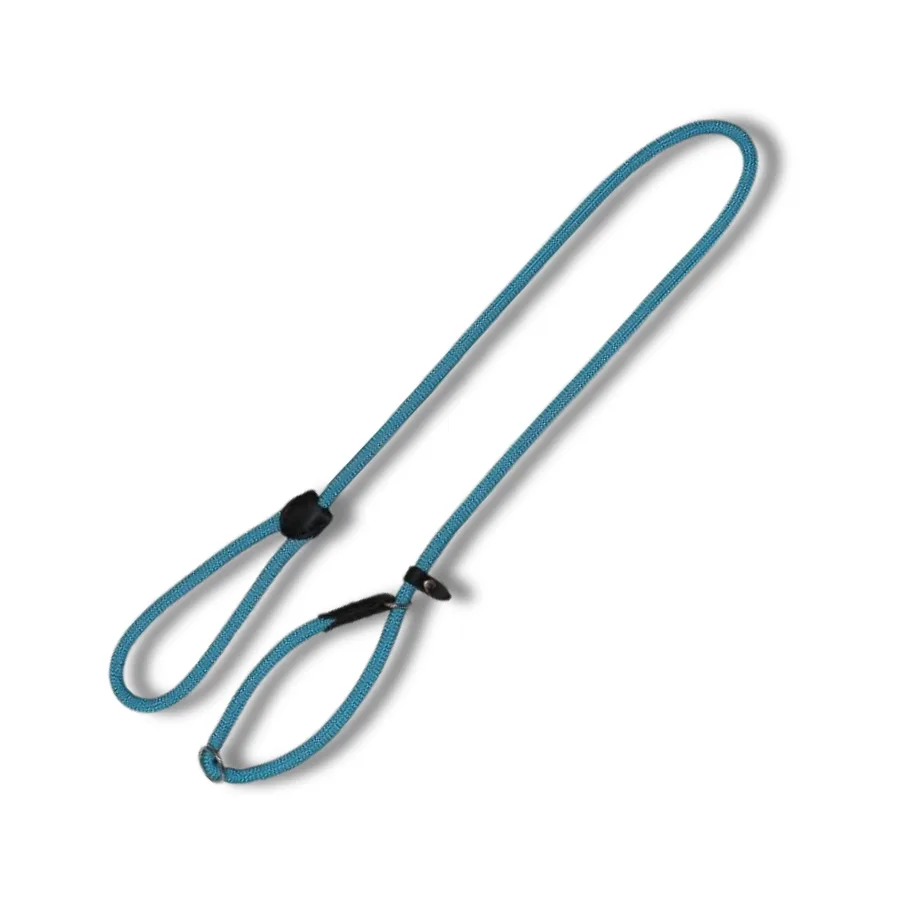
- Nylon Slip Leash - Extra Strong: The Nylon Slip Leash - Extra Strong features a reinforced polyamide core and is 4cm thick in circumference. It has a metal ring and clip to limit the maximum range for the slip, ensuring a perfect fit without choking. This slip leash is a great alternative for dogs that need quick control during training. It's easy to fit and safe, making it a useful tool to have alongside a well-fitted harness.
Fitting a dog harness correctly is essential for your dog's comfort and your control during walks and training. By measuring accurately, adjusting straps properly, and checking the fit regularly, you can prevent common issues like chafing and escape attempts. Remember to choose a harness that suits your dog's needs and re-evaluate as they grow or change.