Quick answer
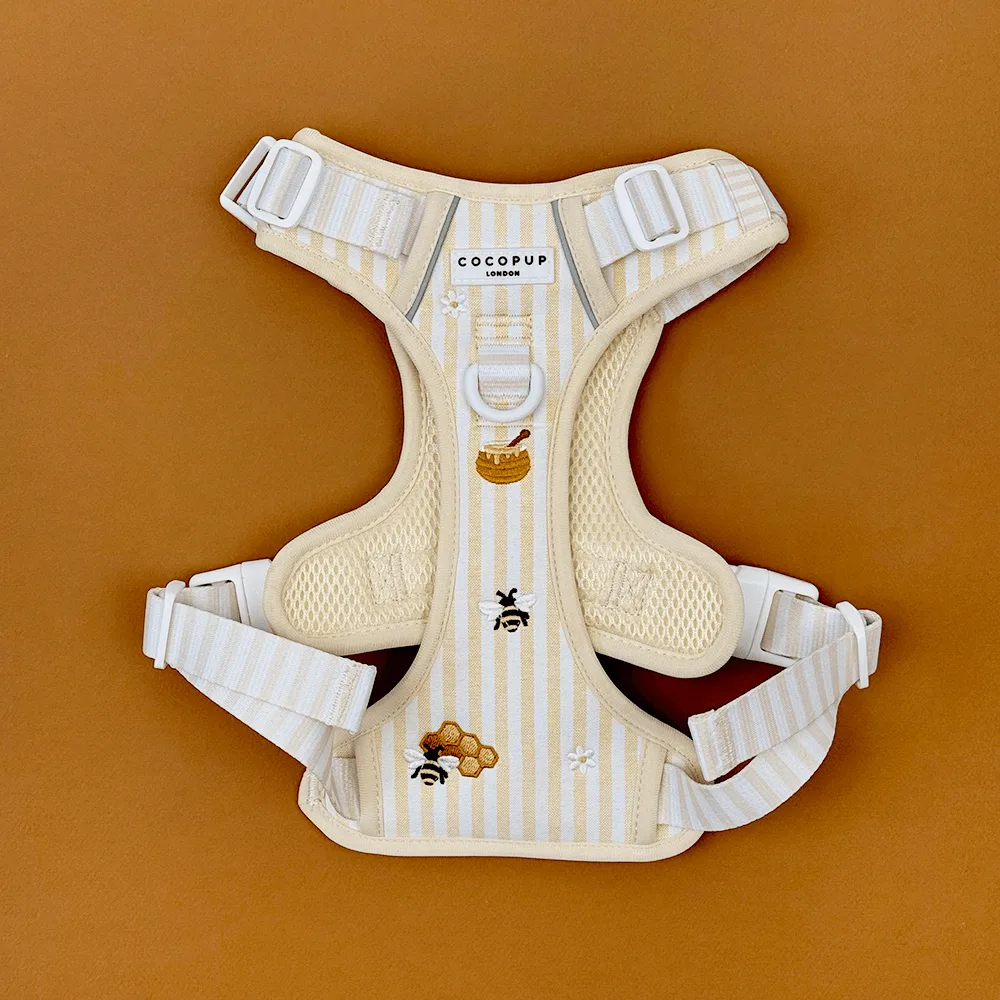
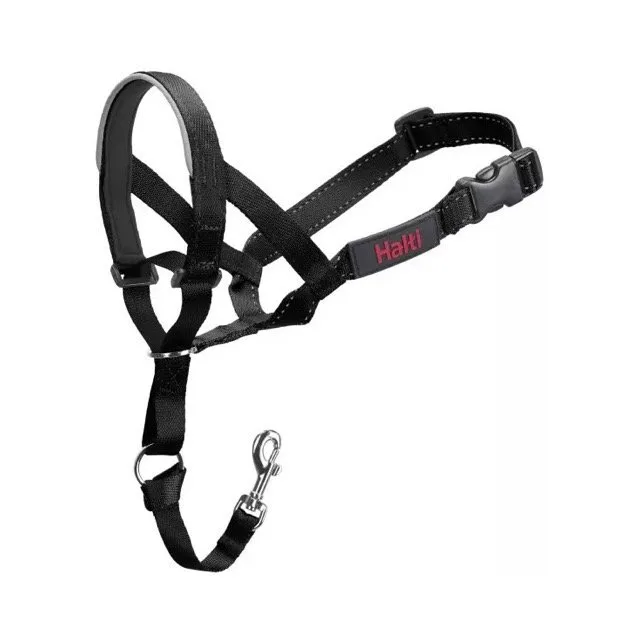
A correctly fitted no pull dog harness should sit snugly around your dog's chest and neck without restricting movement or breathing. Focus on the two-finger rule under the straps and ensure the D-ring sits on the back or front chest for effective pulling control.
Why harness fit matters for no pull control
A harness that is too loose lets your dog slip out or pull with their full body weight, while one that is too tight can cause chafing or restrict natural movement. The key is an adjustable neck harness that allows you to fine-tune both the neck and chest loops independently for your dog's unique shape.
No pull designs work by redirecting your dog's forward momentum when they pull, usually through a front or back attachment point. If the harness shifts position during walks, the pressure point moves and the training effect is lost. That is why taking the time to adjust before heading out makes a real difference.
Common mistakes when fitting a no pull harness
One frequent error is leaving the neck strap too loose because it looks comfortable. In reality, a loose neck strap lets the harness slide sideways, turning a no pull harness into a regular one. Another mistake is skipping the final check after your dog has walked a few steps — straps can settle and loosen once movement begins.
Some owners also forget that a harness with limited adjustability may never fit well on breeds with deep chests or narrow necks. An adjustable neck harness with multiple sizing options gives you the flexibility to get a custom-like fit without buying a made-to-measure product.
Step-by-step fitting guide
- Loosen all straps completely: Start with the harness fully loosened. Slip it over your dog's head or clip it around the neck depending on the design. Make sure the D-ring (for the lead) is on your dog's back or front chest depending on your no pull preference. Common mistake: putting a harness on without loosening first often twists the straps.
- Adjust the neck strap first: Tighten the neck strap until you can slide two fingers flat between the strap and your dog's neck. The harness should sit high on the neck, just behind the ears, not down on the shoulders. Checkpoint: if you can fit more than two fingers, the neck is too loose and the harness may slip sideways.
- Fit the chest or body strap: Adjust the chest strap so it sits about a finger's width behind your dog's front legs. It should be snug but not digging in. The harness should not shift more than an inch when you gently pull the D-ring. Common mistake: placing the chest strap too far forward restricts the shoulders and reduces stride length.
- Perform the walk test: Clip on the lead and let your dog walk a few steps indoors. Watch for the harness rotating, slipping, or rubbing. If the D-ring moves to the side, tighten the neck strap slightly. If the chest strap rides up, loosen it and re-center. Checkpoint: a well-fitted harness stays in place even when your dog pulls gently. If it still shifts, try a different size or design.
Product facts that help with fitting
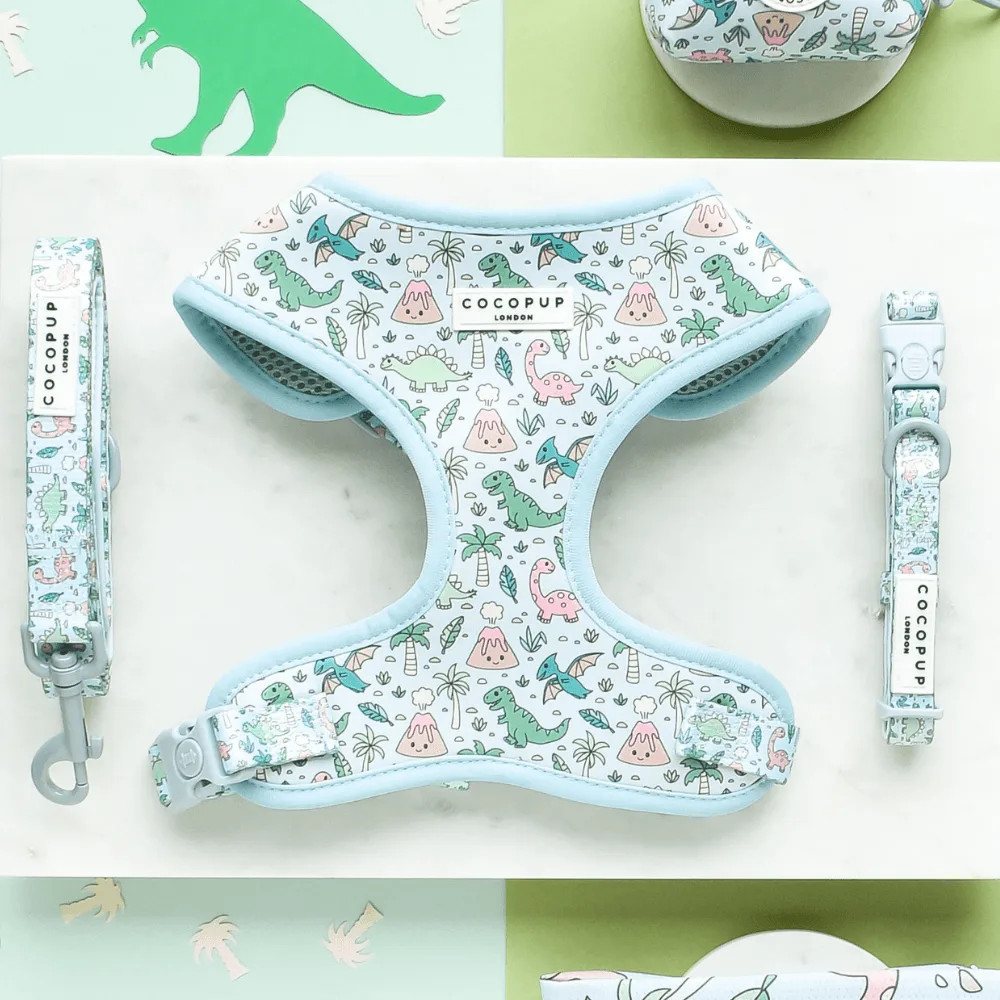
- Ralph & Friends Mocha Teddy Adjustable Neck Harness, Lead & Collar Bundle: The Ralph & Friends Mocha Teddy Adjustable Neck Harness, Lead & Collar Bundle is made from soft, durable materials and includes an adjustable neck harness, lead, and collar with an embroidered design. Having both an adjustable neck harness and a matching collar in one bundle means you can fit the harness precisely while keeping ID tags on the collar — no more guessing between sizes or mixing incompatible hardware.