Quick answer
To fit a dog backpack correctly, measure your dog's chest and length, adjust the straps so the pack sits snugly but allows full movement, and balance the load evenly. Start with a lightweight pack and gradually increase weight as your dog builds strength.
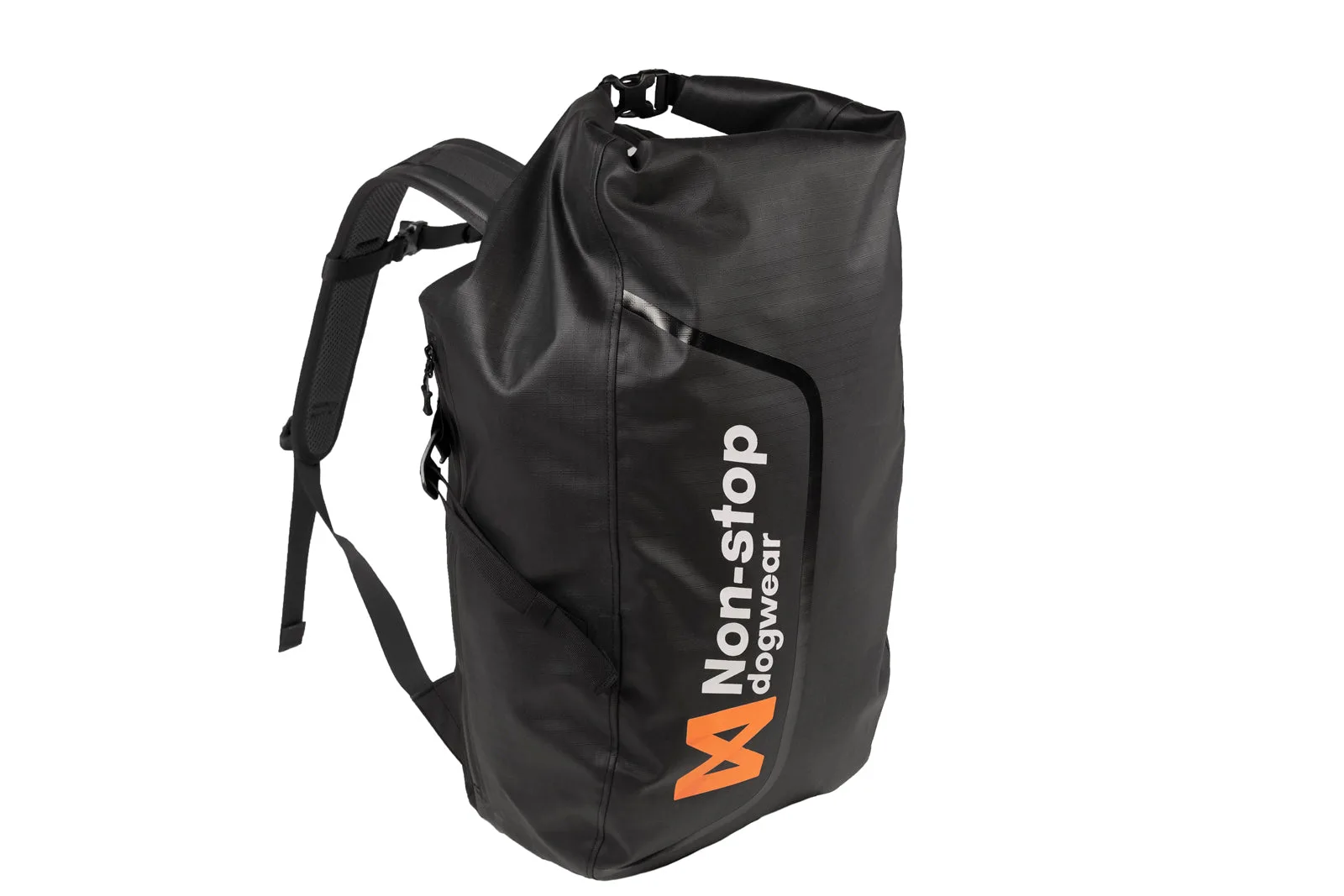
backpack
Why proper fit matters
A well-fitted backpack distributes weight evenly across your dog's body, preventing strain on the back and shoulders. An ill-fitting pack can cause chafing, restrict movement, and even lead to injury. Taking the time to fit the pack correctly ensures your dog stays comfortable and happy on every hike or run.
Measuring your dog for a backpack
Start by measuring your dog's chest circumference at the widest point, just behind the front legs. Also measure the length from the base of the neck to the base of the tail. These measurements will help you choose the right size pack. If your dog is between sizes, opt for the larger size and adjust the straps for a snug fit.
Adjusting the backpack for a secure fit
Once you have the pack on your dog, tighten the chest and belly straps so the pack sits close to the body without pinching. The pack should not slide side to side or bounce when your dog moves. You should be able to fit two fingers between the straps and your dog's body. Check that the pack does not restrict your dog's front leg movement.
Step-by-step fitting guide
- Measure your dog: Measure chest circumference and back length. Use these measurements to select the correct pack size. A common mistake is guessing the size—always measure.
- Place the pack on your dog: Position the pack so it sits evenly on the back, not too high on the neck or too low on the hips. Check that the pack does not interfere with your dog's natural posture.
- Tighten the straps: Adjust chest and belly straps for a snug fit. Ensure you can fit two fingers under the straps. If the pack slides or bounces, tighten the straps further.
- Check movement: Watch your dog walk, trot, and turn. The pack should not restrict leg movement or cause chafing. If your dog seems uncomfortable, readjust or try a different size.
- Balance the load: Distribute weight evenly on both sides. Start with a light load and gradually increase as your dog gets used to the pack. Never exceed 10-15% of your dog's body weight.
Related products
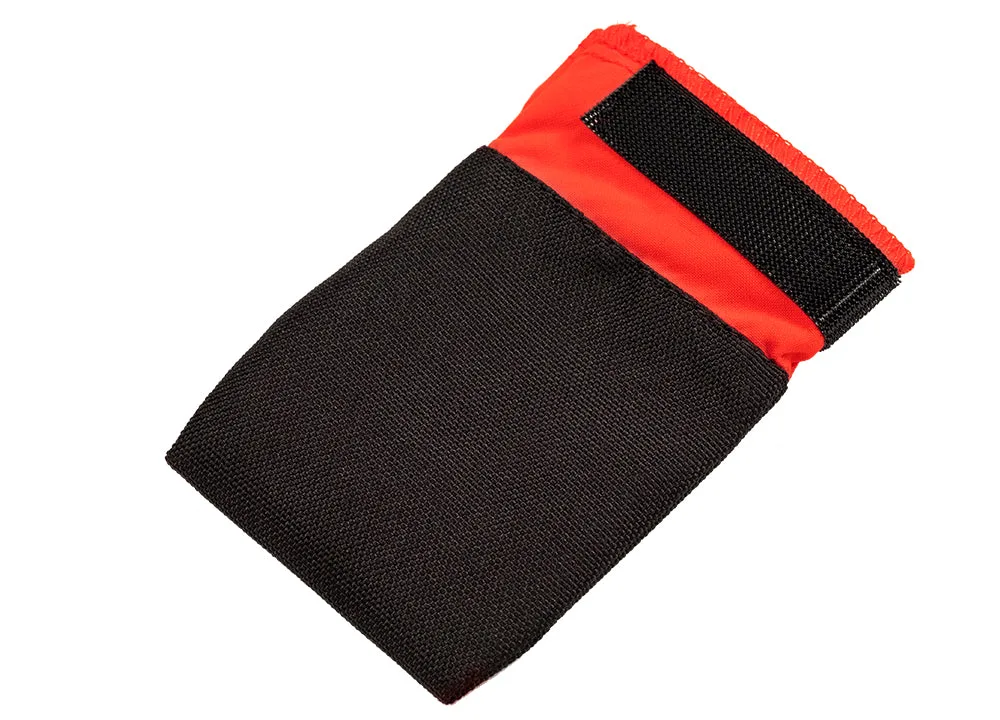
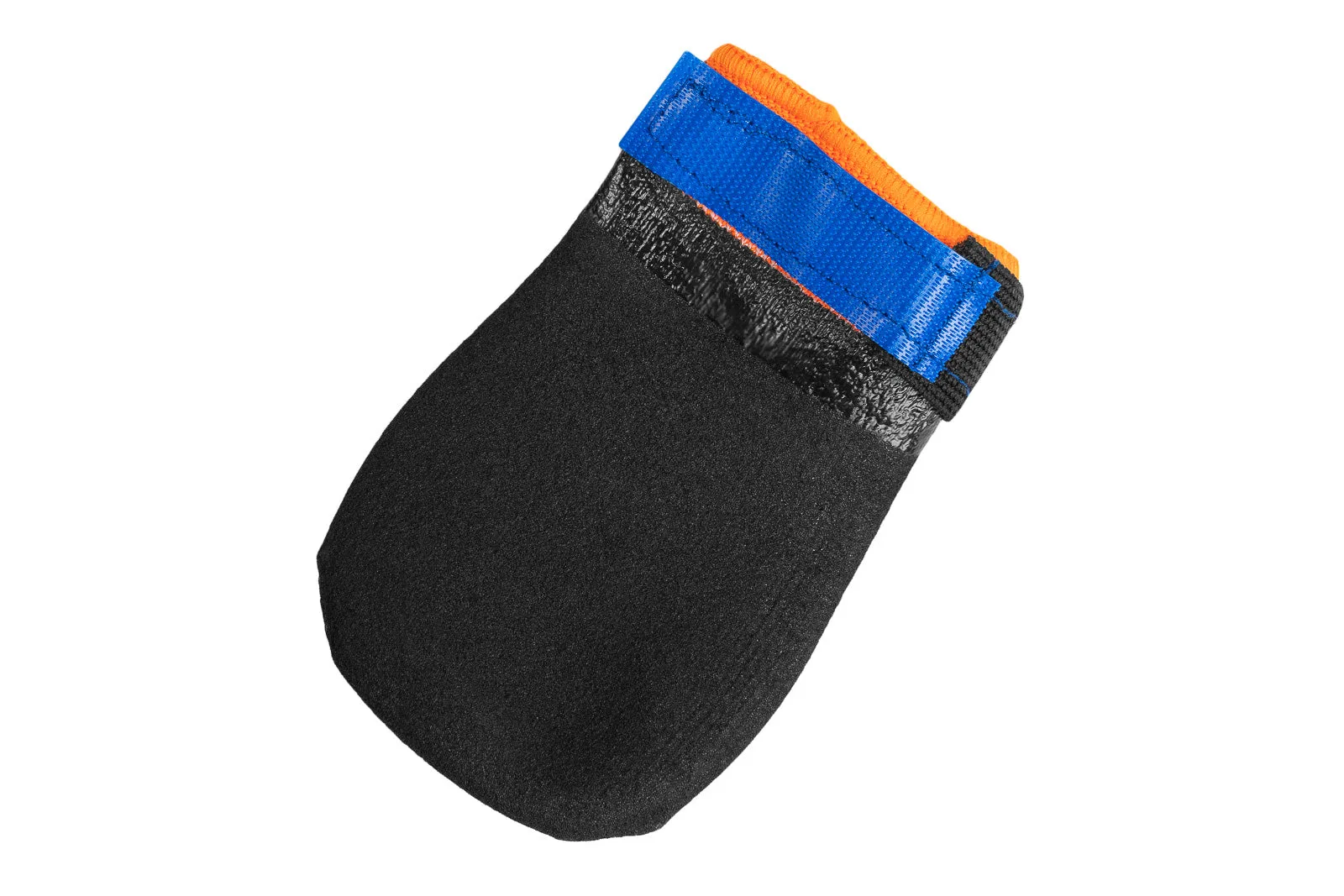
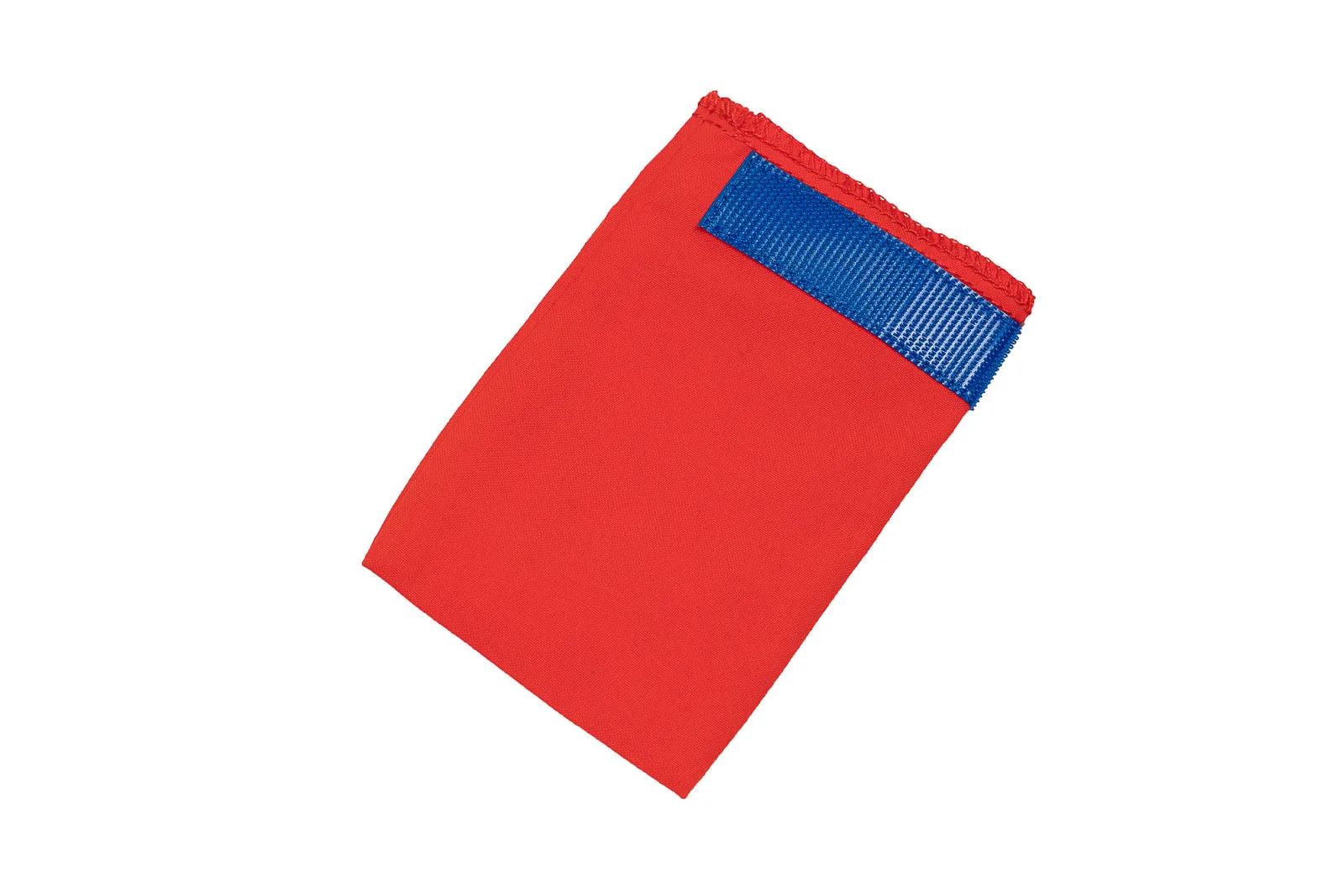
- Protector bootie: Durable dog booties that protect your dog's paws from rough surfaces, glass, salt, solvents, and hot asphalt. When hiking or running on rough terrain, these booties protect your dog's paws, allowing them to focus on the trail without discomfort.
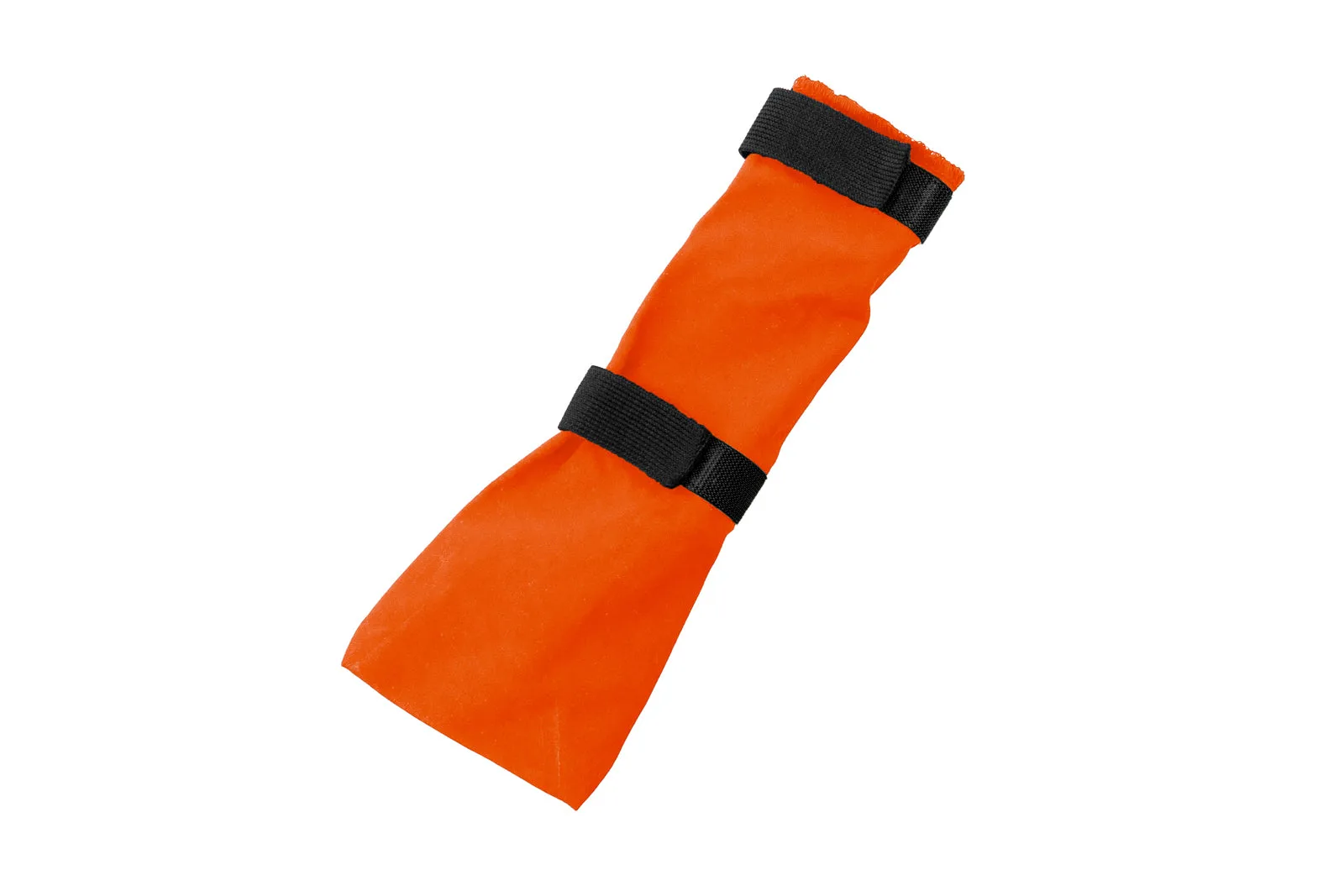
- Protector light socks high: Durable paw protectors of anti-cut material that also protects your dog’s leg. An ideal choice for hiking and training on rough surfaces. For extra protection during rugged hikes, these socks provide anti-cut coverage for paws and legs, reducing the risk of injury.