Grazing muzzles are a valuable tool for managing your horse's grass intake, especially for those prone to weight gain or conditions like laminitis. However, a poorly fitted muzzle can cause discomfort, chafing, or even injury. In this guide, we'll walk you through the steps to ensure a perfect fit, so your horse can graze safely and comfortably.
Whether you're a first-time user or looking to refine your technique, our step-by-step instructions cover everything from measuring and choosing the right size to adjusting straps and monitoring for signs of rubbing. With the right approach, you can make grazing muzzle use a positive experience for both you and your horse.
Why Correct Fit Matters
A grazing muzzle that is too tight can cause painful pressure points, while one that is too loose may slip or allow your horse to graze more than intended. Proper fit ensures the muzzle stays in place, allows normal breathing and chewing, and prevents chafing. It also ensures the muzzle effectively limits grass intake, helping you manage your horse's weight or health conditions.
Investing time in fitting a grazing muzzle correctly pays off in the long run. A well-fitted muzzle reduces the risk of injury and behavioral issues, as your horse is less likely to resist wearing it. Plus, it allows your horse to drink and socialize normally, which is crucial for their well-being.
- Check the muzzle regularly for signs of rubbing or pressure sores.
- Introduce the muzzle gradually, starting with short periods.
Step 1: Measure Your Horse's Head
Before choosing a grazing muzzle, you need accurate measurements. Use a soft tape measure to determine the circumference of your horse's nose just below the cheekbones, and the length from the corner of the mouth to the poll (the top of the head). These measurements will help you select the correct size according to the manufacturer's sizing chart.
Different brands may have slightly different sizing, so always refer to the specific product's guide. For example, the Munch Net offers an adjustable design that fits most horses, but measuring is still recommended for optimal comfort.
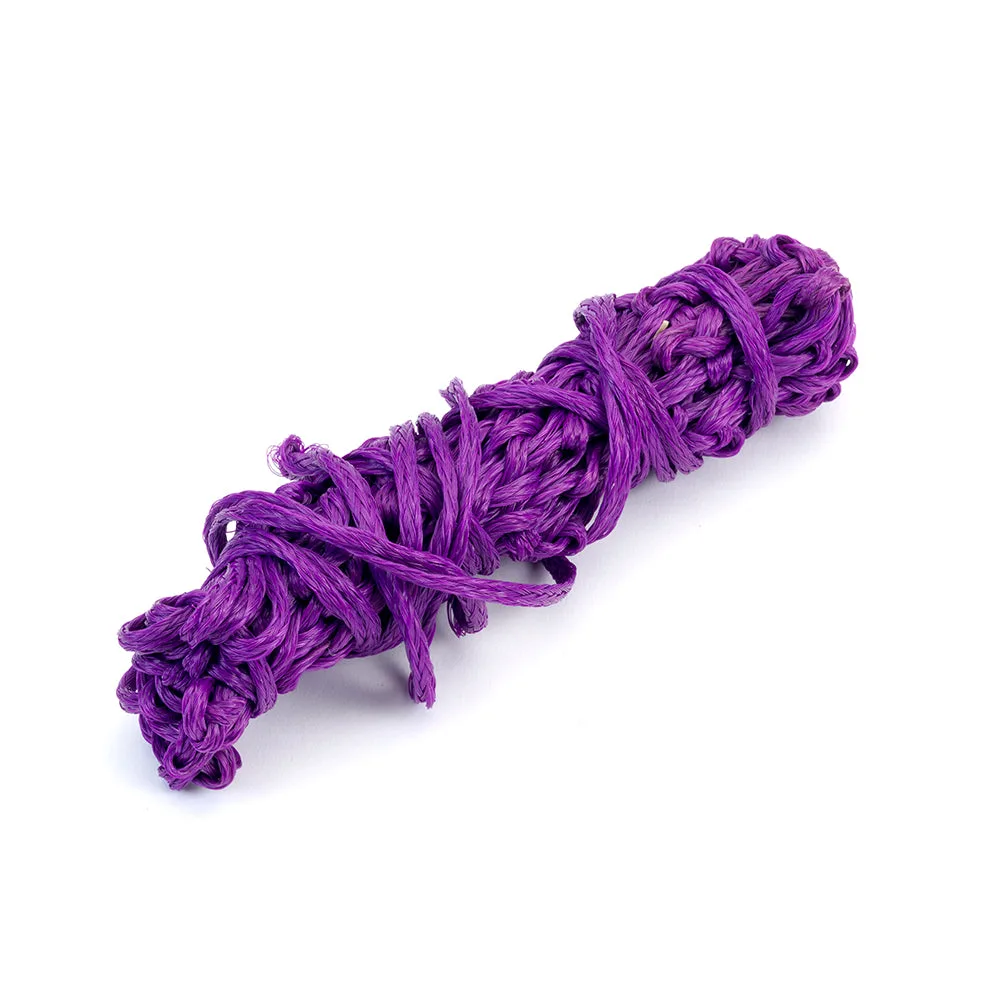
Munch Net
- Measure twice to ensure accuracy.
- If between sizes, choose the larger size for comfort.
Step 2: Choose the Right Muzzle Type
There are various grazing muzzles available, from traditional basket styles to soft, net-based designs. The Munch Net is a popular choice because it allows natural grazing behavior while limiting intake. It's also flexible and less likely to cause rubs. Another option is the Calmmunch, which combines grazing control with calming benefits for anxious horses.
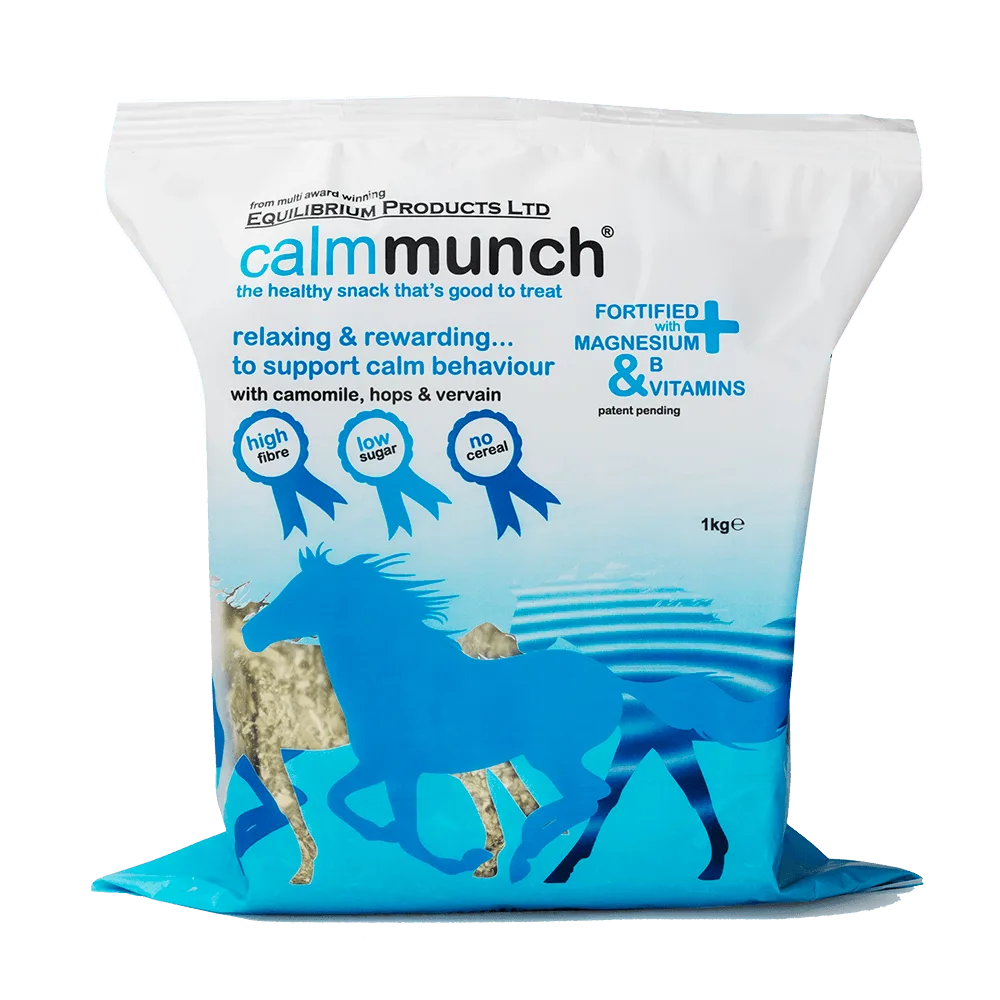
Calmmunch
Consider your horse's needs: if they are prone to rubbing, a soft net muzzle may be more comfortable. If they need strict intake control, a basket muzzle might be more effective. Always choose a muzzle that is well-ventilated and allows your horse to drink.
- Look for muzzles with a breakaway safety feature.
- Ensure the muzzle does not obstruct the eyes or nostrils.
Step 3: Adjust the Fit
Once you have the muzzle, put it on your horse and adjust the straps. The muzzle should sit snugly but not tightly, with enough room to insert two fingers between the strap and your horse's face. The nose area should have a little space for your horse to move its lips and chew comfortably.
Check that the muzzle is centered and does not rub against the eyes or chin. The poll strap should be secure but not tight enough to cause discomfort. If the muzzle has an adjustable nose piece, ensure it fits the contours of your horse's face.
- After adjusting, watch your horse move and graze to ensure the muzzle stays in place.
- Re-check the fit after a few minutes of wear, as straps may settle.
Step 4: Monitor and Maintain
Even with a perfect fit, you need to monitor your horse while wearing a grazing muzzle. Check for signs of rubbing, hair loss, or behavioral changes. Remove the muzzle for a few hours each day to allow the skin to breathe and to give your horse a break.
Clean the muzzle regularly to prevent bacteria buildup. For net muzzles like the Munch Net, rinsing after use is simple. Ensure the muzzle is dry before storing to prevent mold.
- Inspect the muzzle for damage before each use.
- Never leave a grazing muzzle on for more than 12 hours at a time.
Common Mistakes to Avoid
One common mistake is choosing a muzzle that is too large, which allows the horse to graze more than intended. Another is not introducing the muzzle gradually, leading to frustration. Always start with short sessions and increase the duration slowly.
Avoid using a grazing muzzle on a horse that is not used to wearing any headgear. Introduce it alongside other equipment, such as a headcollar, to help your horse acclimate. Also, never leave a muzzle on a horse that is turned out with others without supervision, as it can get caught on fences or other objects.
- Always use a breakaway headcollar or safety release when using a grazing muzzle.
- If your horse shows signs of distress, remove the muzzle and reassess the fit.
Product Recommendations
When it comes to choosing a grazing muzzle, quality and fit are paramount. The Munch Net is a top choice for its comfortable, durable design that fits most horses. It's easy to adjust and allows for natural grazing behavior while effectively limiting intake.
For horses that need a little extra calm, the Calmmunch combines grazing control with a calming influence, thanks to its unique design. Both products are designed with horse comfort in mind, ensuring a secure fit without compromising on safety.
- Both muzzles are washable and easy to maintain.
- They come with adjustable straps for a personalized fit.
Fitting a grazing muzzle correctly is essential for your horse's comfort and safety. By following these steps, you can ensure a secure, comfortable fit that effectively manages grass intake. Explore the Munch Net for a reliable and comfortable grazing muzzle option, and give your horse the care they deserve.