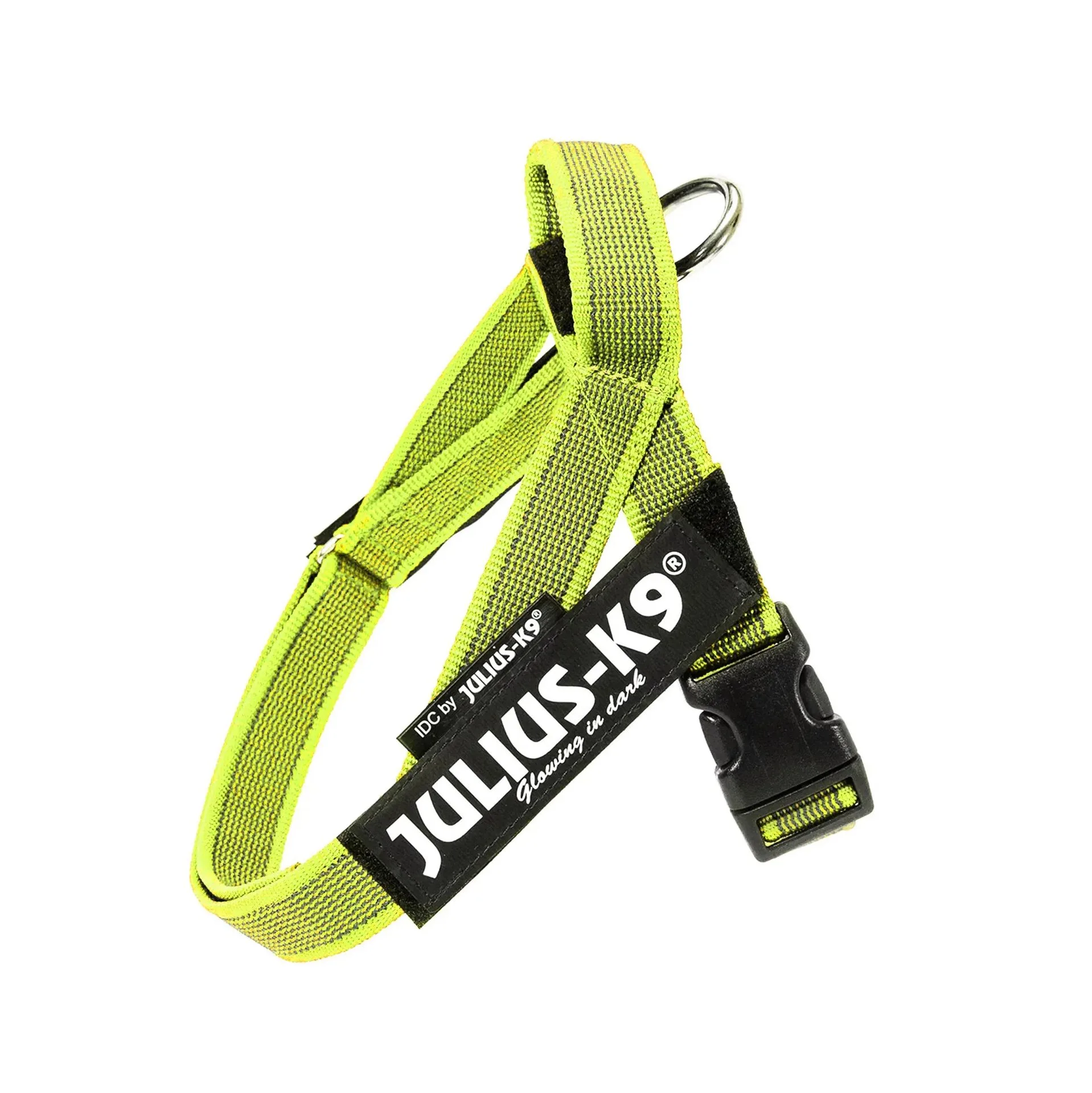
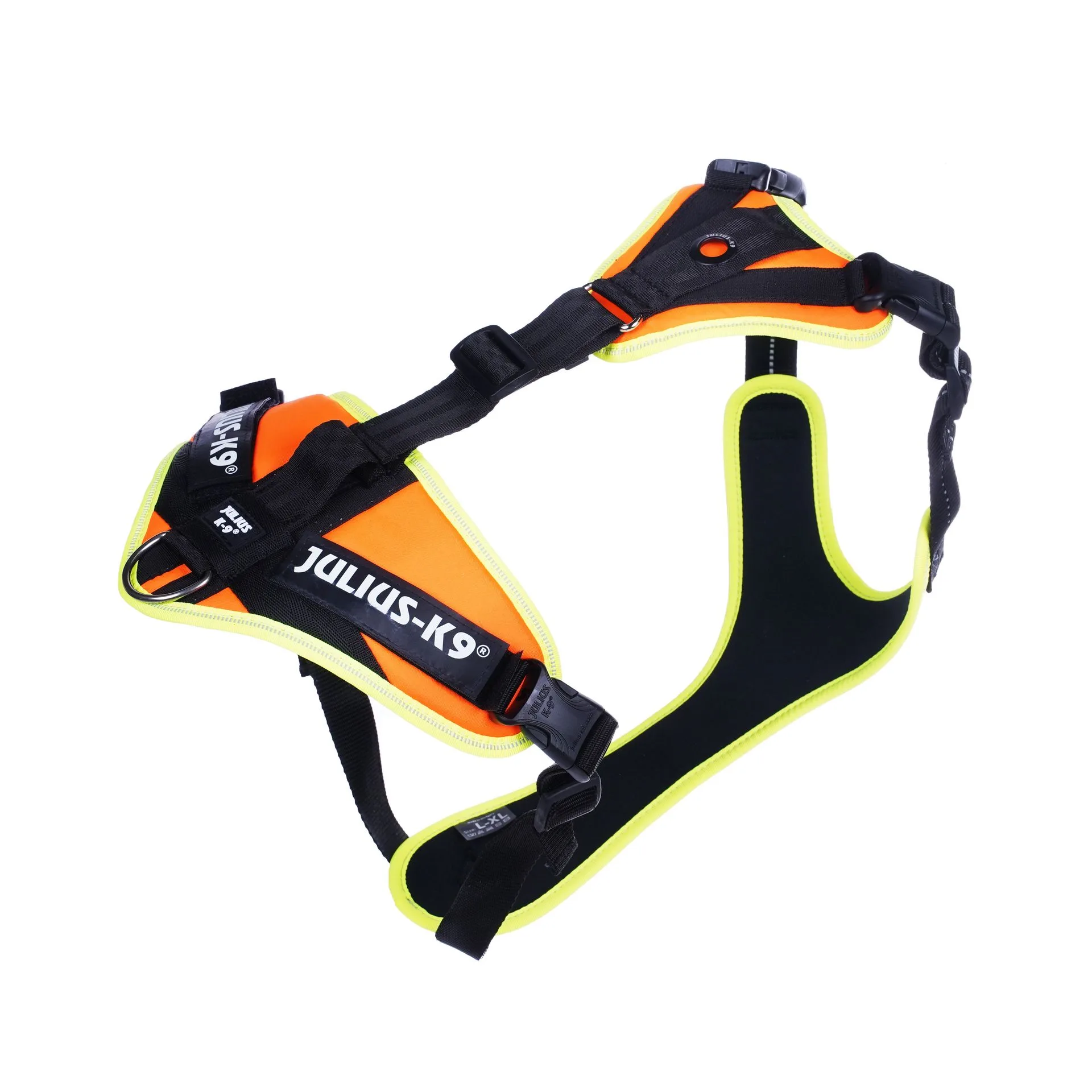
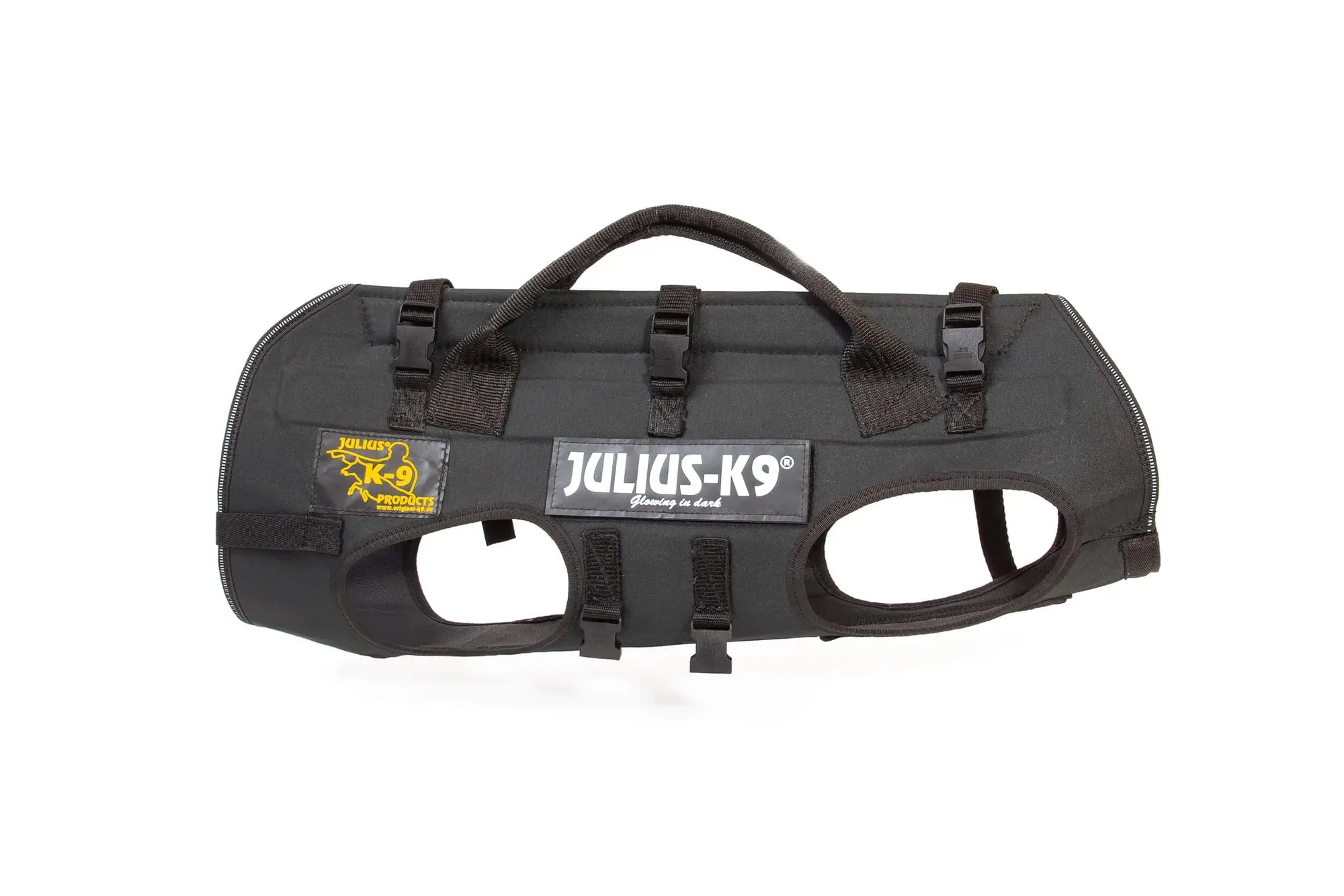
A properly fitted harness is the foundation of safe and comfortable walks. The Julius-K9 IDC Powerharness is a favorite among dog owners for its durability, ergonomic design, and versatility. However, to get the most out of this harness, it's crucial to fit it correctly. An ill-fitting harness can cause chafing, discomfort, or even allow your dog to slip out. In this comprehensive guide, we'll walk you through the steps to properly fit the IDC Powerharness, ensuring a secure and pleasant experience for both you and your furry friend.
Whether you're a new owner or have been using the harness for a while, this guide will cover everything from measuring your dog to adjusting the straps and checking the fit. We'll also share tips on maintenance and troubleshooting common issues. By the end, you'll be confident in putting on and adjusting the IDC Powerharness like a pro.
Why Proper Fit Matters
A well-fitted harness distributes pressure evenly across your dog's chest and shoulders, preventing strain on the neck and trachea. It also gives you better control during walks, especially for energetic or pulling dogs. Conversely, a loose harness can twist, chafe, or even fail, leading to dangerous situations. A snug fit ensures the harness stays in place without restricting your dog's natural movement.
The Julius-K9 IDC Powerharness is designed with adjustable straps and a sturdy handle, making it suitable for various activities from daily walks to working tasks. Taking the time to fit it properly will enhance your dog's comfort and the harness's effectiveness.
- Prevents chafing and skin irritation
- Ensures the harness doesn't slip or rotate
- Provides optimal control and safety
Measuring Your Dog for the IDC Powerharness
Before you start adjusting, you need to know your dog's measurements. The IDC Powerharness comes in sizes based on chest girth. Use a flexible measuring tape to measure the widest part of your dog's chest, just behind the front legs. Keep the tape snug but not tight. Note this measurement and compare it to the size chart provided by Julius-K9.
If your dog falls between sizes, it's usually better to go with the larger size for comfort, but ensure you can tighten it enough for a secure fit. The harness should not be too tight that you can't fit two fingers between the harness and your dog's body, nor too loose that it slides around.
- Measure chest girth at the widest point
- Refer to the size chart for guidance
- When in doubt, choose the larger size for adjustability
Step-by-Step Fitting Instructions
Start by loosening all the straps on the harness. Place the harness on your dog so that the front chest piece sits comfortably on the sternum, and the back piece rests behind the shoulders. The IDC Powerharness has two side straps and a belly strap. Fasten the side buckles first, then adjust the belly strap.
Tighten the straps gradually, ensuring the harness is snug but not restrictive. You should be able to slide two fingers flat under the straps. Check that the harness doesn't shift when you pull gently on the handle. The handle should be accessible and not sagging.
Once fitted, do a quick test: let your dog walk and run. The harness should stay in place without rubbing or causing discomfort. If you notice any issues, readjust the straps accordingly.
- Loosen all straps before putting on
- Fasten side buckles, then adjust belly strap
- Ensure two-finger snugness
- Test movement and readjust if needed
Adjusting the Harness for Different Activities
The IDC Powerharness is versatile, and you may need to adjust it for different activities. For everyday walks, a comfortable fit is key. For training or working, you might want it slightly snugger for better control. The harness also features a front D-ring for attaching a leash, which can help with pulling behavior.
If you're using the harness for activities like hiking or running, ensure it's secure and doesn't bounce. You can also pair it with accessories like the Julius-K9 Front Control Y-Belt with D-ring for additional control options.
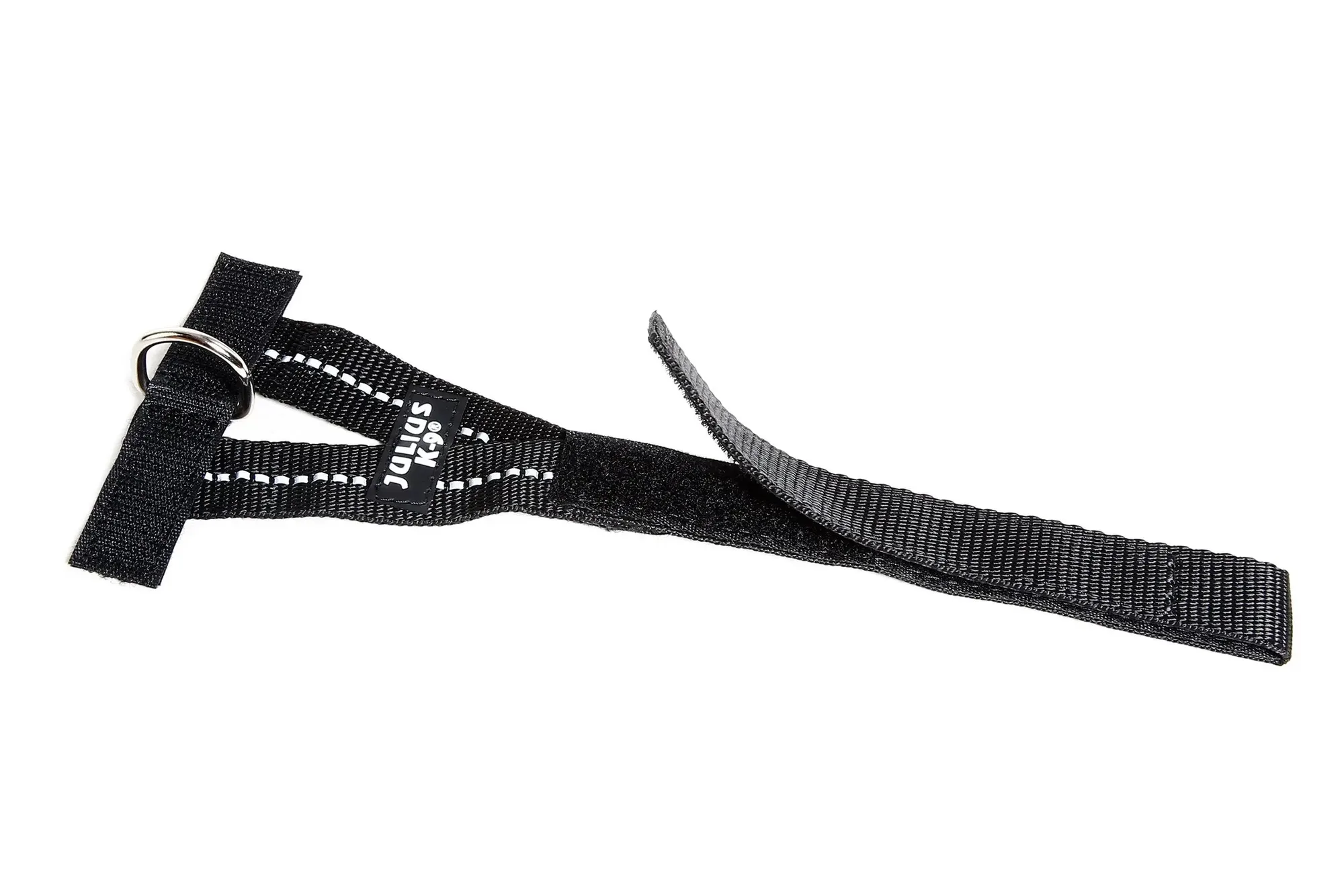
Julius-K9 Front Control Y-Belt with D-ring
- Adjust snugness based on activity level
- Use the front D-ring for training
- Pair with compatible accessories for enhanced control
Common Mistakes to Avoid
One common mistake is overtightening, which can cause discomfort and restrict breathing. Another is placing the harness too far forward or backward, leading to chafing. Also, ensure the buckles are properly engaged; a loose buckle can cause the harness to come undone. Regularly check the harness for wear and tear, especially the buckles and stitching.
If you notice any damage, consider replacing parts like the Harness Replacement Buckle to maintain safety. Proper maintenance extends the life of your harness and keeps your dog safe.
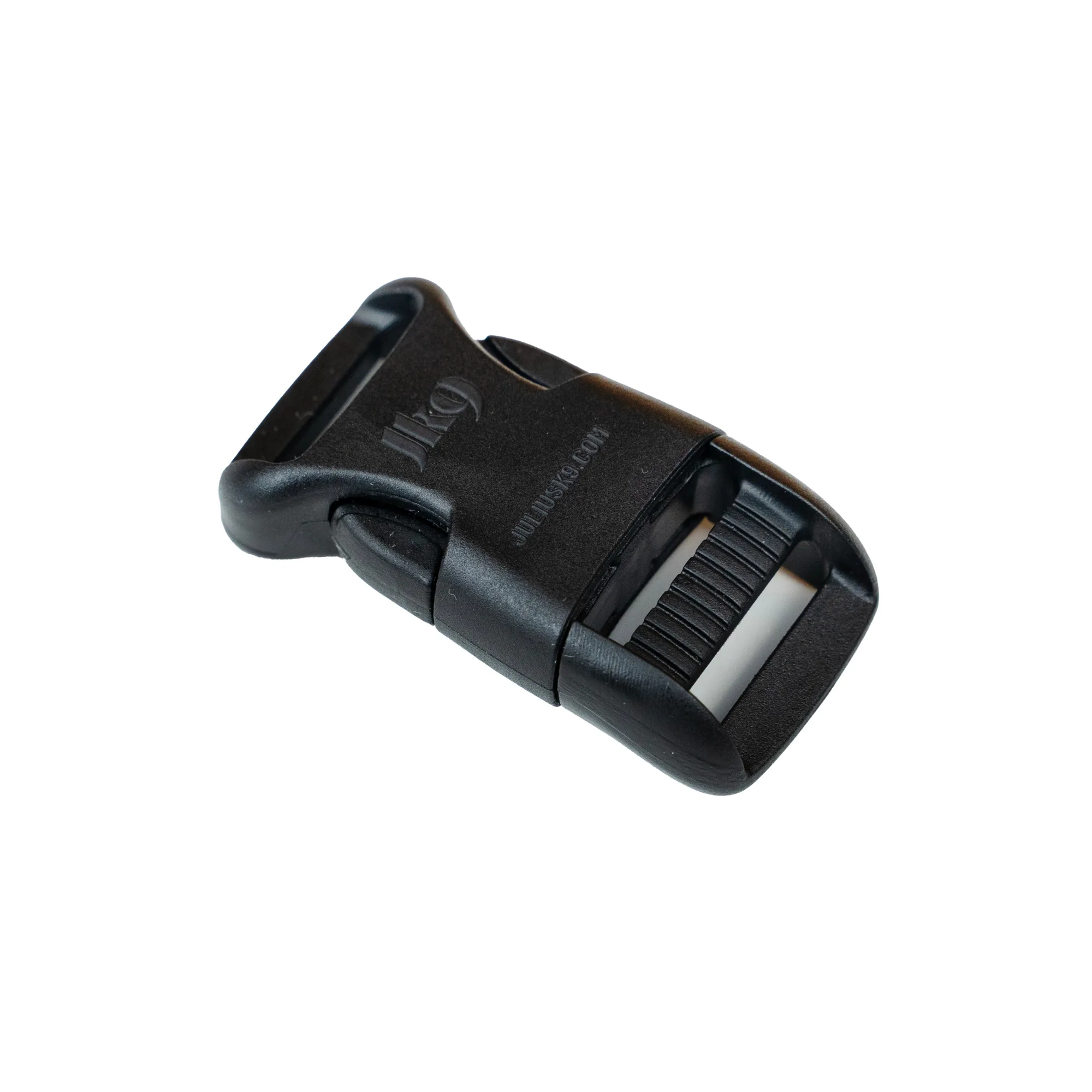
Harness Replacement Buckle
- Avoid overtightening
- Position the harness correctly
- Check buckles and stitching regularly
- Replace worn parts promptly
Frequently Asked Questions
How do I know if the harness is too tight? You should be able to fit two fingers between the harness and your dog. If you can't, it's too tight. If you can fit more than two fingers, it's too loose.
Can I leave the harness on all day? It's best to remove the harness when your dog is indoors or unsupervised to prevent irritation and allow the skin to breathe.
How do I clean the IDC Powerharness? Most Julius-K9 harnesses can be wiped clean with a damp cloth. Avoid machine washing unless specified.
Properly fitting your Julius-K9 IDC Powerharness is essential for your dog's comfort and safety. By following these steps, you'll ensure a secure and enjoyable experience for both of you. For more information and to explore our range of harnesses and accessories, check out the Julius-K9 IDC Powerharness today.