Quick Answer
To fit a soft structured carrier for a newborn, adjust the waistband high and snug, position the baby in a deep seated "M" shape, and tighten the straps evenly to keep the carrier close against your body.
Why Fit Matters for Newborns
A poor fit can leave your baby slumping, which restricts their airway and strains your back. Soft structured carriers need careful adjustment because they lack the molded support of bucket-style seats. Getting the fit right from the start makes carrying comfortable and safe for both of you.
Key Differences in Carrier Design
Not all soft structured carriers suit newborns equally. Some models, like the Grownsy Ergonomic Hip Seat Baby Carrier, include a padded hip seat and wide waistband that help distribute weight and reduce back strain. Others, such as the Breathable Baby Hip Carrier, use lightweight 3D knit fabric that prevents overheating, making them ideal for warm weather. Choose based on your climate and whether you prefer extra storage pockets or maximum airflow.
Step-by-Step Fitting Guide for a Soft Structured Carrier
- 1. Position the waistband high and snug: Fasten the waistband at your natural waist, just below your ribcage. It should be tight enough that the carrier does not sag when you lean forward. A low waistband tilts the baby away from your body and strains your lower back. If the waistband slips below your hips, tighten it one notch and test again.
- 2. Place your newborn in a deep seated position: Hold your baby against your chest with their legs forming an "M" shape — knees higher than their bottom. Slide the carrier panel up so it reaches the back of their neck, not higher. Their face should be visible and clear of fabric at all times. If the panel covers your baby's face, lower the waistband slightly or choose a carrier with an adjustable neck support.
- 3. Tighten the shoulder straps evenly: Pull both shoulder straps at the same time until the carrier is snug against your torso. The straps should lie flat across your shoulders, not dig in or twist. For newborns, the carrier should be tight enough that you can kiss the top of their head without bending your neck. Uneven tension tilts the baby to one side. Check in a mirror and adjust each strap separately if needed.
- 4. Perform the safety check: After tightening, slide two fingers between your baby's chin and chest — there should be at least one finger's width of space. Ensure their back is supported in a natural curve, not slumped. The carrier should not shift when you gently lean side to side. If your baby's chin drops toward their chest, re-adjust the seat depth and re-tighten the straps.
Carriers That Make Fitting Easier
-
Soft Structured Carrier Newborn Fit to 50 lb: The Grownsy Ergonomic Hip Seat Baby Carrier has a non-slip padded hip seat and wide waistband to reduce back strain. The padded seat helps keep your newborn in a natural seated position, which simplifies achieving the correct "M" shape on the first try.
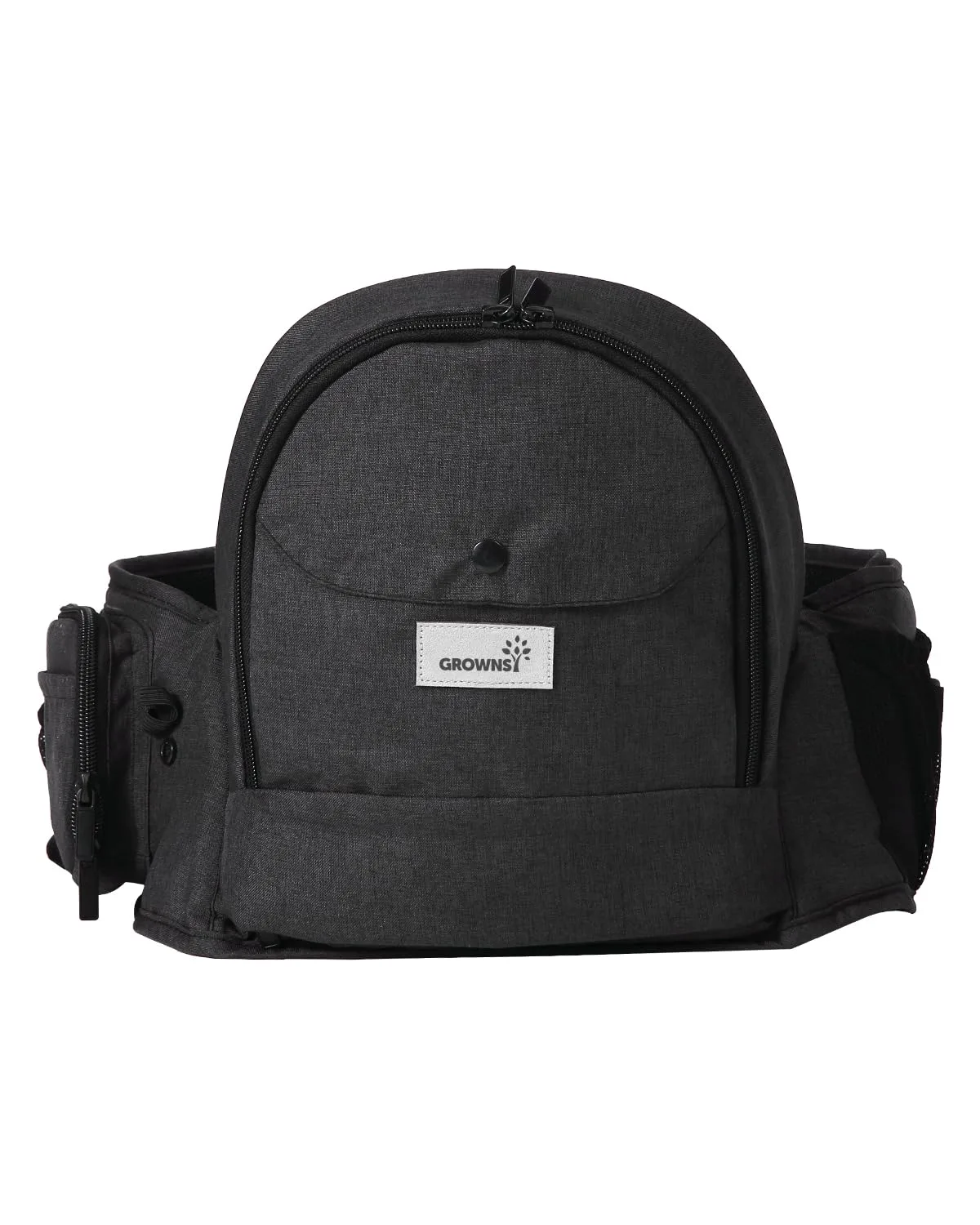
Soft Structured Carrier Newborn Fit to 50 lb
-
Breathable Baby Hip Carrier for 7–50 lb: The Breathable Baby Hip Carrier is made from 3D knit fabric that prevents overheating and excess sweating. If you live in a warm climate or plan to wear your baby indoors for long stretches, this fabric keeps them cool and comfortable while you dial in the fit.
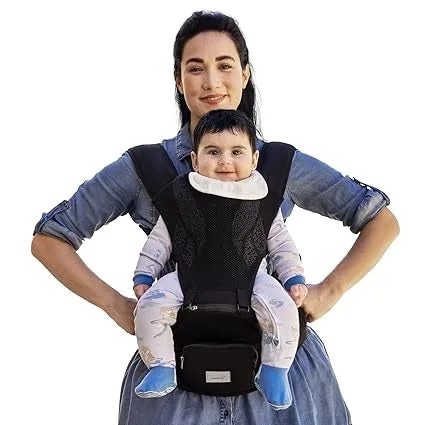
Breathable Baby Hip Carrier for 7–50 lb