Quick Answer
If your bra is too big, start with the band: use the tightest hooks, shorten the straps, or add a bra band extender if it's too tight. For cups that gape, consider a smaller cup size or a style with more coverage. If the bra is too small, try a band extender for extra room, adjust straps for lift, and check if the wires sit correctly. When alterations can't fix the fit, it's time for a new bra.
A bra that doesn't fit can ruin your day, causing discomfort, poor support, and visible lines. But before you toss it, know that many fit issues can be fixed with simple adjustments. This guide walks you through common problems, their causes, and practical solutions to help you get more wear out of your lingerie.
Whether your bra is too big or too small, understanding the anatomy of a bra—band, cups, straps, and wires—helps you target the problem. Sometimes the fix is as easy as changing how you fasten it; other times, you need a different size or style. Let's dive in.
Signs Your Bra Is Too Big
If your bra is too big, you'll likely notice gaps at the top of the cups, straps that keep slipping off your shoulders, and a band that rides up your back. The center gore (the part between the cups) may not lie flat against your sternum. These signs indicate that the band isn't providing enough support and the cups have extra space.
A too-big bra can cause back pain and poor posture because your breasts aren't properly supported. It can also make your clothes fit awkwardly, with fabric wrinkling under your tops. Recognizing these signs early helps you decide whether a quick fix or a new bra is needed.
- Check the band: It should be level and snug, not riding up.
- Look for cup gaps: Fabric that wrinkles or gaps means the cup is too large.
- Test the straps: If they dig in or slip off, the band may be too loose.
Signs Your Bra Is Too Small
A bra that's too small is equally uncomfortable. You might see spillage over the top or sides of the cups, the band digs into your skin, and the underwire presses against your breast tissue. The center gore may float instead of lying flat, and you may have red marks on your shoulders from straps that are too tight.
Wearing a bra that's too small can lead to chafing, skin irritation, and even long-term issues like poor circulation. It also affects how your clothes fit, creating bulges and unflattering lines. If you experience these signs, it's crucial to address the fit promptly.
- Check for spillage: If breast tissue escapes the cup, the cup is too small.
- Look at the band: If it leaves deep marks, it's too tight.
- Test the wires: They should encircle your breast, not sit on it.
Quick Fixes for a Bra That's Too Big
If your bra is too big, start with the band. Fasten it on the tightest hooks (the outermost set) to get a snugger fit. If the band still rides up, you can shorten it with a simple sewing alteration—take in the elastic at the back. But be cautious: altering the band can change the cup positioning, so it's best to try less permanent fixes first.
Adjust the straps to be shorter to lift the cups and reduce gaping. If the cups still gape, consider using a bra filler or padding to fill the extra space. For a temporary fix, you can also wear a bandeau or bralette over it to hold everything in place. However, if the cup is more than one size too big, these fixes won't create a natural shape, and it's better to invest in a correctly sized bra.
- Use the tightest hook setting for a snugger band.
- Shorten straps to lift and reduce cup gaping.
- Try a bra filler or padding to fill extra cup space.
Quick Fixes for a Bra That's Too Small
For a bra that's too small, a band extender is your best friend. It adds a few extra inches to the band, relieving tightness without altering the bra. You can buy extenders at most lingerie stores or online. If the cups are too small, you can't stretch them, but you can try adjusting the straps to allow more room—though this often doesn't solve spillage.
Another trick is to wear the bra with a camisole or a sheer overlay to disguise spillage, but that's only a cosmetic fix. If the underwire digs in, consider removing the wire (carefully) for a wire-free fit, but this changes the bra's support. For a long-term solution, look for bras with stretch lace or seamless cups that accommodate size fluctuations, or simply move to the next size up.
- Use a bra band extender for extra room in the band.
- Adjust straps to be looser to reduce pressure on shoulders.
- If wires dig in, consider a wire-free alternative or remove them carefully.
When to Replace Instead of Fix
Sometimes a bra is beyond repair. If the band has lost its elasticity, the wires are poking out, or the fabric is worn, no alteration will restore proper support. Similarly, if the size difference is more than two cup sizes or the band is several inches off, altering the bra will likely distort its shape and function.
Your bra is a foundational piece of clothing; wearing the wrong size can cause discomfort and affect your confidence. If you find yourself constantly adjusting, it's time to get a professional fitting. Remember, your size can change due to weight fluctuations, hormonal changes, or aging, so it's wise to get fitted every six months or whenever a bra feels off.
- Replace if the band is stretched out or the wires are broken.
- If the cup size is off by more than two sizes, a new bra is a better investment.
- Get a professional fitting if you're unsure about your current size.
Diagnosis: Is It a Quick Fix or a Replacement?
- Band rides up: Likely cause: band too big. Try tightest hooks or band alteration. If still loose, replace. If band is stretched out, replace.
- Cups gape: Likely cause: cup too big. Try adjusting straps or adding padding. If gape persists, go down a cup size. If more than one size too big, replace.
- Spillage or overflow: Likely cause: cup too small. Try a band extender for temporary relief. If spillage continues, go up a cup size. If underwire digs in, replace.
- Straps slip: Likely cause: band too loose or straps too long. Adjust straps or tighten band. If still slipping, consider a racerback style. If straps are worn out, replace.
- Underwire discomfort: Likely cause: cup too small or wire shape wrong. Try a different style or size. If wire pokes, remove or replace. If wires are broken, replace.
Products to Consider for a Better Fit
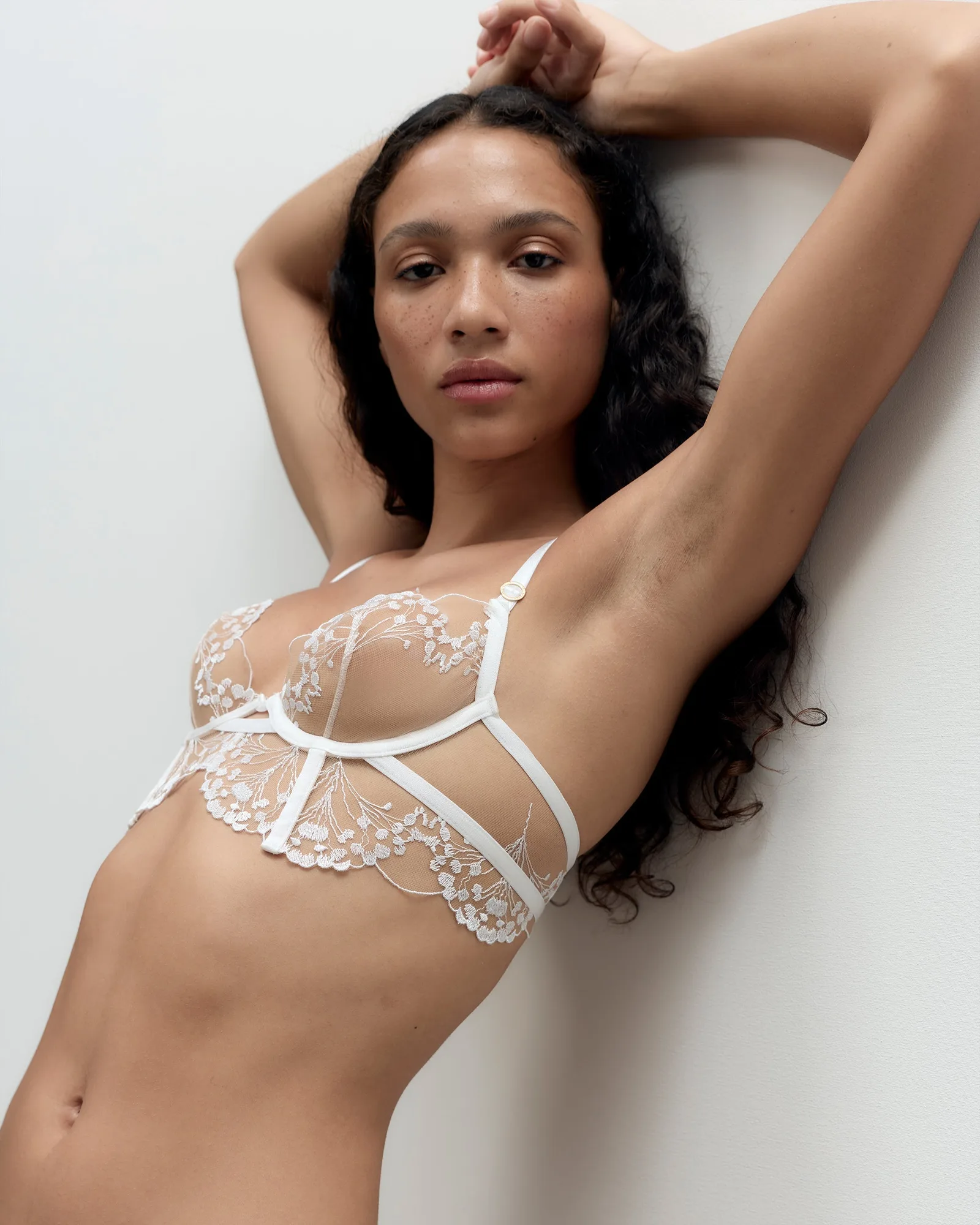
- Marisa Embroidered Sheer Bra White: Exquisite floral embroidery adorns the Marisa Embroidered Sheer Bra in white adding a touch of allure and intrigue. Every stitch is meticulously crafted, creating a mesmerising pattern that elevates the bra to a work of art. It's one of our most popular designs for a reason, whether it be as bridal lingerie, a special occasion or the everyday. If your current bra is too small, this sheer bra offers a beautiful alternative with a delicate fit that may complement your shape. However, ensure you select the correct size to avoid the same issues.
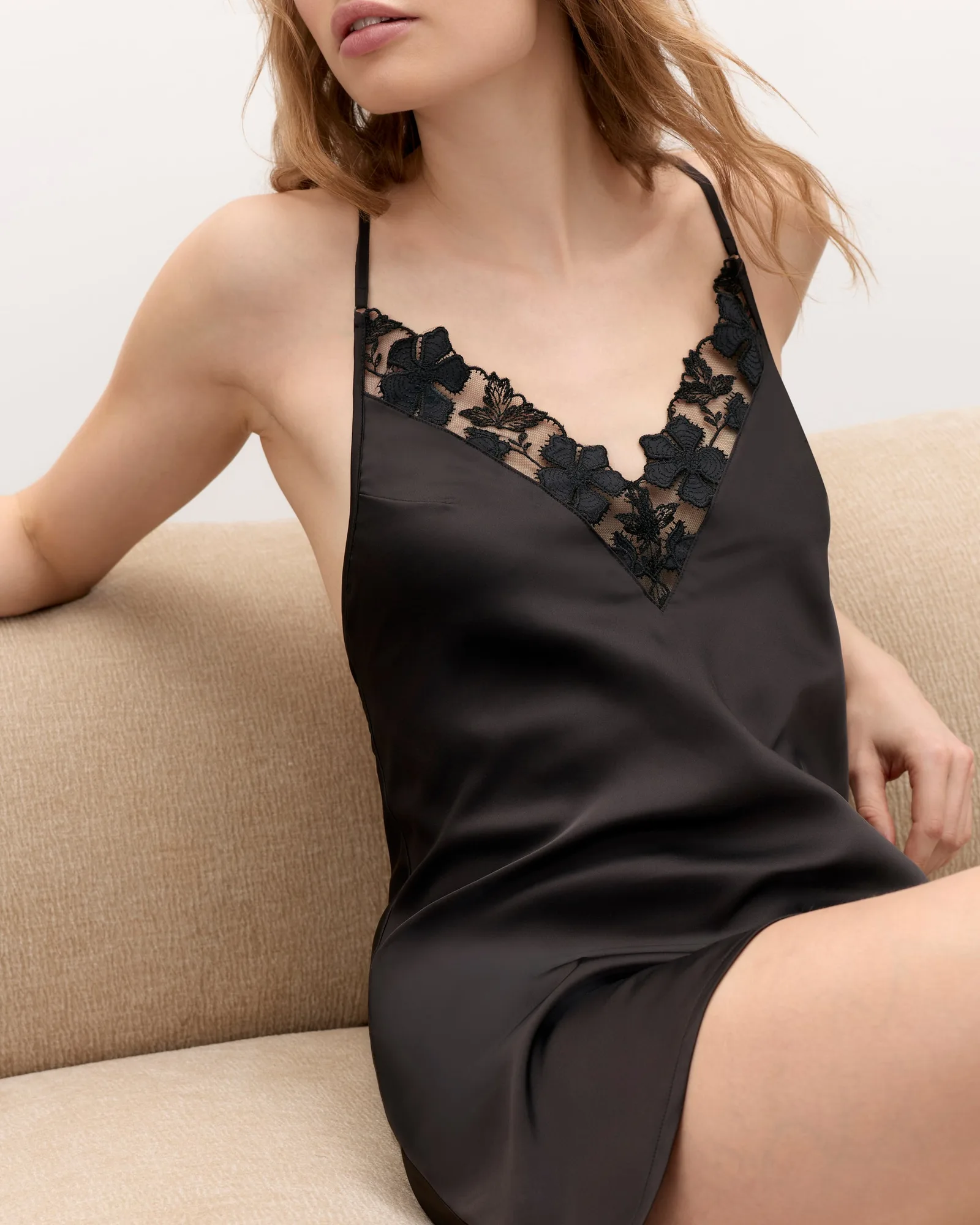
- Alara Luxury Satin Short Chemise Black: The Alara Luxury Satin Short Chemise in black combines fluid satin with intricate floral embroidery for an elevated nightwear silhouette. The deep V neckline is framed with embroidered mesh and laser-cut satin detailing, creating a striking focal point at the front. Crafted from smooth luxury satin, the chemise skims the body before falling into a soft, relaxed shape. If you're between sizes or prefer a more forgiving fit, a chemise like this can be a comfortable alternative to a structured bra, especially for lounging or sleep.
A well-fitting bra is essential for comfort and confidence. While many issues can be fixed with simple adjustments, know when to invest in a new bra. Listen to your body and don't settle for a bra that doesn't feel right. Your lingerie drawer should work for you, not against you.