Quick Answer
To fix a noisy bed frame, start by identifying the source of the squeak—often loose bolts, worn joints, or friction between parts. Tighten all fasteners, apply lubricant to moving points, and add felt or rubber padding where components meet. This resolves most squeaks without needing to replace the frame.
Diagnose the Squeak: Where Is the Noise Coming From?
Before you grab a wrench, pinpoint the exact location of the squeak. Have a partner apply pressure to different areas of the bed while you listen. Common culprits include the headboard-to-frame connections, the slats, and the joints where legs meet the frame.
If the noise seems to come from the floor, it might be the frame rubbing against the wall or the casters. Move the bed slightly to see if the sound changes. This quick test saves time and ensures you fix the right part.
Tighten Loose Fasteners and Joints
Loose bolts and screws are the number one cause of bed frame noise. Use an Allen wrench or screwdriver to tighten all visible fasteners, paying extra attention to the headboard and footboard brackets. Don’t overtighten, as this can strip the threads.
For wooden frames, check the dowels and tenon joints. If they feel loose, apply wood glue to the joint and clamp it until dry. This restores stability and eliminates movement that causes squeaks.
Lubricate Metal-on-Metal Contact Points
If your bed frame has metal parts that rub together, a dry lubricant like silicone spray or paraffin wax can work wonders. Apply a small amount to hinges, brackets, and any sliding mechanisms. Avoid oil-based lubricants, as they can attract dust and make a mess.
For wooden frames, rub a candle or bar soap on the joints where wood meets wood. This reduces friction without staining the finish.
Add Padding Between Components
Sometimes the squeak comes from two surfaces rubbing together. Place felt pads between the frame and the headboard, or between the slats and the frame. Rubber washers on bolts can also dampen vibrations.
If the bed sits on a hard floor, consider a rug to absorb vibration and reduce noise. A plush rug not only quiets the bed but also adds comfort underfoot.
Diagnosis: Symptom, Cause, Action, and When to Stop
- Symptom: Intermittent squeak when you move in bed, often worse when getting in or out. Listen carefully to locate the exact area.
- Likely Cause: Loose bolts, worn joints, or friction between wooden or metal components. Inspect all connections and contact points.
- Corrective Action: Tighten fasteners, apply lubricant to moving parts, and add padding between rubbing surfaces. Test the bed after each fix to confirm improvement.
- When to Stop or Seek Alternatives: If the frame is structurally damaged, such as cracked wood or bent metal, or if squeaks persist after multiple attempts, stop DIY repairs. Consider replacing the frame or consulting a professional.
Related Products to Improve Your Bedroom
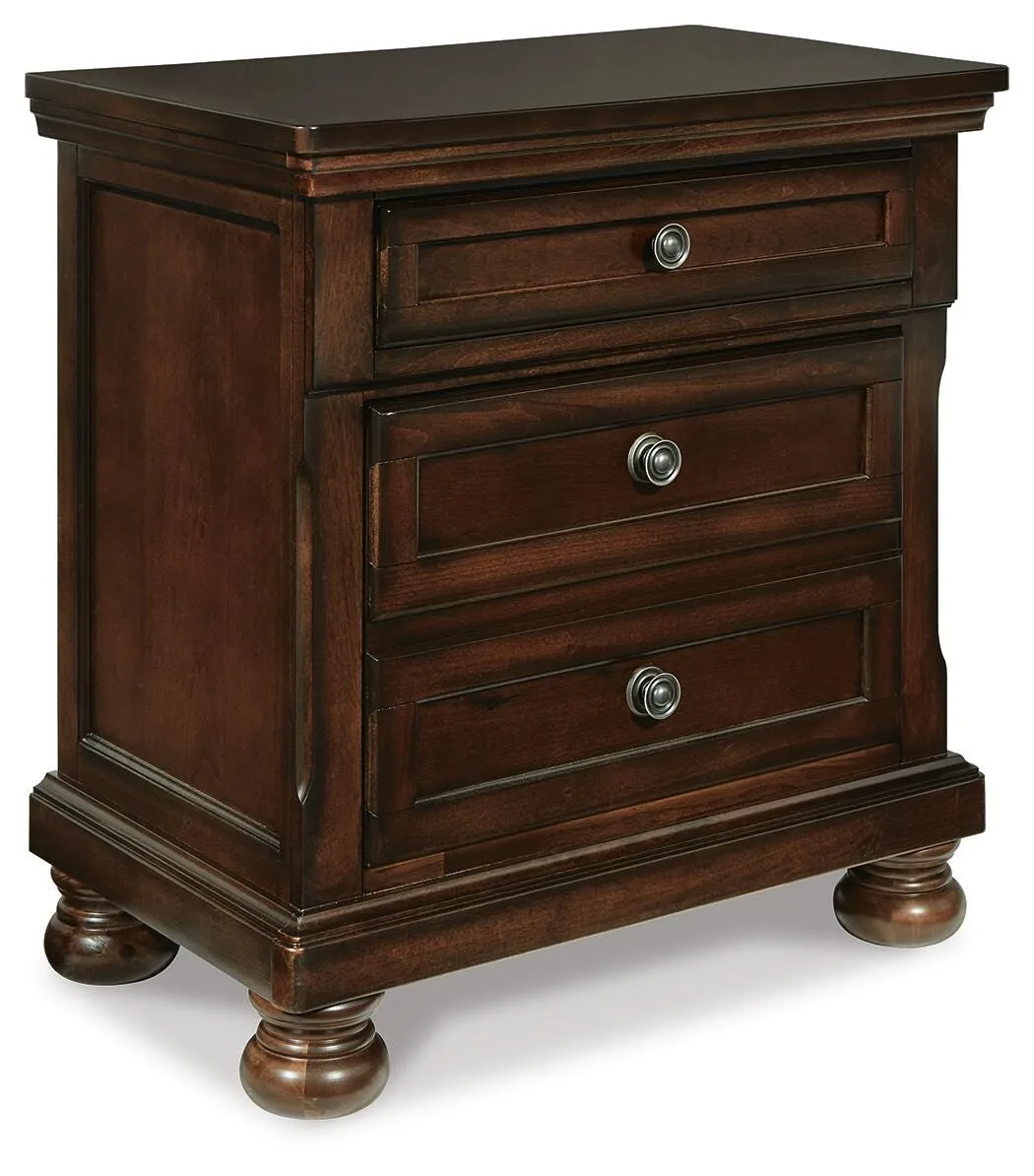
- Porter Nightstand: The Porter Nightstand features two drawers—one large, one small—and a hidden pull-out tray behind the bottom drawer for keeping valuables within easy reach. After fixing your bed frame, a sturdy nightstand with ample storage keeps your bedside essentials organized and within reach, enhancing your bedroom's functionality.
- Anburgh Large Rug: The Anburgh Large Rug boasts a deep shag pile and an abstract pattern that adds a modern touch to any room. Placing a plush rug under your bed not only dampens vibrations and reduces noise but also adds a cozy layer of comfort for your feet in the morning.