Quick answer
Most sagging backpack bottoms come from three causes: an overloaded main compartment pulling the base panel out of shape, a stretched or broken seam where the bottom meets the side panels, or a worn base fabric that has lost its stiffness. Empty the bag completely, turn it inside out, and inspect the base seams first. If the fabric is intact and only the seam has stretched, a simple hand stitch or a patch can restore the shape. If the base panel is torn or the fabric has delaminated, the backpack structure is compromised and repair is usually temporary at best.
A backpack bottom that sags changes how the bag carries. The load shifts lower, the shoulder straps dig in differently, and the base fabric starts rubbing against every surface you set it on. What begins as a soft bulge often becomes a tear at the seam or a hole in the base panel.
The good news is that most sagging backpack bottoms are fixable if you catch them early. The key is to identify whether the problem is a stretched seam, a worn base panel, or simply too much weight in the wrong place. This guide walks through each cause and the corrective action that actually holds.
Symptom: the bottom bulges or hangs lower than the rest of the bag
A sagging bottom usually shows up as a rounded bulge under the main compartment, or as a base panel that hangs below the side seams. You might notice it when the bag is empty and the bottom still droops, or only when you load it with books, groceries, or a laptop. The distinction matters because a sag that appears only under load points to a structural limit, while a sag that stays when empty points to stretched or damaged materials.
Check the base panel against a flat surface. If the bottom fabric is still taut but the whole bag leans forward or backward, the issue may be the back panel or shoulder straps rather than the base. If the base fabric itself dips below the seam line, the bottom panel or its attachment points are the problem.
- Empty the backpack completely before judging the sag.
- Lay the bag on a table and look at the base seam from the side.
- Compare the bottom panel to the side panels: is the fabric stretched, torn, or still flat?
Likely cause 1: the main compartment is overloaded
Backpacks are designed to carry a certain volume and weight, and the base panel takes the most stress. When you routinely fill the main compartment beyond its intended capacity, the bottom fabric stretches and the seam that joins the base to the sides starts to pull. This is the most common cause of a sagging backpack bottom, and it is also the easiest to correct.
Look at how you pack. Heavy items like laptops, water bottles, and textbooks should sit close to your back, not at the bottom of the bag. If the weight rests on the base panel, every step you take pushes that fabric downward. Redistributing the load so the heaviest items are centered against your back reduces the downward pull on the bottom seam.
- Keep heavy items in the middle of the main compartment, not at the very bottom.
- Use compression straps to reduce internal movement if your backpack has them.
- If the bag still sags when packed correctly, the base panel may already be stretched beyond recovery.
Likely cause 2: a stretched or broken seam at the base
The seam that connects the bottom panel to the side panels is the most stressed joint on a backpack. If the stitching has pulled loose, you will see gaps between the fabric edges or a line of thread that has separated from the material. A stretched seam often looks fine from the outside but feels soft or loose when you pinch it.
For a minor seam separation, a hand stitch with heavy-duty polyester thread can restore the connection. Work from the inside of the bag if you can reach the seam, and use a backstitch for strength. If the fabric itself has torn away from the seam, a patch applied over the area will hold better than stitching through damaged material. Clean the area first, then use a fabric patch or a piece of nylon repair tape that matches the base fabric.
- Inspect the base seam in good light, inside and out.
- Pinch the seam: if it feels flat and firm, the stitching is likely intact.
- For a small separation, backstitch with heavy thread; for a tear, patch over the damage.
Likely cause 3: the base fabric has worn thin or delaminated
Base panels take constant abrasion from being set on concrete, dragged across floors, and rubbed against walls. Over time, the fabric can thin out, and coated or laminated materials can delaminate, leaving a floppy, sagging bottom that no amount of stitching will fix. You will see fraying edges, a fuzzy surface, or a separation between the outer fabric and its backing.
This is the point where you should stop and consider whether repair is worth it. A patch can cover a small worn spot, but once the base panel has lost its structure across a wide area, the backpack will not carry weight the same way again. If the bag is still under warranty, check the brand's coverage before you attempt a repair that might void it.
- Look for fraying, thinning, or a bubbled surface on the base panel.
- A patch works for isolated wear; widespread delamination means the structure is gone.
- Check your warranty terms before repairing, since some repairs can affect coverage.
When to stop repairing and choose another option
Stop repairing when the base panel has torn across a seam, when the fabric around the tear is too weak to hold a patch, or when the same spot keeps failing after two repair attempts. A backpack that sags because the base structure is compromised will continue to shift weight unpredictably, which can be uncomfortable and may lead to a sudden failure when you are carrying something valuable.
If you are replacing the bag, look for a model with a reinforced base panel and a warranty that covers structural defects. A bag with a padded laptop sleeve and a secure back pocket also keeps heavy items closer to your back, which reduces stress on the bottom seam. If your current backpack still has a solid base but the sag comes from packing habits, a few changes to how you load it may be all you need.
- Replace the bag if the base fabric is torn across a seam or delaminating.
- Choose a replacement with a reinforced bottom and a clear warranty.
- If the base is intact, fix your packing routine before buying a new bag.
Diagnosis: match the symptom to the fix
- Sag appears only when the bag is loaded: The base panel is likely stretching under weight. Redistribute heavy items toward your back and use compression straps if available. If the sag disappears when you pack lighter, the bag is fine. If it remains, move to the next check.
- Sag remains when the bag is empty and the base seam looks loose: A stretched or broken seam is the cause. Reinforce with a backstitch using heavy-duty thread, or patch over the area if the fabric is torn. After repair, load the bag gradually and watch the seam. If it pulls apart again, the fabric around it is too weak.
- Base fabric is frayed, thin, or delaminating: The structural integrity of the base panel is compromised. A patch may cover a small area, but widespread damage means the bag cannot carry weight reliably. Stop repairing and replace the backpack. Check the warranty first, since some coverage may still apply.
Backpacks built with structure in mind
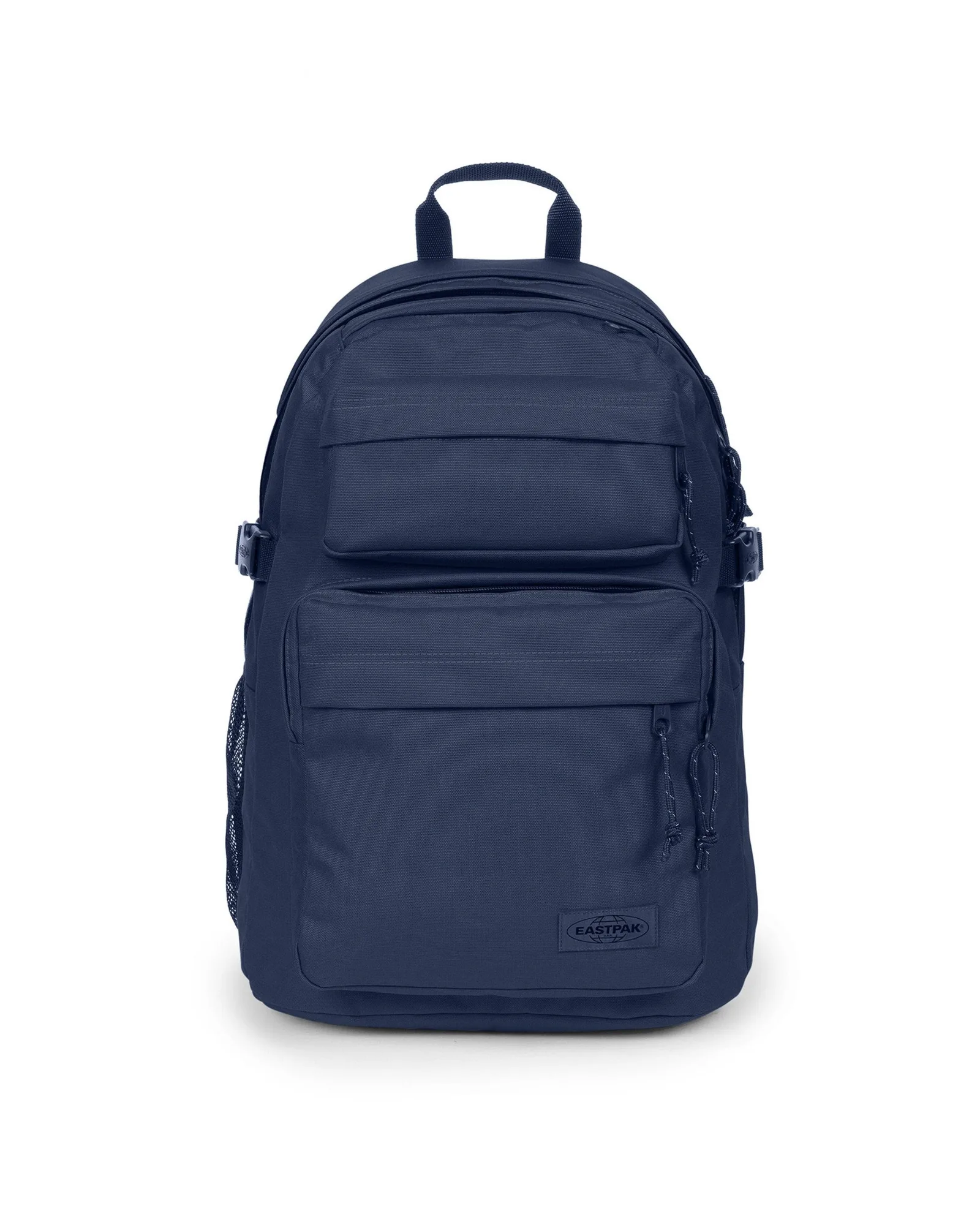
- DOUBLE PRO NIGHTTIME NAVY: Two main compartments with two zip-fastening front pockets and a back pocket, plus a padded back panel and adjustable shoulder straps. Multiple compartments let you distribute weight more evenly, which reduces the downward pull on the base panel that causes sagging.
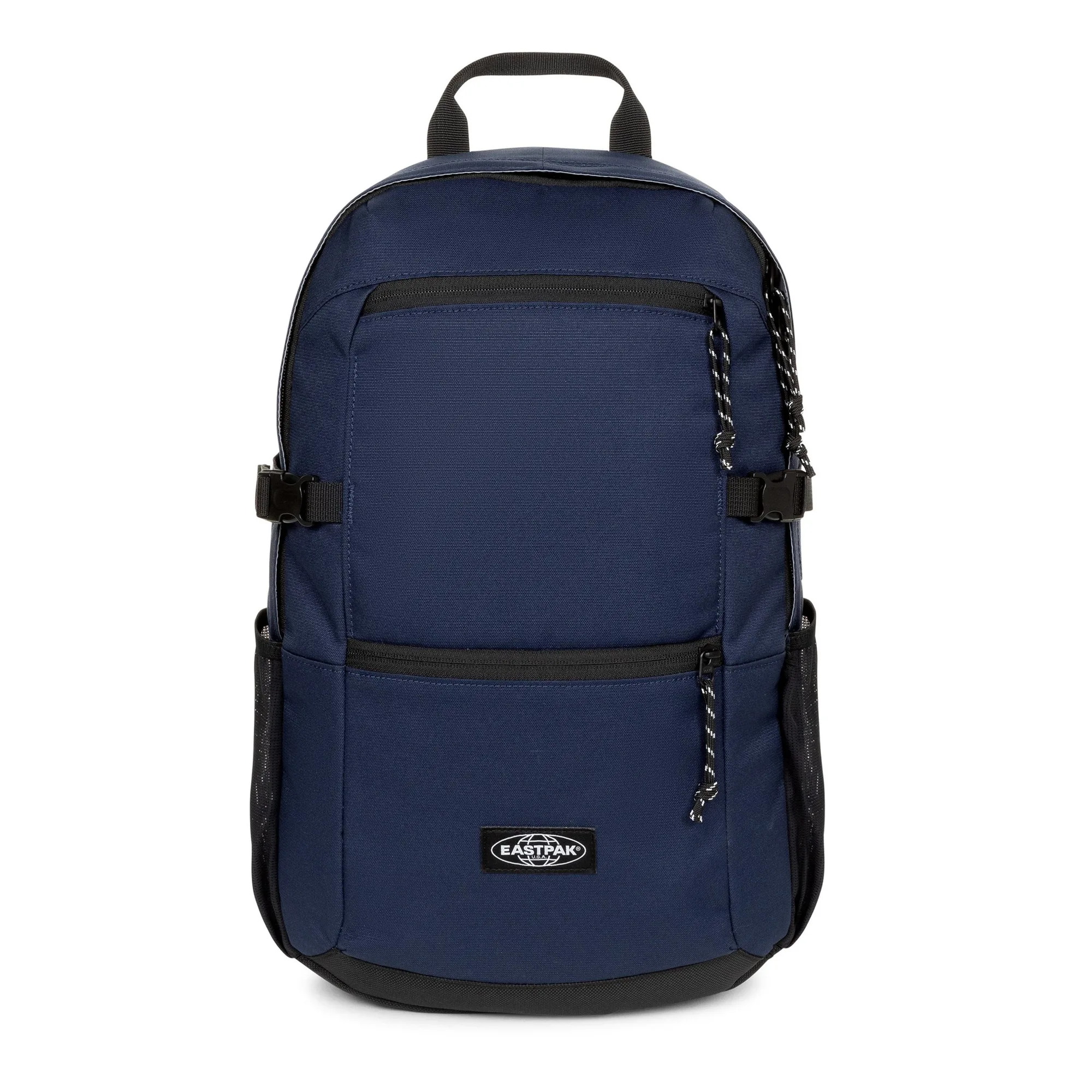
- FLOID PRO CS NAVY PRO: Features a padded laptop sleeve for devices up to 16 inches and water-repellent fabric. A dedicated laptop sleeve keeps the heaviest item centered against your back instead of resting on the bottom panel, which helps prevent bottom sag.
- DAY PAK'R BLACK: Internal laptop sleeve fits devices up to 14 inches, with dual side pockets and a padded back. The internal sleeve positions weight higher and closer to your spine, reducing strain on the base seam during daily use.
A sagging backpack bottom is usually a packing problem or a seam problem, and both are fixable if you catch them early. Empty the bag, inspect the base seam, and adjust how you carry heavy items. If the fabric itself is worn through, replace the bag with one that has a reinforced base and a warranty you can rely on.