Quick answer
Most stretched hoodies can be improved at home with heat and moisture. Wash in warm water, tumble dry low, and stretch the damp fabric back into shape. For cuffs and hems, dip just those areas in hot water, then press and air dry. If the fabric is thin, pilled, or torn, stop—those are signs it's time to replace the hoodie instead.
A stretched hoodie is rarely a lost cause, but the fix depends on why it stretched. Maybe the cuffs are loose, the body hangs longer than it used to, or the whole thing feels baggy after too many wears. The good news: cotton and cotton-blend hoodies respond well to heat and moisture, which can help them bounce back.
This guide walks you through the diagnosis first—because the right fix for stretched cuffs is different from the right fix for an overall stretched body. You'll also learn when to stop, so you don't shrink a hoodie you actually liked the fit of.
Diagnose the stretch before you treat it
Start by figuring out what stretched and how. Is it the cuffs, the hem, the hood, or the whole body? Cuffs and hems often stretch from repeated pulling—like tugging sleeves over your hands or yanking the hoodie off by the bottom. An overall stretched body usually comes from hanging the hoodie on a hanger, which lets gravity pull the fabric down over time. If the fabric feels thin and limp, the fibers may be worn out, not just stretched.
Check the care label for fiber content. Cotton and cotton blends can usually be reshaped with heat and water. If your hoodie is mostly synthetic and feels slick, heat may not help and could even damage it. Also look for pilling, holes, or frayed seams—those are structural problems, not stretching, and they won't fix themselves.
- Lay the hoodie flat and compare sleeve lengths and body width to a hoodie that still fits well.
- Pull gently on the cuff—if it springs back, the elastic is still working; if it stays stretched, the elastic is tired.
- Note whether the stretch is uniform or only in high-pull areas like cuffs and hem.
The heat-and-moisture method for overall stretch
For a hoodie that's stretched all over, heat and moisture can help the fibers contract. Wash it in warm water on a gentle cycle with a mild detergent. Avoid hot water if the hoodie is dark or has a print—warm is usually enough. As soon as the wash ends, shake it out and lay it flat on a clean towel. Gently press the fabric back into shape with your hands, narrowing the body and shortening the sleeves if needed.
Then tumble dry on low heat for 10–15 minutes, checking every few minutes. The heat helps the cotton fibers tighten up. If it's still too big, you can repeat the warm wash and low dry once more. Don't crank the heat to high—that's how you end up with a hoodie that fits a doll instead of you.
- Always check the hoodie every few minutes in the dryer to avoid over-shrinking.
- If you're nervous about the dryer, air dry until damp, then finish with 5 minutes on low.
- Never wring or twist the hoodie—it distorts the shape you're trying to restore.
How to fix stretched cuffs
Cuffs are the most common stretch point because they get pulled on and off constantly. For mild stretching, soak just the cuffs in hot tap water for 5–10 minutes. The heat helps the elastic and cotton blend contract. Then squeeze out excess water, reshape the cuff with your fingers, and let it air dry. You can also use a hair dryer on low heat, holding it a few inches away and moving it constantly until the cuff tightens.
If the cuff elastic is completely shot—meaning it stays stretched even after heat—you have two options: replace the elastic (a sewing job) or accept the fit. For a relaxed hoodie, slightly loose cuffs aren't a dealbreaker. But if the cuffs are so stretched they hang past your hands, replacement or a new hoodie is the practical move.
- Don't apply direct high heat to cuffs for more than a few seconds at a time—elastic can melt or become brittle.
- After washing, reshape cuffs while damp and lay flat to dry; hanging them wet will stretch them again.
- If the cuff has a seam you can open, a tailor can replace the elastic for a reasonable cost.
When to stop and choose a different option
Stop trying to fix a stretched hoodie if the fabric is visibly thin, has holes, or feels crunchy. Those are signs the fibers are worn out, and heat will only make them weaker. Also stop if the hoodie has a printed design you love—repeated hot washing will fade or crack the print, and no amount of reshaping is worth ruining the graphic.
If you've tried the heat-and-moisture method twice and the hoodie still sags, it's probably time to replace it. A well-made hoodie like the "in the spirit hoodie" is designed with side seams and ribbed cuffs and bottom band, which help it hold its shape through normal wear. When your old one is beyond saving, choosing a hoodie with those structural details can mean fewer stretching problems down the road.
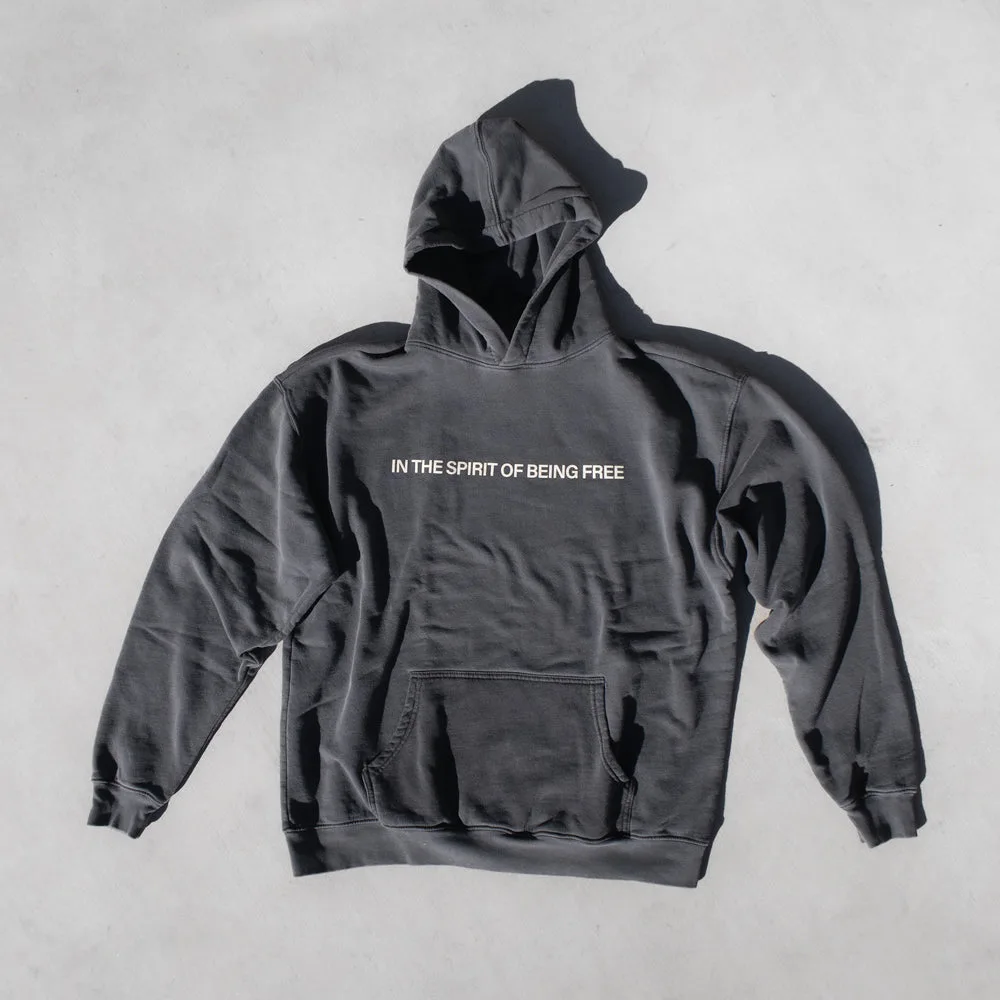
in the spirit hoodie
- Don't use boiling water or a hot iron directly on the fabric—it can scorch or melt synthetic blends.
- If the hoodie is sentimental, consider professional alterations instead of DIY heat treatments.
- For minor stretch, sometimes simply air drying flat instead of hanging is enough to prevent it from getting worse.
Diagnosis: match the symptom to the fix
- Symptom: Cuffs and hem are loose and won't spring back: Likely cause: Elastic fatigue from repeated pulling. Corrective action: Soak just the cuffs in hot tap water for 5–10 minutes, reshape, and air dry. If that fails, replace the elastic or the hoodie. If the cuff stays stretched after two attempts, stop—replacement is the better fix.
- Symptom: Whole hoodie hangs longer and wider than before: Likely cause: Gravity from hanging on a hanger, or heavy wear. Corrective action: Wash warm, tumble dry low for 10–15 minutes, checking often. Repeat once if needed. Never hang a wet hoodie—lay it flat to dry to avoid re-stretching.
- Symptom: Fabric feels thin, pilled, or has small holes: Likely cause: Fiber breakdown, not simple stretching. Corrective action: Stop heat treatments—they'll weaken the fabric further. Consider professional repair or replacement. Structural damage means it's time to shop for a new hoodie with durable construction.
Product facts that matter for hoodie care
- in the spirit hoodie: 80% cotton / 20% combed cotton, 3-fleece high-stitch fabric, midweight, with side seaming and ribbed cuffs and bottom band. The high cotton content means it responds well to heat-and-moisture reshaping. Side seams and ribbed trims help the hoodie keep its shape, so you're less likely to need aggressive fixes.
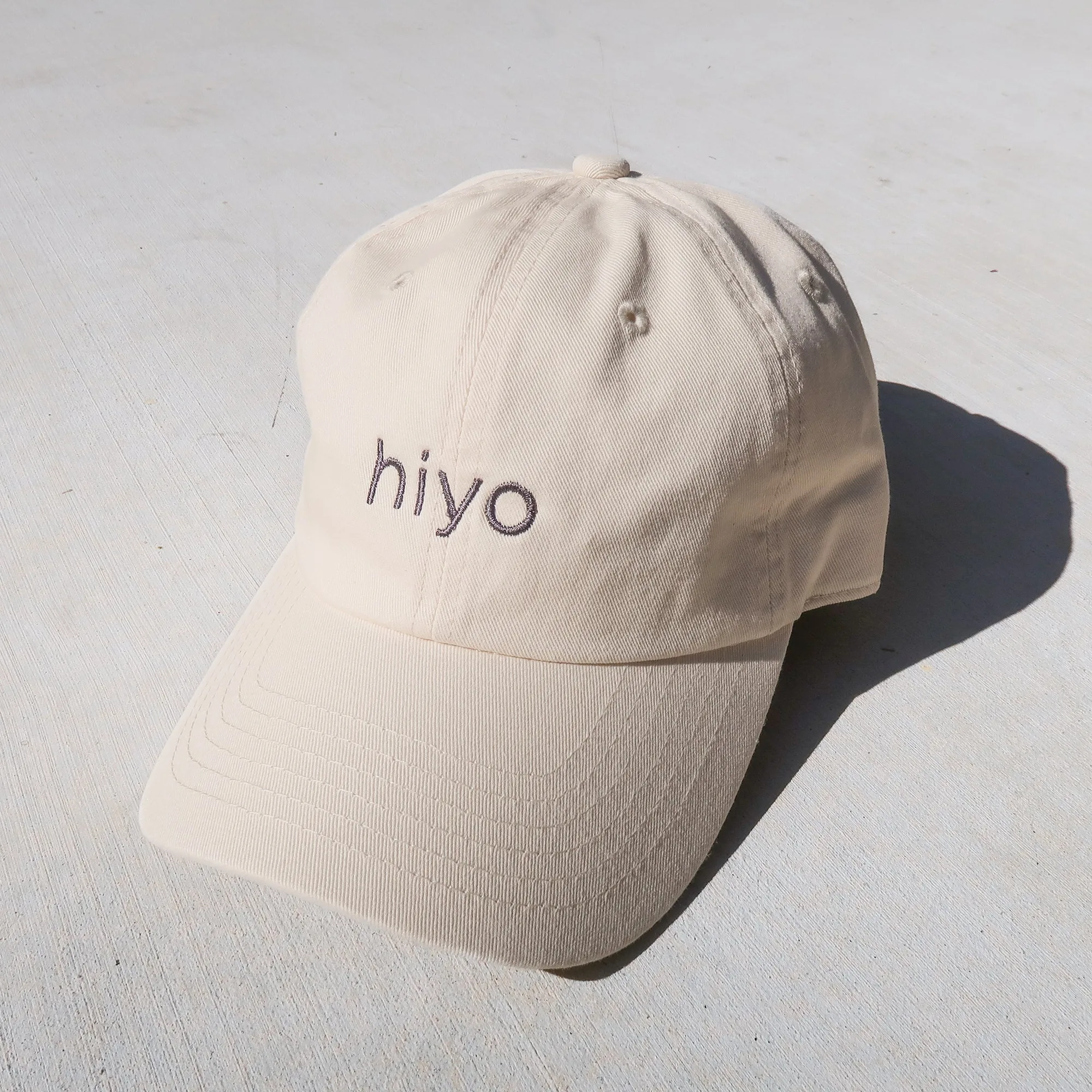
- hiyo dad hat: 100% cotton, unstructured with a soft crown lining, adjustable sliding clasp. If you're also caring for hats, cotton caps like this can be gently reshaped while damp—but avoid heat on the metal buckle.
Fixing a stretched hoodie comes down to diagnosis: heat and moisture for overall stretch, targeted hot-water soaks for cuffs, and knowing when to stop. If your hoodie is worn thin or torn, no trick will bring it back—and that's your cue to replace it with one built to hold its shape.