Quick Answer
Sweating on a candle tin is usually condensation from temperature changes, not a defect. Move the candle to a stable, cool, dry spot, let it acclimate, and wipe off excess moisture. If wetness persists or appears inside the wax, stop and consider a different candle.
You unbox a new candle, and the tin feels damp or shows water droplets. Before you worry, know that this is a common issue with candles in metal containers, especially after shipping or storage in fluctuating temperatures.
Sweating is typically harmless condensation, but it can also signal a problem with the candle itself. This guide helps you tell the difference and take the right steps.
Symptom: What Does a Sweating Candle Look Like?
A sweating candle shows visible moisture on the outside of the tin, often as small droplets or a light film. You might also notice dampness around the wick or on the wax surface itself.
In most cases, the moisture is on the container, not inside the wax. If the wax looks oily or has wet spots that don't evaporate, that's a different issue.
- Check if the moisture is on the outside of the tin or inside the wax.
- Look for a pattern: droplets on the metal but not the wax often mean condensation.
Likely Cause: Condensation from Temperature Changes
Candles in tins are prone to condensation because metal conducts heat well. When a cold candle meets warm, humid air, water vapor condenses on the surface. This often happens after shipping in a cold truck or moving from an air-conditioned room to a humid one.
Another cause is rapid temperature swings during storage. If the candle was kept in a warm warehouse and then cooled quickly, moisture can form. This is not a defect in the candle itself.
- Store candles in a stable environment between 60-75°F (15-24°C).
- Avoid placing candles near windows, vents, or appliances that cause temperature fluctuations.
Corrective Action: How to Fix a Sweating Candle
First, move the candle to a dry, room-temperature area away from direct sunlight and humidity. Let it sit for 24-48 hours to acclimate. Wipe off any external moisture with a soft, dry cloth.
If the wax surface has light condensation, you can gently blot it with a paper towel. Do not light the candle until it's completely dry. Once dry, the candle should burn normally.
- Allow the candle to reach room temperature gradually—never use a hairdryer or heater to speed up the process.
- If condensation recurs, check the storage area's humidity. A dehumidifier can help in damp climates.
When to Stop and Choose Another Option
If the candle continues to sweat even after proper acclimation, or if you notice cracks, separation, or an off smell, the candle may have been damaged by extreme conditions. In that case, stop using it and consider a replacement.
Also, if the wax itself appears oily or has large wet spots that don't dry, it could indicate a formulation issue. Some natural waxes, like soy, can develop a slightly oily surface in heat, but it should not be wet.
When in doubt, trust your senses. A candle that smells rancid or looks discolored should be discarded.
- Check the candle's burn time and wick condition after drying—if the wick is damp, let it dry fully before lighting.
- If you're concerned about quality, contact the brand or retailer for advice.
Diagnosis Guide: Is Your Candle Okay?
- Symptom: Visible moisture on the outside of the tin or on the wax surface. Check if it's external condensation or internal wax issue.
- Likely Cause: Temperature changes during shipping or storage cause condensation on metal tins. If the wax looks normal, it's likely harmless.
- Corrective Action: Let the candle acclimate at room temperature for 24-48 hours, wipe off moisture, and avoid lighting until dry. Once dry, the candle should burn fine.
- Stop or Choose Another Option: If sweating persists, wax looks oily or cracked, or there's an off smell, discontinue use. Consider a replacement or a different candle type, like a glass-cloche candle.
Candles That Handle Humidity Well
- https://kalastylesi.shop/products/swedish-dream-sea-aster-candle-211758Swedish Dream Sea Aster Candle: Locally hand poured in the Ocean State, RI, this incredible candle features a GMO-free soy wax base and sturdy cotton wick, for an extra clean and beautiful burn. Enjoy 80 hours of our signature Sea Aster scent: earthy seagrass & warm, sun-drenched driftwood. A sturdy cotton wick and clean-burning soy wax mean fewer issues with moisture and a more consistent burn, even if the tin experiences minor condensation.
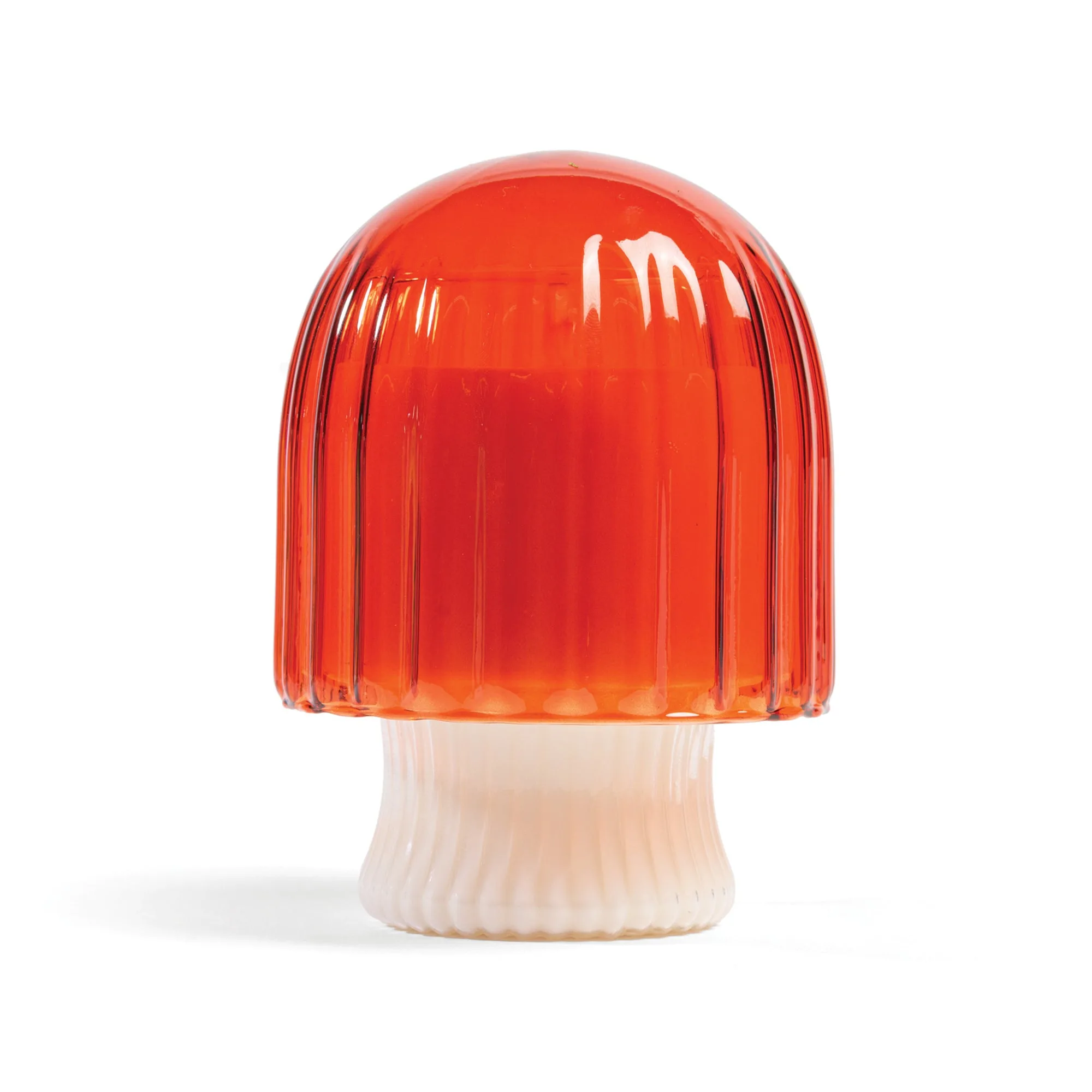
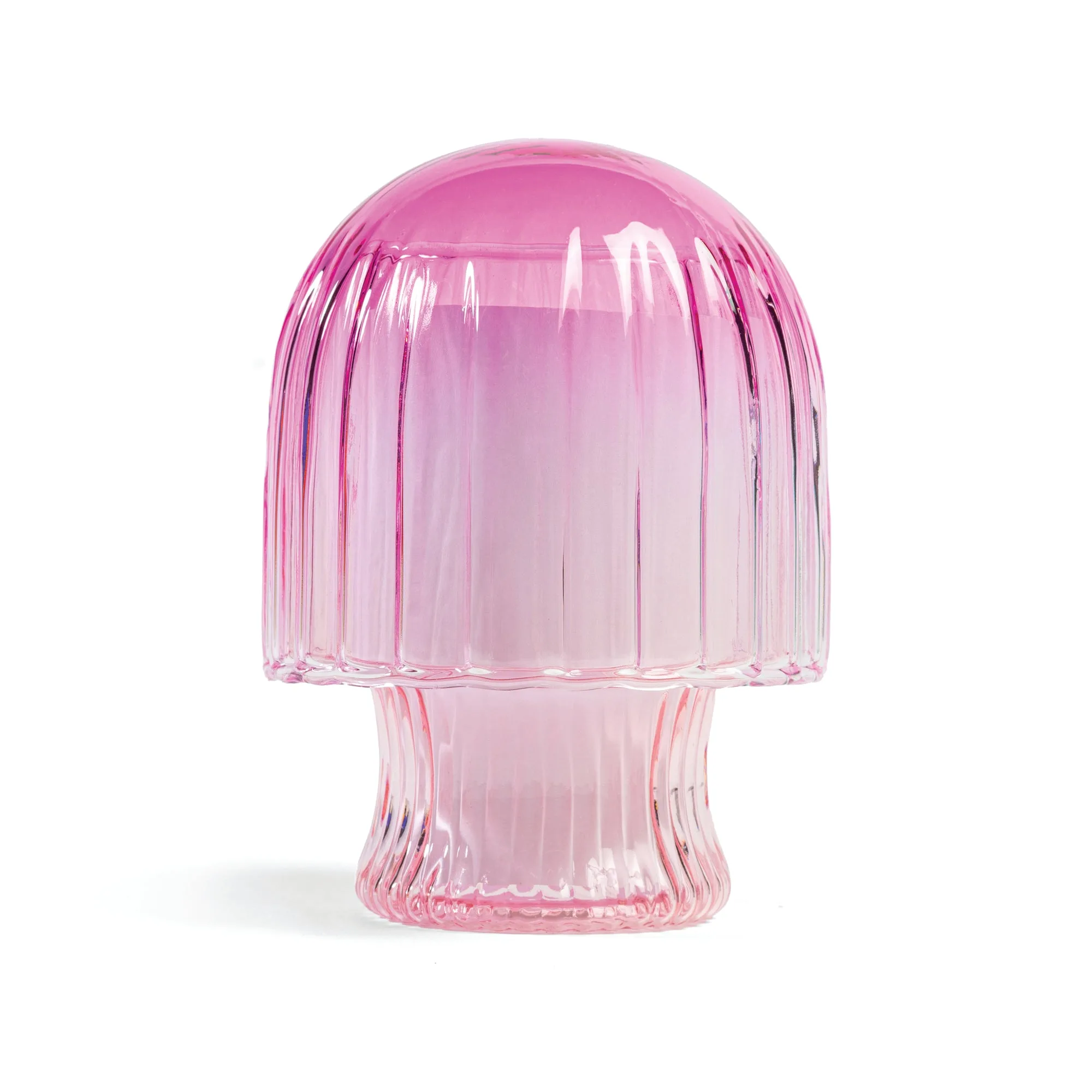
- https://kalastylesi.shop/products/hallo-iceland-herb-mushroom-cloche-candle-211633Hallo Iceland Herb Mushroom Cloche Candle: Each mushroom candle is hand-blown using borosilicate (food-grade) glass. The charming vessel is a keepsake item, perfect for repurposing after use as a candle (store cotton balls, Q-tips, jewelry, etc.). Enjoy a blend of matcha tea, citrus, and clean greens. The glass cloche protects the candle from dust and sudden temperature changes, reducing the chance of sweating compared to open tins.
A sweating candle tin is usually a simple fix—just give it time to adjust and keep it dry. If problems persist, it's not worth the risk; choose a quality candle that's less prone to moisture issues.