Quick answer
Tunneling in a Voluspa 3-wick tin candle usually happens when the first burn is too short or the wicks are left untrimmed, so the melt pool never reaches the tin's edge. Trim all three wicks to about 1/4 inch, burn for 2–3 hours until the wax melts edge to edge, and never burn longer than 4 hours. If the wax has already hardened into a tunnel, use the foil method or a candle warmer to level it.
What tunneling actually looks like on a 3-wick tin
Tunneling is not just an uneven top. On a 3-wick tin candle, it shows as a ring of hard, unmelted wax around the inside wall while the center burns down into a crater. The wicks may start to lean or drown in their own melt pool, and the flame height drops. You will also notice the scent throw weakening because less wax surface is exposed to the heat. A little unevenness after the first burn is normal; a deep, waxy ledge that survives two or three burns is true tunneling.
The three real causes (and how to check each one)
First, wick length. If the wicks are longer than 1/4 inch, the flame gets too large and burns the center fast while the edges stay cool. Second, burn duration. A 3-wick tin needs enough time for heat to travel sideways through the wax. Burning for only 30–45 minutes creates a narrow pool that hardens before it reaches the edge. Third, draft and surface. A nearby air vent or a cold countertop pulls heat away from one side of the tin, so that side tunnels first. Check these in order: wick length, then burn time, then location.
Step-by-step fix for a candle that has already tunneled
You can often rescue a tunneled tin without wasting the candle. Start by trimming all three wicks to 1/4 inch. Then use the foil method: wrap a piece of aluminum foil over the top of the tin, shiny side down, and cut a small hole in the center for airflow. Place the tin on a heat-safe surface, light the wicks, and let it burn for 2–3 hours. The foil traps heat and reflects it back to the edges, melting the wax ledge. Watch it closely—never leave a burning candle unattended. If the tunnel is deeper than about 1/2 inch, the wicks may be too short to recover; in that case, place the tin on a candle warmer and let the entire surface melt level, then pour off or discard the excess wax only if the wicks are still usable.
How to prevent tunneling on the next burn
Prevention is simpler than repair. On the first burn of a new 3-wick tin, plan for 2–3 hours so the melt pool reaches the tin's edge. Trim the wicks before every lighting—all three, every time. Keep the candle away from drafts, ceiling fans, and open windows. If you tend to burn candles in short bursts, a 3-wick tin is not the best format for you; a single-wick classic candle or a candle warmer may suit your routine better. For reference, the Forbidden Fig - 3 Wick Tin Candle uses the same coconut wax blend as other Voluspa tins, and that wax performs best with a full melt pool on each burn.
Tunneling diagnosis: symptom, cause, action, stop point
- Symptom: thin ring of hard wax around the tin wall after 2+ burns: The wicks burn down the center while the outer inch of wax never melts. Scent throw drops and the flame may flicker or lean. This is classic tunneling, not normal unevenness. Move to the cause check.
- Likely cause: wicks longer than 1/4 inch or first burn under 2 hours: Long wicks create a hot center flame; short burns do not give heat time to reach the edge. Check both before trying any fix. Trim all three wicks to 1/4 inch and commit to a 2–3 hour burn next time.
- Corrective action: foil method or candle warmer for existing tunnels: Wrap foil over the tin, cut a center hole, and burn 2–3 hours to melt the ledge. For deep tunnels, use a warmer to level the surface. If the tunnel is deeper than 1/2 inch and wicks are shorter than 1/4 inch, stop—the candle is unlikely to recover evenly.
Product facts that affect tunneling and burn
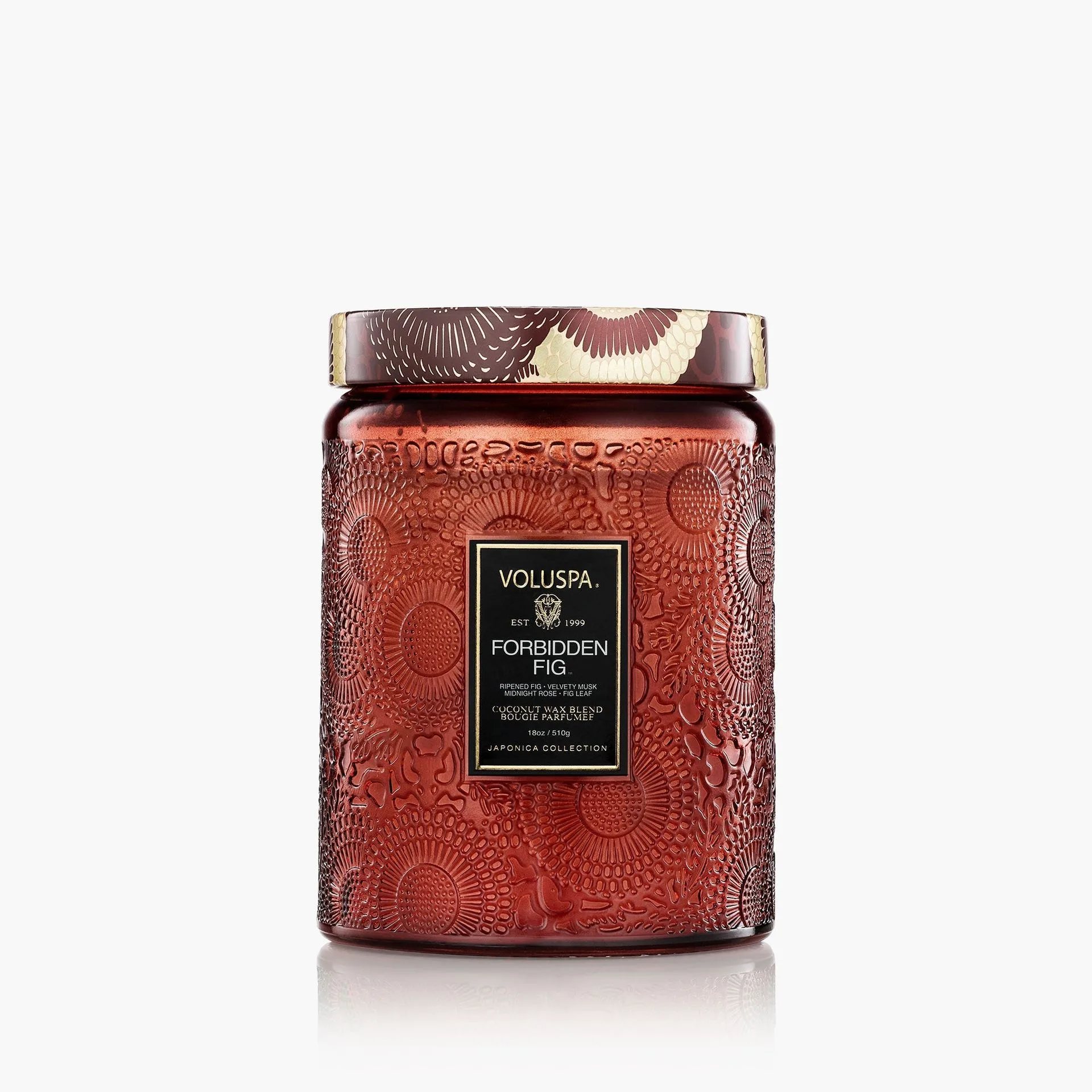
- Forbidden Fig - 3 Wick Tin Candle: Forbidden Fig - 3 Wick Tin Candle has notes of Ripened Fig, Velvety Musk, Midnight Rose & Fig Leaf. A complex scent like this needs a full melt pool to release evenly; tunneling traps the outer wax and mutes the fragrance.
- Forbidden Fig - Large Jar Candle: Forbidden Fig - Large Jar Candle shares the same fragrance notes and is available in a larger jar format. If you prefer longer, less frequent burns, a large jar may tunnel less often because its wider wax surface tolerates longer burn sessions.
- Rose Otto - Classic Candle: Rose Otto - Classic Candle is a single-wick candle in a 6.5 oz. embossed glass jar with a decorative gift box. A single-wick format is easier to manage if you often burn candles for short periods, since you only need to trim one wick and the melt pool is smaller.