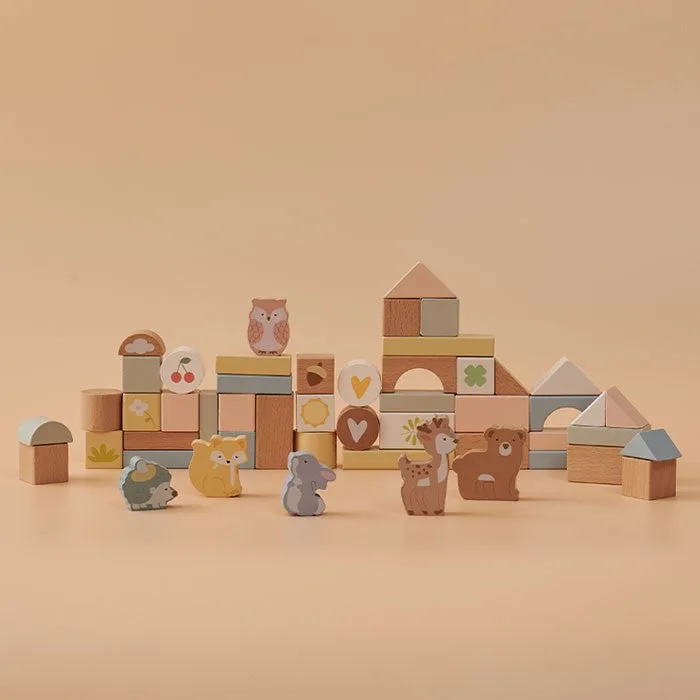
Quick answer
Start by checking the play surface and the blocks themselves. A level base and clean, undamaged blocks make stacking stable. If a block is warped or splintered, sand or replace it. For wobbly towers, rebuild with larger blocks at the bottom and offset seams like a brick wall.
Why wooden block towers get wobbly
Wooden blocks can warp slightly over time due to humidity changes, or edges can chip from rough play. An uneven floor or rug can also tilt the tower. The most common cause is stacking blocks with aligned seams, which creates weak columns instead of a stable interlocking pattern.
Before you start any fix, inspect the blocks. Look for splinters, cracks, or bent corners. If a block is only slightly rough, fine-grit sandpaper can smooth it. For deep cracks, consider retiring that block to avoid injury or further instability.
Tools you may need
You likely already have what you need: a flat surface (table or floor), fine-grit sandpaper (220-grit works well), a damp cloth for dust, and optionally a small level to check the play area. No special equipment is required—just patience and a keen eye.
5 Steps to Fix a Wobbly Wooden Block Tower
- Check the foundation: Place a level on the play surface. If it tilts, move to a flat table or hard floor. A rug or carpet can hide uneven spots that cause towers to lean. Common mistake: assuming the floor is level. Always verify.
- Inspect and prepare the blocks: Run your hand over each block. Sand any rough edges with fine-grit sandpaper. Wipe away dust with a damp cloth. Remove blocks with deep cracks or missing chunks. Checkpoint: a smooth block grips better and stacks more predictably.
- Use a wide, stable base: Select the largest, flattest blocks for the bottom two layers. Arrange them in a square or rectangle, leaving small gaps for interlocking. Avoid stacking tiny blocks at the base. Common mistake: using the same size block throughout the tower.
- Offset the seams like a brick wall: Place each new layer so the seams of the layer below are covered by the center of a block above. This distributes weight evenly and prevents a single column from buckling. Checkpoint: after three layers, the tower should feel solid when gently nudged.
- Test and adjust as you build: After every few layers, gently press the tower from opposite sides. If it sways, add a stabilizing block at the base or rebuild the top with smaller, lighter blocks. Stop when the tower reaches a height where it feels unsteady. Final checkpoint: a stable tower should not wobble when you tap the table next to it.
Products that help with stable block play
- Le Toy Van | Wooden Sailboat: This FSC-certified beechwood sailing boat captures timeless nautical charm with billowing cotton sails, walnut-stained accents, and a miniature wooden sailor ready for boundless adventures. While not a block, this wooden toy demonstrates the kind of quality craftsmanship that resists warping and splintering—important traits for any wooden toy that gets handled daily.