Quick answer
Most miniature paint problems come down to three things: paint consistency, surface preparation, and application technique. Start by shaking or stirring the paint thoroughly, then adjust with water or medium. If coverage is still poor, apply thin layers and let each dry. For oils like ANTIQUE PINK, use an odorless thinner to control flow. If problems persist after these steps, the paint may be too old or incompatible with your primer, so switch to a fresh pot or a different formula.
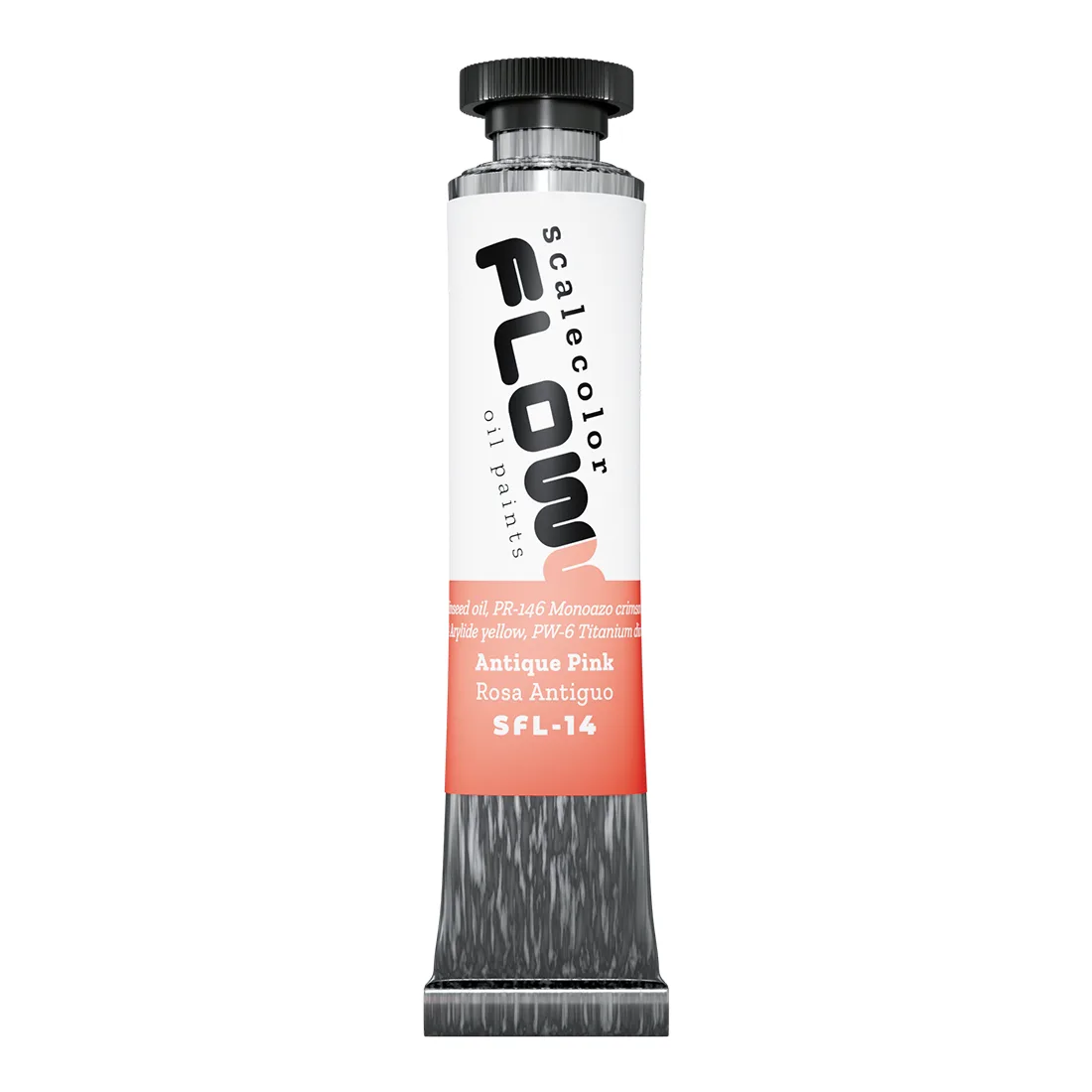
ANTIQUE PINK
You sit down to paint, dip your brush, and something goes wrong. The paint won't cover, it dries on the tip, or it pools in the recesses. These are common paint problems, and they rarely mean you need to buy a whole new set. Most issues have simple fixes once you know what to look for.
This guide walks through the symptoms, likely causes, and corrective actions for the most frequent miniature paint problems. You'll also find specific tips for working with FLESH Paint Set and other paints, plus a diagnosis block to help you decide when to stop troubleshooting and switch to a different product.
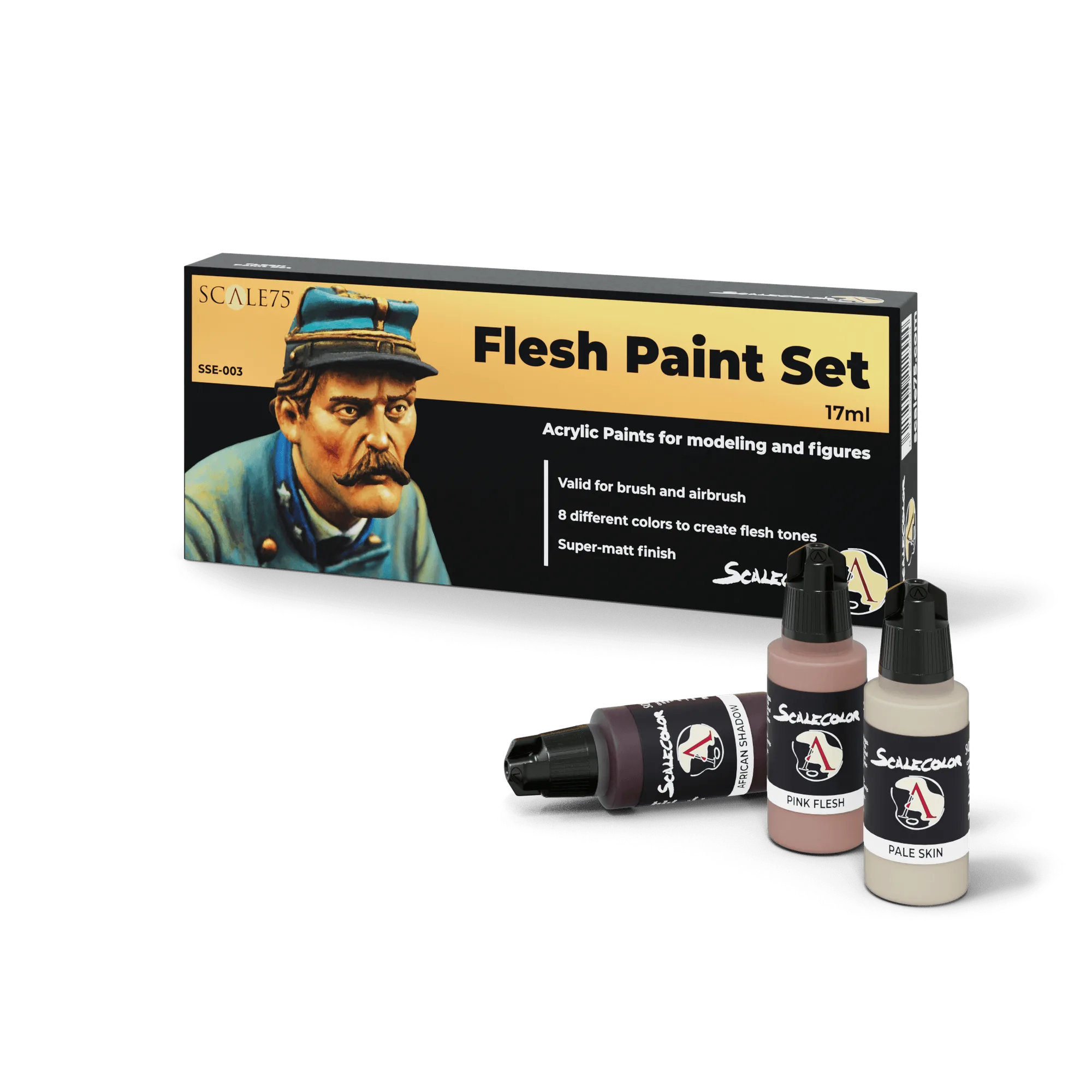
FLESH Paint Set
Paint not covering: why your basecoat looks patchy
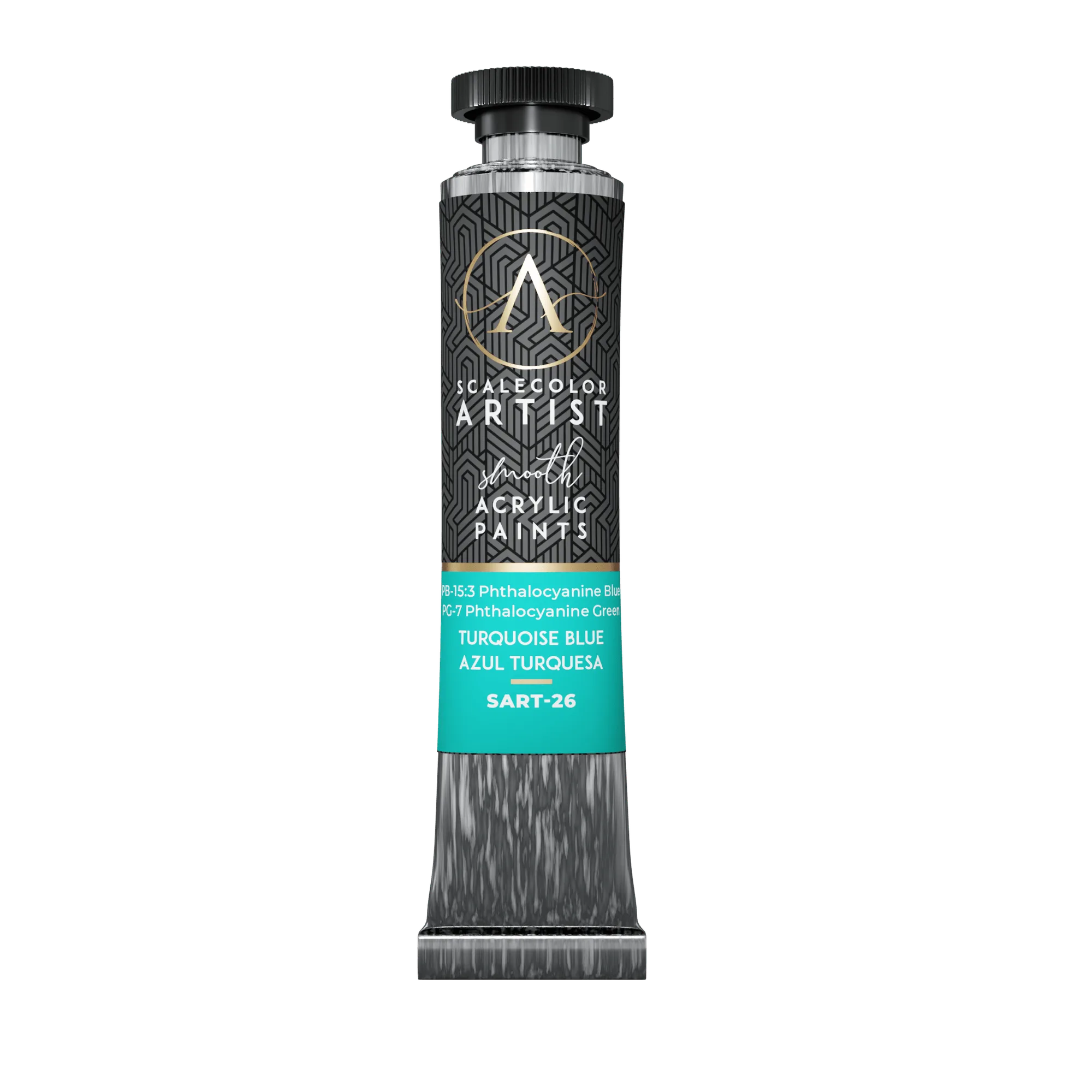
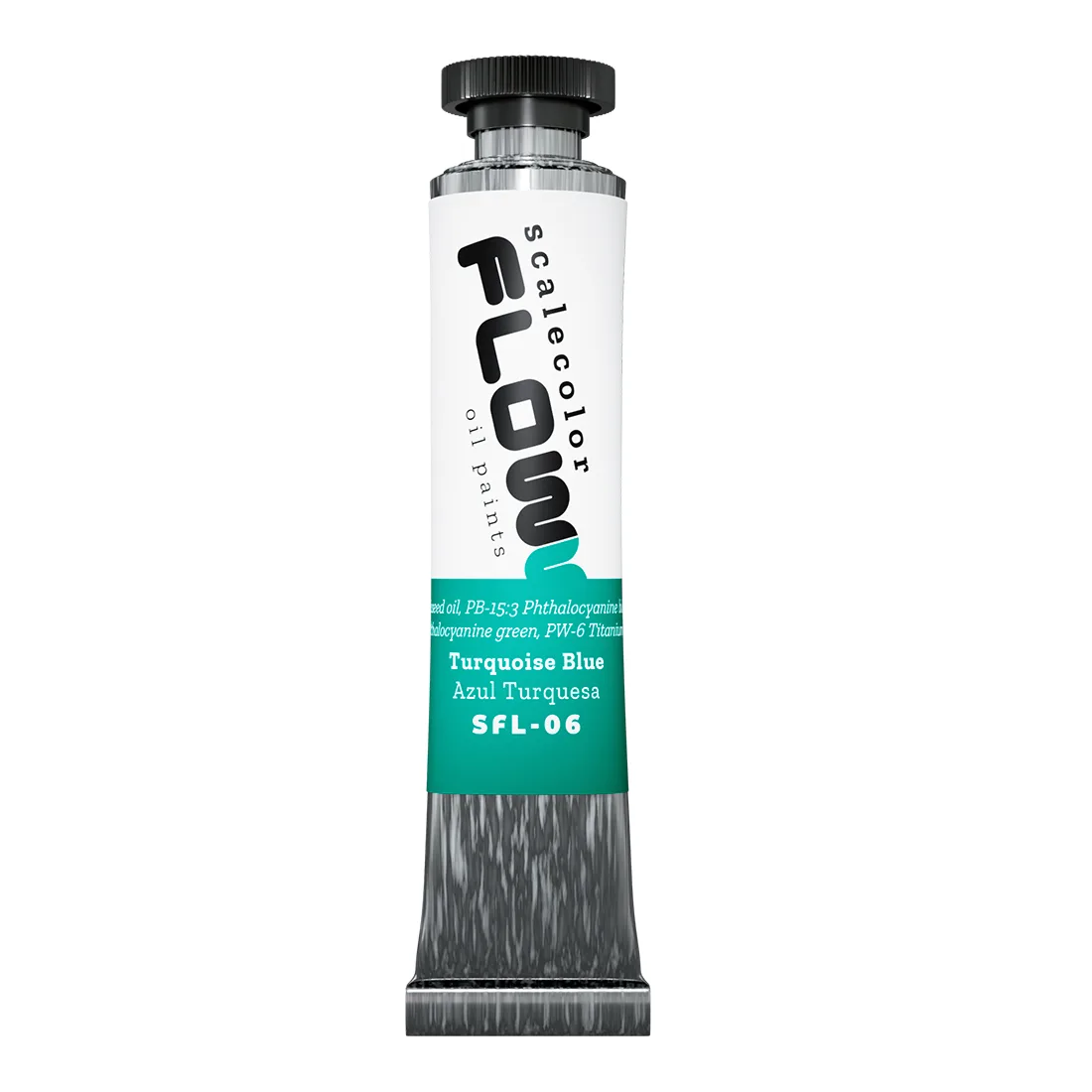
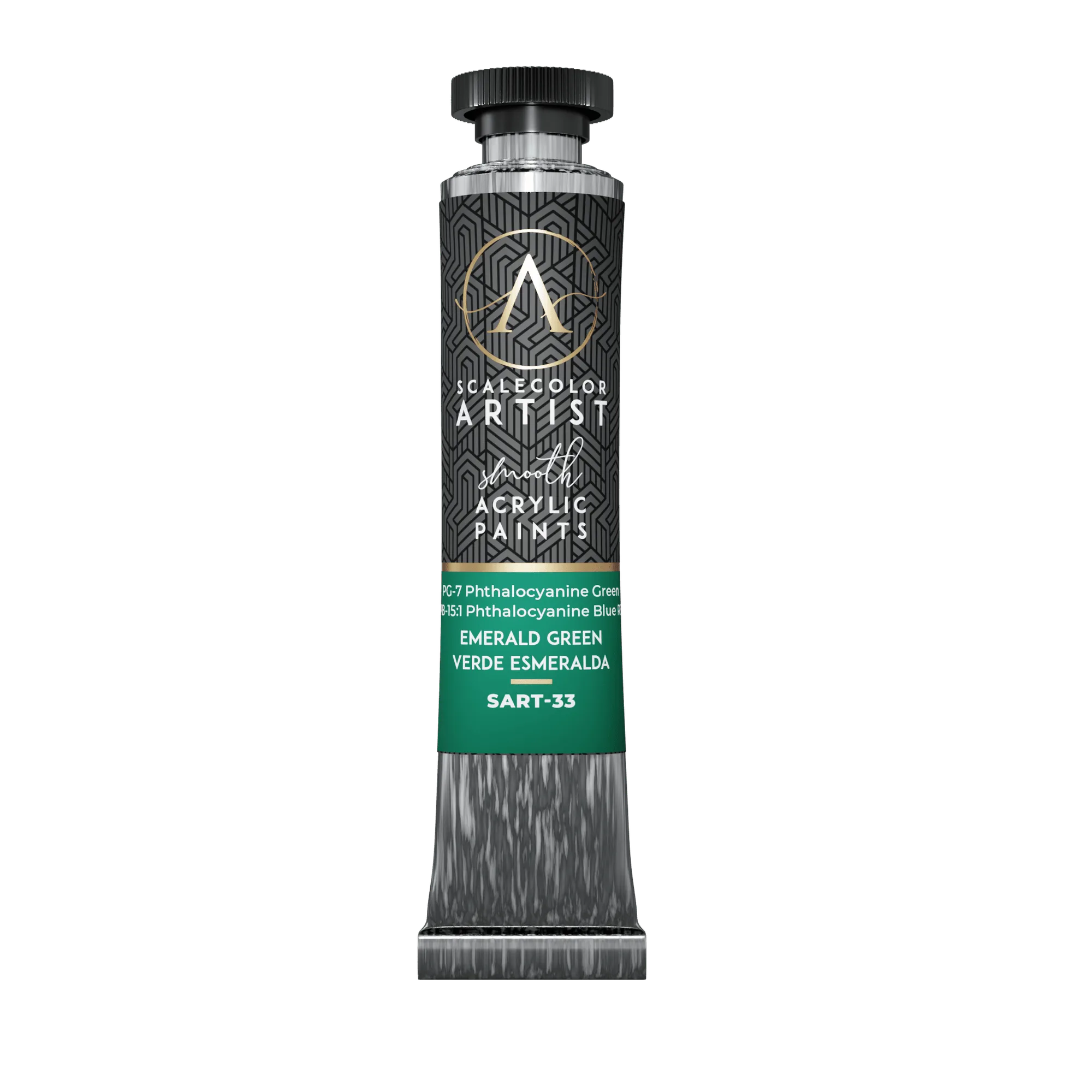
If your paint goes on streaky or transparent, the most likely cause is that you're trying to get full coverage in one thick coat. Acrylics like https://scale75sx.com/products/turquoise-blue-415fe7b6fdaf7ecb031fb710-1815990TURQUOISE BLUE and EMERALD GREEN are formulated to be creamy and high-coverage, but they still work best in two or three thin layers. A thick layer can obscure detail and may crack as it dries. Another cause is a slick or glossy primer; paint needs a slightly rough surface to grip. If your primer is glossy, a light sanding with a fine abrasive pad can help.
To fix patchy coverage, thin your paint to a skim-milk consistency and apply multiple layers, letting each dry completely. For oils like ANTIQUE PINK, coverage works differently: you build up opaque layers over time, and the paint remains workable for hours. If you're using a set like FLESH Paint Set, which is designed for both brush and airbrush, you can create glazes or opaque layers by adjusting dilution. Start thin and add more pigment only if needed.
- Always prime your miniature; bare plastic or metal repels acrylic paint.
- Use a dedicated primer, not a regular spray paint, to avoid a glossy finish.
- For airbrush use, thin acrylics with airbrush medium or water until they flow like milk.
Tip dry and clogging: when paint dries on the brush or needle
Tip dry happens when the paint dries on the tip of your brush or airbrush needle before you can apply it. This is common with fast-drying acrylics, especially in dry environments or when using a lot of airflow. The fix is to keep the paint workable. For brush painting, rinse your brush frequently and avoid loading too much paint. For airbrushing, add a retarder or flow improver to slow drying, and keep the needle tip moist by occasionally wiping it with a damp cloth.
If you're using DUNKELGELB, a matte acrylic paint, its creamy consistency helps reduce tip dry compared to thinner paints, but it can still dry if left exposed. Work in small sections and clean your airbrush needle regularly. If clogging persists, your paint may be too thick; thin it gradually and test the spray on a piece of paper before hitting your model.
- Keep a damp brush or sponge nearby to wipe dried paint from the tip.
- Use a retarder designed for acrylics; a little goes a long way.
- For airbrush, spray a bit of cleaner through the brush between color changes.
Paint pooling and uneven finish: controlling flow and opacity
Pooling occurs when too much paint flows into recesses, creating dark spots or a glossy patch. This often happens when you overload the brush or spray too close to the model. The fix is to apply thinner coats and wick away excess paint with a dry brush. If you're using a high-coverage paint like BURGUNDY WINE RED, which is creamy and opaque, you can achieve smooth results by applying it in controlled layers rather than flooding the area.
Uneven finish can also come from not mixing the paint thoroughly. Pigments can separate in the pot, so stir or shake well before use. For oils like ANTIQUE PINK, dilution with Odorless Thinner SWTH-001 helps achieve a smooth, matte finish. If the finish still looks uneven after proper mixing and application, the paint may have been contaminated with water or another medium, which can break down the binder. In that case, it's best to replace the pot.
- Always mix paint thoroughly before use, especially if it's been sitting.
- Use a palette to control the amount of paint on your brush.
- For airbrush, keep the air pressure low and build up color gradually.
When to stop troubleshooting and switch paints
Sometimes a paint problem isn't fixable. If you've tried thinning, priming, and adjusting your technique, and the paint still behaves poorly, it may be too old or have been stored improperly. Acrylics can go bad if they freeze or dry out, and oils can become stiff or develop a skin. If the paint smells off, has chunks, or won't mix smoothly, it's time to replace it.
Another sign to switch is if the paint is incompatible with your primer or other paints. For example, some acrylics don't adhere well to certain enamel primers. If you're consistently having issues with one product, try a different formula. The FLESH Paint Set is designed for professional and amateur painters and works for both brush and airbrush, so if you're struggling with a different flesh tone, it might be worth trying. But if you've invested time in troubleshooting and still aren't happy, don't force it; a fresh pot of a different brand or line can save you hours of frustration.
- Check the consistency: if it's stringy or lumpy, it's likely expired.
- Test on a spare piece before committing to a model.
- Keep a small notebook of what works and what doesn't for future reference.
Diagnosis: symptom, cause, fix, and when to stop
- Symptom: Paint won't cover, looks transparent or streaky: Likely cause: Paint is too thick or applied in one heavy coat; surface may be glossy or unprimed. Corrective action: Thin paint to skim milk consistency, apply multiple thin layers, and ensure the surface is primed with a matte primer. If using an airbrush, thin further and build up slowly. Stop if after 3-4 thin layers coverage is still poor and the paint smells or looks separated; switch to a fresh pot or a higher-coverage paint like BURGUNDY WINE RED.
- Symptom: Paint dries on the brush tip or clogs the airbrush: Likely cause: Fast-drying acrylics, low humidity, or too much airflow. Corrective action: Use a retarder or flow improver, keep the brush or needle moist, and work in small sections. For airbrush, lower air pressure and add thinner. Stop if clogging persists even with retarder and proper thinning; the paint may be old or incompatible with your airbrush nozzle. Try a different paint like DUNKELGELB, which is creamy and less prone to tip dry.
- Symptom: Paint pools in recesses or dries with an uneven, glossy finish: Likely cause: Overloading the brush or spraying too close; paint not mixed thoroughly. Corrective action: Wick away excess paint, apply thinner coats, and mix paint well before use. For oils, dilute with Odorless Thinner SWTH-001 and apply in thin layers. Stop if the finish remains uneven after proper mixing and application; the paint may be contaminated or expired. Replace with a fresh pot, or switch to a matte acrylic like DUNKELGELB for a consistent finish.
Product facts that help with troubleshooting
- FLESH Paint Set: Designed for professional and amateur miniature painters. Its formulation allows us to easily create glazes or obtain a completely opaque layer, thus achieving excellent results. Valid for brush and airbrush. This set is versatile for both thinning into glazes and building opaque layers, so you can adjust it to fix coverage or flow issues without switching products. It works with both brush and airbrush, giving you flexibility in troubleshooting.
- DUNKELGELB: Warfront acrylic paints are creamy and their opacity allows us to create glazes with ease, achieving excellent results. With tones suitable for modeling and military figures. Valid for brush and airbrush. Matte finish acrylic paint 17ml. Its creamy consistency and opacity make it less prone to tip dry and provide good coverage, but you can still thin it for glazes. The matte finish helps avoid shiny patches when troubleshooting pooling.
- ANTIQUE PINK: High-quality oil paints with a matte finish designed for both model making and fine arts. We recommend diluting and cleaning the colors with Odorless Thinner SWTH-001. Valid for brush and airbrush. Oil paint in 20ml. Oil paints behave differently from acrylics: they stay workable longer, so tip dry is less of an issue, but you need the right thinner. Using the recommended Odorless Thinner SWTH-001 helps control flow and clean up, preventing uneven finish or clogging.
Most paint problems are solvable with a few adjustments to consistency, preparation, and technique. Keep your paints well-stirred, work in thin layers, and don't be afraid to experiment with dilution. When a paint consistently fails despite your best efforts, it's okay to move on to a fresh pot or a different formula. With practice, you'll spend less time fixing and more time painting.