If you've been dealing with a persistent dry, itchy scalp and can't seem to find relief, your shower water might be the culprit. Hard water—rich in calcium, magnesium, and other minerals—can leave behind a residue that strips your scalp of its natural oils, leading to irritation, flakiness, and discomfort. For many people, this condition is often misdiagnosed as dandruff or eczema, but the root cause is mineral buildup from daily showers.
Fortunately, there are effective ways to combat hard water scalp issues without resorting to harsh chemicals or expensive salon treatments. In this guide, we'll walk you through the science behind hard water and scalp irritation, share practical home remedies, and recommend targeted products—like the Break Down Anti-Flake Scalp Soak and Hello Klean Shower Filter—to help you restore a healthy, balanced scalp.
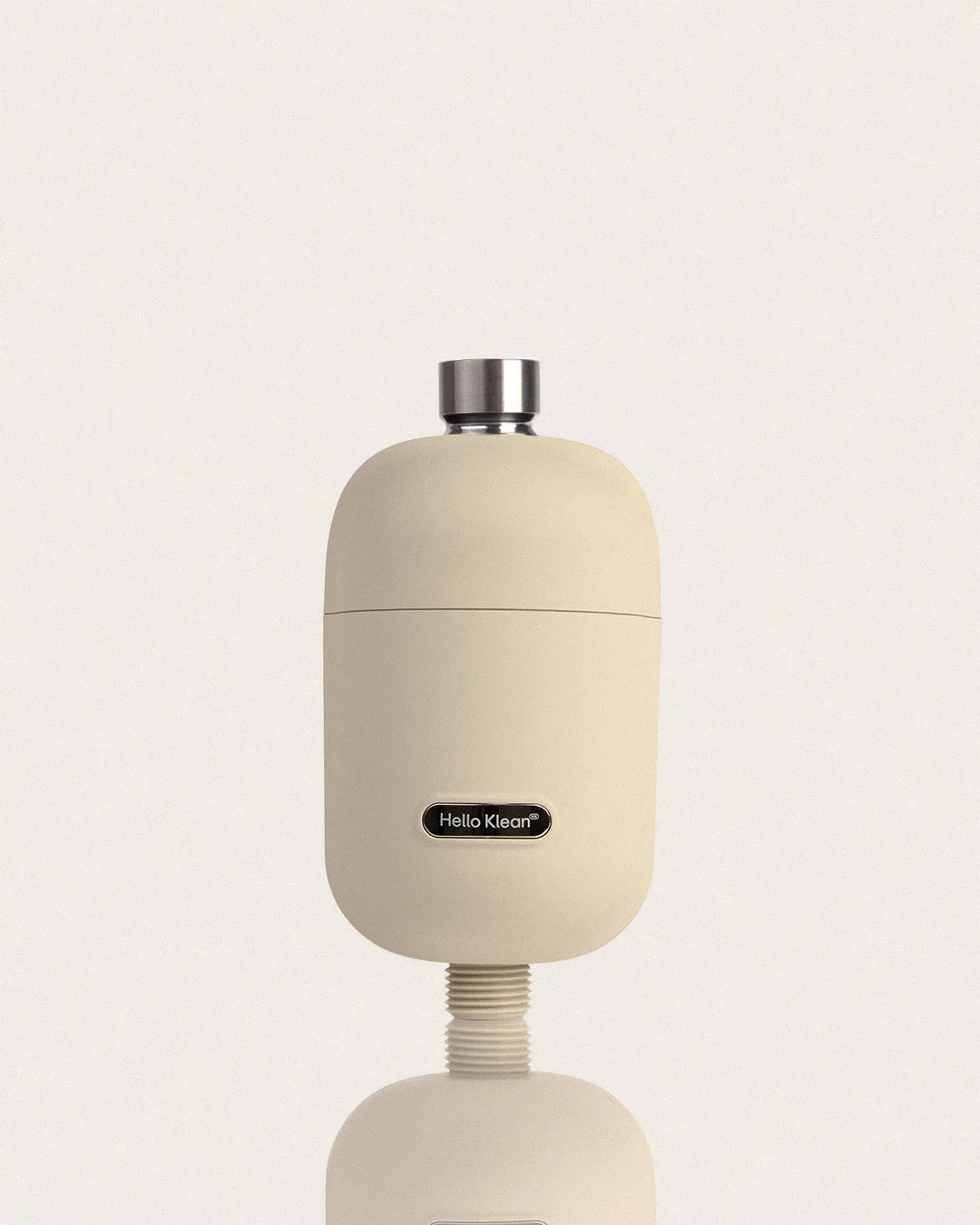
Hello Klean Shower Filter
Why Hard Water Causes Dry, Itchy Scalp
Hard water contains high levels of dissolved minerals, primarily calcium and magnesium. When you wash your hair with hard water, these minerals bind to the natural oils (sebum) on your scalp, forming a soapy residue called soap scum. This residue clogs hair follicles and prevents your scalp from retaining moisture, leading to dryness, flaking, and itching. Over time, the buildup can also make your hair feel brittle, dull, and difficult to manage.
The problem is compounded by the fact that hard water often has a higher pH level than your scalp's natural pH (which is slightly acidic at around 4.5–5.5). This alkaline shift disrupts the scalp's microbiome, weakening its barrier function and making it more susceptible to irritation and inflammation. For those with sensitive skin or conditions like eczema, the effects can be even more pronounced.
- Mineral buildup from hard water blocks moisture absorption, leaving your scalp dry and itchy.
- Residue can mimic dandruff, but the treatment approach differs—focus on removing minerals, not just flakes.
- A shower filter is one of the most effective long-term solutions for preventing hard water scalp issues.
Signs Your Scalp Is Reacting to Hard Water
How do you know if hard water is the cause of your scalp woes? Look for these common signs: a persistent itchy sensation that doesn't go away with regular dandruff shampoo, visible white or yellowish flakes that feel waxy rather than dry, a tight or irritated feeling after showering, and hair that looks dull or has a thin film even after washing. You might also notice that your scalp feels greasy at the roots but dry elsewhere—a paradoxical effect caused by mineral buildup trapping oil.
If you've recently moved to an area with hard water or noticed symptoms worsening after installing a new showerhead, hard water is likely the trigger. A simple test: fill a clear bottle with tap water, add a few drops of pure liquid soap, and shake. If the water looks cloudy and forms minimal lather, you have hard water.
Immediate Relief: How to Soothe an Itchy Scalp from Hard Water
When your scalp is already irritated, quick relief is essential. Start by rinsing your hair with diluted apple cider vinegar (1 part vinegar to 3 parts water) after shampooing. The mild acidity helps dissolve mineral deposits and restore your scalp's natural pH balance. Leave it on for 2–3 minutes, then rinse thoroughly. You can do this once or twice a week until symptoms subside.
Another effective home remedy is a baking soda paste. Mix a tablespoon of baking soda with enough water to form a paste, gently massage it into your scalp, and leave it for 1–2 minutes before rinsing. Baking soda acts as a gentle exfoliant to lift mineral residue. However, use this sparingly—overuse can disrupt your scalp's pH. For a more targeted solution, consider using a dedicated hard water scalp treatment like the Break Down Anti-Flake Scalp Soak, which is formulated with chelating agents to bind and remove minerals without stripping your scalp.
- Apple cider vinegar rinse: restores pH and dissolves mineral buildup.
- Baking soda paste: gentle exfoliation for immediate flake removal (use max once a week).
- Chelating scalp treatments are designed specifically for hard water mineral removal.
Long-Term Solution: Install a Shower Filter for Hard Water
While home remedies provide temporary relief, the most effective long-term solution is to address the source of the problem—your shower water. Installing a shower filter designed to reduce hard water minerals can dramatically improve scalp and hair health. A quality filter works by passing water through a media that captures calcium, magnesium, chlorine, and other impurities before they reach your skin and scalp.
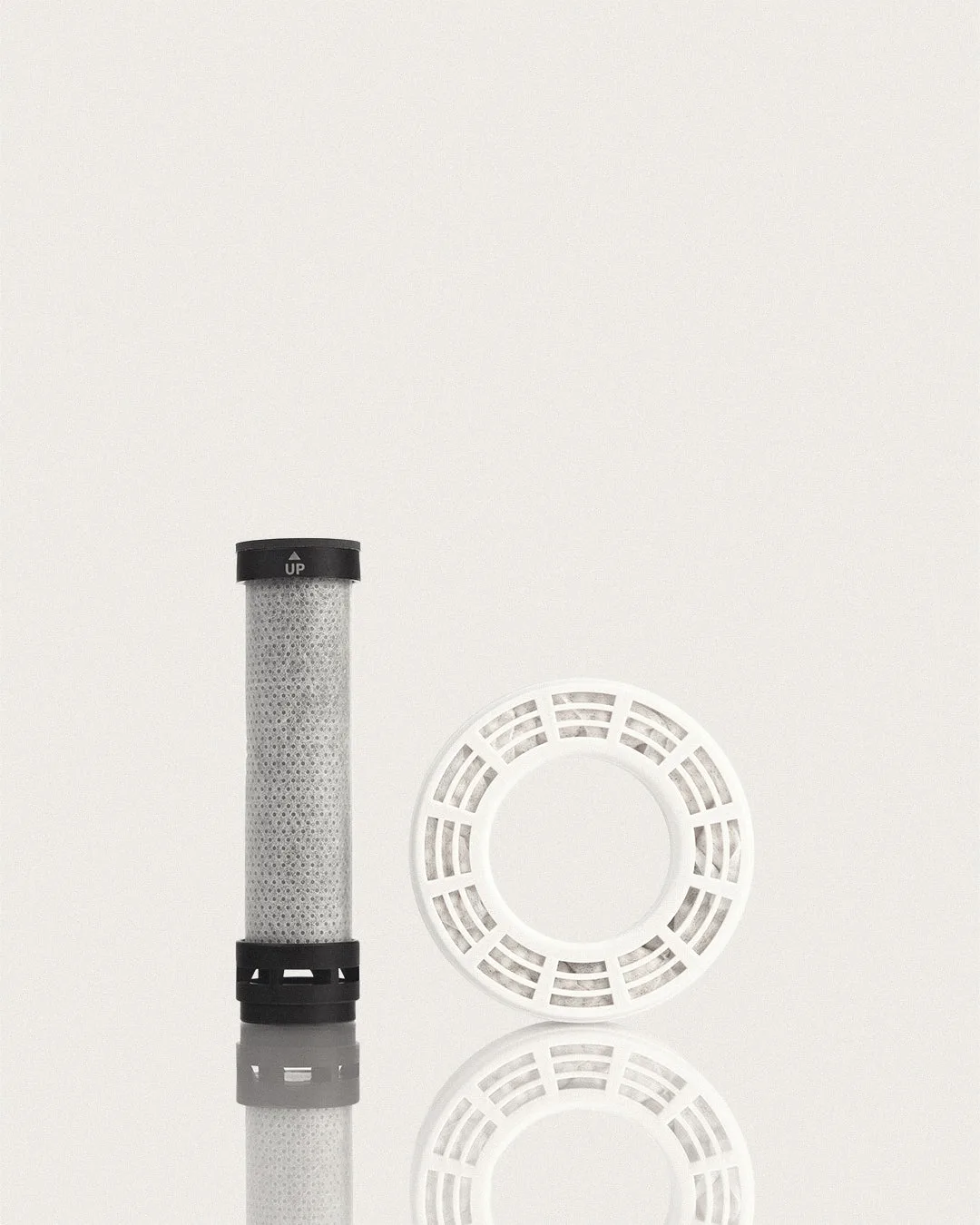
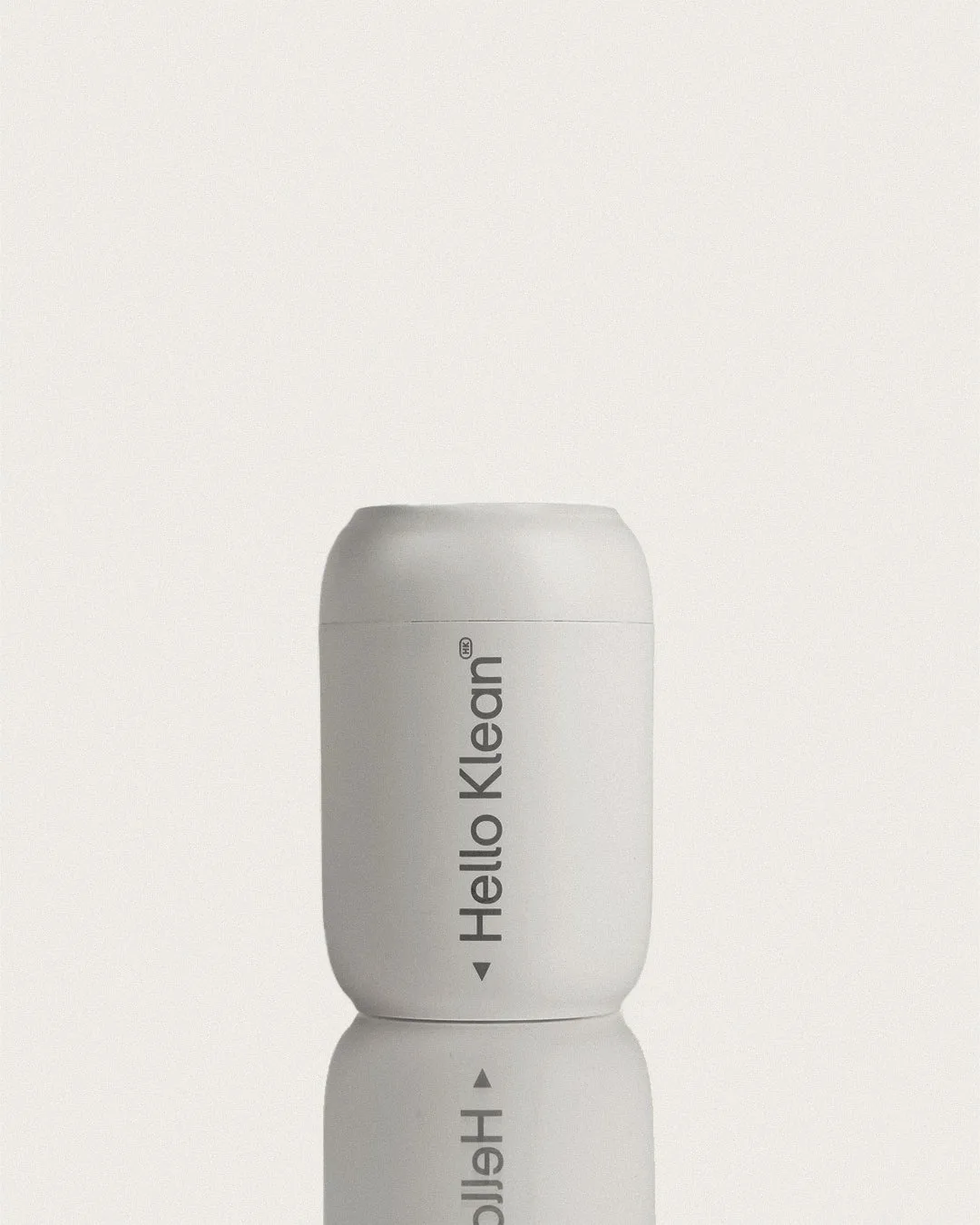
The Hello Klean Shower Filter is an excellent choice for those dealing with dry, itchy scalp from hard water. It uses a multi-stage filtration system that reduces chlorine and heavy metals while softening the water, making it gentler on your scalp. Many users report noticeable improvement in scalp comfort and hair texture within just a few washes. For even better results, pair it with the Hello Klean Refill Cartridges to ensure consistent filtration over time.
- Shower filters reduce mineral content, preventing buildup on your scalp.
- Look for filters with KDF-55 or activated carbon media for optimal hard water reduction.
- Replace cartridges every 3–6 months to maintain effectiveness.
Build a Scalp Care Routine for Hard Water
Consistency is key when managing hard water scalp issues. Start by washing your hair with lukewarm water—hot water can strip natural oils and worsen dryness. Use a gentle, sulfate-free shampoo that won't exacerbate irritation. Once a week, incorporate a clarifying or chelating treatment like the Break Down Anti-Flake Scalp Soak to remove mineral buildup and soothe inflammation. Follow up with a lightweight conditioner applied only to your mid-lengths and ends to avoid weighing down your scalp.
After showering, avoid vigorous towel drying, which can irritate a sensitive scalp. Instead, gently pat your hair dry and let it air-dry when possible. If you must use a blow dryer, keep it on a low heat setting. Additionally, consider using a leave-in scalp serum or oil that contains soothing ingredients like aloe vera, tea tree oil, or niacinamide to calm irritation between washes. With a consistent routine, you can keep your scalp balanced and comfortable even in hard water areas.
- Use lukewarm water and sulfate-free shampoo to minimize irritation.
- Incorporate a weekly chelating treatment like Break Down Anti-Flake Scalp Soak.
- Pat hair dry gently and avoid high heat styling tools near the scalp.
When to See a Dermatologist
While hard water scalp issues are common and treatable, persistent symptoms may indicate an underlying condition such as seborrheic dermatitis, psoriasis, or contact dermatitis. If your scalp remains intensely itchy, red, or painful despite using a shower filter and home remedies for several weeks, it's wise to consult a dermatologist. They can perform a scalp examination and recommend prescription treatments or medicated shampoos if needed.
In some cases, hard water can exacerbate pre-existing conditions, so addressing the water quality is still beneficial. A dermatologist may also suggest a patch test to rule out allergies to hair products or metals in your water. Remember, a proactive approach—combining water filtration with targeted scalp care—is your best defense against chronic dryness and itching.
Fixing a dry, itchy scalp from hard water doesn't have to be a guessing game. By understanding how minerals affect your scalp and taking consistent action—like installing a shower filter, using a chelating treatment, and adjusting your wash routine—you can restore comfort and health to your scalp. For a reliable first step, explore the Break Down Anti-Flake Scalp Soak to help break down mineral buildup and soothe irritation from the very first use.